
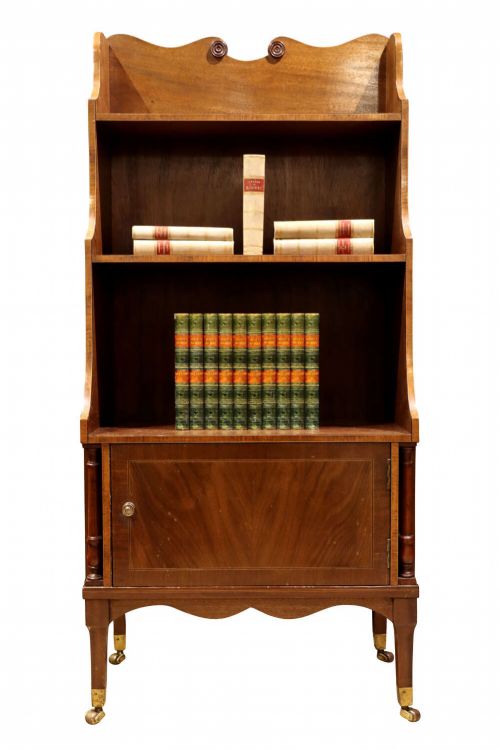


Late Victorian Shelving Unit
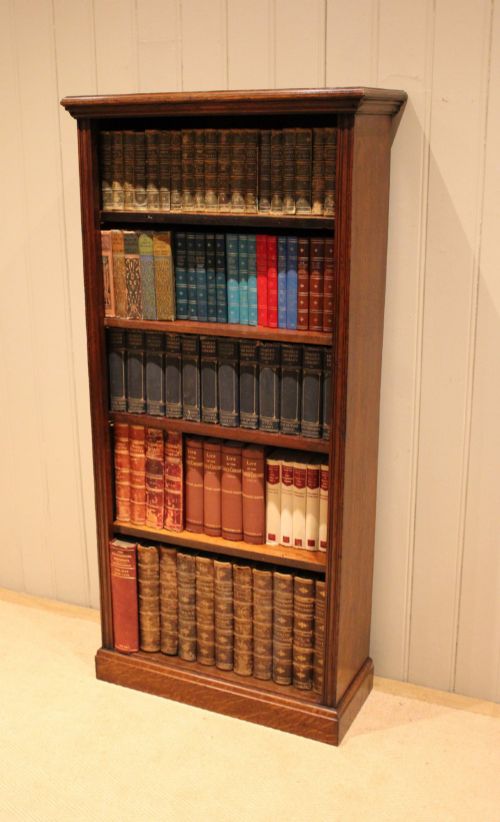
A late victorian shelving unit provides practical storage and display space, combining timber construction with period character.
Late Victorian Shelving Unit
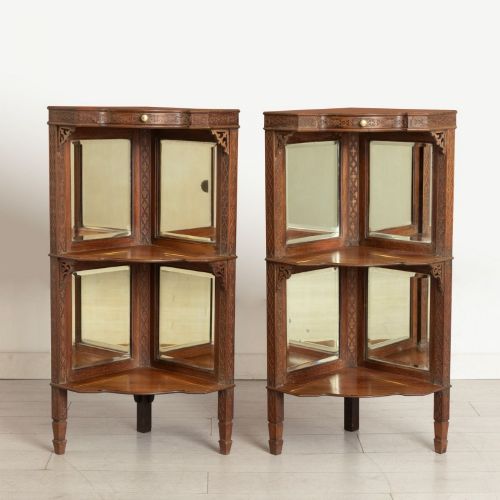
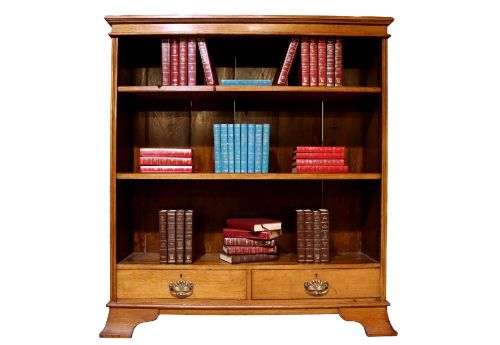
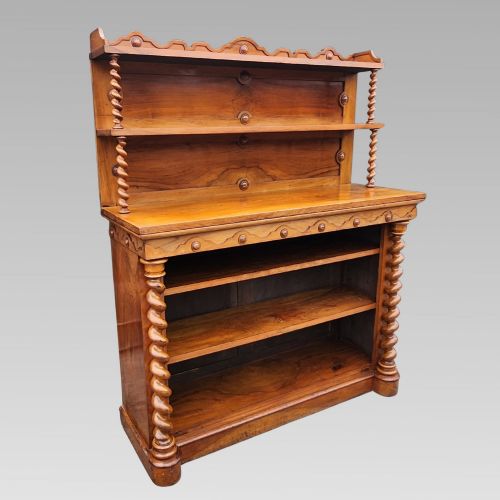
A late victorian shelving unit encompasses open bookcases, tiered whatnots, and corner cabinets originating from the nineteenth century. These pieces serve to organise books and display decorative objects within domestic interiors.
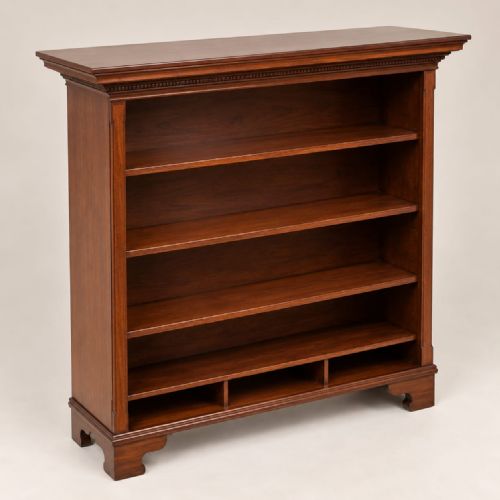
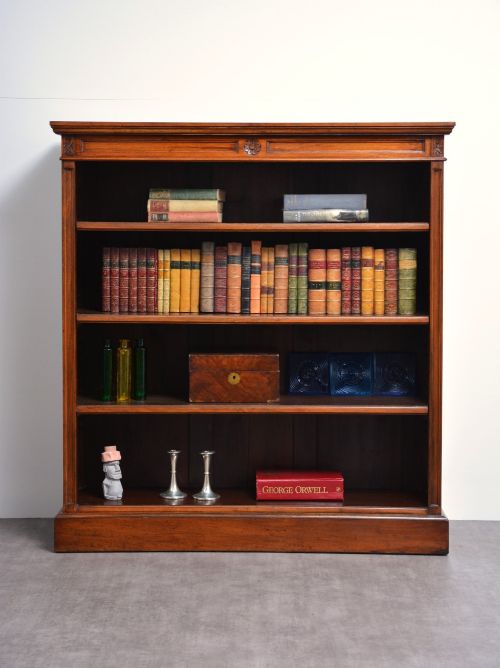
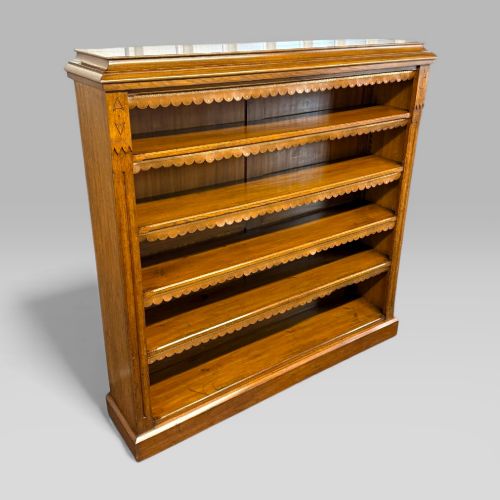
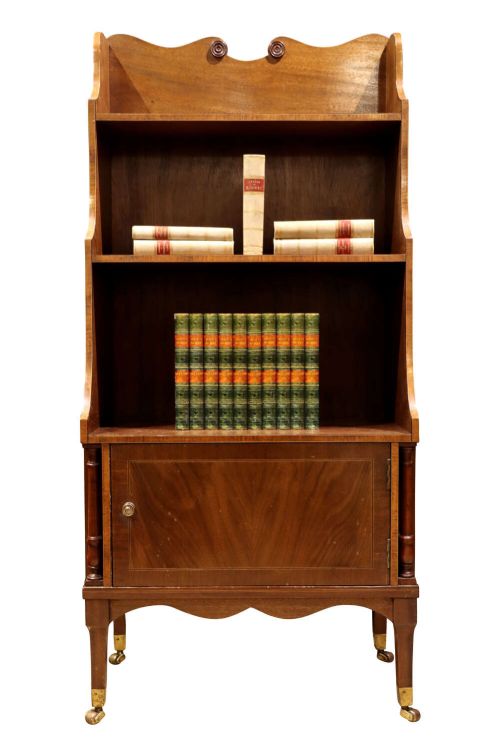
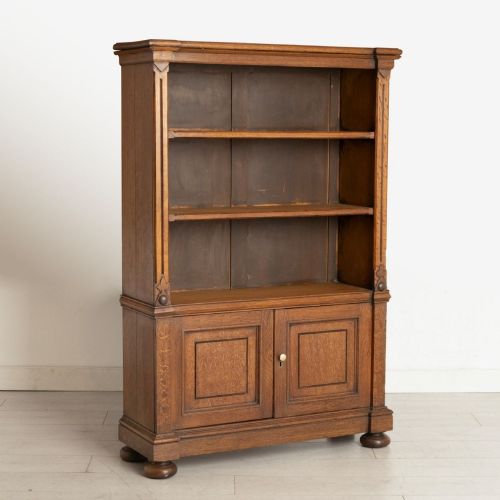
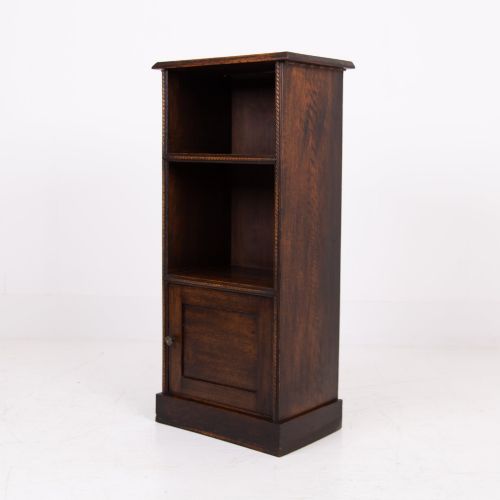
Mahogany and oak emerge as the most frequent woods encountered on this page. Pieces take the form of tall adjustable shelving units, small cupboards with shelves, and waterfall bookcases fitted with brass castors.
How they were made
Cabinet makers utilised solid and veneered timbers including walnut, satinwood, and pine alongside mahogany and oak. Surfaces display inlaid decoration, carving, and stained finishes.
Structural elements incorporate adjustable shelf mechanisms, mirror glass panels, and brass castors for mobility. Construction methods reflect the joinery standards of the late nineteenth century.
Object types span open bookcases, waterfall bookcases, whatnots, corner display cabinets, and sideboards with shelving.
What varies in quality
The degree of craftsmanship distinguishes simpler utility items from refined cabinet work. Finer examples display meticulous wood selection, such as golden oak or figured mahogany, alongside delicate inlay.
Edwards & Roberts·Lambs of Manchester
The Late Victorian Shelving Unit Glossary
- Waterfall bookcase
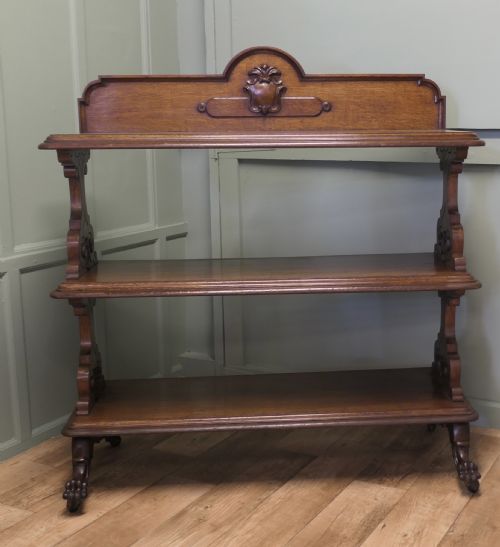
- A set of open shelves stepped back in tiers, where each shelf is narrower than the one below it. This form became popular during the nineteenth century for displaying books and ornaments.
- Whatnot
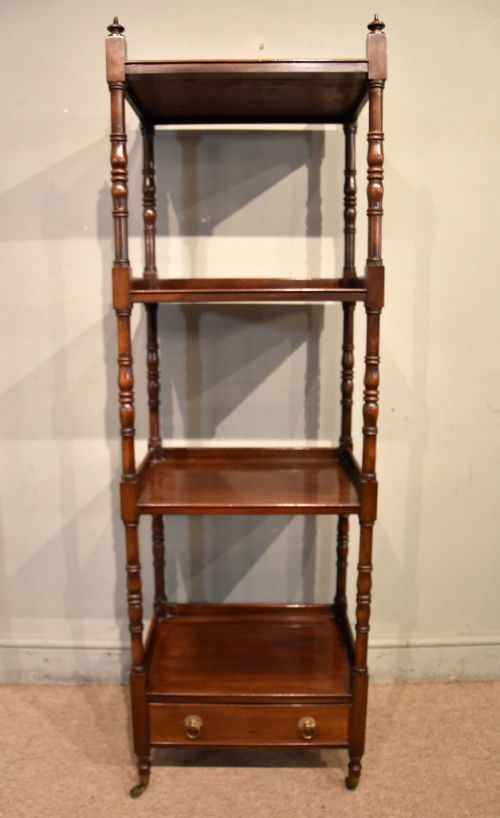
- A piece of freestanding furniture consisting of several open shelves supported by pillars or columns. It was designed for displaying small decorative objects and ornaments.
- Aesthetic movement
- A late nineteenth century design style that rejected heavy Victorian ornamentation in favour of simplicity and artistic expression. Pieces in this style often utilise ebonised wood, bamboo, or marquetry inlay.
- Adjustable shelves
- Shelves that can be moved to different heights within a bookcase using rack and pinion or movable peg systems. This allows the internal space to accommodate books of varying sizes.
- Corner display cabinet
- A glazed or open cabinet built to fit neatly into the corner of a room. These units make efficient use of space while showcasing collections.
Late Victorian Shelving Unit: Frequently Asked Questions
What is a late victorian shelving unit?
A late victorian shelving unit is a nineteenth century piece of furniture designed for holding books or displaying objects. These items range from open oak bookcases to mahogany whatnots and tiered cabinets.
They reflect the domestic storage needs of the period, offering both open display areas and enclosed cupboard space.
How do I use a waterfall bookcase?
A waterfall bookcase is utilised for displaying smaller volumes and decorative items within a study or living room. The graduated depth of the shelves allows different sizes of objects to be arranged neatly.
Because many examples are compact, they fit well against walls where floor space is limited.
Are the shelves usually adjustable?
Many of the open bookcases from this period feature adjustable shelving systems. This mechanical arrangement lets you alter shelf heights to suit tall folios or smaller octavos.
Fixed shelves also appear frequently, particularly in smaller or simpler cabinet forms.
What woods were used for these units?
Cabinet makers predominantly used mahogany, oak, and walnut for these shelving pieces. Satinwood, pine, and bamboo also feature across specific aesthetic and vernacular designs.
Timber choice often dictated the decorative treatment, from rich polished mahogany to carved golden oak.
How do I identify an aesthetic movement piece?
Aesthetic movement shelving units often display lighter woods, characteristic inlays, or alternative materials like bamboo. The design philosophy favoured artistic simplicity over heavy historic revivalism.
Such pieces align with late nineteenth century interior fashions focused on artisanal craftsmanship and decorative harmony.