
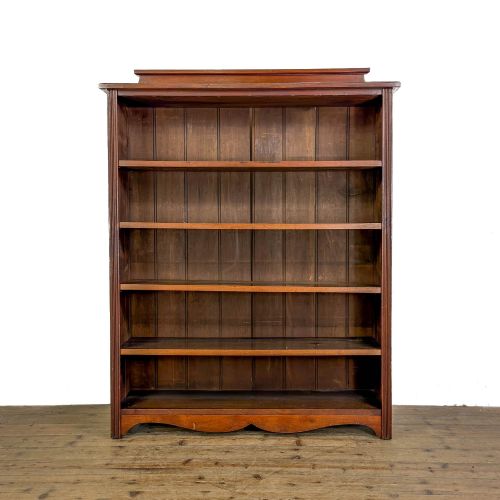
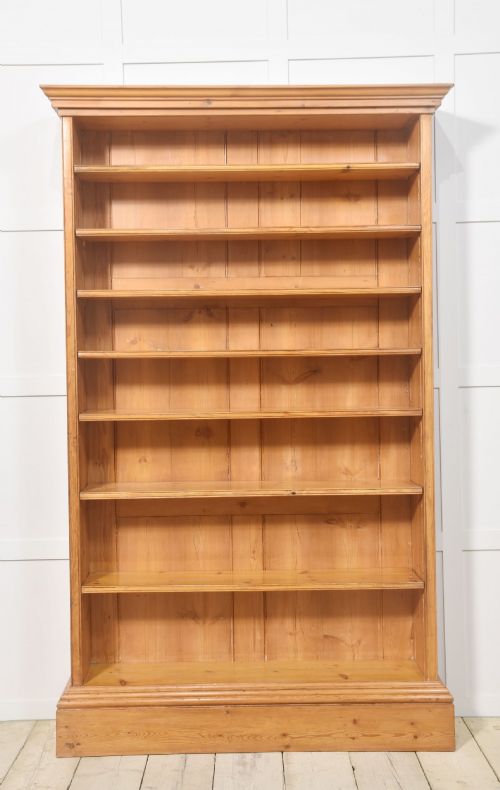
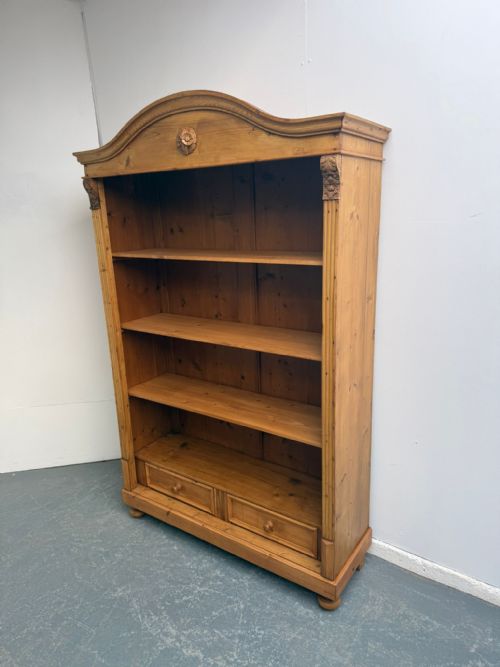


Antique Pine Bookshelves
Antique pine bookshelves bring warmth and honest utility to a room, offering sturdy timber storage built to last.
Antique Pine Bookshelves
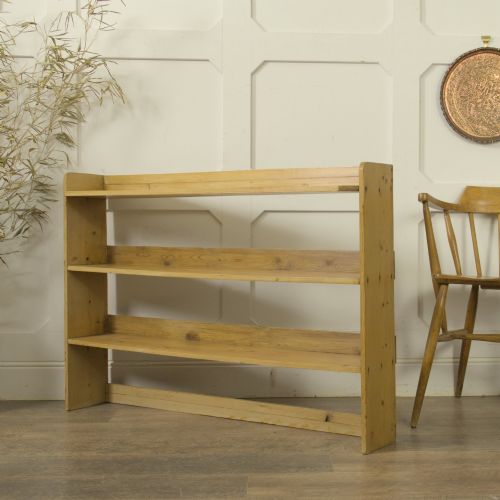
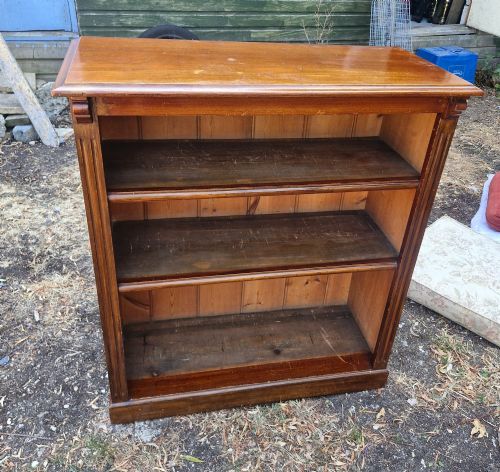
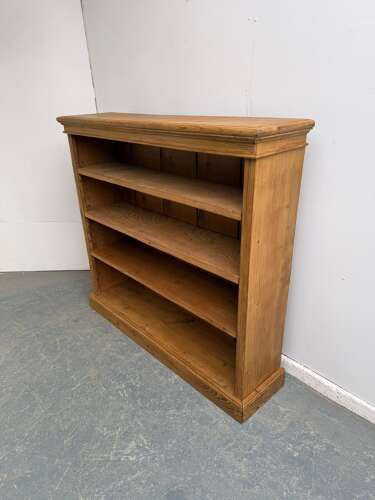
When you search for antique pine bookshelves, you encounter practical storage furniture designed to hold libraries and display volumes in homes. These pieces range from compact openfront units to taller shelved cupboards originating across the nineteenth and early twentieth centuries.
Makers constructed these sturdy timber shelves primarily for domestic utility rather than grand formal display. Their enduring appeal lies in straightforward proportions and accessible shelving that fits modern and traditional interiors alike.
How they were made
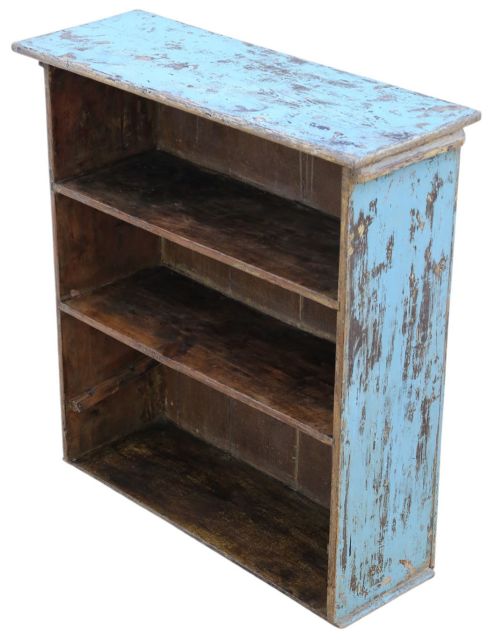
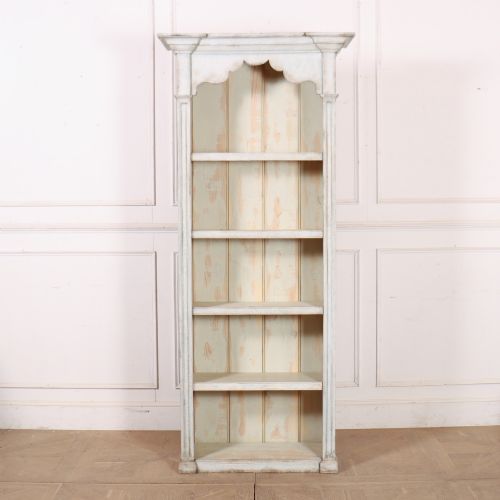
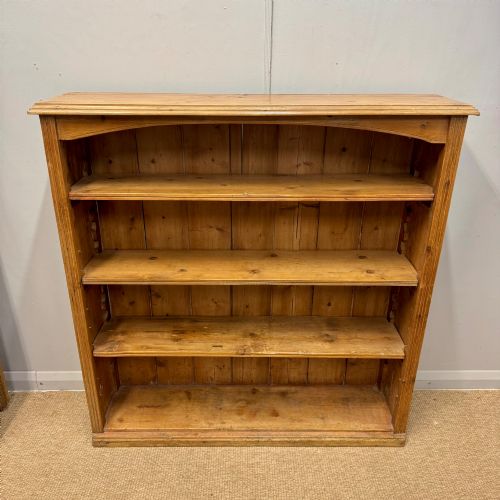
Construction relies primarily on solid pine and deal wood, often left with a waxed finish to highlight the natural grain of the timber. Some pieces feature applied paint surfaces, ranging from distressed blue finishes to traditional French painted schemes.
Cabinetmakers incorporated functional hardware such as brass fittings and adjustable shelf mechanisms to allow practical customisation of interior heights. Joinery typically prioritises robust utility, utilising thick pine planks and open front frames suited to heavy book collections.
A distressed blue paint finish reminds us that Victorian cooks and housekeepers were not afraid to brighten utility furniture with a splash of colour.
What varies in quality
Quality in these timber bookshelves rests on the integrity of the original construction and the character of the wood surface. Better examples retain honest patination, well-proportioned cornices, and original backboards rather than later replacements.
The presence of functional working adjustments, such as original rack-and-pinion shelf supports or steady adjustable wooden brackets, elevates a piece above simpler fixed-shelf variants.
The Antique Pine Bookshelves Glossary
- Deal wood
- A common nineteenth-century term for fir or pine timber used extensively in cabinetmaking and joinery. It provided a stable, workable surface for everyday household furniture.
- Adjustable bookcase
- A shelving unit equipped with mechanisms that allow shelves to be moved to different heights. This feature accommodated books of varying sizes within domestic libraries.
- Open front bookcase
- A storage piece without glass doors or solid cabinet doors enclosing the main shelving area. It provided immediate access to volumes kept in daily use.
- Waxed finish
- A traditional surface treatment rubbed into the bare timber to nourish the wood and produce a soft sheen. It protects the pine while allowing the natural grain to show.
- Gustavian
- A Swedish neoclassical style originating in the late eighteenth century characterised by pale painted finishes and restrained classical detailing. Pieces often feature light colour palettes and graceful proportions.
Antique Pine Bookshelves: Frequently Asked Questions
Are antique pine bookshelves sturdy enough for heavy books?
Solid timber construction makes these bookshelves robust and well-suited for supporting large quantities of heavy volumes.
Thick pine planks and sturdy uprights prevent sagging over time, though checking shelf thickness helps when storing large folio editions.
How do I identify a Victorian pine bookcase?
Victorian examples often feature characteristic timber patination, straightforward bracket feet, and occasionally adjustable wooden shelving strips.
Construction details typically include hand-cut joints and heavier deal wood framing common to the nineteenth century.
What is deal wood furniture?
Deal wood refers to pine or fir timber widely utilised by cabinetmakers during the nineteenth century for practical household items.
It offered a reliable and durable medium that accepted paint or wax finishes easily.
Can I adjust the shelves?
Many nineteenth-century examples include functional adjustable shelf mechanisms, utilising wooden brackets or rack strips.
Fixed-shelf variants also appear frequently among simpler rustic country pieces.
How should I care for a waxed pine bookshelf?
Maintaining the timber requires occasional applications of traditional beeswax to nourish the wood and preserve the surface sheen.
Keep the piece away from direct heat sources and strong sunlight to prevent drying and splitting of the pine.