


Late Victorian Oil Artwork
Late victorian oil artwork brings together rich pigments and period scenes, offering collectors a direct link to nineteenth-century artistic traditions through surviving canvas and wood panels.
Late Victorian Oil Artwork
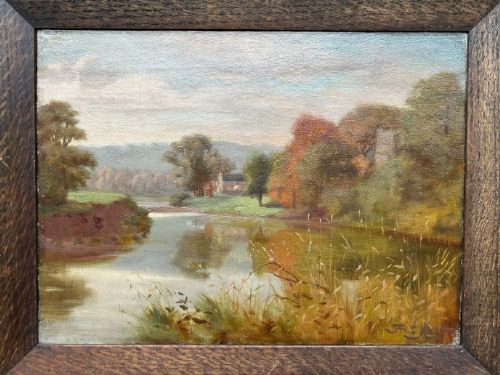
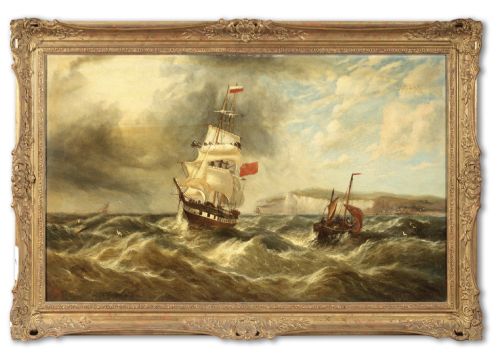
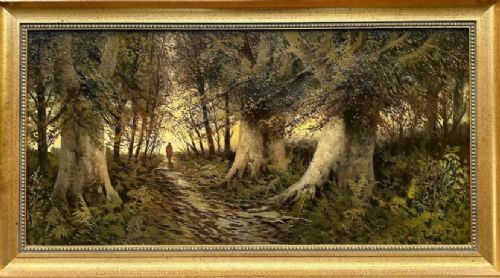
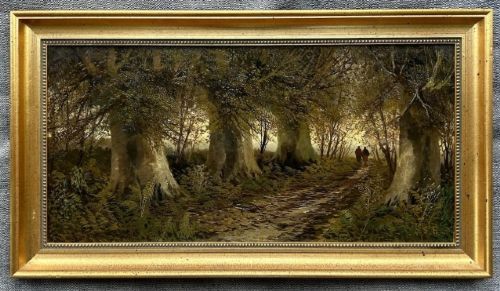
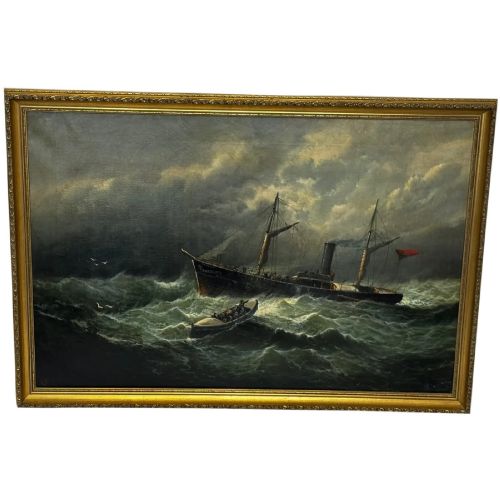
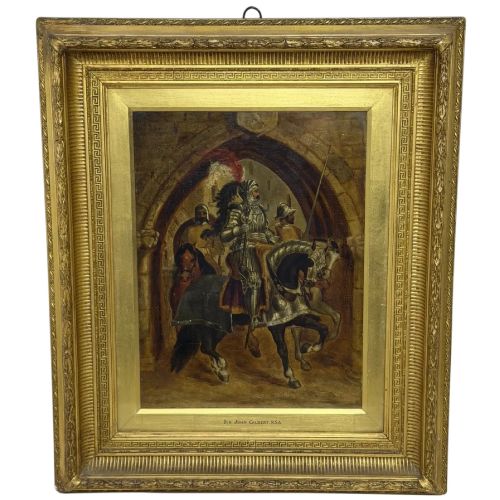
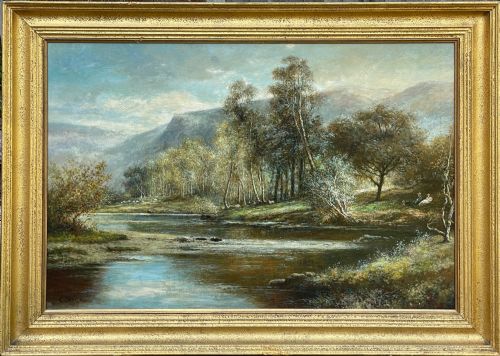
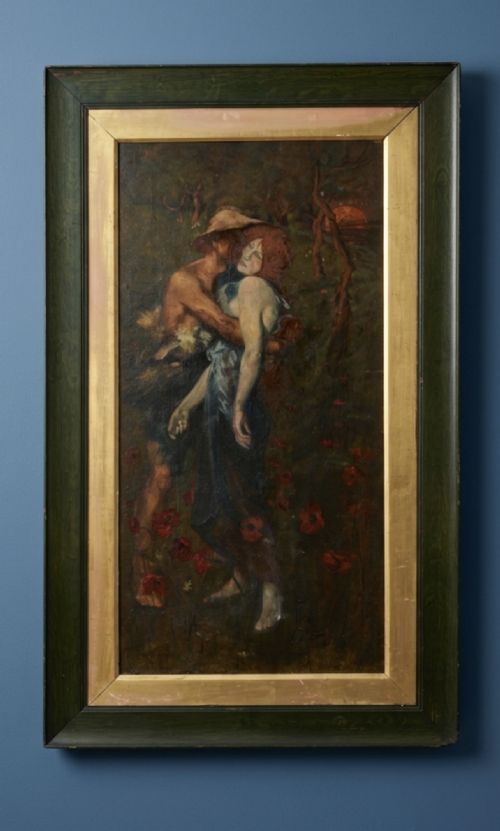
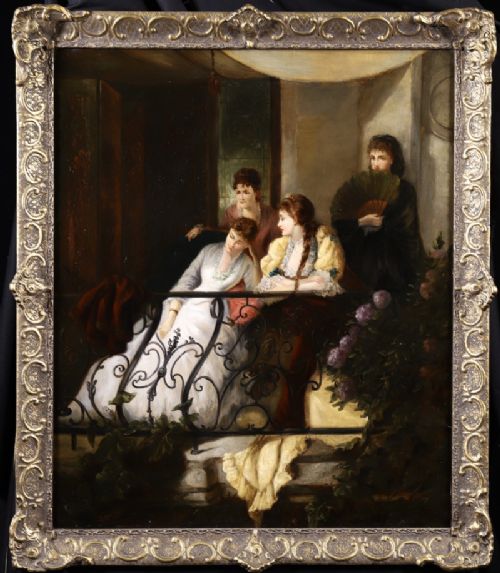
Late victorian oil artwork encompasses paintings produced during the final decades of the nineteenth century, capturing a wide range of subjects from rural landscapes to intimate portraits. Buyers seeking late victorian oil artwork will frequently encounter depictions of British countryside scenes, maritime views, and figurative studies.
The pieces on this page reflect movements such as Victorian Realism and Victorian Naturalism alongside folk art and impressionist examples. Works range from signed canvases by known painters to unsigned panels originating from the British School.
Materials and Construction
Artists of this era applied oil paint primarily onto prepared canvas, wood panels, or card surfaces. Canvas supports often received a gesso layer to prepare the ground before pigment application.
Framing typically involved wood finished with gilt ornamentation to complement the composition. The physical components reflect standard studio practices of the late nineteenth century.
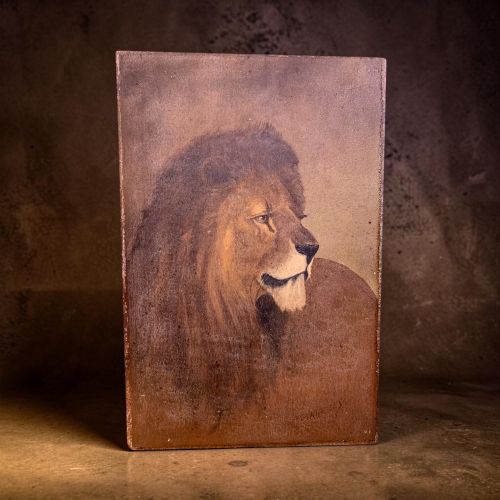
Cats do not appear in the written titles here, but a lion and a horse named Balmoral hold their own among the human portraits.
Assessing Quality and Execution
Quality in these paintings rests upon the artist's handling of light, brushwork confidence, and composition balance. Superior works demonstrate depth through layered pigments and controlled tonal gradations.
The preservation of the paint surface and the integrity of the original support influence the overall standard of each piece. Finer examples maintain crisp detail in focal areas such as figures and maritime rigging.
Frederick Marriott·John Rose Miles·Thomas W Lascelles·William Broome·Sir John Gilbert·William George Tennick·Arthur Herbert Rigg·Thomas Bromley Blacklock·Robert John Hammond·C E Howson·William Manners·William Joseph Carroll·John Syer junior·Frederick William Jackson·William Greaves·Eva Hollyer·Harold Arthur Burke
The Late Victorian Oil Artwork Glossary
- Canvas
- A heavy woven fabric stretched across a wooden frame to serve as a painting support. It provides a flexible yet durable base for oil pigments.
- Gesso
- A plaster mixture applied to canvas or wood to create a smooth, absorbent surface for painting. This preparation seals the support and improves paint adhesion.
- Gilt
- A thin layer of gold leaf applied to wooden frames for decoration. It enhances the visual presentation of the artwork.
- Oil Paint
- Pigment mixed with drying oil such as linseed, allowing for slow blending and rich colour depth. It forms the primary medium for these nineteenth-century works.
- Panel
- A flat piece of wood used as a rigid painting support. Wooden panels were frequently utilised by artists for smaller scale compositions.
Late Victorian Oil Artwork: Frequently Asked Questions
How do I identify late Victorian oil artwork?
Examination of the subject matter, costume details, and framing style often points toward the late nineteenth century. Signatures and dates found on the canvas or reverse provide further confirmation.
Comparison with documented works from the same period helps contextualise unsigned pieces.
What subjects are common in these paintings?
Landscapes, maritime scenes, and portraits dominate the output of this era. Artists frequently recorded rural life, coastal shipping, and domestic interiors.
Such themes reflect the artistic preferences and societal interests of the late nineteenth century.
Are these paintings usually framed?
Many examples retain their period frames, often featuring wood construction with gilt decoration. These housings are integral to the presentation of nineteenth-century canvases.
Original frames contribute to the historical character of the artwork.
How should I care for an oil painting?
Keep paintings away from direct sunlight and extreme fluctuations in temperature or humidity. Dust the surface gently with a soft, dry brush without applying pressure.
Avoid using liquid cleaners on the paint layer.