

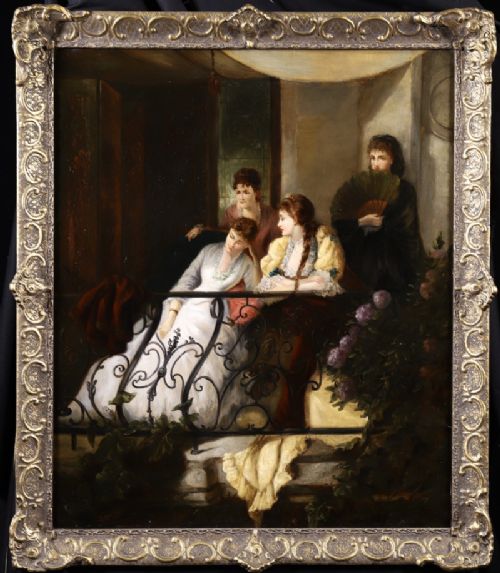


Late Victorian Classical Art
Late victorian classical art brings together figures, mythological subjects and intimate portraits shaped by nineteenth-century revivalism.
Late Victorian Classical Art
When you search for late victorian classical art, you encounter a mix of paintings, sculptures, bronzes and mixed media works rooted in nineteenth-century academic and revivalist traditions. The selection spans oil paintings on canvas and panel, cast metal and bronze figures, ceramic tiles and framed prints.
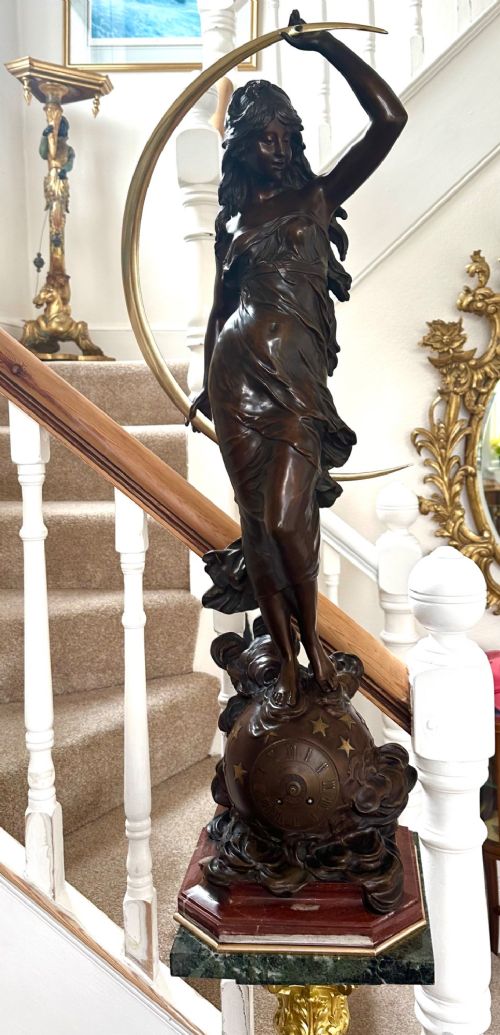
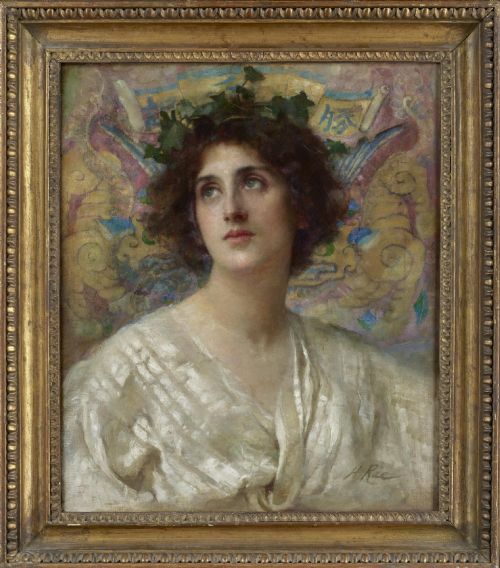
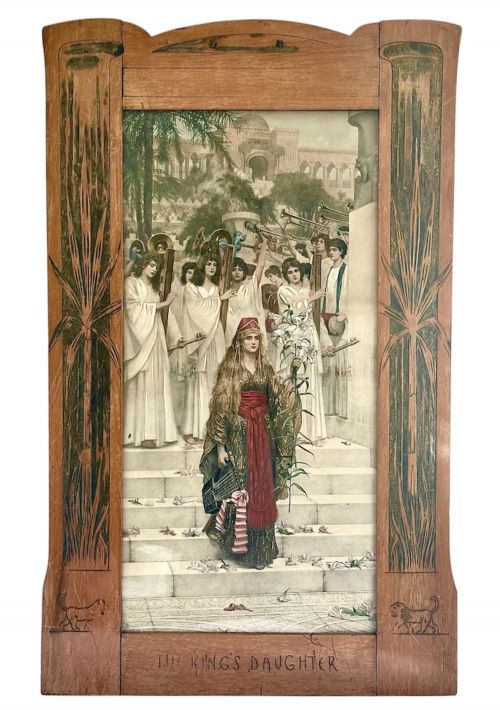
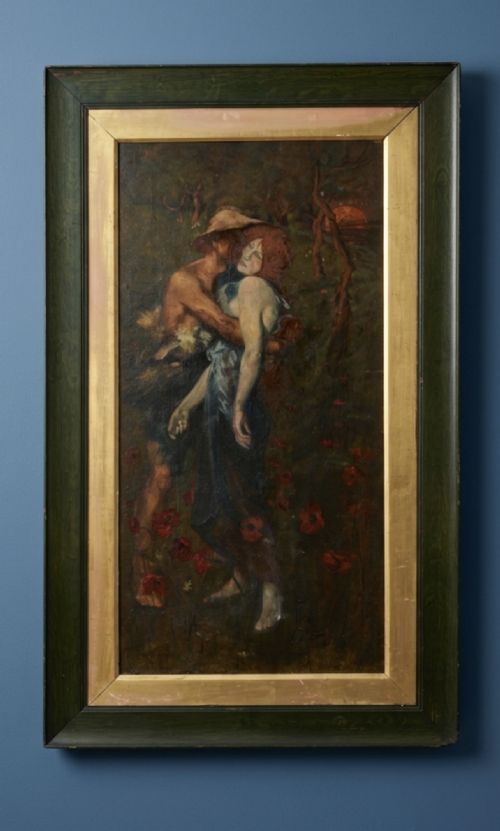
The objects most frequently met on this page range from mythological bronze figures and classical portrait paintings to theatrical oils and framed photogravures. These pieces reflect the period's fascination with classical forms, allegory and intimate human subjects.
How they were made
Sculptural pieces rely on traditional casting techniques in bronze, spelter and marble, often capturing fine anatomical detail in figures and busts. Painters utilised oil on canvas or panel, complemented by watercolour and mixed media on paper.
Support materials include gilt wood frames and ceramic tiles, while reproductive prints utilise photogravure techniques to capture the nuance of original works from the period.
Materials represented across the selections include bronze, spelter, marble, wood, glass, paper and oil on canvas.
What varies in quality
In paintings and works on paper, execution is judged by the sensitivity of brushwork, the preservation of the pigment and the harmony of the composition. Original oils and watercolours show distinct individual handwork compared to later photographic reproductions.
August Moreau·Henrietta Rae·Herbert Gustave Schmaltz·Sir Thomas Brock·Carl Kauba
The Late Victorian Classical Art Glossary
- Spelter
- A zinc alloy commonly used as a substitute for bronze in decorative figures and statues. It is often painted or electroplated to resemble more costly metal.
- Photogravure
- An intaglio printing process that produces photographic images with continuous tones. It allows for rich tonal gradations when reproducing fine art paintings.
- Neoclassical
- A style inspired by the classical art and culture of ancient Greece and Rome. It emphasises proportion, restraint and mythological or historical subjects.
- Intaglio
- A design incised or engraved into a hard material such as stone or shell. Cameo intaglios present raised or sunken profiles often collected in grand tour sets.
- Oil on panel
- A painting executed on a flat wooden board rather than stretched canvas. This technique provides a rigid support prized by artists for fine detail work.
Late Victorian Classical Art: Frequently Asked Questions
What defines late victorian classical art?
These pieces include bronze sculptures, oil paintings and decorative objects that draw on classical mythology, portraiture and academic traditions of the nineteenth century.
They reflect an era when artists and makers reinterpreted ancient forms through contemporary nineteenth-century techniques and materials.
How were bronze figures made in this period?
Sculptors modelled their subjects in clay or wax before casting them in bronze or spelter using traditional foundry methods.
After casting, artisans chased and finished the metal surfaces by hand, sometimes mounting the finished figures on marble bases.
Where should I display these artworks?
Paintings and framed prints suit principal reception rooms or studies where wall space allows proper lighting away from direct sunlight.
Bronzes and marble sculptures sit well on side tables, desks or pedestals where their three-dimensional forms can be viewed from multiple angles.
How do I care for bronze sculptures?
Dust the metal surfaces gently with a soft dry cloth and avoid using chemical cleaners or abrasive polishes.
Maintain a stable indoor humidity to protect any attached marble bases and preserve the original patina of the metal.
What is a grand tour collection?
A grand tour collection comprises small portable artworks, such as carved intaglios or cameos, gathered by travellers during European educational journeys.
These sets were typically housed in custom cases and served as educational souvenirs of classical antiquity.