

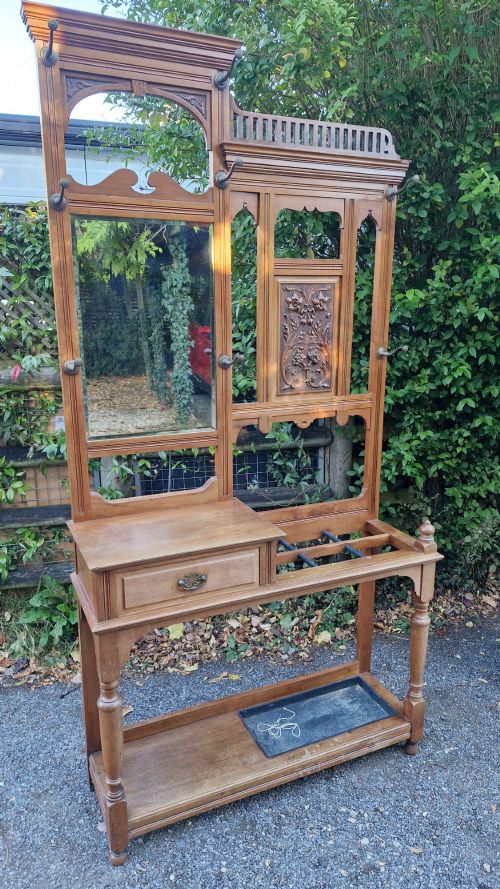
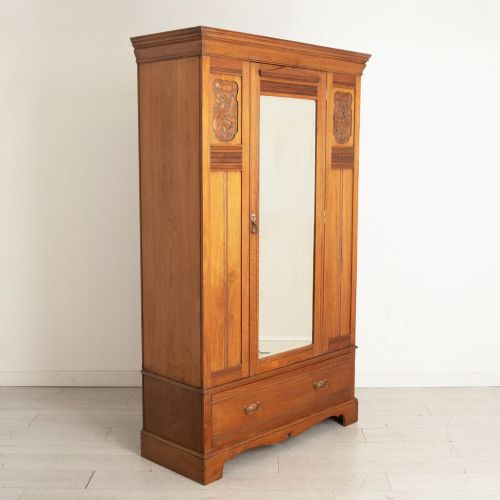
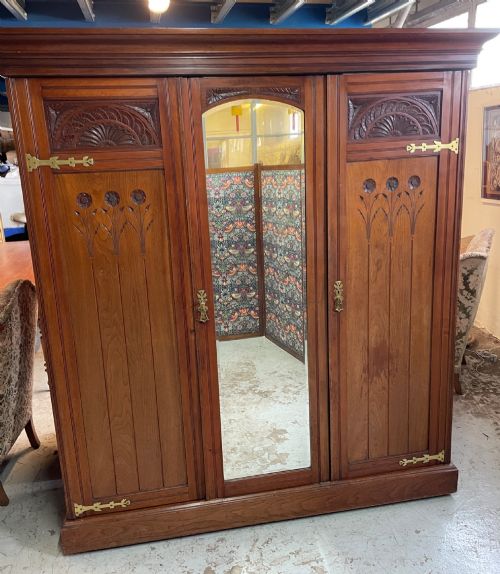
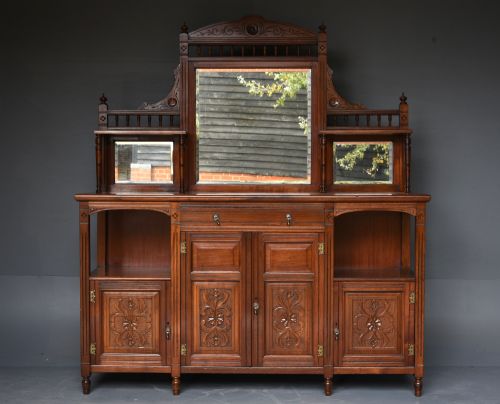
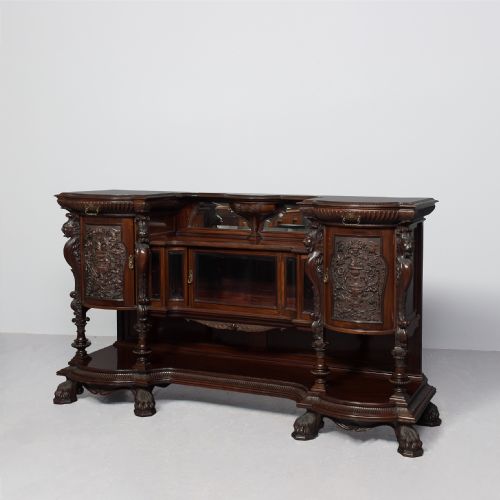
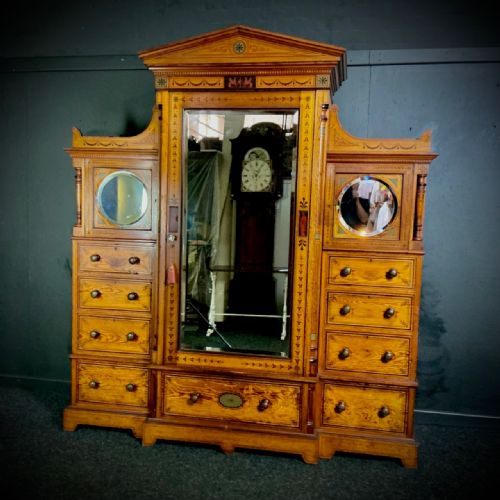
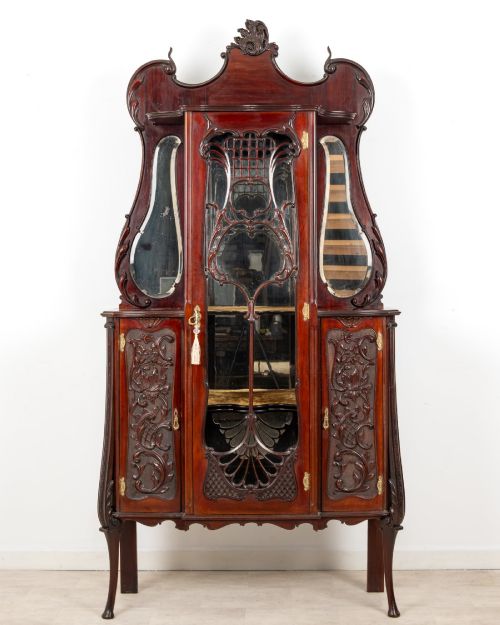
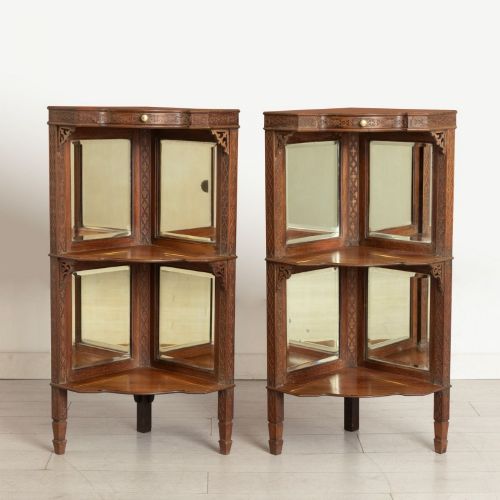
Late Victorian Carved Mirror
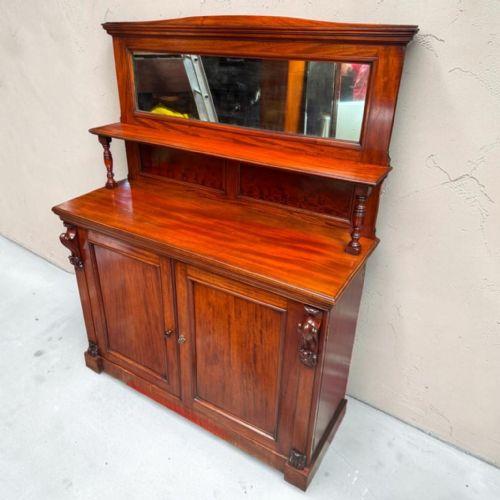
A late victorian carved mirror brings rich historic timber and deep decorative moulding into a room.
Late Victorian Carved Mirror
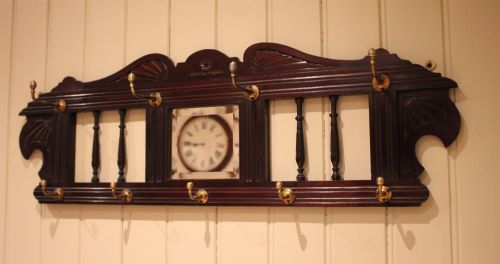
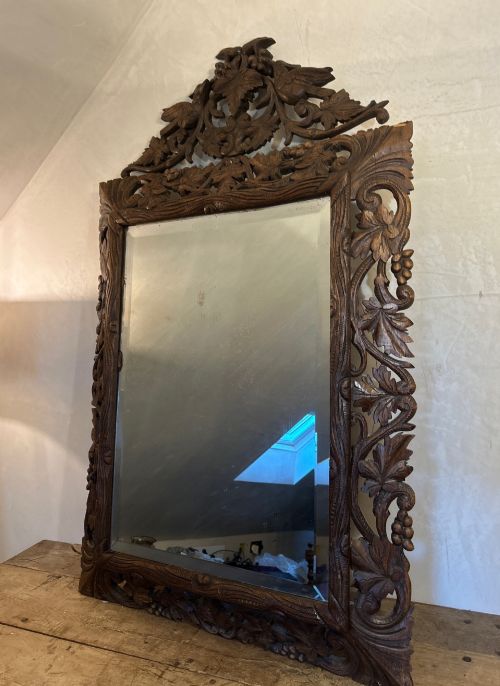
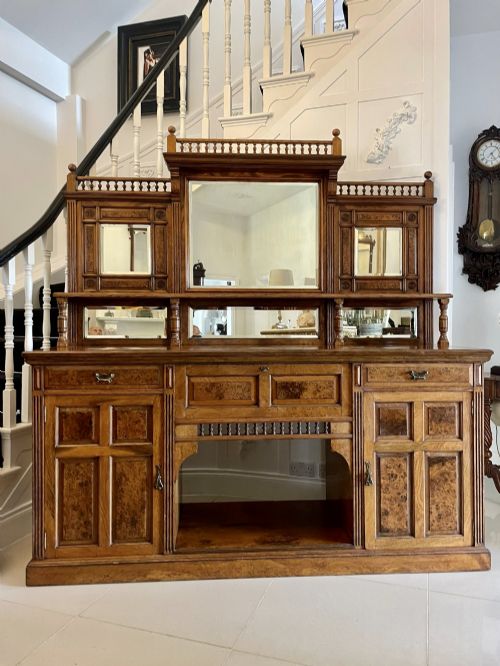
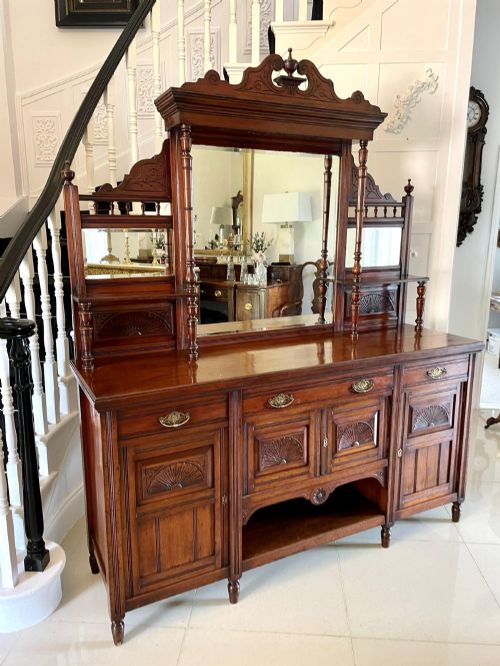
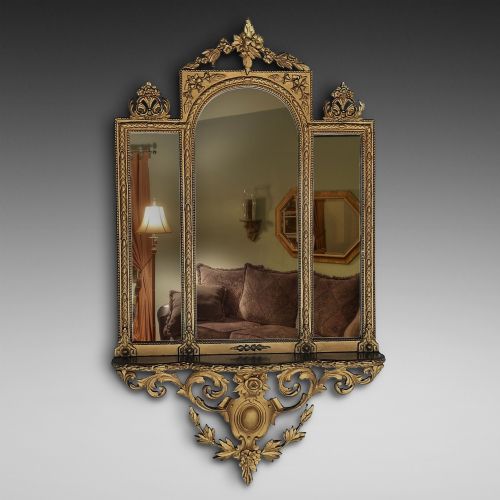
When you search for a late victorian carved mirror, you find wall-hung and architectural pieces dating from the final decades of the nineteenth century. These objects reflect the revival styles popular during the Victorian era, including Rococo Revival and French influences.
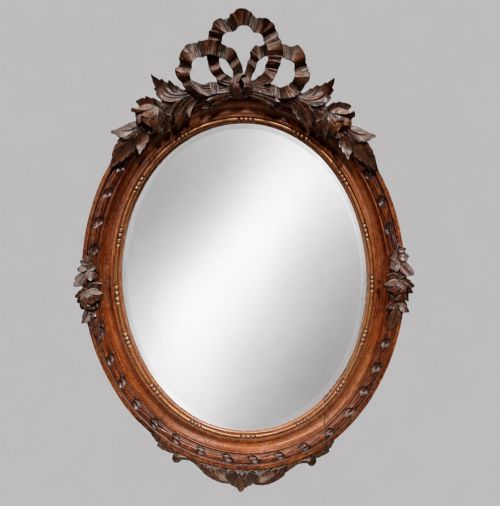
The version you are most likely to meet on this page is a wall mirror fashioned from oak, mahogany, or giltwood. Many incorporate bevelled glass plates within elaborately carved wooden frames.
What varies in quality
The crispness and depth of the hand carving separate simpler items from more ambitious productions. Skilled carvers achieved fluid lines and undercut foliage that catch the light.
The retention of original gilding and the condition of the mirror plate itself determine the integrity of the piece. Heavy losses to gesso or replaced glass alter the historic character.
Late Victorian Carved Mirror Retail Price Guide 2026
Typical asking prices for late victorian carved mirror among the pieces listed under this phrase on Sellingantiques today, from the lower quarter to the upper quarter. They describe what is for sale here now, not the wider market.
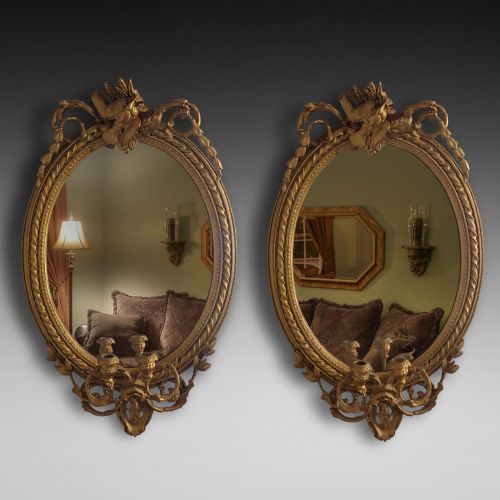
Some mirrors come with attached candle sconces, ready to double the illumination of a dim Victorian parlour.
Edwards & Roberts
The Late Victorian Carved Mirror Glossary
- Giltwood
- Wood that has been coated with gold leaf or gold paint. This finish appears frequently on elaborate wall mirrors and girandoles.
- Gesso
- A plaster-like mixture applied to wood frames to create a smooth surface for gilding. It allows for crisp moulded ornamentation.
- Girandole
- A branched wall mirror designed to hold candles. The reflective glass amplifies the candlelight within a room.
- Overmantle
- A large mirror designed to hang above a fireplace mantelpiece. These pieces often feature wide timber or gilt frames suited to principal reception rooms.
Late Victorian Carved Mirror: Frequently Asked Questions
Where should I hang a large wall mirror?
These mirrors suit principal reception rooms, hallways, or above a fireplace mantelpiece where they reflect light and anchor the scale of the interior.
Ensure the wall construction supports the weight of heavy timber and glass frames securely.
How do I clean the original glass plate?
Use a soft cloth and a gentle glass cleaner applied sparingly to avoid seeping behind the edges of the antique frame.
Protect the surrounding wood or gilt surface from moisture during cleaning.
Are the mirror plates original?
Many retain their original silvered glass, which often displays minor foxing and age spots characteristic of nineteenth-century manufacture.
Replacements occur when earlier plates suffered breakage or severe degradation over time.
How do I identify the period?
Look for construction traits typical of the late nineteenth century, including timber selection, backboards, and fastener types.
Stylistic cues such as Rococo revival motifs or Aesthetic movement details also help date the work.