




Late Georgian Cupboard
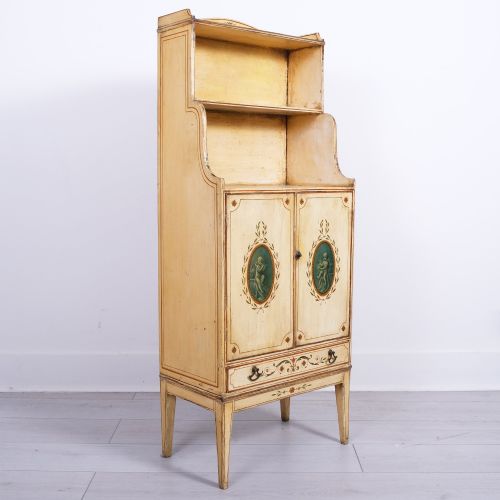
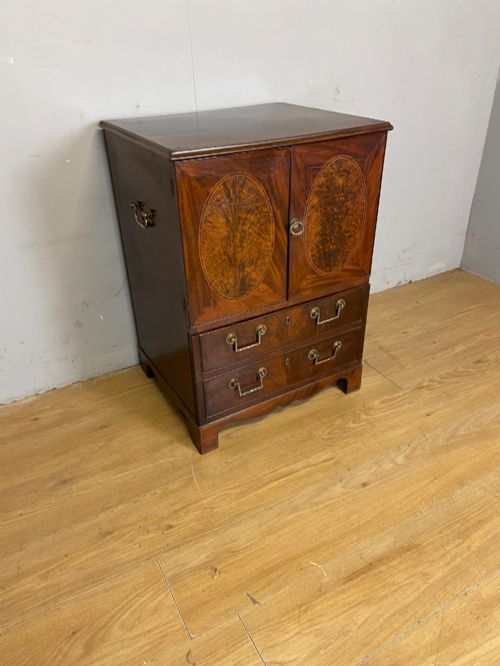
A late georgian cupboard delivers practical storage disguised in the rich, dark timber tones and restrained proportions characteristic of the turn of the nineteenth century.
Late Georgian Cupboard
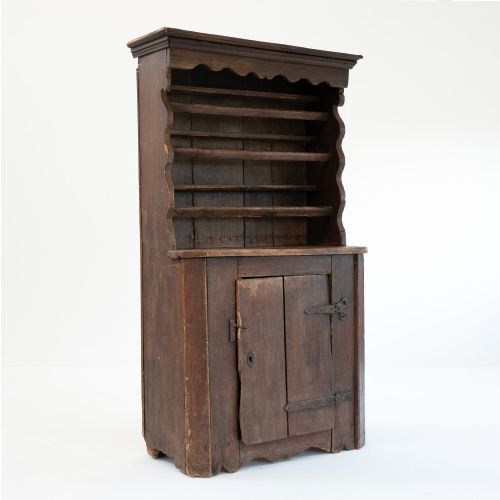
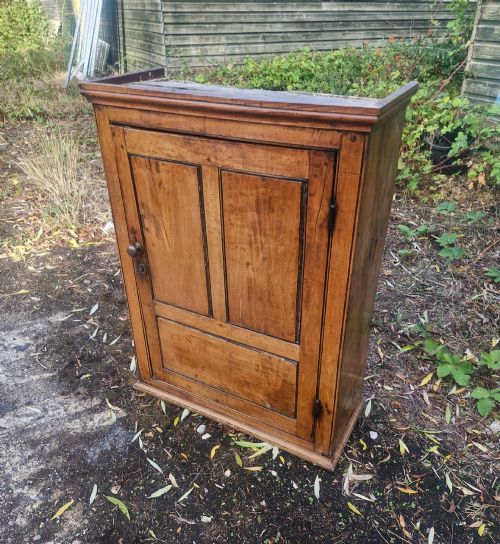
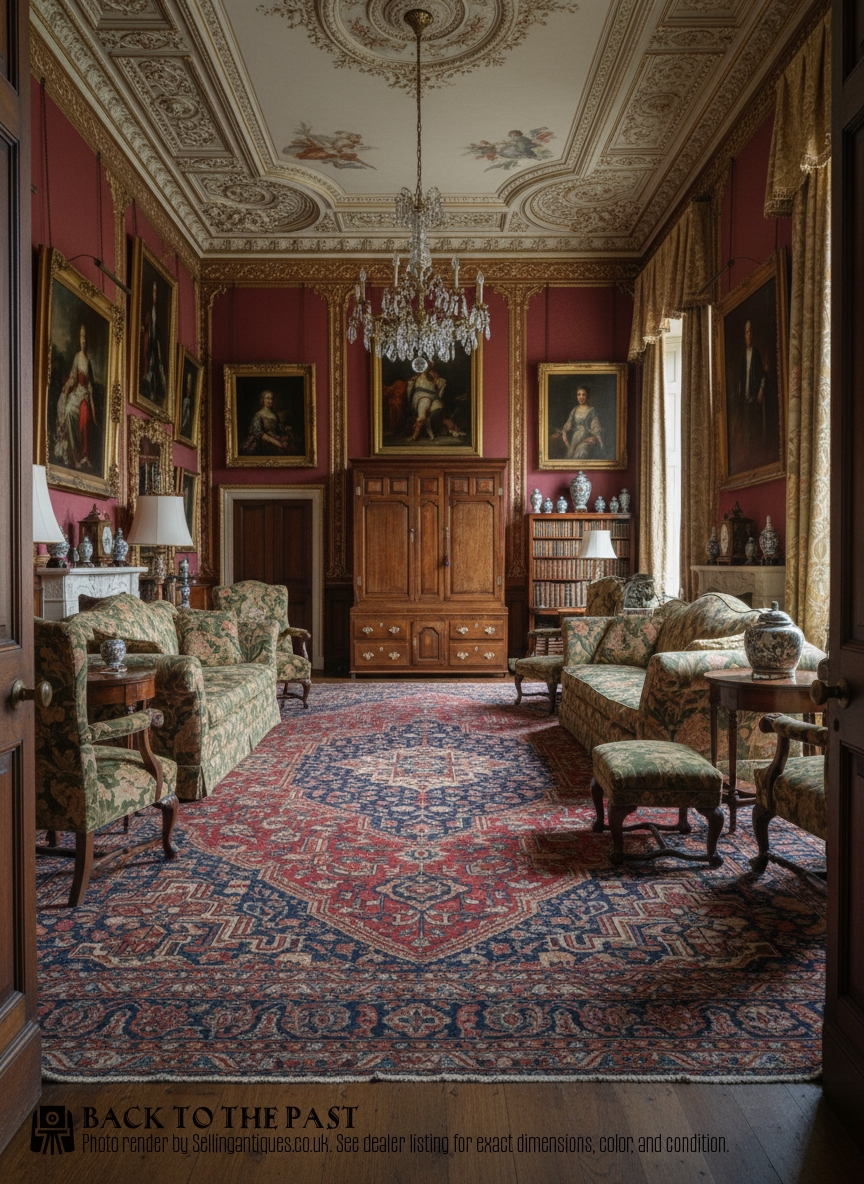
A late georgian cupboard encompasses a diverse group of storage furniture spanning corner cabinets, wall units, tall press cupboards, and bedside tables created around the turn of the nineteenth century. Buyers searching this phrase meet everything from compact hanging corner units designed to utilise tight domestic spaces to large two-part oak housekeepers cupboards built for country kitchens.
The materials and styles reflect both polished urban craftsmanship and robust regional traditions, with mahogany dominating refined formal pieces while oak and painted pine serve utilitarian domestic roles. Many examples bridge the late eighteenth and early nineteenth centuries, displaying architectural cornices, panelled doors, and occasional inlaid details.
The selection ranges from tall wardrobes and linen presses down to small bedside commodes and washstands. Regional variations, such as West Country pine or Channel Island mahogany work, appear frequently alongside standard George III layouts.
How They Were Made
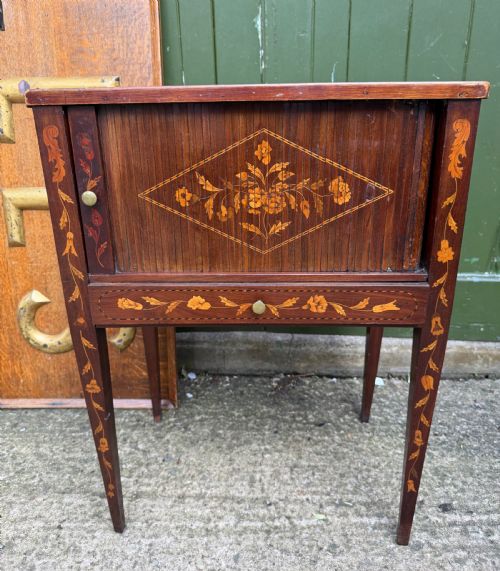
Makers constructed these pieces primarily using solid mahogany, oak, and pine timbers, often selecting figured flame mahogany or burl elm for formal façades. Workshops applied decorative techniques such as marquetry inlay, crossbanding in contrasting woods, and applied mouldings to elevate plain surfaces.
Estate cabinets sometimes retain their original gilded lettering, preserving the exact bureaucratic filing system of a Georgian office.
What Varies in Quality
Quality rests on the selection of timber and the precision of the joinery rather than mere scale or ornamentation. Master makers chose highly figured veneers and arranged crossbanding with deliberate symmetry, whereas utilitarian country pieces relied on honest, sturdy construction using thick local oak or pine.
Proportion and architectural detailing dictate the standing of a piece, separating standard utility furniture from sophisticated examples with swan-neck pediments or delicate satinwood inlay. The survival of original brass hardware, glass panes, and backboards also influences the integrity of the cabinet.
The Late Georgian Cupboard Glossary
- Crossbanding
- A border technique where thin strips of veneer are laid perpendicular to the grain of the central panel, creating a framed effect. It is common on formal mahogany cabinets.
- Press cupboard
- A large storage item featuring upper shelving or hanging space enclosed by doors above a lower section of drawers. These formed the primary wardrobe storage of the period.
- Marquetry inlay
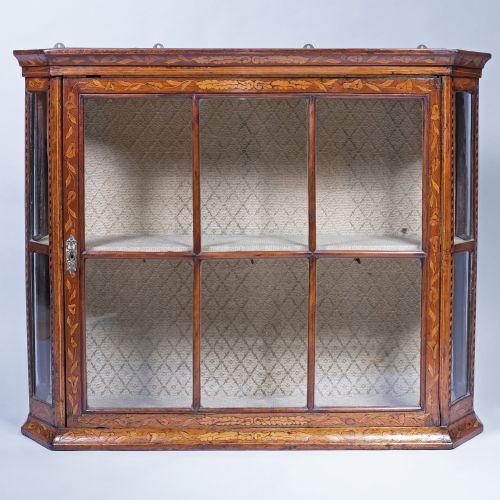
- The art of forming decorative patterns using fitted pieces of various coloured woods and natural materials. Dutch examples often display intricate floral motifs.
- Corner cabinet
- A triangular storage unit designed to fit neatly into room angles, built either to hang on walls or stand independently on the floor.
- Astragal glazed
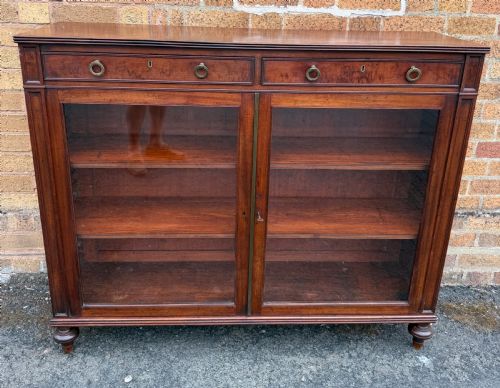
- A window or cabinet door divided into smaller panes held together by slender wooden glazing bars. This treatment lightens the appearance of heavy bookcases.
Late Georgian Cupboard: Frequently Asked Questions
Where did these cupboards go in a house?
Smaller hanging models suited parlours and bedrooms where floor space remained at a premium, while massive oak housekeepers cupboards anchored working farmhouse kitchens.
Corner cabinets transformed dead architectural angles into functional display areas for china and glassware.
How do I distinguish oak from mahogany pieces?
Oak furniture typically originates from regional country workshops and displays a prominent, open grain pattern suited to domestic utility.
Mahogany items usually reflect urban cabinet-making traditions, offering dense, dark surfaces that take a high polish and accept fine veneer work.
Are painted finishes period correct?
Many pine cupboards and dressers received coats of paint during manufacture or shortly afterwards to protect the softwood and brighten dark interiors.
Original pigment layers add significant character, though researchers must differentiate historic paint from later decorative revivals.
What is the difference between a press and a wardrobe?
A press cupboard traditionally incorporates sliding trays or linen slides behind its upper doors rather than a modern hanging rail.
Wardrobes focus primarily on clothes hanging space, though terminology often overlaps in historic descriptions.