




Late 19th Century Tapestry
A late 19th century tapestry brings texture and history to a room, offering authentic period weave work for walls and seating.
Late 19th Century Tapestry
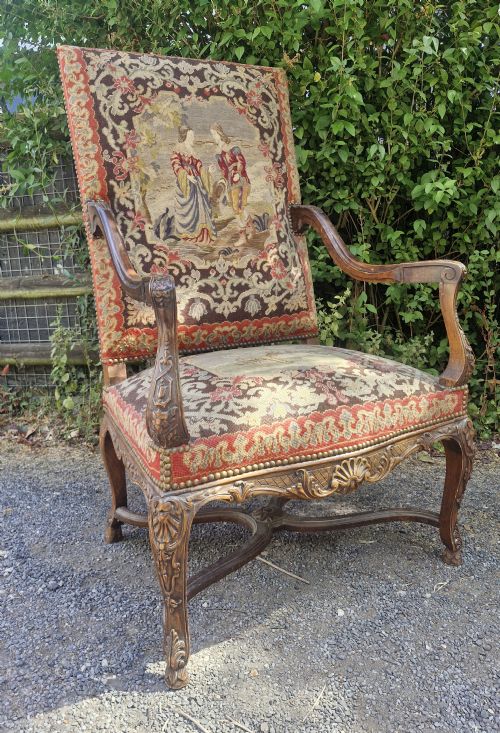
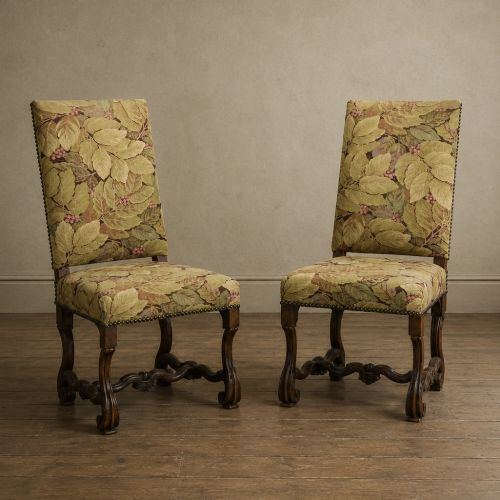
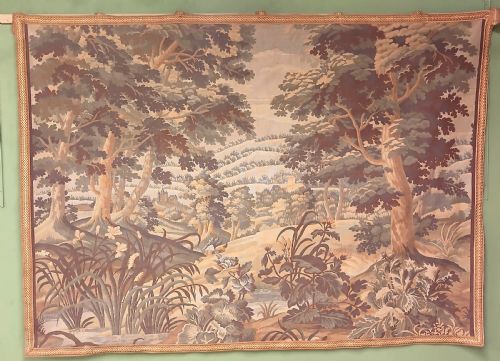
When you search for a late 19th century tapestry, you encounter wall hangings and textile panels alongside upholstered seating such as armchairs, slipper chairs, and sofas. These pieces reflect the revival styles popular during the period, spanning French Chateau, Louis XV, Louis XIV, and Renaissance revivals.
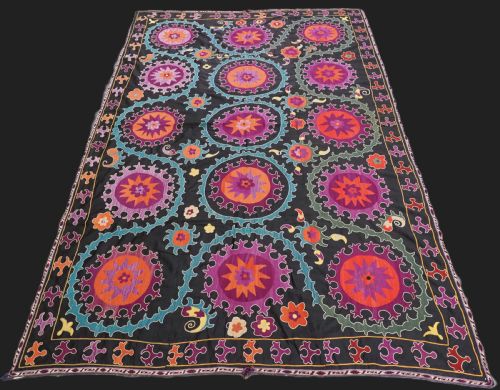
The most common formats on this page include framed needlework armchairs and decorative panels. Alongside European weaving traditions, the selection incorporates Caucasian tribal storage bags and Uzbek embroidered wall hangings.
The periods represented stretch across the Victorian era into 1900, capturing both formal European revival interiors and distinct regional textile arts. Buyers select these items to anchor a room with period character and tactile depth.
Assessing quality in textiles and frames
Quality rests upon the intricacy of the weave or embroidery and the integrity of the underlying wooden frame. Finer needlework displays tighter tension, varied colour shading, and precise execution of pictorial or geometric motifs.
The construction of the furniture matters equally, distinguishing solid walnut or carved mahogany frames from simpler painted structures. Pieces that retain their original textiles and structurally sound timber frames command greater attention from collectors.
Materials recorded across the inventory include walnut, mahogany, satinwood, wool, cotton, silk, and brass.
The Late 19th Century Tapestry Glossary
- Tapestry
- A form of textile art, traditionally woven on a vertical loom using coloured weft threads to create pictorial designs. These pieces served both decorative wall-hanging functions and durable upholstery.
- Needlework
- Hand-stitched embroidery executed on a canvas or fabric ground using wool, silk, or cotton threads. It appears frequently on Victorian armchairs and footstools.
- Mafrash
- A traditional Caucasian or Shahsavan woven storage bag panel, often featuring distinctive tribal geometric designs. Collectors prize these for their saturated natural dyes and storytelling motifs.
- Suzani
- A type of embroidered tribal textile originating from Central Asia, typically worked in silk on a cotton ground with floral patterns. They were traditionally created as part of a dowry.
- Revival style
- An architectural and decorative movement drawing inspiration from historical periods such as the Louis XIV, Louis XV, and Renaissance eras. Makers adapted these historic aesthetics for late Victorian interiors.
Late 19th Century Tapestry: Frequently Asked Questions
How do I clean a tapestry?
Surface dust can be removed gently using a soft brush or low-suction vacuum with a mesh screen guard. Avoid water or chemical cleaning agents unless handled by a professional textile conservator.
Keeping pieces away from direct sunlight protects the wool, silk, and cotton threads from fading over time.
Are these tapestries original?
The items listed originate from the late 19th century, encompassing European revival wall panels, French seating, and Central Asian tribal embroideries. Each piece reflects the manufacturing techniques and stylistic preferences of that era.
Examination of the reverse sides, thread types, and timber frames helps confirm the period origin of individual objects.
Can I use tapestry chairs daily?
Chairs upholstered in period needlework or tapestry can withstand normal use if treated with care. Heavy friction or sharp objects may damage delicate silk and wool threads over time.
Rotating seating and placing them in low-traffic areas helps preserve the historic textiles while allowing them to function in a modern interior.
What is a mafrash?
A mafrash is a heavy storage bag created by nomadic tribes in the Caucasus region, constructed using flatweave or pile techniques. These panels served practical storage purposes during travel before being adapted for display.
Collectors value surviving complete examples and panels for their bold tribal symbolism and rich dye colours.