
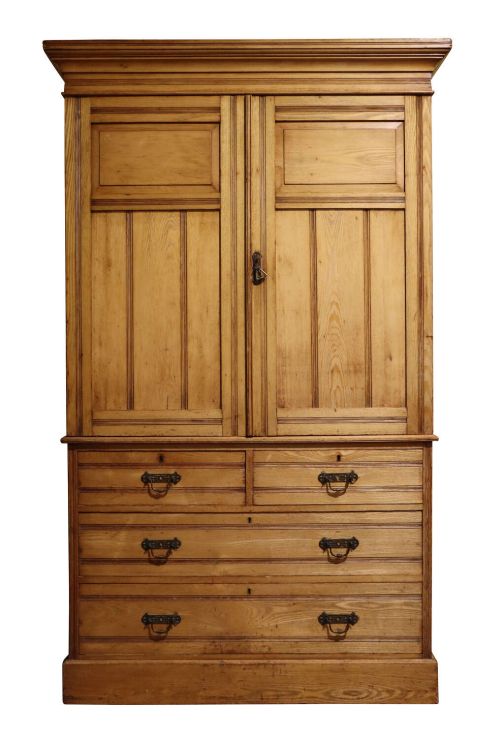
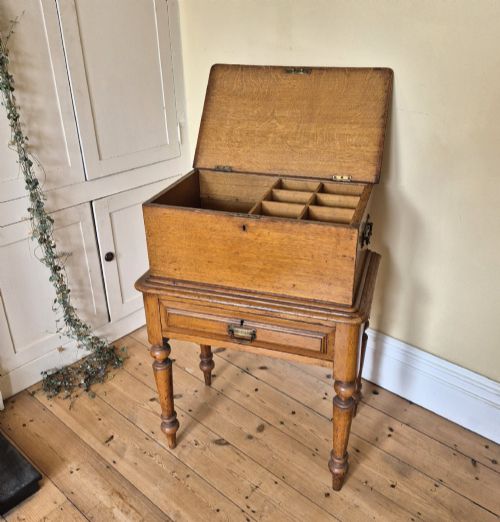
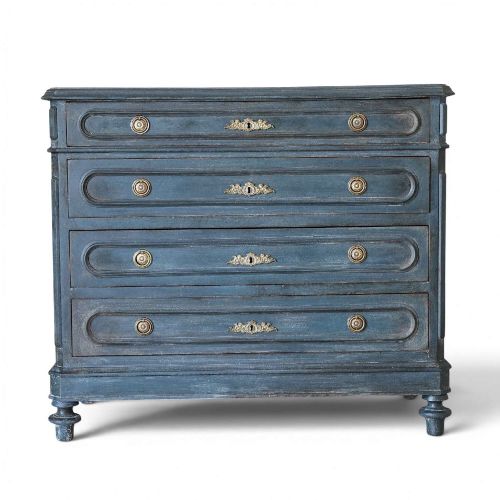
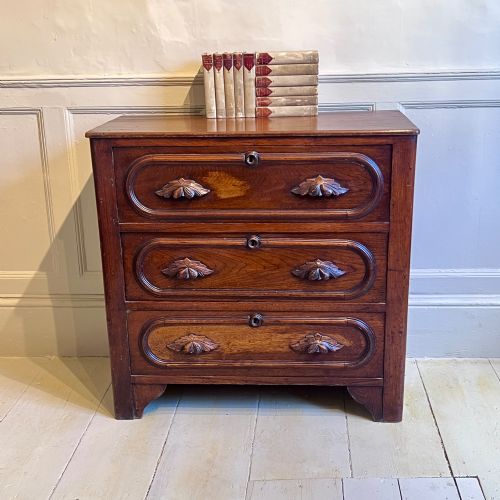

Late 19th Century Chest
A late 19th century chest brings practical storage and traditional craftsmanship into a room through solid timber construction and period detailing.
Late 19th Century Chest
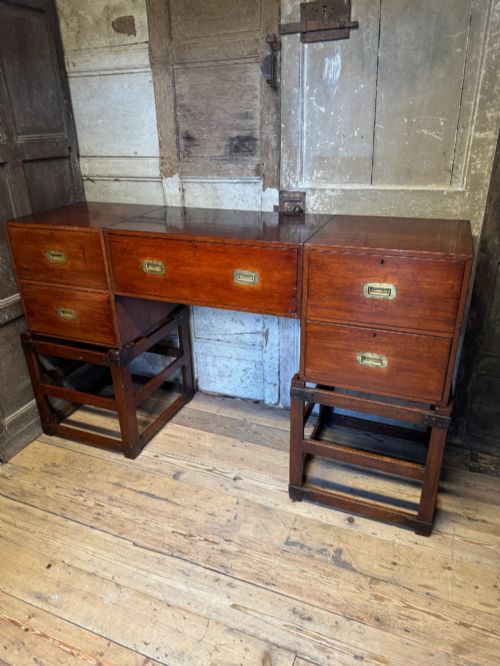
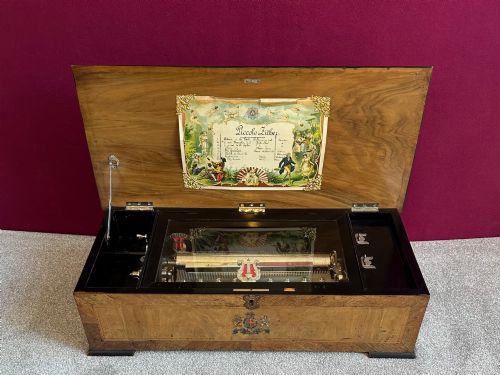
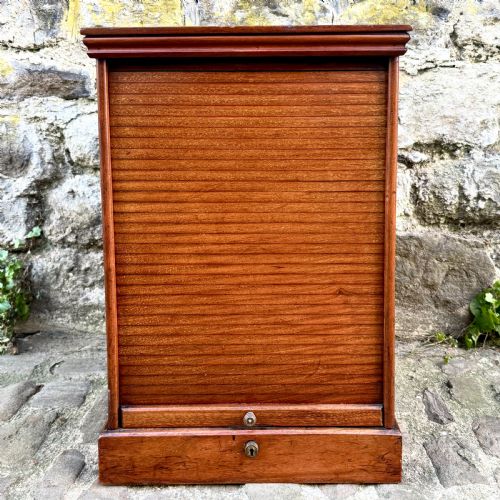
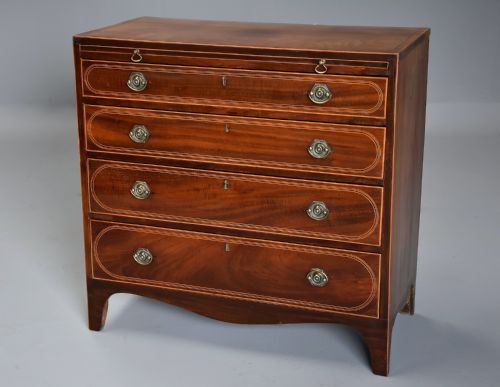
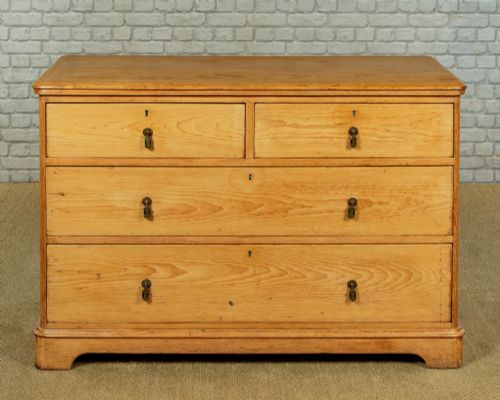
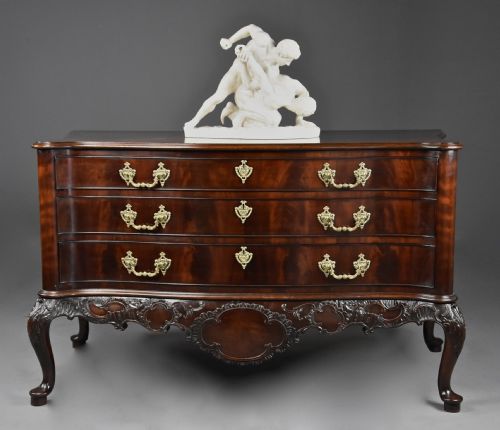
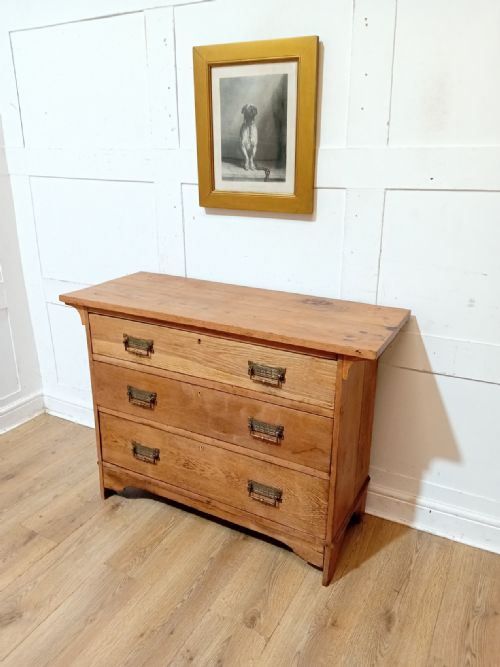
A late 19th century chest encompasses standard drawer units, tallboys, commodes, and campaign trunks produced during the Victorian era and the closing decades of the eighteen-hundreds.
Buyers seeking this phrase encounter British mahogany and walnut pieces alongside continental painted commodes, ash storage boxes, and pine domestic furniture.
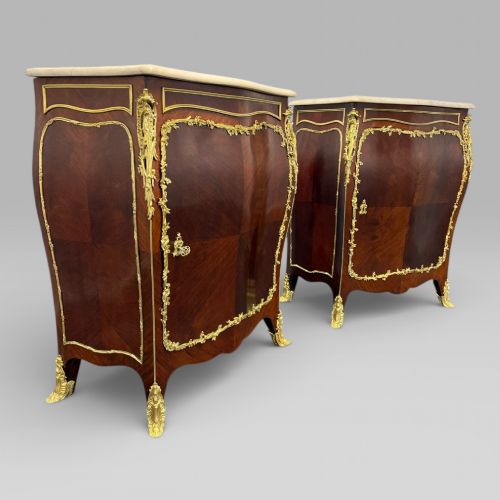
The selection ranges from vernacular country workshop pine pieces to elaborate French revival cabinets finished with marquetry and marble tops.
How They Were Made
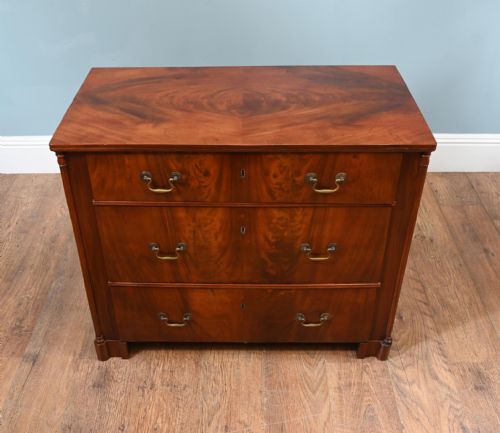
Cabinet makers utilised dense hardwoods like mahogany, walnut, and rosewood, alongside regional utility timbers such as oak, ash, and pine.
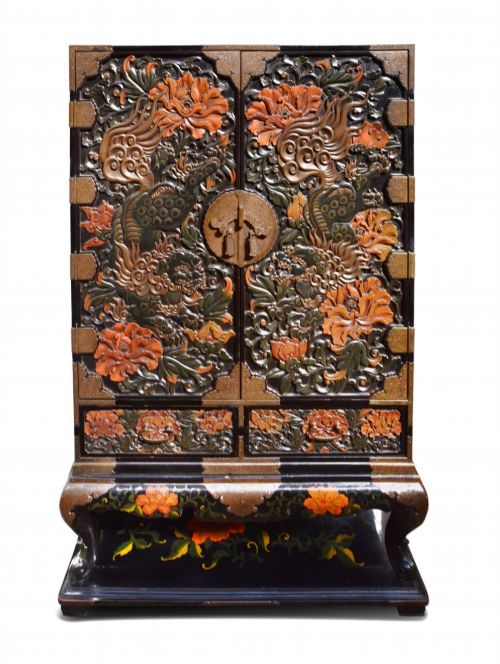
Surfaces frequently display decorative techniques including hand-cut veneer marquetry, lacquering, or painted finishes, paired with brass and iron hardware.
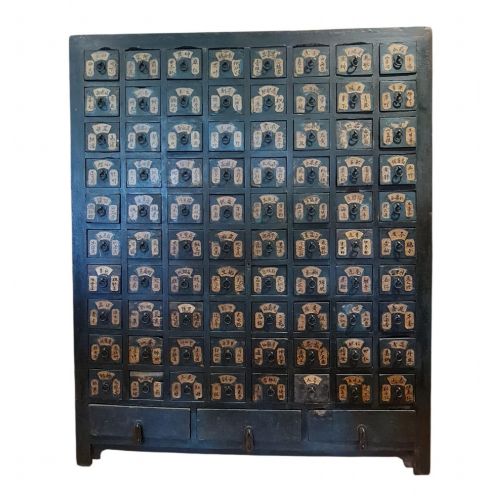
One extraordinary nineteenth-century Chinese medicine cabinet provides eighty individual small drawers for precise herbal storage.
What Varies in Quality
The grade of timber selection and the precision of the joinery dictate the standing of a piece, separating utilitarian workshop items from fine cabinet work.
Original mounts, handles, and unbroken internal drawer construction separate preserved examples from heavily restored or altered items.
Maple & Co·Druce & Co·E Kahn
The Late 19th Century Chest Glossary
- Commode
- A low decorative chest of drawers, often referencing French or continental design styles with serpentine or bombe profiles.
- Campaign chest
- A sectional storage trunk designed to separate into modular parts for military transport, typically fitted with flush brass handles.
- Marquetry
- The art of applying decorative veneer pieces in wood or other materials to form geometric or pictorial patterns on furniture surfaces.
- Cellarette
- A dedicated cabinet or box constructed for holding wine bottles and decanters securely during the late Regency and Victorian periods.
- Breakfront
- A cabinet or chest facade where the central section projects forward from the flanking outer sections.
Late 19th Century Chest: Frequently Asked Questions
What is a bombe chest?
A bombe chest displays an outward-swelling curved profile on its front and sides, requiring advanced woodworking techniques to shape the thick timber.
This dramatic continental silhouette appears frequently in late period French revival pieces.
Are these chests suitable for daily use?
Solid wood construction and traditional dovetail drawer joints make these historical storage items robust enough for regular contemporary living.
Routine care involves keeping timber away from direct heat sources to prevent shrinkage.
How do I distinguish regional timber types?
British workshops relied heavily on imported mahogany and native oak, while continental makers utilised walnut, kingwood, and tulipwood for decorative veneers.
Country pieces use simpler local softwoods like pine and ash underneath painted finishes.