


Late 19th Century Box
Late 19th century box designs encompass everything from functional domestic storage to elaborate tabletop caskets intended to organise valuables.
Late 19th Century Box
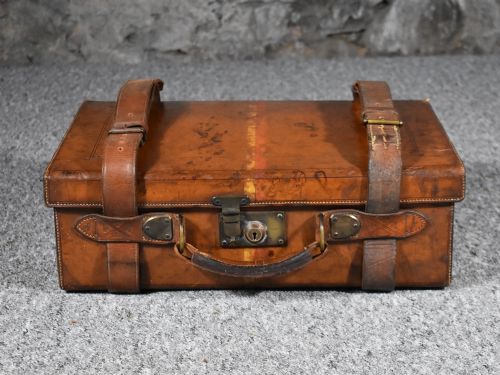
A late 19th century box serves myriad purposes across Victorian households, encompassing everything from fitted stationery caskets and jewellery boxes to larger travelling trunks and log bins. Buyers exploring this category encounter a diverse array of utilitarian and decorative objects originating from British, European and international workshops.
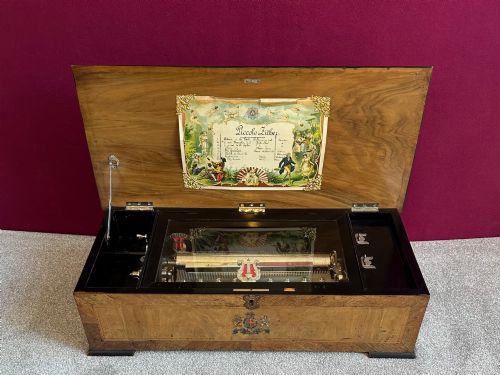
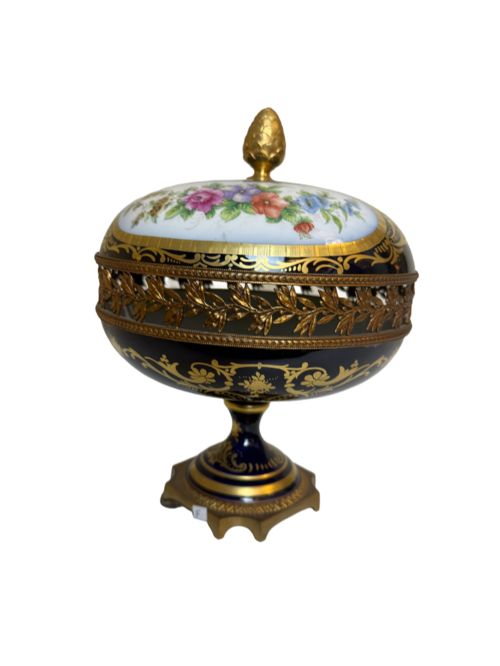
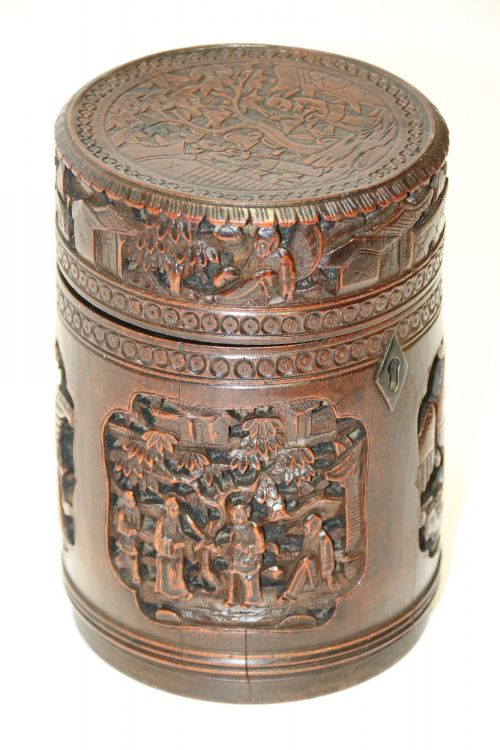
The surviving selection ranges from modest pine storage containers and bamboo tea caddies to opulent ormolu-mounted porcelain caskets and silver-plated biscuit boxes. Many examples retain internal trays, secret compartments or specialised fittings designed for specific contents such as writing slopes, sewing accessories or gaming pieces.
How They Were Made
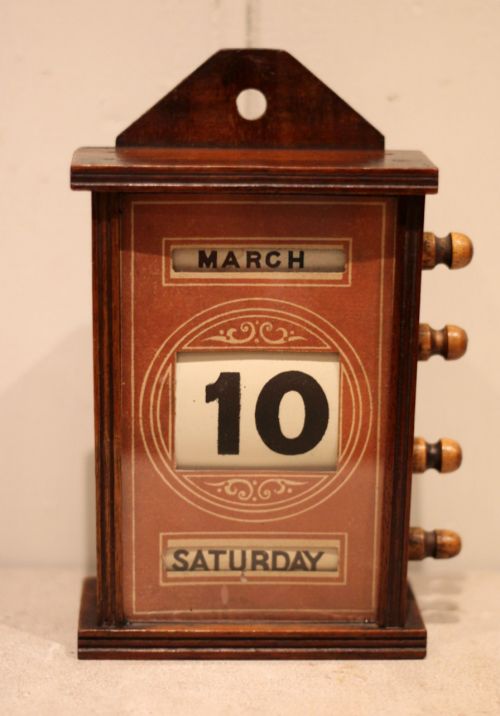
Construction relies heavily on traditional cabinet-making timbers such as mahogany, walnut and satinwood, frequently enhanced by intricate marquetry, mother-of-pearl inlay or bone details. Metalwork plays a structural and decorative role, utilising brass for hinges and locks alongside cast iron, copper and silver plate.
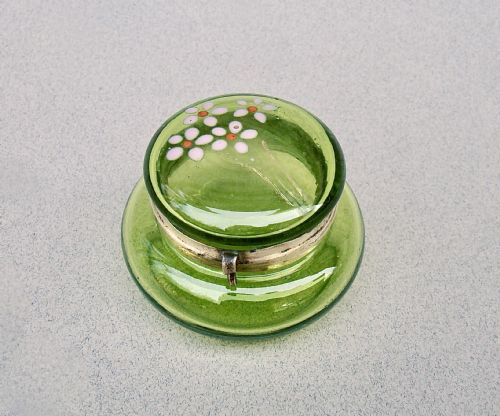
Surface decoration reflects the varied global influences of the period, incorporating hand-painted porcelain panels, Kashmiri lacquer, leather bindings and enamelled glass. Joinery techniques balance functional durability with ornamental refinement, accommodating specialised internal mechanisms for music boxes and stationery storage.
Materials span mahogany, walnut, brass, glass and leather, reflecting diverse manufacturing origins.
What Varies in Quality
Evaluation depends upon the integrity of the materials and the precision of the joinery, distinguishing utilitarian containers from bespoke salon pieces. Superior examples exhibit finely figured wood veneers, secure original locking mechanisms and well-preserved internal silk or velvet linings.
The distinction also lies in the execution of decorative elements, such as hand-painted details on porcelain panels, crispness in metal casting and the complexity of internal compartmentalisation. Pieces retaining complete original fittings or documented maker attribution command greater consideration.
James Purdey and Sons·Freemans of Norwich·William Hutton·Thomas Forester and Sons·F. H. Ayres·Gorham·Simon Rosenau·Martin Hall·Mappin and Webb
The Late 19th Century Box Glossary
- Cellarette
- A lockable container originally designed for holding bottles of wine or spirits near the dining table. They frequently feature lead linings or fitted internal partitions.
- Writing slope
- A portable desk featuring an angled writing surface that typically folds down to reveal compartments for inkwells, pens and stationery.
- Treen
- Small handmade wooden household objects created using a lathe or hand-carving tools. The term encompasses items ranging from small boxes to domestic utensils.
- Pietra dura
- A method of inlaying cut and fitted polished coloured stones to form geometric or pictorial designs. This technique appears frequently on luxury nineteenth-century tabletop caskets.
- Ormolu
- Gilding technique utilising a finely ground high-carat gold-mercury amalgam applied to a bronze base. It is commonly found mounted on decorative porcelain and wooden boxes.
Late 19th Century Box: Frequently Asked Questions
What were late 19th century boxes used for?
These containers served specific domestic and professional functions, from housing correspondence and jewellery to storing tobacco, tea or biscuits. Interiors were often partitioned precisely to accommodate designated items like writing instruments or sewing accessories.
Larger variations functioned as travelling trunks, log bins or cellar storage, reflecting the organised lifestyle characteristic of the period. Their dual nature meant they were simultaneously practical utilities and decorative ornaments for the home.
How do I identify different periods?
Distinguishing periods involves examining construction methods, wood selection and prevailing design motifs such as Aesthetic Movement geometry or French Rococo Revival curves. Earlier pieces often display heavier proportions and simpler joinery, whereas late-century examples frequently incorporate eclectic global influences and machine-assisted precision.
Hardware styles, locks and internal linings also provide reliable chronological markers. Makers' marks or registration stamps, where present, help narrow down the exact decade of manufacture.
How should I care for antique wooden boxes?
Maintain stable environmental conditions away from direct sunlight and sudden temperature fluctuations to prevent wood from warping or veneers from lifting. Regular dusting with a soft, dry cloth preserves the finish without requiring aggressive cleaning.
Feed dry wood surfaces occasionally with appropriate conservation-grade wax rather than modern silicone polishes. Protect internal fabric linings from moisture and keep metal hardware free from humidity to prevent corrosion.
Where were most of these boxes made?
Production was centered across British, European and Asian workshops, with major manufacturing hubs in London, Paris, and regional centres known for specialised crafts. Export pieces from Kashmir, China and Japan also entered the Western market during this era.
Local timber availability and regional woodworking traditions heavily influenced the style and material composition of each piece. Urban workshops catered to rising middle-class domestic demands alongside elite luxury commissions.