


Large Wooden Seat
A large wooden seat brings presence to a room, offering substantial timber construction and generous proportions shaped by centuries of craftsmanship.
Large Wooden Seat
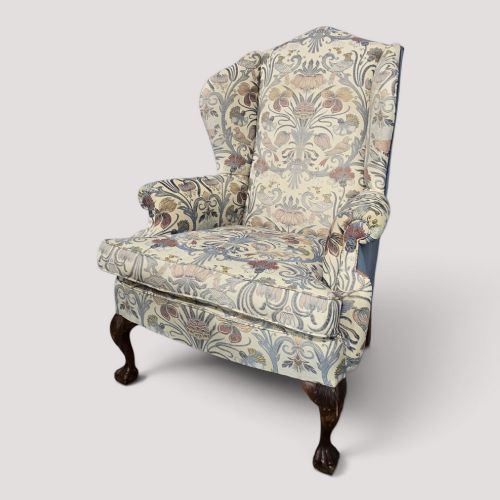
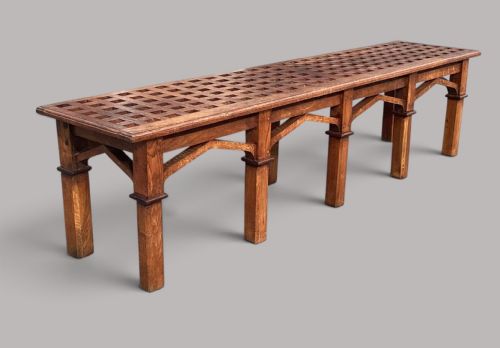
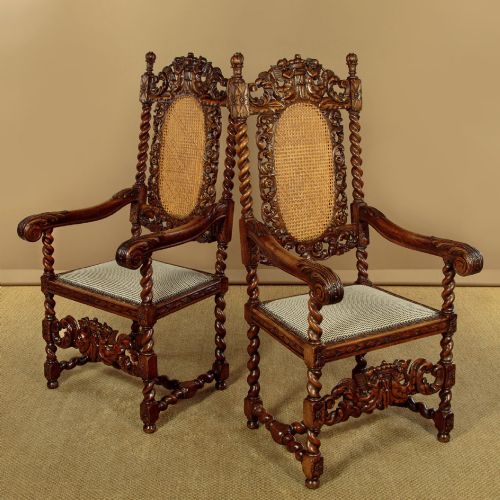
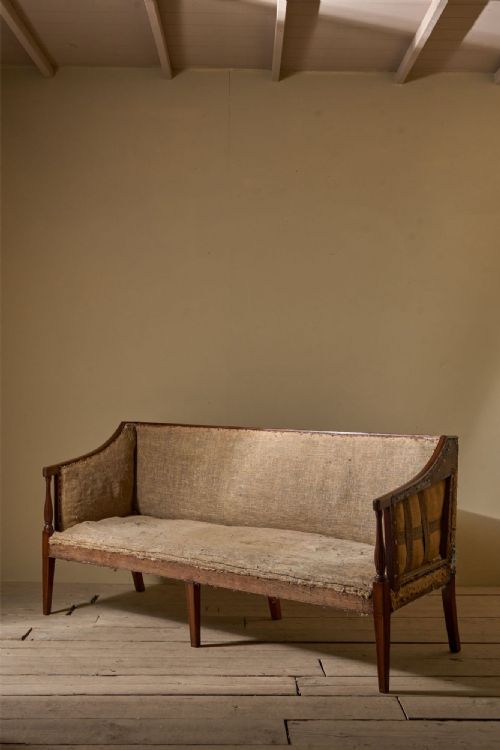
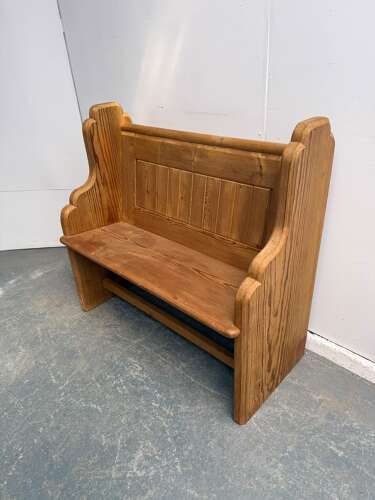
A large wooden seat spans practical domestic forms and grander furniture types, ranging from country house settles and hall benches to substantial armchairs and window seats. These pieces anchor a room through scale and presence, serving functional seating roles in hallways, kitchens and principal living spaces.
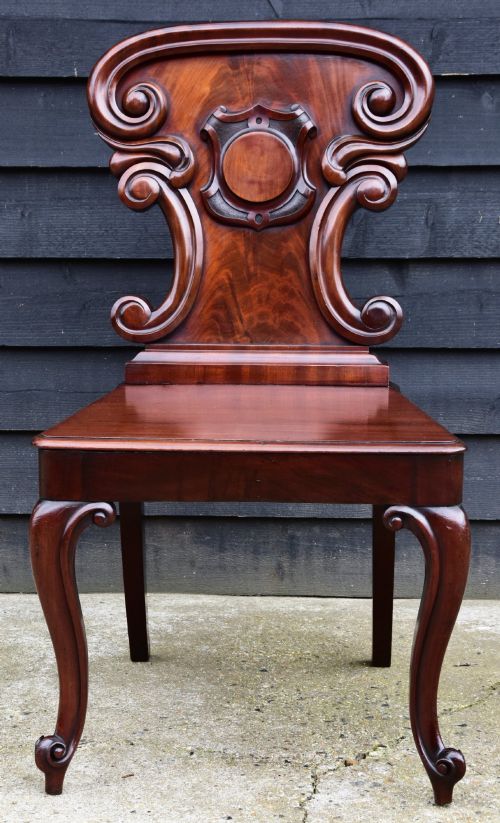
The selections encountered here draw on diverse historical periods extending from the eighteenth century through the twentieth century, encompassing Victorian, Georgian, Regency, and Arts and Crafts design idioms. Oak, mahogany, pine and walnut dominate the structural forms, occasionally complemented by cane, fabric, or brass details.
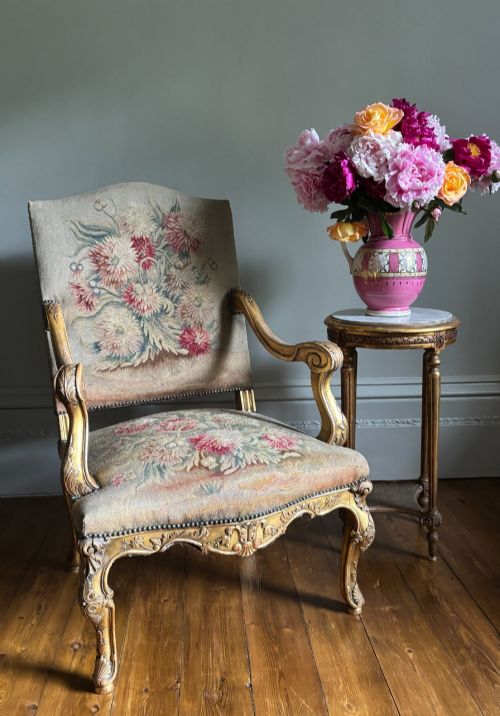
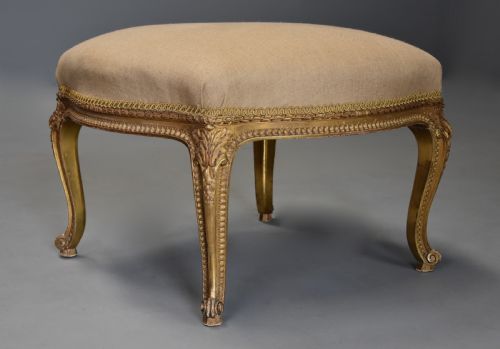
Originating from British, French, Spanish, and Italian workshops, these items reflect both regional vernacular traditions and formal cabinet-making. Buyers frequently encounter robust farmhouse seating alongside finely carved French giltwood and walnut armchairs reflecting Louis XV or Regence influences.
Materials and construction
Cabinet-makers and joiners relied primarily on hardwoods such as oak, mahogany, and walnut alongside softer timbers including pine, elm, and fruitwood. Timber selection dictated the structural integrity and decorative capacity of each bench, settle, or armchair.
Joinery techniques ranged from traditional mortise and tenon joints in early oak settles to intricate hand-carving on Victorian throne chairs and French giltwood frames. Surface finishes incorporate wax, paint, or gilding to protect and enhance the natural grain and carved relief.
Large Wooden Seat Retail Price Guide 2026
Typical asking prices for large wooden seat among the pieces listed under this phrase on Sellingantiques today, from the lower quarter to the upper quarter. They describe what is for sale here now, not the wider market.
Listings feature eighteenth, nineteenth, and twentieth-century examples constructed from oak, mahogany, pine, walnut, elm, and fruitwood.
Distinctions in quality
Quality rests in the integrity of the timber selection, the crispness of hand-carved ornamentation, and the overall stability of the frame. Pieces fashioned from dense, well-seasoned hardwoods display superior joinery that withstands centuries of daily use.
Proportion and execution separate standard domestic items from exceptional commissions. Refined cabinet-making appears in balanced proportions, seamless joints, and decorative carving that integrates naturally with the structural form rather than appearing applied.
LOIDRAULT FRERES PARIS
The Large Wooden Seat Glossary
- Settle
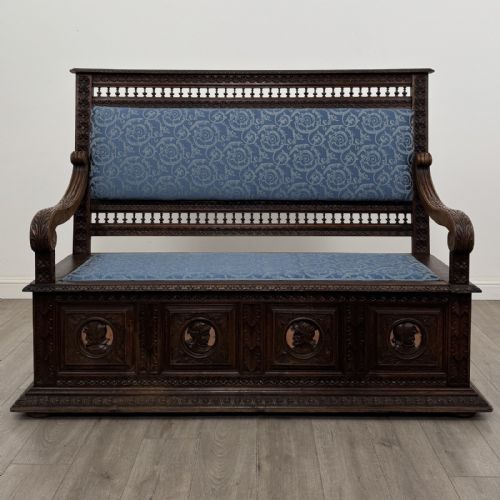
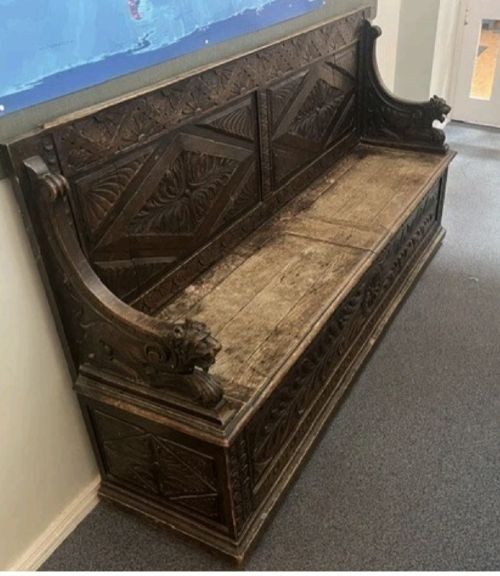
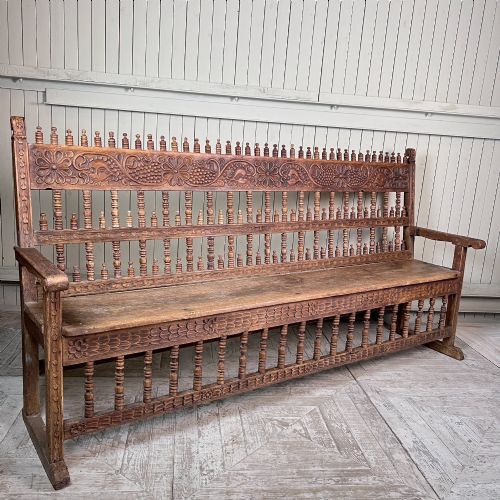
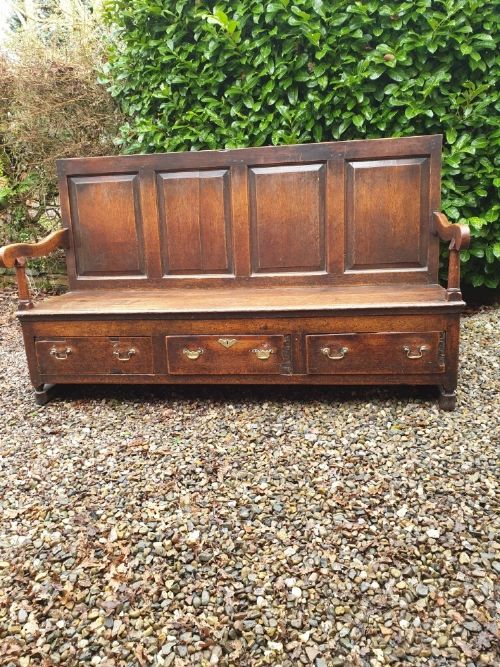
- A wooden bench with a high back, solid arms, and often a storage box beneath the seat. This form protected occupants from drafts in older domestic interiors.
- Refectory
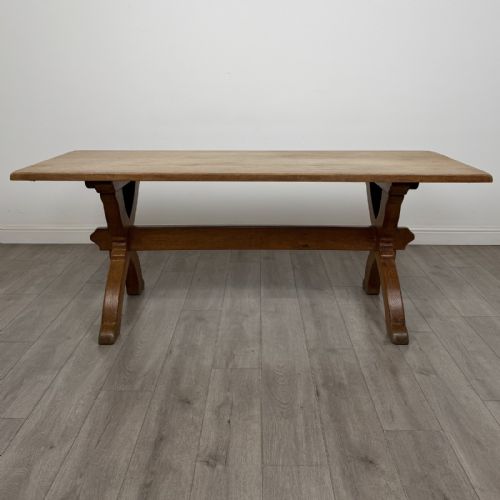
- A long dining table traditionally utilised in communal dining halls. These sturdy forms typically feature robust wooden legs connected by low stretchers.
- Giltwood
- Timber treated with a thin layer of gold leaf or gold paint over a prepared ground. This decorative finish appears frequently on formal continental armchairs and stools.
- Window seat
- An elongated bench designed to fit within the recess of a bay or large window. Examples often incorporate upholstered tops and mahogany or painted frames.
- Box settle
- A heavy wooden seat featuring an integrated storage compartment beneath the hinged lid. This dual-purpose form maximises utility in country house settings.
Large Wooden Seat: Frequently Asked Questions
Where should a large wooden seat be placed?
A large wooden seat commands attention in spacious hallways, large kitchens, or principal reception rooms where its scale can be fully appreciated. Benches and settles function well against long walls, while armchairs anchor seating arrangements.
Ensuring adequate clearance around the piece allows the proportions and detailed woodwork to remain visible within the interior scheme.
How do I care for antique wooden furniture?
Maintaining antique timber requires consistent environmental conditions away from direct heat sources and extreme humidity fluctuations. Regular dusting with a soft, dry cloth preserves the finish.
Applying a traditional beeswax polish periodically nourishes unsealed or waxed wooden surfaces, maintaining a natural lustre without building up heavy chemical residues.
How do I identify the period of a wooden seat?
Dating relies upon examining construction methods, tool marks, timber species, and stylistic vocabulary associated with specific eras like the Georgian or Victorian periods. Hand-cut joinery and regional timber choices provide clear chronological clues.
Comparing the decorative carving and overall proportions against documented historical examples confirms the likely era of manufacture.