

Large Wooden Chest
A large wooden chest is a substantial storage piece built from timber, offering deep capacity and solid historic presence for any interior.
Large Wooden Chest
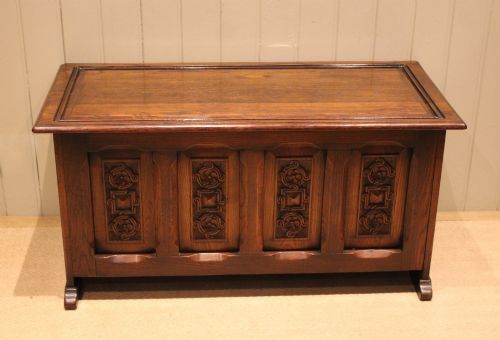
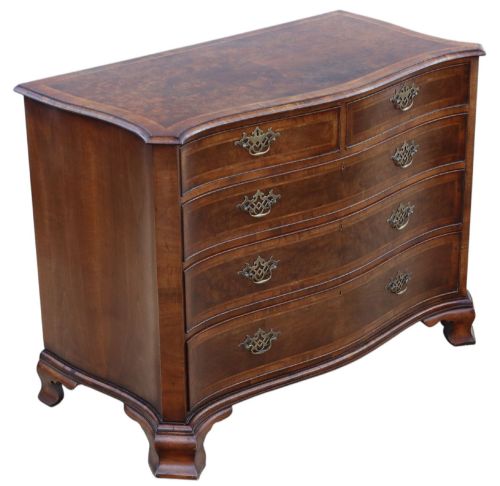
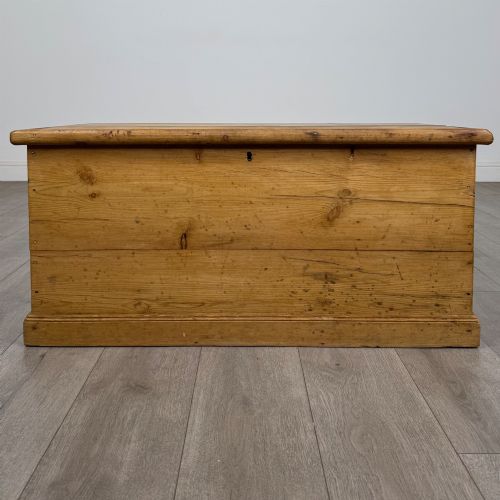
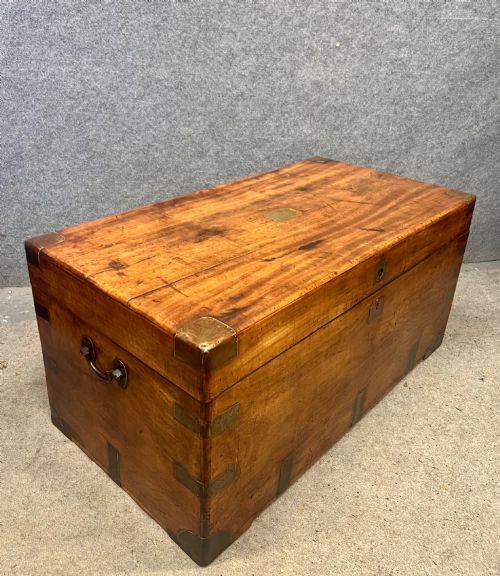
A large wooden chest spans robust country blanket boxes, panelled oak coffers, camphor wood travel trunks, and formal mahogany chests of drawers. These utilitarian and decorative containers originate from British, European, colonial, and eastern workshops across several centuries.
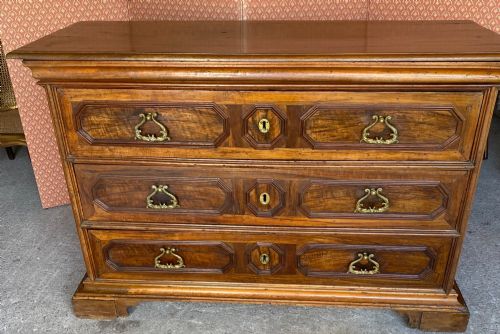
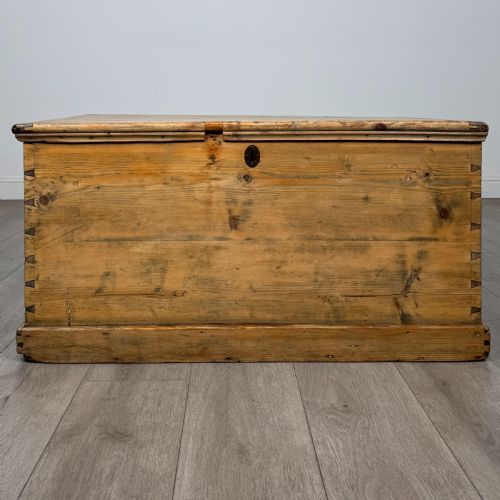
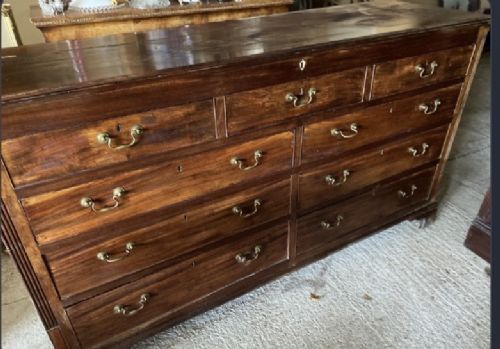
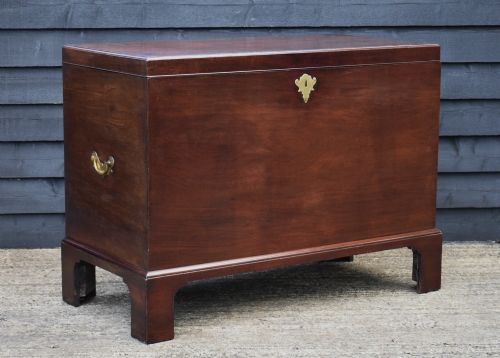
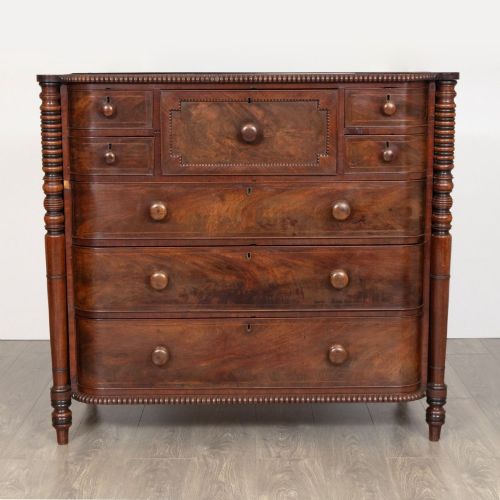
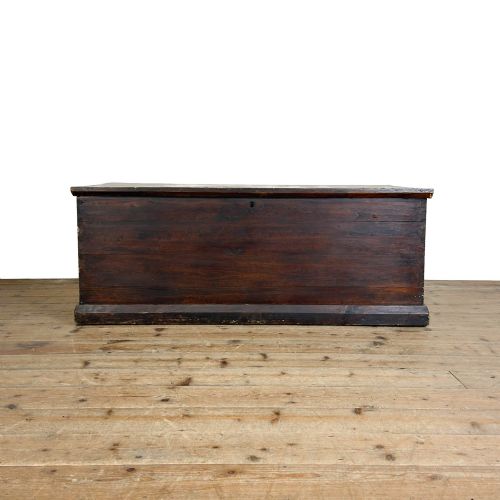
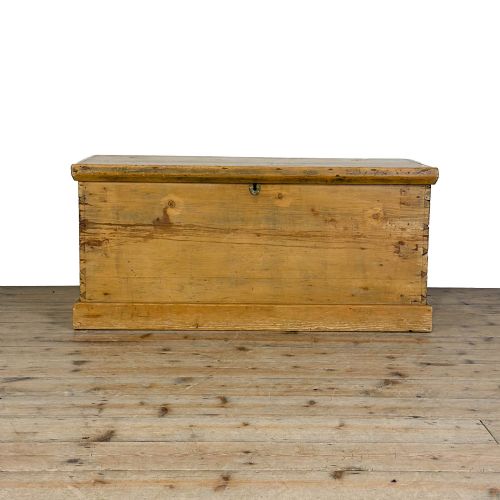
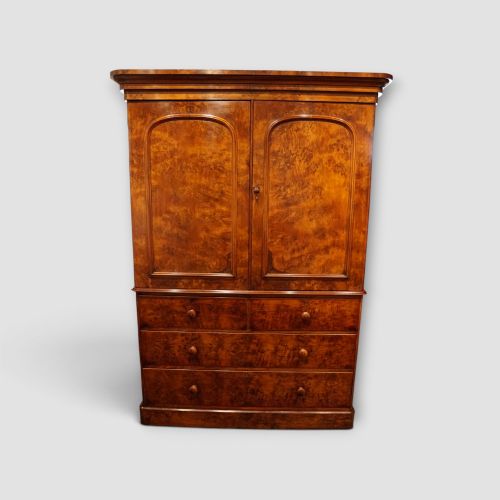
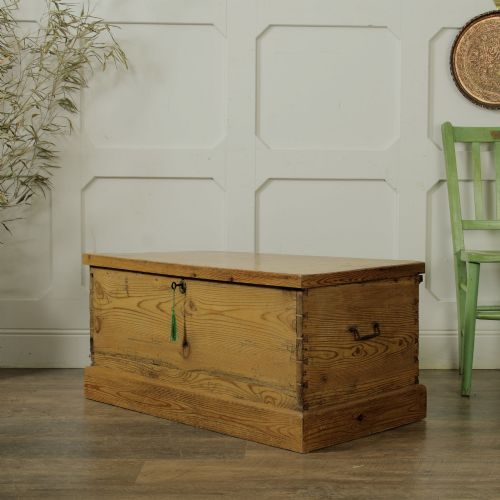
The pine blanket box and the mahogany chest of drawers appear most frequently on this page, representing practical domestic storage from the Georgian and Victorian eras. Buyers encounter everything from rustic pine storage to carved walnut commodes and iron-bound dowry chests.
Materials and Construction
Cabinetmakers and joiners built these items using dense native timbers like oak, walnut, and mahogany, alongside utilitarian softwoods such as pine and pitch pine. Exotic woods including teak, camphor, and sandalwood appear in pieces designed for maritime travel or colonial trade.
Construction methods combine dovetailed corners, panelled lids, and pegged joints with iron handles, brass binding, and internal drawers. Surfaces show plain waxed finishes, painted marriage designs, intricate hand-carving, or crossbanded burr veneers.
Regional forms range from Welsh oak coffers and Scottish chests of drawers to Italian and Indian storage pieces.
Standards of Manufacture
Quality rests on the selection of timber, the integrity of the original joints, and the crispness of any carved or veneered decoration. Pieces utilising solid native oak or finely figured burr walnut display superior cabinetmaking compared to utilitarian variants.
The survival of original brass hardware, side handles, internal till boxes, and working locks elevates a piece. Finer examples maintain their structural balance and natural patination across centuries of domestic use.
Whytock & Reid·Jas Shoolbred
The Large Wooden Chest Glossary
- Coffer
- A heavy wooden chest, often panelled and carved, traditionally used for storing valuables and textiles. Early examples feature pegged frame construction.
- Blanket box
- A deep chest designed for holding bedding and blankets, frequently fitted with side carrying handles. Pine and oak are common materials.
- Commode
- A decorative chest of drawers or cabinet on legs, originating from French furniture forms. Georgian and Victorian versions utilise high-grade veneers.
- Camphor wood
- An aromatic timber utilised for sea chests and campaign trunks because its scent repels insects. It protects garments during long voyages.
- Dovetail
- A joint formed by interlocking wedge-shaped fingers, securing the corners of drawers and carcases. Hand-cut dovetails indicate older construction.
- Crossbanding
- A border of veneer laid with the grain running perpendicular to the main surface. It frames panels on finer cabinet furniture.
Large Wooden Chest: Frequently Asked Questions
What were large wooden chests used for?
These vessels stored personal belongings, textiles, blankets, and valuables before fitted closets became common in homes. Sailors and travellers utilised sturdy camphor wood or iron-bound trunks for long sea journeys.
In domestic settings, families kept marriage chests and blanket boxes in bedrooms or hallways. They served both as secure storage and as impromptu seating.
How do I tell pine from oak?
Oak is a heavy, hard hardwood featuring distinct grain markings and medullary rays visible as small flecks. It yields a rich golden-brown tone through age and waxing.
Pine is a softer softwood with a lighter weight and prominent growth rings. Antique pine typically displays a knotty surface and warm amber patination.
Where should I place a large chest at home?
A large chest fits well at the foot of a bed, acting as storage for extra linen and cushions. Alternatively, position one in an entryway or living room as a focal point.
Ensure the piece sits away from direct heat sources to prevent the timber from drying out or splitting. Allow sufficient clearance around the lid if you intend to open it frequently.
How do I date an antique wooden chest?
Dating relies on examining construction techniques, tool marks, hardware, and secondary woods used inside. Hand-sawn boards and irregular dovetails point towards earlier centuries, while machine-cut elements suggest later periods.
Stylistic details like carved panels, bracket feet, or brass drop handles align with specific eras such as Georgian or Victorian. Comparing the timber patination to known examples confirms the period.