



Large Wall Panels
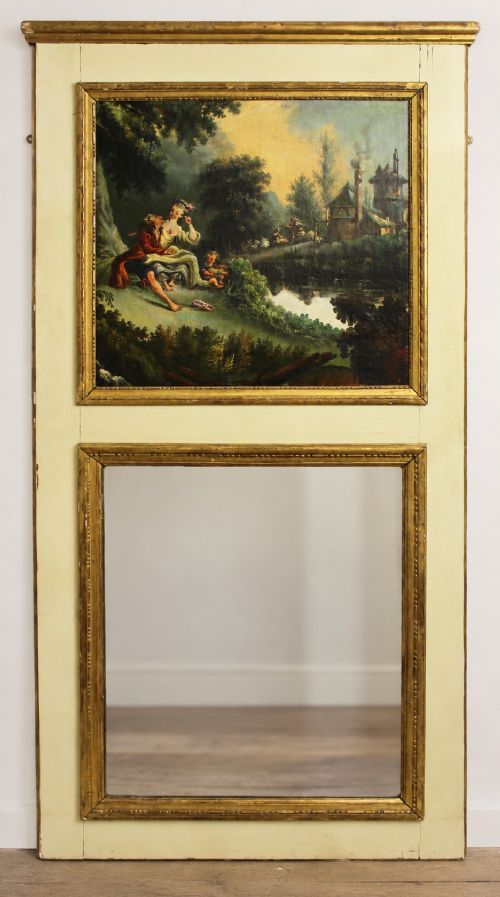
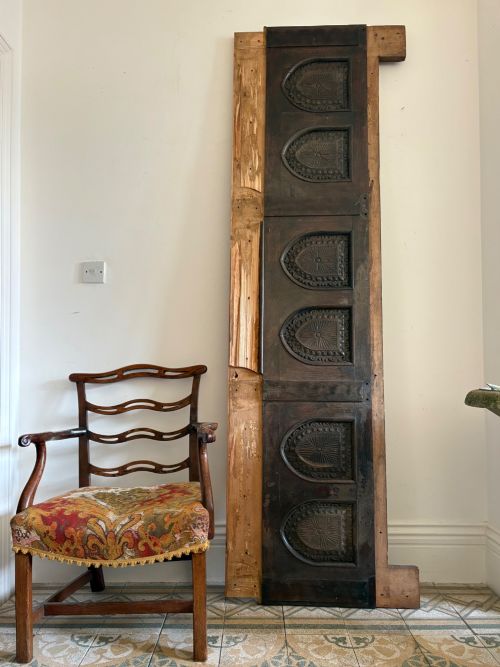
Large wall panels encompass everything from carved oak architectural tracery and verdure tapestries to gilt trumeau mirrors, transforming an ordinary room into a grand interior.
Large Wall Panels
Large wall panels cover a diverse range of historic objects designed to furnish expansive vertical spaces, bringing texture, narrative and architectural depth to a room. When you search for large wall panels, you encounter everything from substantial carved wooden architectural salvage and ecclesiastical tracery to woven textile hangings and grand mirrors.
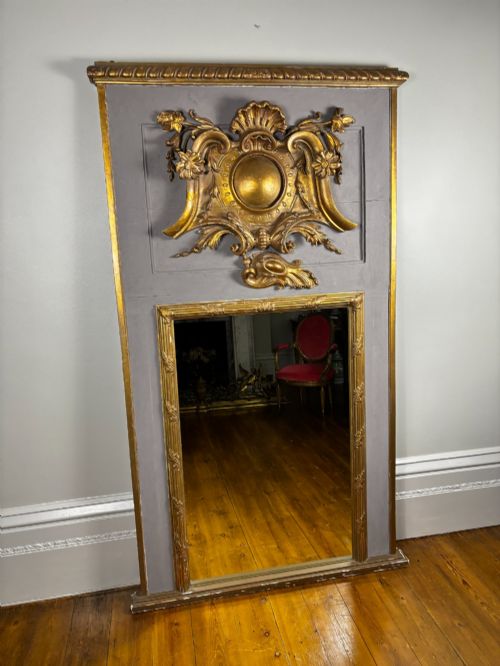
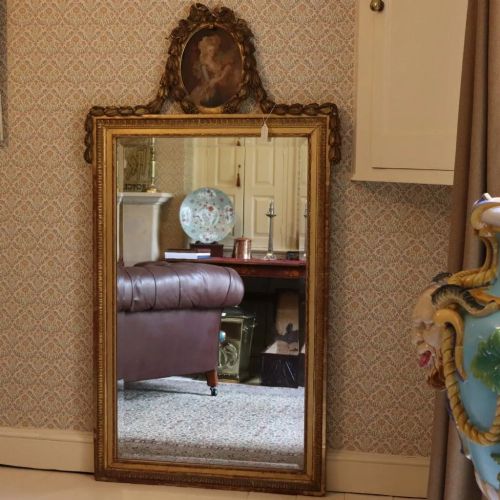
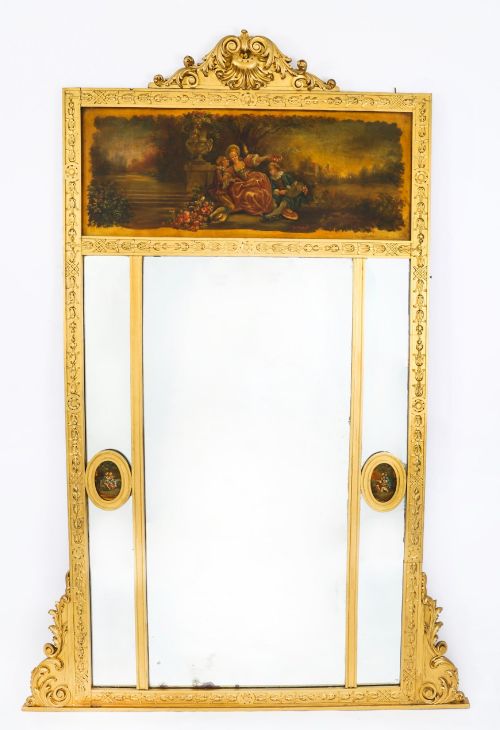
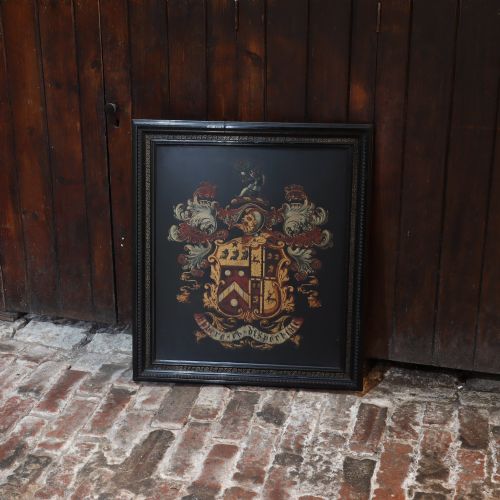
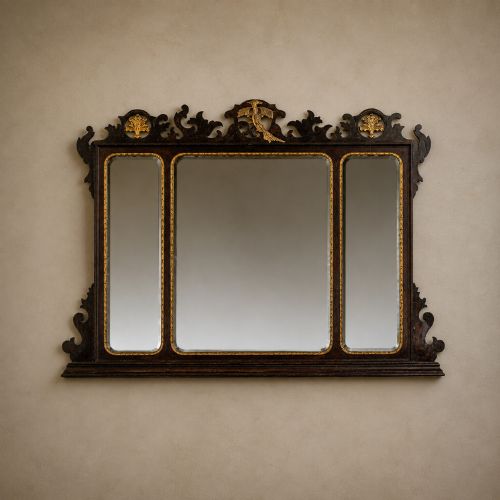
The selections span several centuries, with pieces originating from the seventeenth, eighteenth and nineteenth centuries alongside later works from the early twentieth century. Common formats include framed French tapestries depicting verdure scenes, carved wooden heraldic plaques, embroidered textiles, and giltwood overmantel mirrors incorporating oil paintings or verre eglomise panels.
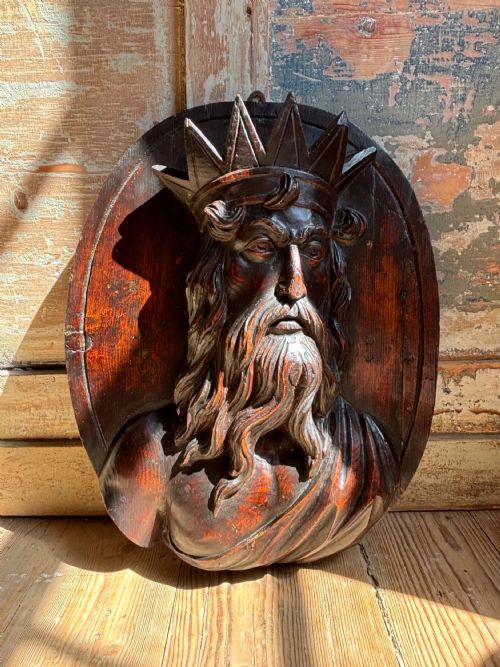
Origin and medium dictate the character of each piece, whether it is a substantial oak panel carved in the Gothic style or a delicate silk ikat wall hanging from Uzbekistan. The variety reflects historical interior design tastes ranging from French Baroque and Rococo to Victorian Gothic Revival and Neoclassical Adam styles.
Materials and construction
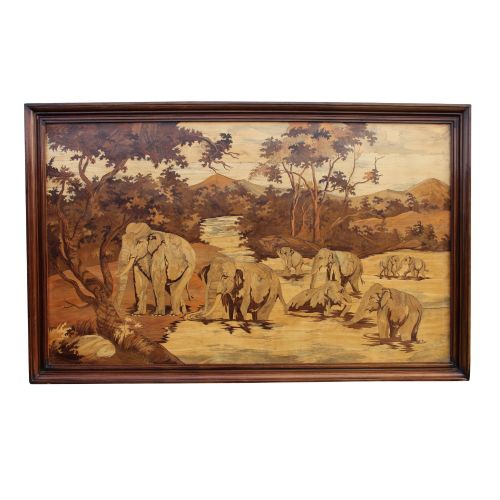
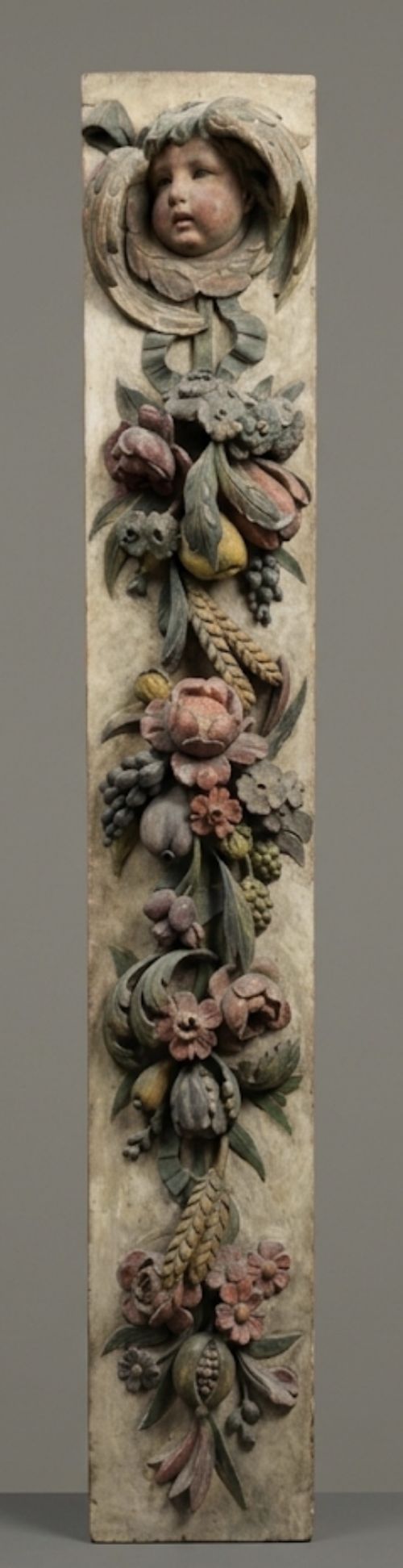
Makers utilised traditional natural materials including solid woods such as oak, mahogany, walnut and pine, often transforming them through deep relief carving, gesso application and gold leaf gilding. Architectural and decorative wooden elements frequently combine carved tracery, polychrome paint finishes and marquetry inlay.
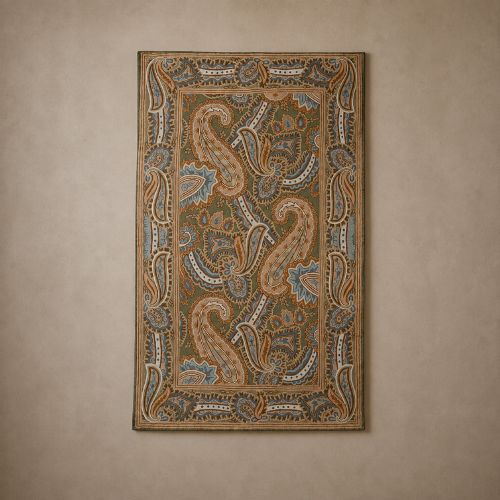
Textile panels rely on specialised hand-weaving, embroidery and needlework techniques using wool, silk and crewelwork threads to create intricate pictorial scenes such as verdure landscapes, pastoral subjects and heraldic crests. Framed mirrors and canvas works incorporate glass, oil paint, copper enamel and verre eglomise reverse-glass painting techniques.
Large Wall Panels Retail Price Guide 2026
Typical asking prices for large wall panels among the pieces listed under this phrase on Sellingantiques today, from the lower quarter to the upper quarter. They describe what is for sale here now, not the wider market.
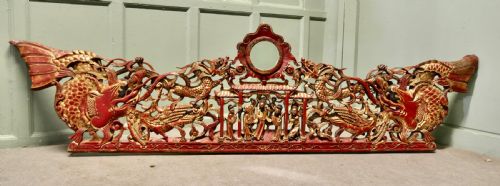
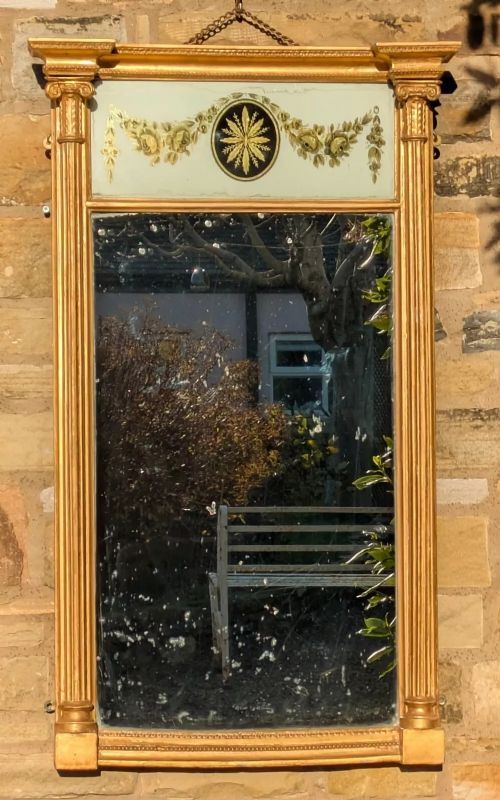
The selection includes carved ecclesiastical tracery, French trumeau mirrors, heraldic coats of arms, and embroidered wall hangings.
Evaluating quality and execution
Quality rests upon the crispness of the hand-carved detail in wooden panels and architectural salvage, where deep, sharply defined relief demonstrates superior artisanal skill. In textiles and tapestries, the complexity of the weave, the richness of the wool or silk palette, and the preservation of the pictorial composition determine the standard of the piece.
For framed mirrors and trumeau panels, the integrity of the original gilding, the presence of hand-painted oil panels or verre eglomise inserts, and the structural cohesion of complex triptych frames distinguish finer examples from standard decorative items.
The Large Wall Panels Glossary
- Trumeau mirror
- A decorative wall mirror featuring an integrated painted panel or oil painting positioned above the glass plate. These French pieces often display pastoral scenes or classical motifs.
- Verdure tapestry
- A woven wall hanging depicting a stylised woodland or forest landscape, typically produced in European workshops during the seventeenth and eighteenth centuries.
- Verre eglomise
- A cold decoration technique involving the application of gold or silver leaf onto glass, then etched and painted from the reverse side.
- Gothic tracery
- Architectural stonework or carved wooden openwork patterns featuring geometric shapes, cusps and foils, commonly found in ecclesiastical furniture and panels.
- Overmantel mirror
- A large horizontal mirror specifically designed to hang on the wall directly above a fireplace mantelpiece, frequently built with triptych plates.
Large Wall Panels: Frequently Asked Questions
How do I hang a heavy wooden panel securely?
Substantial carved wooden panels and architectural salvage require robust wall fixings anchored directly into masonry or wall studs to support their considerable weight safely.
Using heavy-duty metal brackets or hidden battens designed for hanging large mirrors and timber elements ensures the piece remains flush and secure against the wall.
What rooms suit large textile wall hangings best?
Historic tapestries, crewelwork embroideries and silk ikat panels work well in principal reception rooms, hallways or above beds where expansive wall space allows the textile to breathe.
These fabric panels also help absorb sound and soften hard architectural surfaces in high-ceilinged period properties.
How do I date an antique carved wooden panel?
Dating relies on examining the tool marks left by the maker, the species of timber used, and the style of the carving relative to known historical periods such as Gothic Revival or Baroque.
Wear patterns around fixing points and the natural oxidation of the wood surface further indicate the age of unpainted wooden architectural elements.
How do I care for antique tapestries and textiles?
Historic textiles need protection from direct sunlight to prevent the fading of natural wool and silk dyes over time.
Regular, gentle dusting with a soft brush or low-suction vacuum through a protective mesh screen helps maintain the fabric without disturbing fragile historic fibres.