

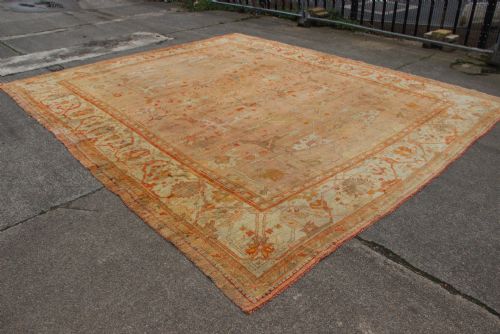
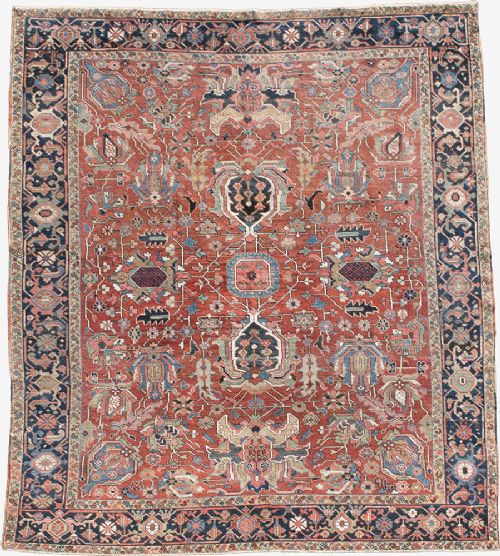
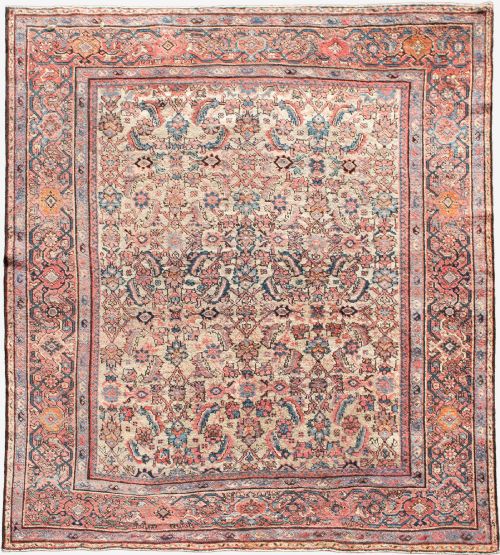
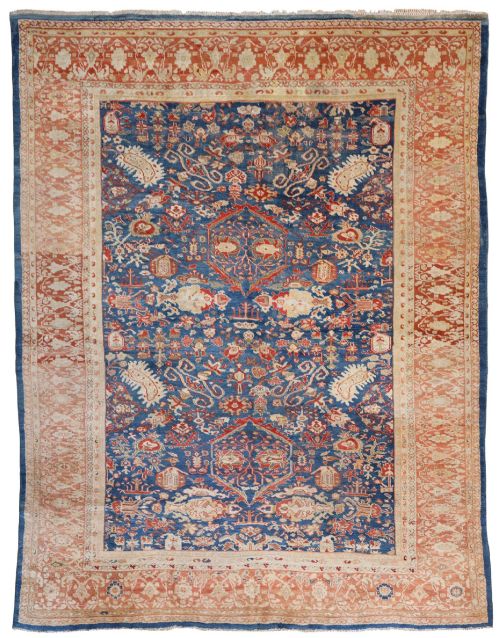
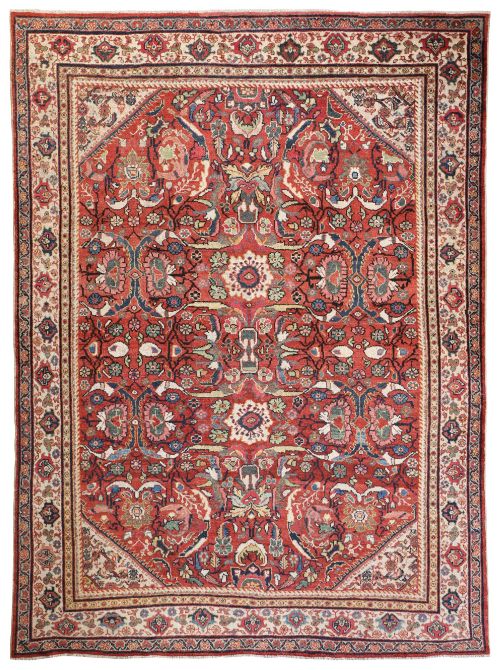
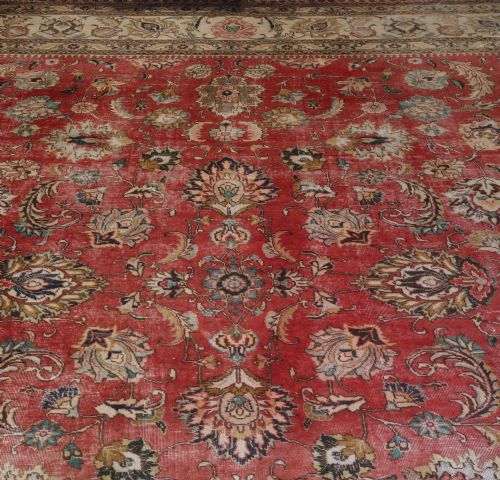
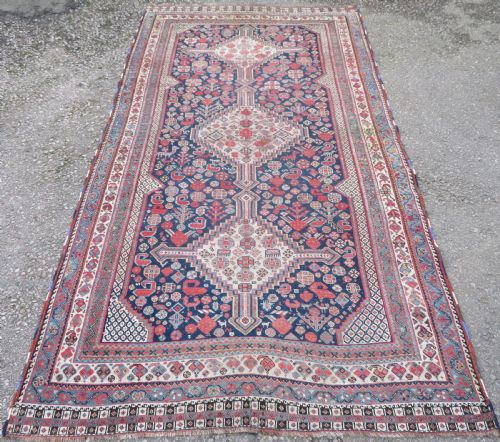
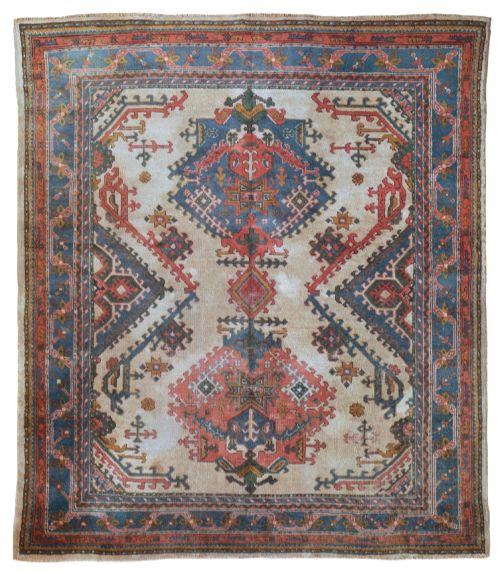
Large Vintage Rug
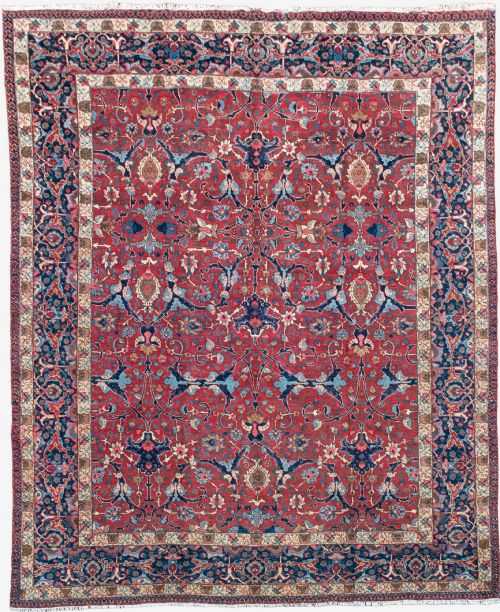
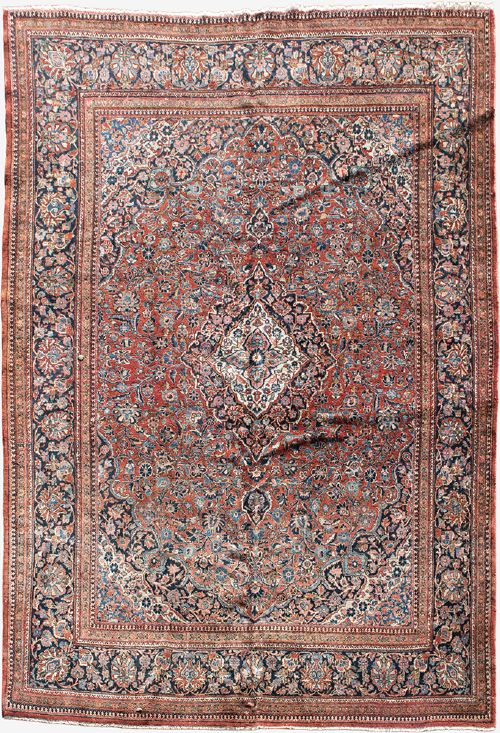
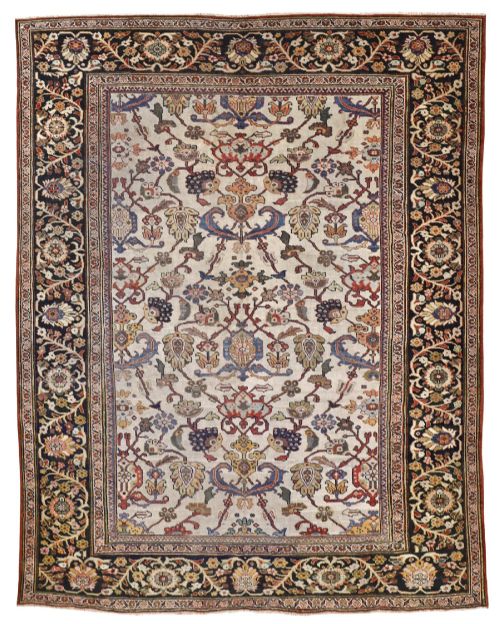
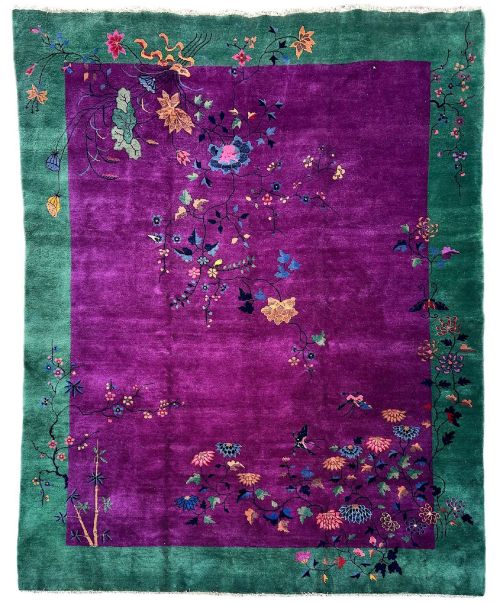
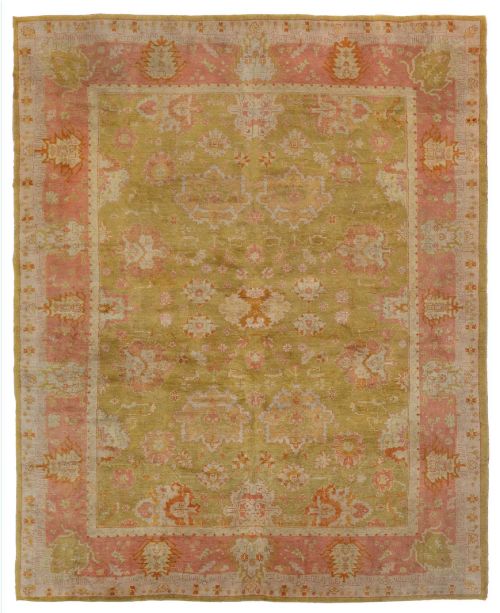
A large vintage rug anchors a room with substantial scale and history, bringing the deep floor presence of Persian, Anatolian, and Chinese carpets into the house.
Large Vintage Rug
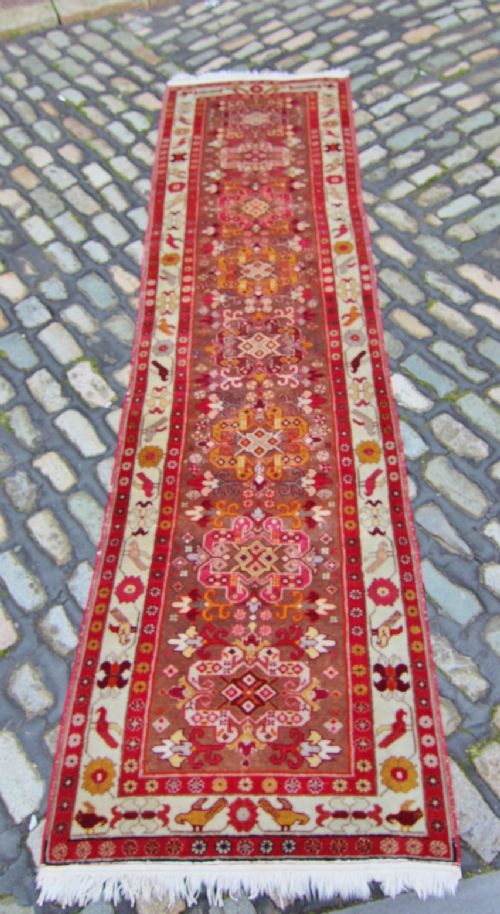
A large vintage rug spans significant floor areas, often categorized across varied regional weaving traditions from the nineteenth and early twentieth centuries. These pieces encompass room-sized carpets, hallway runners, and expansive area rugs designed for substantial domestic interiors.
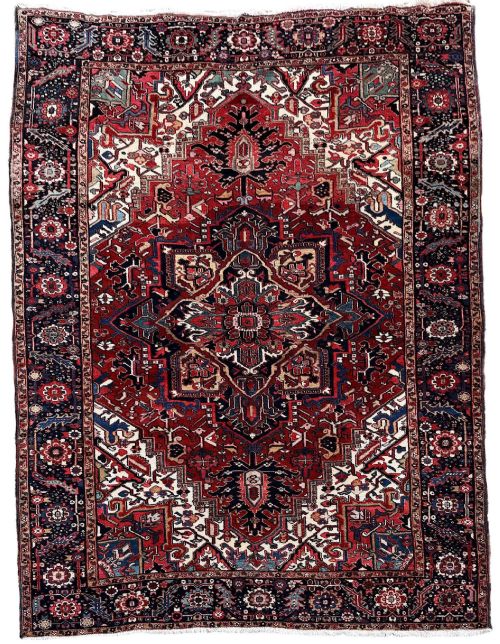
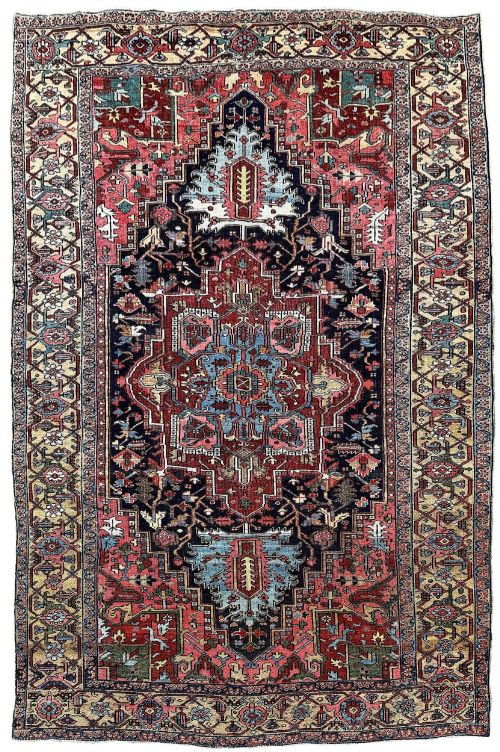
The selections encountered most frequently on this page originate from Persian workshops and tribal regions, alongside pieces from Anatolia, the Caucasus, and China. Heriz, Tabriz, Oushak, and Ersari carpets dominate the inventory, appearing in formats scaling upward from three metres in length.
Makers utilised traditional looms to produce these floor coverings, yielding heavy textiles that served both practical insulation and decorative functions in period country houses and urban reception rooms.
Materials and construction
Wool and cotton form the primary structural components across these listings, with hand-spun wool frequently utilised for the pile to achieve variable surface textures and deep pile resilience. Cotton often provides the sturdy foundation warp and weft threads that maintain the structural integrity of large room-sized formats over decades of foot traffic.
Hand-knotting and flatweaving techniques define the production methods, from densely piled city carpets to flatweave kilims produced by tribal groups. Natural dyes interact with the wool fibres to produce warm reds, ivory grounds, and muted traditional palettes that age gradually with exposure to light.
Large Vintage Rug Retail Price Guide 2026
Typical asking prices for large vintage rug among the pieces listed under this phrase on Sellingantiques today, from the lower quarter to the upper quarter. They describe what is for sale here now, not the wider market.
Some carpets carry antique repairs sewn by nomadic hands, preserving a domestic history recorded entirely in wool.
Factors of quality and wear
The nuance in quality rests upon knot density, the integrity of the original foundation, and the harmonious ageing of natural dyestuffs across the field. Superior examples maintain structural firmness in the cotton foundations despite the considerable weight of the pile.
Distressed surfaces and timeworn repairs tell the history of use, where professional conservation preserves the balance between decorative charm and structural survival. The clarity of regional design motifs, such as the geometric medallions of Heriz carpets or the fluid curves of Tabriz, separates standard village production from finer workshop output.
The Large Vintage Rug Glossary
- Kilim
- A flatweave textile produced without a pile, utilised across Anatolian and tribal regions for rugs and wall hangings.
- Warp
- The stationary vertical threads stretched across the loom that form the foundational skeleton of the rug.
- Weft
- The horizontal threads passed through the warp threads to bind the knots and secure the structure of the weave.
- Medallion
- A large central ornamental design motif placed in the middle of the field in many traditional Persian and regional carpets.
- Pile
- The vertical or slanted wool fibres standing up from the foundation that create the soft surface texture of the carpet.
Large Vintage Rug: Frequently Asked Questions
How do I clean a large vintage rug?
Maintenance requires gentle surface vacuuming without rotating brush heads to protect the aged wool pile and foundation threads from undue friction.
Professional specialist washing remains essential for deep cleaning to prevent dye bleeding across the cotton and wool fibres.
Where should I place a large vintage rug?
These expansive formats suit principal reception rooms, dining areas, and large hallways where the substantial dimensions can anchor heavy furniture groupings.
Placing a breathable underlay beneath the carpet prevents slipping and reduces fibre wear against hard flooring surfaces.
How do I identify a Heriz carpet?
Heriz carpets typically feature bold geometric central medallions and robust corner spandrels woven with sturdy hand-spun wool pile.
The heavy foundation structure and distinctive rustic palette distinguish these North-West Persian pieces from finer urban workshop productions.
What causes a rug to appear distressed?
Decades of domestic use, natural fading from sunlight exposure, and gradual wear on the wool pile contribute to a timeworn surface character.
Certain pieces achieve this softened appearance naturally over generations, while others undergo historical repairs that reflect their long active lifespan.