



Large Timber Frame
A large timber frame grounds a room, bringing substance and proportion through heavy oak, carved walnut, and painted wood.
Large Timber Frame
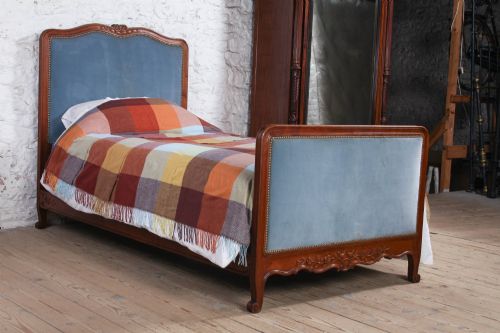
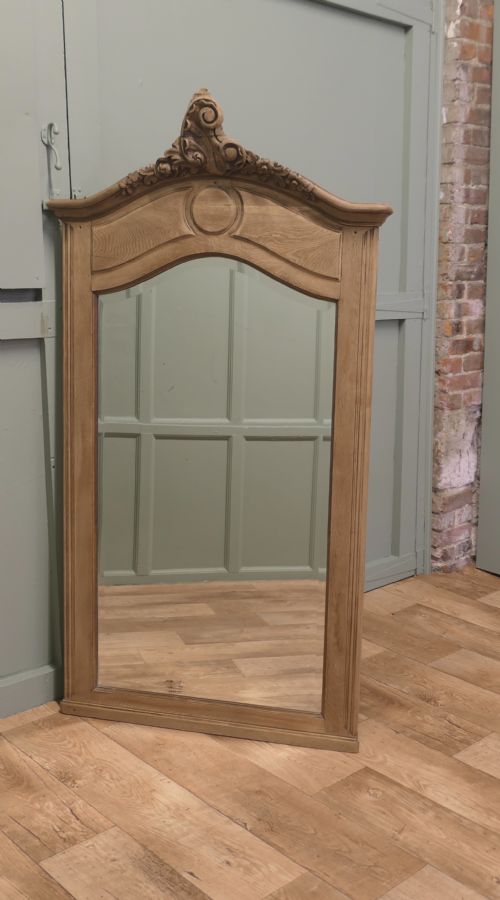
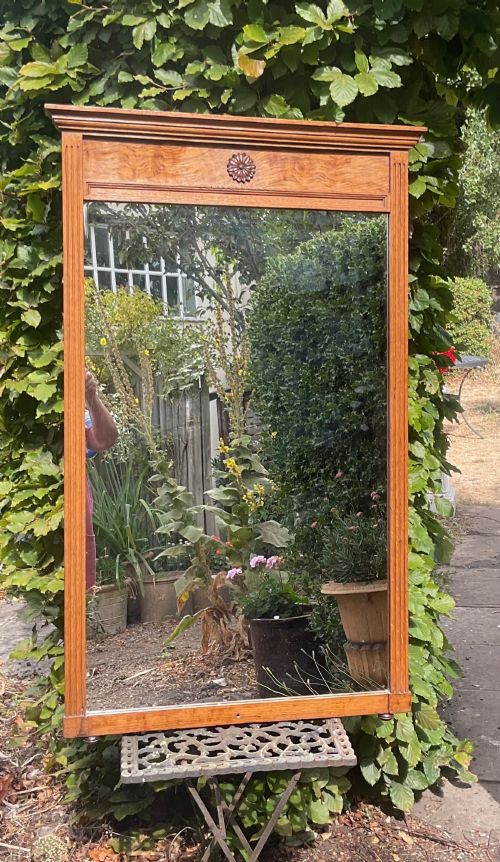
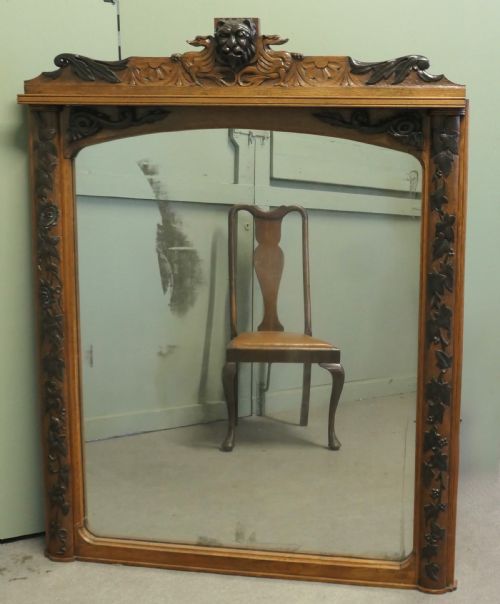
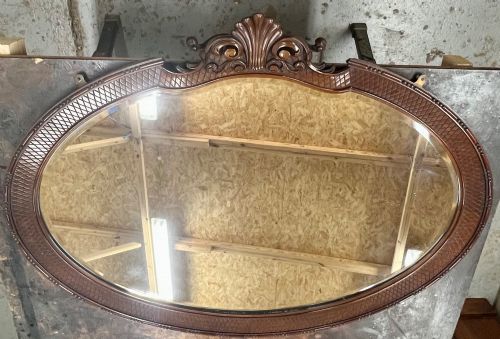
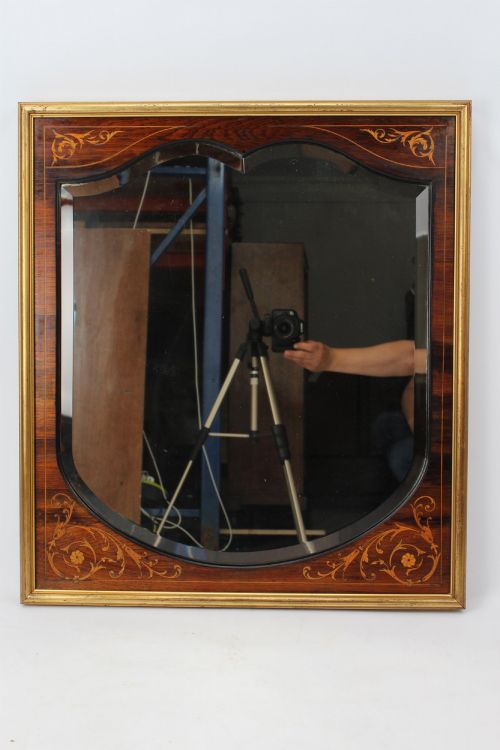
A large timber frame often takes the form of an architectural wall mirror, an overmantel piece, or a substantial seating frame originating from the nineteenth and early twentieth centuries. These pieces carry significant presence, appearing in styles from Victorian gothic and Arts and Crafts to French provincial and Rococo.
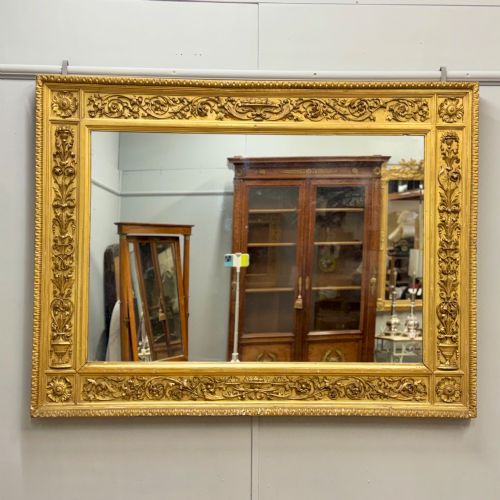
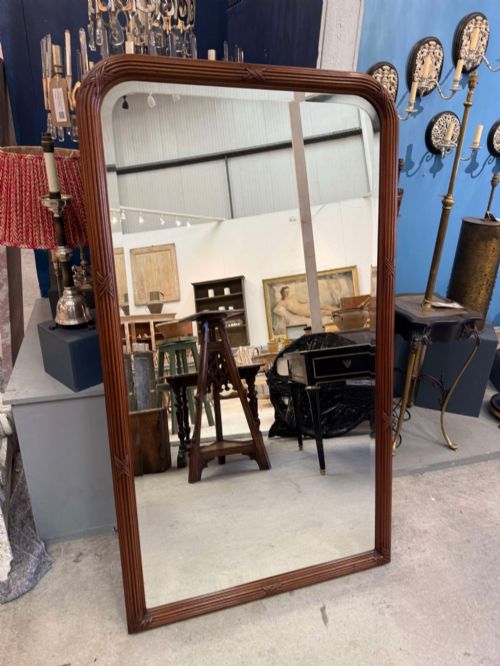
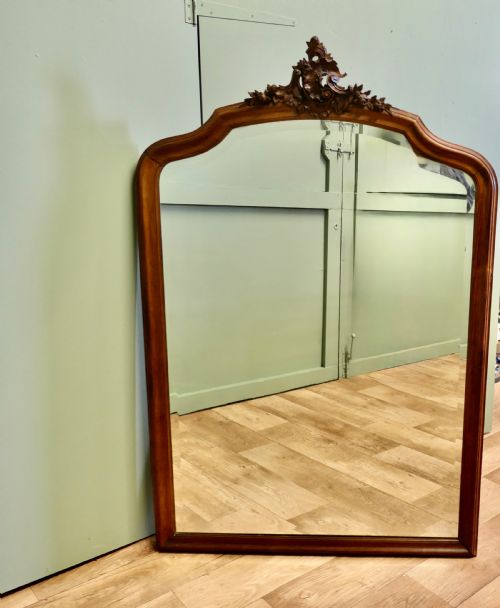
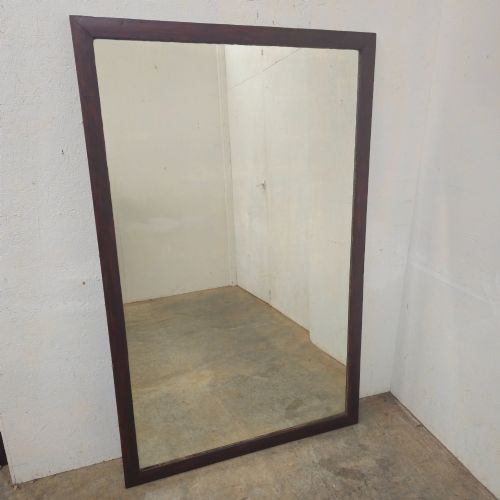
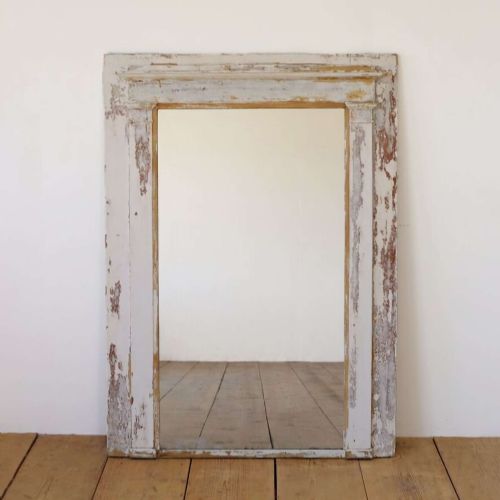
The selection here encompasses substantial structural surrounds, including carved oak cushion frames, giltwood overmantels, and painted pine tailors mirrors. Buyers encounter heavy timber constructions designed to anchor grand domestic spaces.
Originating largely from domestic and provincial settings across Britain and continental Europe, these large timber frame examples demonstrate the utility and decorative ambition of past centuries.
How they were made
Makers utilised solid timbers such as oak, mahogany, walnut, and pine, frequently shaping the wood through deep hand-carving and joinery techniques suited to substantial loads. Gesso and paint layers were often applied directly to the wooden substrate, sometimes finished with gilding.
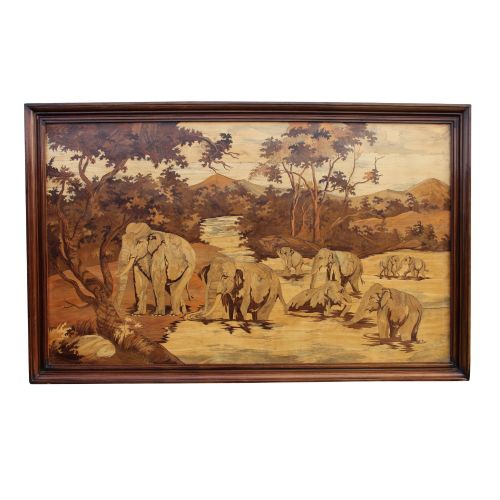
Construction methods relied on pegged mortise and tenon joints or heavy mitres to maintain structural integrity across expanded dimensions. Decorative elements incorporate marquetry, inlay, and applied moulding fixed securely to the primary timber frame.
Large Timber Frame Retail Price Guide 2026
Typical asking prices for large timber frame among the pieces listed under this phrase on Sellingantiques today, from the lower quarter to the upper quarter. They describe what is for sale here now, not the wider market.
Listings feature woods including oak, mahogany, walnut, and pine, spanning periods from the nineteenth century into the 1930s.
What varies in quality
Quality rests upon the depth and crispness of the carving, the selection of the primary timber, and the integrity of the underlying construction. Pieces exhibiting hand-carved detail directly into dense oak or walnut command attention for their tactile permanence.
The harmony between the primary timber frame and its secondary decorative elements, such as original gilt surfaces, gesso work, or integrated panels, dictates the overall refinement of the piece.
Heals of London
The Large Timber Frame Glossary
- Giltwood
- Wood that has been coated with gold leaf or metal powder over a prepared gesso ground. This finish catches light and defines ornate nineteenth-century mouldings.
- Gesso
- A plaster-like mixture applied to wood surfaces to serve as a base for paint or gilding. It allows for crisp, moulded ornamentation before finishing.
- Trumeau
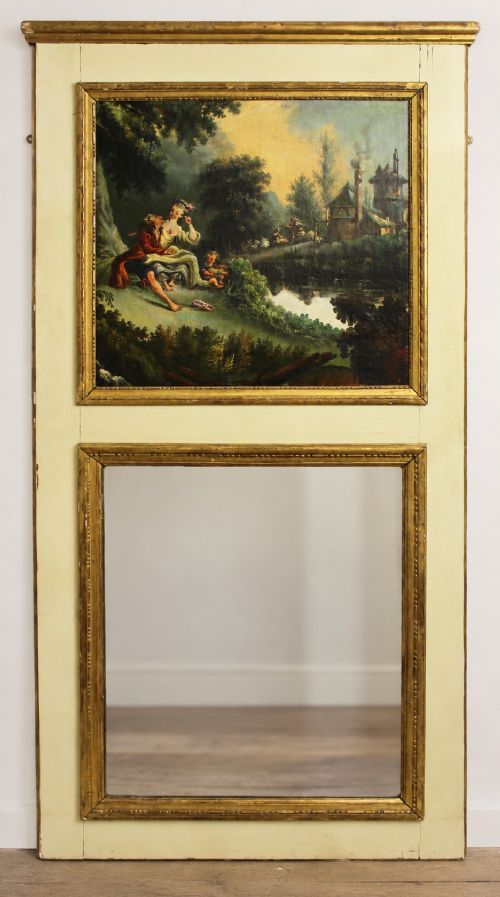
- A decorative wall mirror featuring an oil painting or panel incorporated into the upper section of the frame. Originating in France, these pieces combine art and reflective glass within a single architectural surround.
- Overmantel
- A large mirror or panel designed specifically to hang above a fireplace mantelpiece. Proportioned to fit the horizontal expanse of a chimney breast.
- Cushion frame
- A moulded frame profile that curves outward toward the outer edge, resembling a soft cushion. This style provides notable depth and shadow play in oak and walnut pieces.
Large Timber Frame: Frequently Asked Questions
How do I hang a large timber frame?
Due to the considerable weight of solid oak, mahogany, and giltwood structures, these pieces require professional wall fixings secured directly into masonry or heavy studwork. Heavy-duty brackets or French cleats distribute the load safely.
Position the frame at an appropriate height to balance surrounding furniture, ensuring the weight load rests evenly across multiple secure anchor points.
What periods do these frames represent?
The selection spans from the nineteenth century through the early twentieth century, incorporating Victorian, Edwardian, and Arts and Crafts movements alongside continental styles.
Victorian and Edwardian examples demonstrate industrial-era scale combined with traditional hand-carving methods, while earlier nineteenth-century pieces lean into Gothic and Rococo revivals.
How do I maintain polished oak and walnut frames?
Maintain timber surfaces by dusting gently with a dry, soft cloth to prevent particulate buildup in deep carved recesses. Avoid silicon-based polishes that can degrade historical finishes over time.
Feed dry wood occasionally with appropriate wax where specified, keeping pieces away from direct heat sources and dramatic humidity fluctuations.
Can these frames be used in modern interiors?
The substantial scale and tactile warmth of nineteenth-century wood frames provide a grounding counterpoint to minimalist or contemporary architectural spaces. They function effectively as focal points in hallways, drawing rooms, and above fireplaces.
Pairing a heavy wooden surround with plain walls allows the craftsmanship and natural grain of the timber to read clearly.