





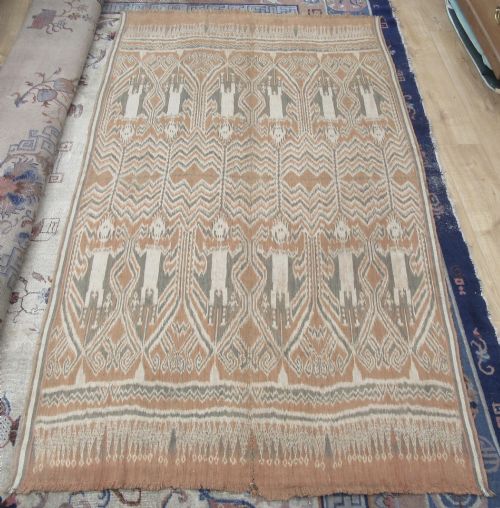


Large Textile Panel
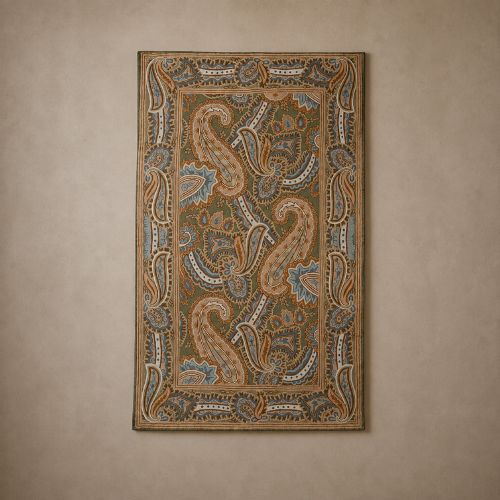
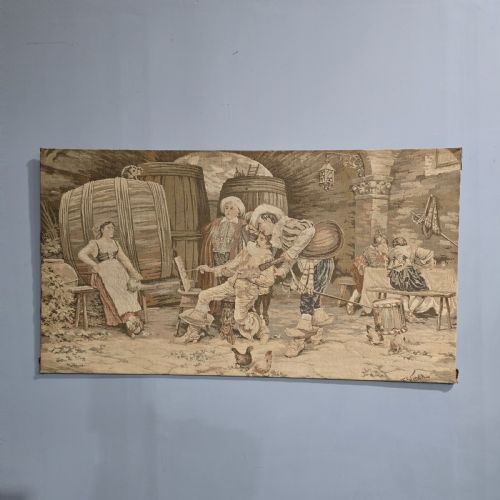
A large textile panel brings centuries of weaving, embroidery and design into a room, offering vast visual presence through historic tapestries, suzanins and needleworks.
Large Textile Panel
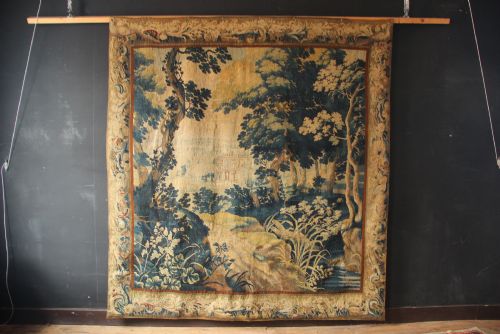
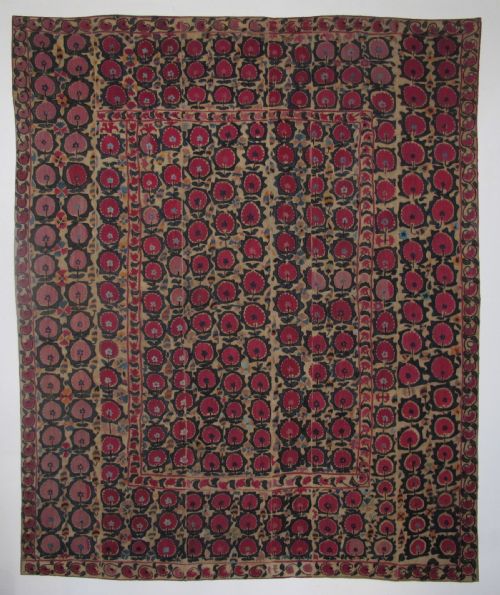
A large textile panel encompasses historic tapestries, embroidered hangings and woven works originating from European and Asian traditions. Buyers encounter pieces ranging from seventeenth-century Flemish verdure scenes to nineteenth-century Central Asian Suzanis and Ikats.
European examples on this page often take the form of framed or unframed French and Flemish pastoral or verdure tapestries executed in wool and silk. Asian counterparts include Uzbek Suzanis and tribal Turkmen pieces worked in rich cotton, silk and metallic threads.
Formats vary significantly, spanning wall hangings, needlework samplers and framed panels mounted on timber or wood. Each object serves primarily as a substantial wall hanging designed to anchor an interior space.
Materials and construction
These works rely on foundational textiles of wool, silk, cotton and linen, frequently enriched with metallic thread. Artisans employ complex weaving and embroidery techniques, including crewelwork and needlework, to build dense surface textures.
Many European panels utilise traditional warp and weft weaving methods seen in seventeenth and eighteenth-century workshops. Asian pieces demonstrate intricate needlework traditions, such as the tambour embroidery found on nineteenth-century Suzanis from Uzbekistan.
Large Textile Panel Retail Price Guide 2026
Typical asking prices for large textile panel among the pieces listed under this phrase on Sellingantiques today, from the lower quarter to the upper quarter. They describe what is for sale here now, not the wider market.
Listings span centuries from the 17th Century to the 1940s, incorporating wool, silk, cotton, linen and timber frames.
Judging the work
Quality rests upon the density of the weave or embroidery and the complexity of the design. Finer panels display superior colour retention, intricate pictorial detail and expert handling of scale, particularly in figurative verdure landscapes and tribal motifs.
The integrity of the ground fabric and the precision of the needlework distinguish finer examples from standard production. Original mountings, such as period timber frames or well-preserved timber supports, contribute further to an object's integrity.
The Large Textile Panel Glossary
- Verdure tapestry
- A woven wall hanging featuring a stylized landscape design dominated by foliage, trees and often birds or animals. These pastoral scenes typically date from the seventeenth and eighteenth centuries.
- Ikat
- A dyeing technique where yarns are tie-dyed prior to weaving to create distinctive feathered patterns. Panels utilising this method display striking geometric and abstract designs.
- Crewelwork
- A type of embroidery executed using wool yarn on a sturdy linen or cotton twill foundation. This technique allows for textured, high-relief floral and scrollwork patterns.
- Sampler
- A piece of needlework produced to demonstrate skill in various stitches and alphabets. Mid-Victorian examples often record the maker's name and age.
Large Textile Panel: Frequently Asked Questions
How do I hang a large textile panel?
Most panels require custom mounting onto a padded timber batten or a supportive backing board to distribute the weight evenly across the fabric. This prevents stretching and protects the structural integrity of historical fibres during display.
Heavier framed pieces utilise traditional mirror plates or heavy-duty D-rings fixed directly to the wooden frame. Professional framing or textile conservation mounting is recommended for fragile or seventeenth-century woven works.
Can these panels be exposed to direct sunlight?
Direct sunlight causes natural dyes found in wool, silk and cotton to fade irreversibly over time. Position panels away from south-facing windows or install UV-filtering window film to protect the colours.
Rotating the display location or using controlled ambient lighting helps preserve the visual balance of antique tapestries and embroidered panels.
How should I clean an antique textile panel?
Routine maintenance involves gentle surface dusting using a soft brush attachment through a protective mesh screen. Avoid shaking or beating woven panels, as this stresses fragile historic threads and backing fabrics.
Professional textile conservators should handle any deep cleaning or wet treatments. Household detergents and water will damage ancient silk, wool and metallic thread.
What is the difference between a tapestry and an embroidery?
A tapestry is a woven textile where the design is built up by interlacing warp and weft threads on a loom during the creation of the fabric itself. The image is structurally integrated into the textile.
Embroidery involves stitching decorative threads onto an already woven ground fabric, such as linen or cotton. Pieces like Suzanis and crewelwork panels rely on this needle-applied surface decoration.
How do I identify the period of a woven panel?
Period identification relies on stylistic cues, weaving techniques and the specific materials used within the construction. Seventeenth and eighteenth-century Flemish and French works typically feature distinct verdure palettes and pastoral iconography.
Nineteenth-century Central Asian and European Victorian pieces exhibit different regional colour combinations and stitching densities. Comparing the border designs and botanical motifs against documented examples confirms the era.