


Large Square Table
A large square table anchors a room with generous proportions, offering a balanced surface found in Victorian dining rooms, rustic farmhouses and country houses.
Large Square Table
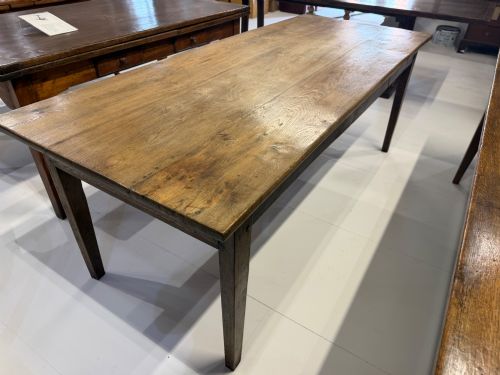
When searching for a large square table, buyers encounter diverse forms ranging from robust oak kitchen tables and scrubbed pine variants to polished mahogany dining pieces and centre tables. These items originate predominantly from the nineteenth century, including specific periods like the Victorian era, alongside early twentieth-century examples.
Makers and origins vary across the inventory, encompassing English country house pieces and painted Swedish kitchen tables. Each piece utilises its square format to create a distinct spatial presence within an interior.
How they were made
Construction relies heavily on traditional timber framing, utilising solid oak, pine, walnut, and mahogany for structural integrity and surface expanse. Master carpenters employed square section supports and precise joinery to ensure stability across these generous dimensions.
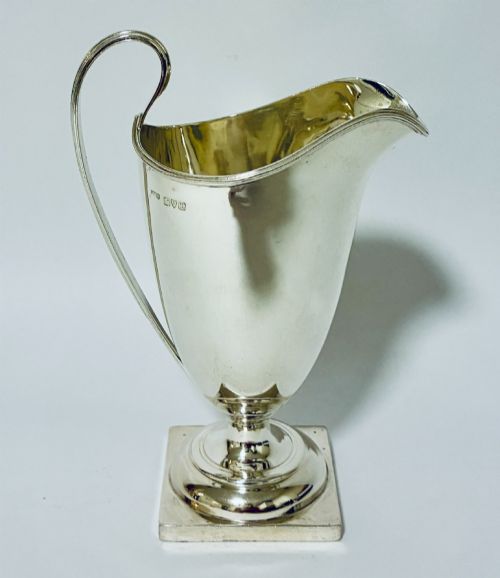
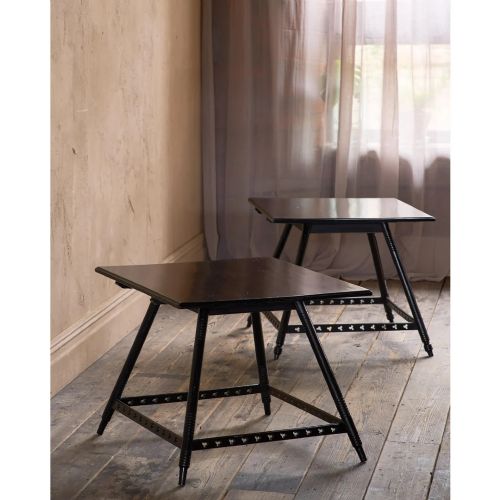
Surface treatments and secondary materials define the character of many pieces, featuring leather upholstery with buttoning, inlaid decorative details, and painted pine finishes. Brass fittings and sterling silver elements appear alongside ebonised wood to provide contrast and hardware detail.
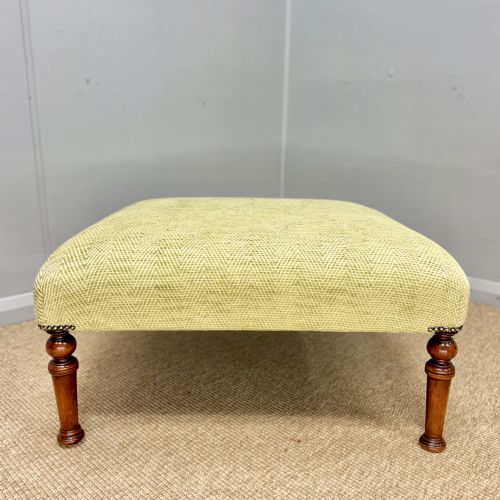
The inventory combines functional kitchen tables with decorative centre stools, footstools, and occasional coffee tables.
What varies in quality
Quality differentiates through the selection of timber and the precision of the underlying construction. Superior pieces demonstrate careful grain matching in mahogany or walnut, alongside robust framing that supports daily use without structural compromise.
The refinement of decorative elements, such as fine inlay work, hand-stitched buttoned leather upholstery, and the integrity of original painted or scrubbed wooden surfaces, distinguishes finer examples from simpler utilitarian forms.
Robson and Sons·Smiths Clockmakers
The Large Square Table Glossary
- Scrubbed pine
- A wooden surface repeatedly washed and scrubbed to create a pale, clean, matt finish. This treatment was standard for nineteenth-century kitchen tables.
- Pembroke table
- A table featuring drop leaves on two opposing sides supported by hinged brackets. They offer flexible surface area within domestic spaces.
- Aesthetic Movement
- A late nineteenth-century design style emphasising visual beauty over narrative subject matter. It produced furniture with refined lines and careful material selection.
- Square section supports
- Straight timber legs or pillars milled with four equal flat sides meeting at sharp 90-degree angles. This geometry provides clean architectural lines.
- Centre table
- A freestanding table designed to be viewed from all sides rather than pushed against a wall. They frequently occupy the middle of a principal room.
Large Square Table: Frequently Asked Questions
Where did large square tables go?
These pieces historically served demanding domestic functions in large country houses, farmhouses, and Victorian dining rooms where proportions required balanced furniture.
Today, buyers place them in spacious reception rooms, kitchens, and open-plan living areas to provide generous surface space and distinct period character.
How do I style a large square table?
A square footprint encourages symmetrical arrangement or central focal placement within a room, allowing movement around all four sides.
Pairing the table with matching seating or complementary low stools enhances the balanced geometry inherent in nineteenth-century designs.
What woods were used for square tables?
Cabinet makers utilised domestic and imported hardwoods including oak, mahogany, and walnut depending on the intended formality of the piece.
Softer woods like pine were reserved for utilitarian kitchen formats, often finished with scrubbed surfaces or painted outer frames.