


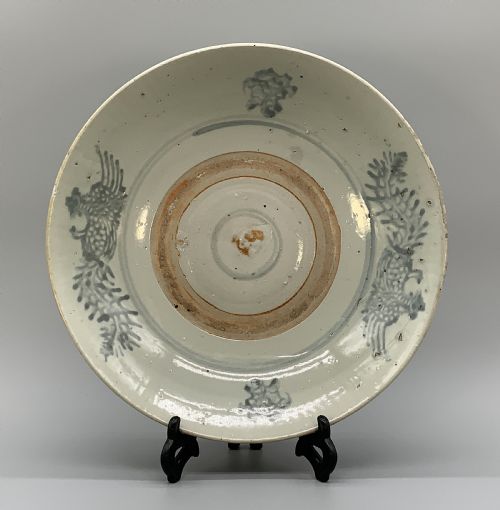

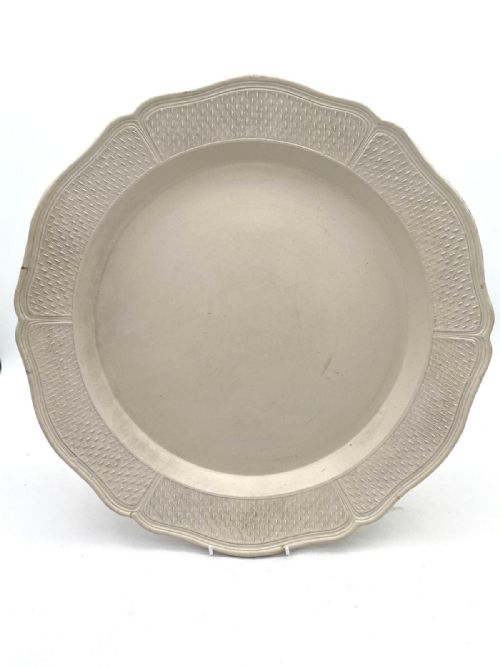
Large Serving Dish
A large serving dish anchors a table, offering substantial space for roasts, game and seasonal gatherings across centuries of dining.
Large Serving Dish
A large serving dish encompasses heavy meat platters, deep chargers and broad bowls designed for the centre of a formal or domestic board. When you search for a large serving dish, you encounter heavy ceramics, metallic trays and glazed earthen vessels meant for communal presentation.
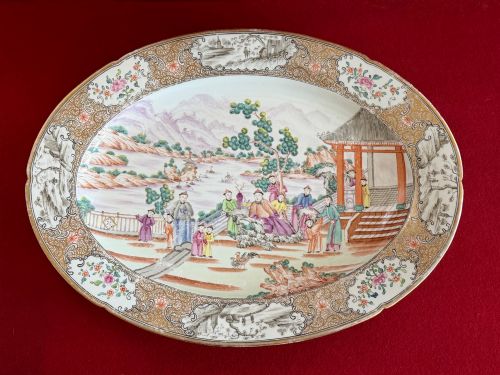
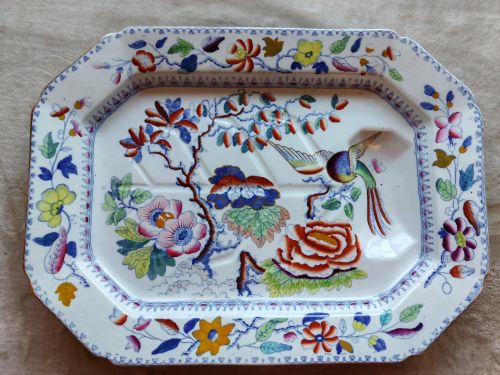
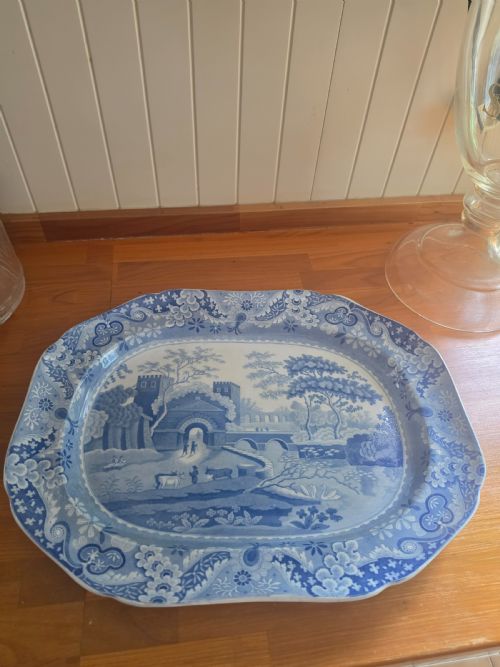
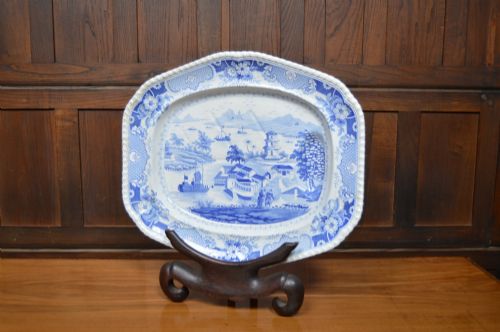
The versions most common on this page span transfer-printed earthenware meat platters from the Victorian era alongside deep chargers and porcelain dishes dating back to the eighteenth century. Makers shaped these pieces in oval, circular and scalloped forms to suit joints of meat, poultry and fruit.
Origins stretch from English potteries and Paris workshops to Chinese export kilns and Japanese studios, reflecting shifting dining habits over three hundred years. Each piece demonstrates the practical demand for generous tableware that could withstand regular use at table.
How they were made
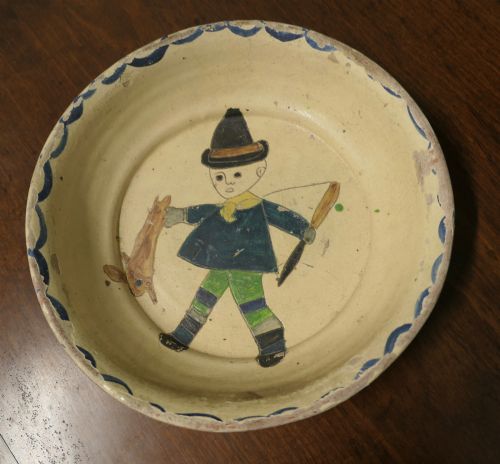
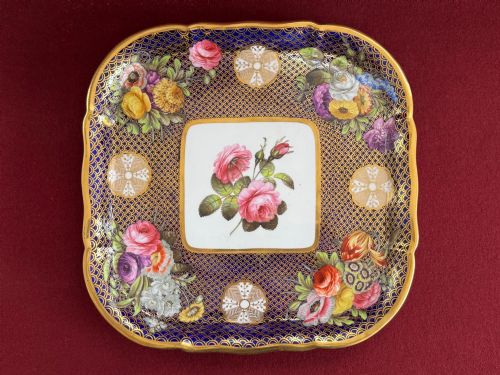
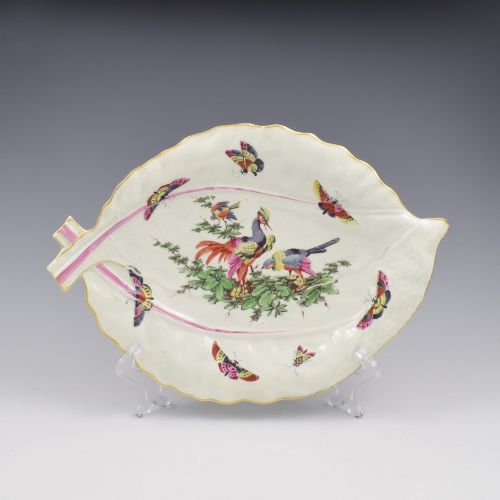
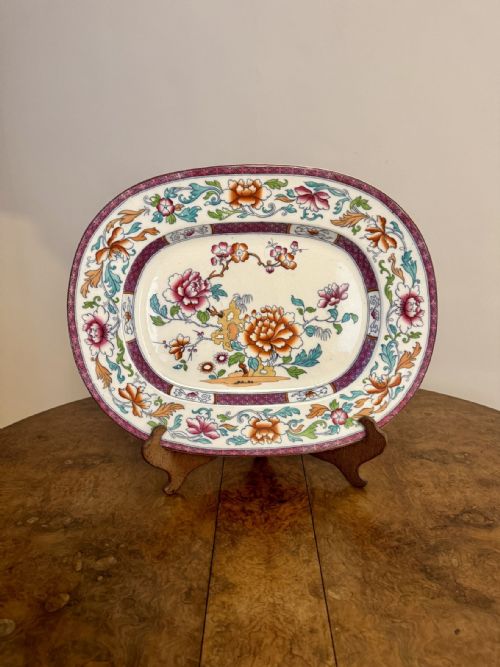
Potters and artisans formed these pieces from clay bodies like ironstone, porcelain, earthenware and saltglazed stoneware, often shaping them upon a wheel or pressing them into moulds. They applied lead and tin glazes, cobalt blue underglazes, enamel colours and gold leaf to decorate the surfaces before firing them in kilns.
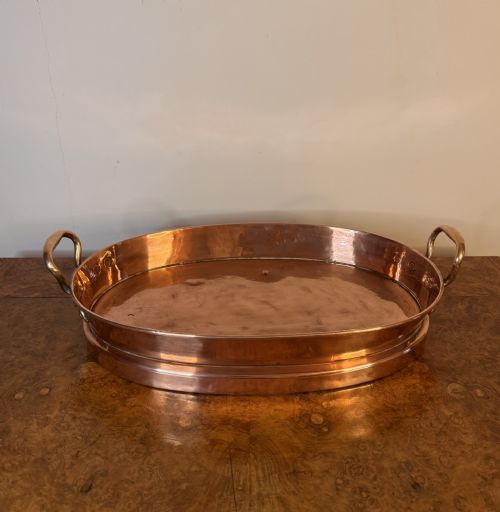
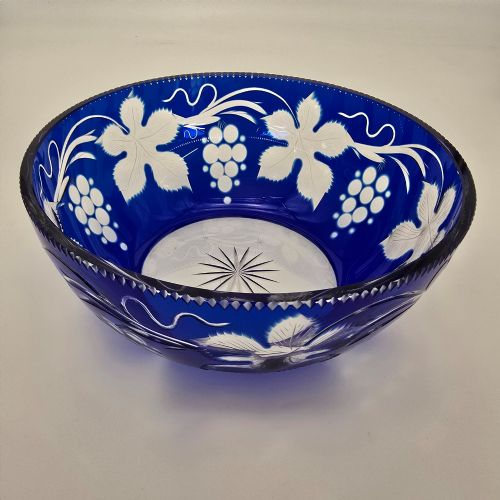
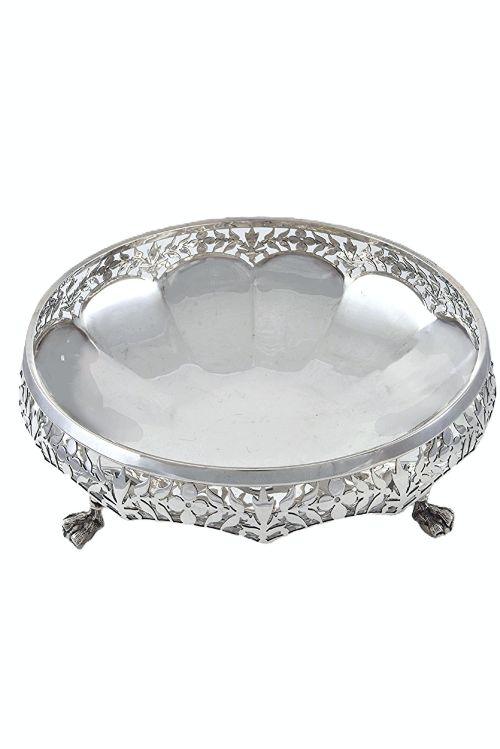
Metal smiths hammered pewter, brass, copper and silver plate into substantial chargers and warming trays, employing soldering and planishing techniques for structural strength. Glass cutters carved deep geometric patterns into clear and cobalt glass bowls to catch the candlelight.
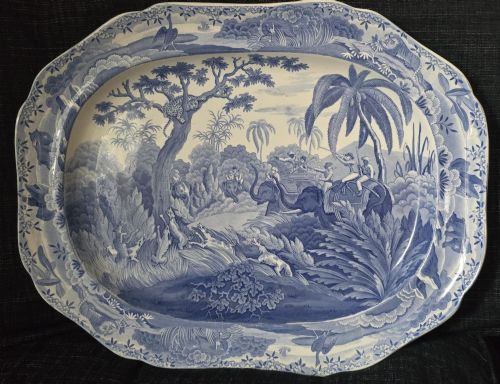
Transfer printing revolutionised earthenware production in the nineteenth century, allowing factories to apply complex landscape and figurative scenes onto meat platters with mechanical precision. Artisans also hand-painted detailed motifs in enamel and underglaze, ensuring each ceramic piece bore individual brushwork.
Large Serving Dish Retail Price Guide 2026
Typical asking prices for large serving dish among the pieces listed under this phrase on Sellingantiques today, from the lower quarter to the upper quarter. They describe what is for sale here now, not the wider market.
One heavy meat dish depicts a leopard hunt, proving that nineteenth-century dinner guests enjoyed some drama with their roast.
What varies in quality
The standard of a large serving dish rests upon the crispness of its moulded or transfer-printed decoration and the weight of its material. Heavy ironstone and thick pewter indicate durability, while fine porcelain and cut glass reveal delicate craftsmanship.
Artisanal control defines the upper tier, seen in the registration of transfer prints, the depth of hand-cut facets in glass, and the richness of enamel and gold leaf application. Firing stability also separates superior pottery from distorted bodies that warped in the kiln.
Spode·Thomas Alderson·Mann Co·Samson Paris·Copeland Garrett
The Large Serving Dish Glossary
- Charger
- A large broad plate or dish, typically placed beneath smaller courses or used centrally for serving joints of meat. These substantial pieces often measured over twelve inches across.
- Transferware
- Earthenware or porcelain decorated by pressing a paper design inked with copperplate engraving onto the porous clay body. This technique enabled factories to produce intricate blue and white patterns consistently.
- Ironstone
- A dense, heavy type of durable ceramic patented in the nineteenth century to imitate Chinese porcelain while offering greater strength for daily kitchen and dining use.
- Imari
- A Japanese style of porcelain featuring distinctive dark blue, iron red and gold decoration, often produced for export to European markets.
- Treen
- Small domestic wooden objects and vessels turned on a lathe or carved by hand from native timbers such as ash.
Large Serving Dish: Frequently Asked Questions
What is a large serving dish used for?
These large vessels were primarily made to present whole joints of meat, poultry, fish and substantial piles of fruit at the dining table. Their generous proportions allowed households to serve multiple guests from a single central platter.
Over time, collectors repurposed them as decorative wall chargers, table centerpieces or display items. Their robust construction suits both functional dining use and interior display.
How do I date a ceramic meat platter?
Pottery dating relies on backstamps, ceramic bodies, glaze characteristics and the style of the printed or hand-painted transfer scene. Early nineteenth-century pieces often feature specific registry marks or ironstone weight.
Examining the foot rim and the foot's wear patterns also reveals age. Unglazed rims and crazed glazes point towards older periods of manufacture.
Are pewter chargers safe for food?
Older pewter compositions may contain lead, which requires caution if used directly with acidic foods or heavy everyday dining. Most collectors display historical pewter chargers on walls or sideboards rather than using them for meals.
Regular cleaning with non-abrasive cloths preserves the antique metal surface without stripping the natural dark patina built up over centuries.
How do I care for antique glass dishes?
Cut glass and coloured glass bowls need gentle hand washing in lukewarm water using mild detergent. Sudden temperature changes cause thermal shock and crack aged glass.
Storing them on stable, flat surfaces away from direct sunlight protects their polished edges and cobalt surfaces from accidental chips.