
Large Regency Overmantel Mirror
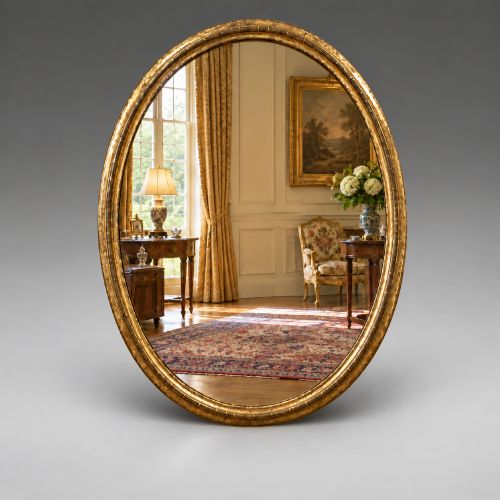
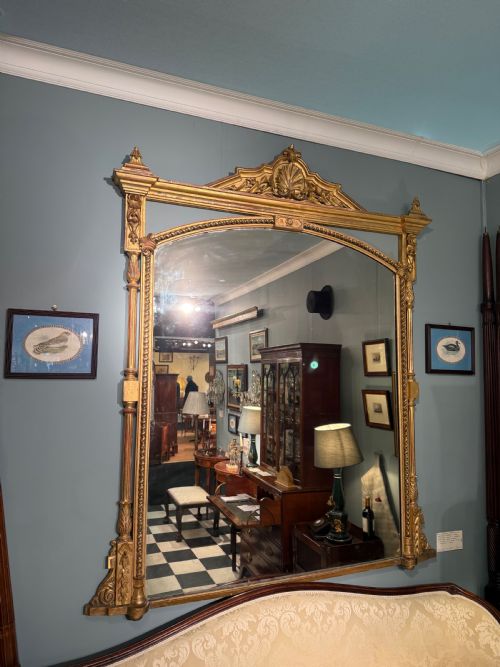
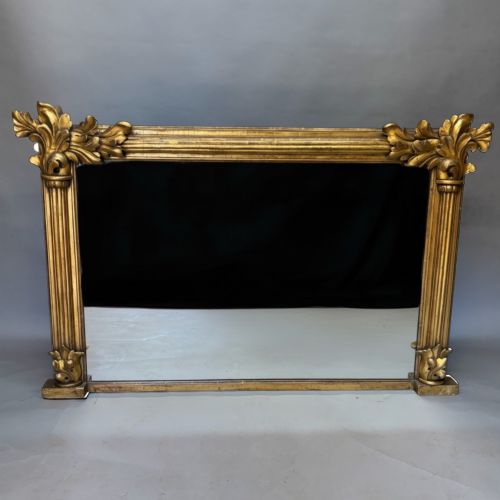
A large regency overmantel mirror anchors a chimney breast with horizontal breadth and classical proportion, bringing light and presence to a principal reception room.
Large Regency Overmantel Mirror
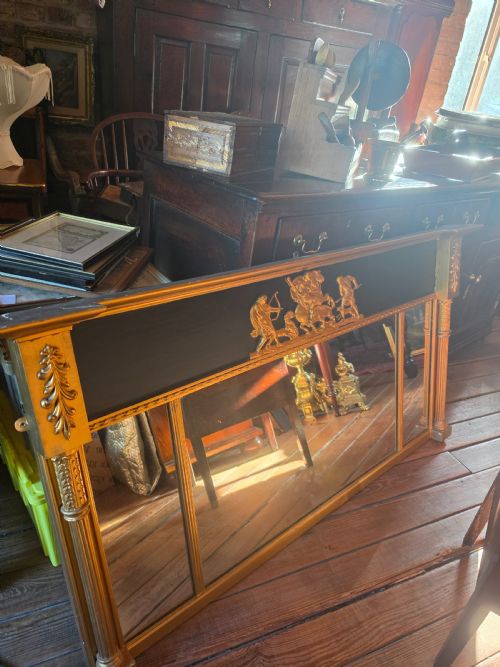
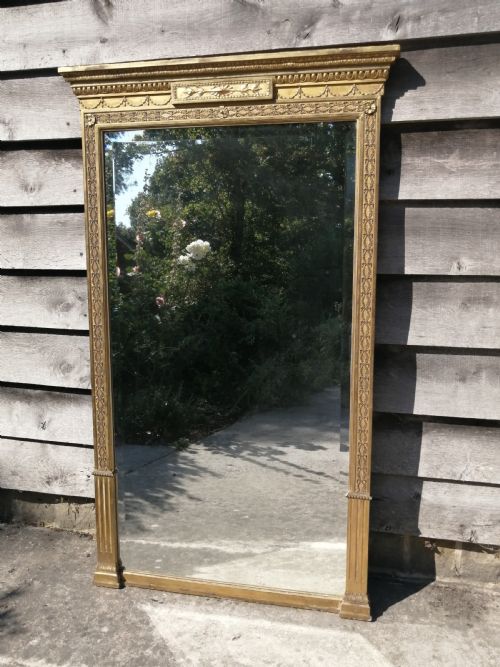
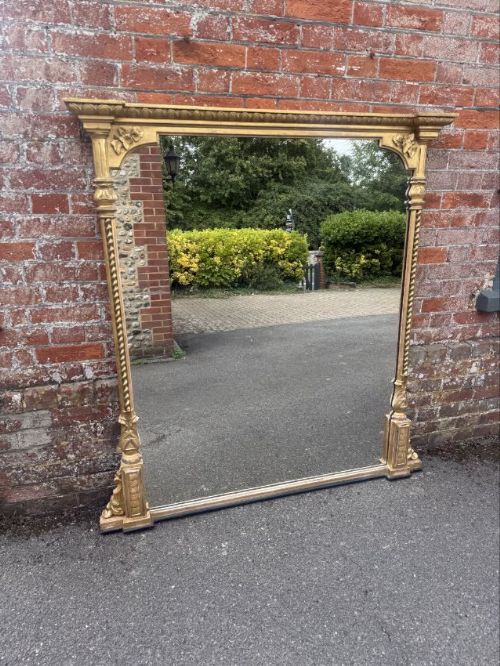
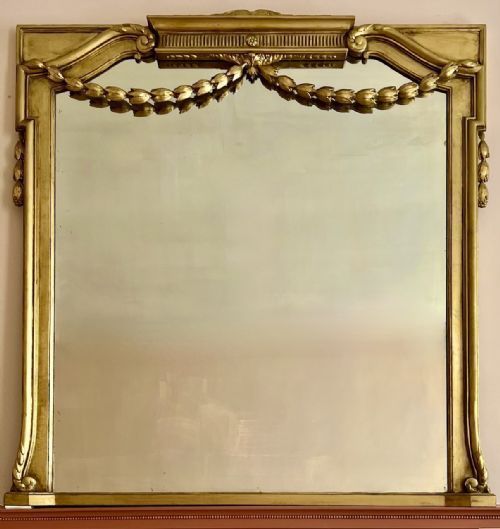
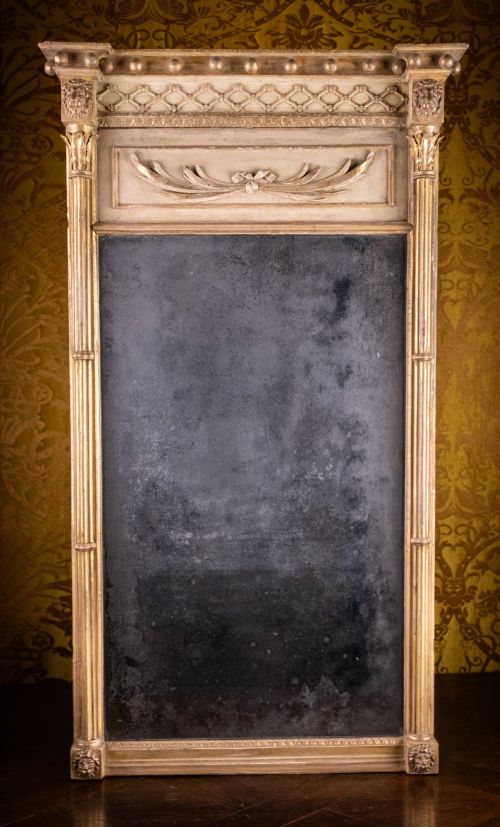
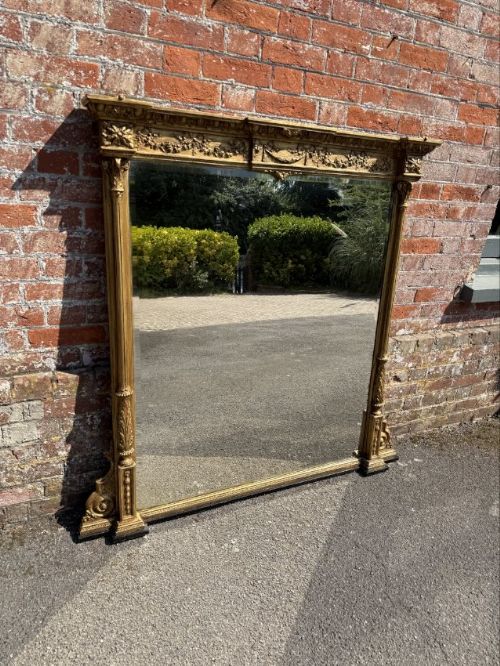
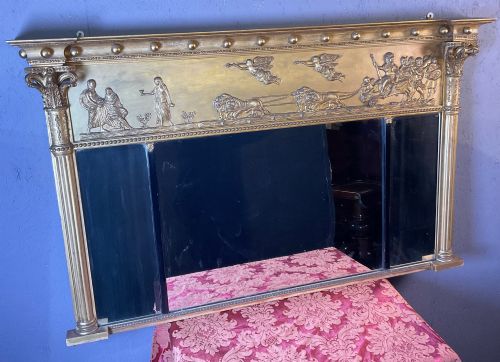
A large regency overmantel mirror is a wide looking glass designed to sit directly above a fireplace mantel, predominantly originating from the nineteenth century with later revivals. The form includes neoclassical designs, architectural frames with columns or pilasters, and triptych plates.
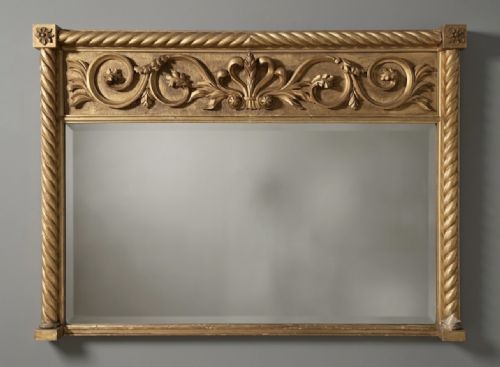
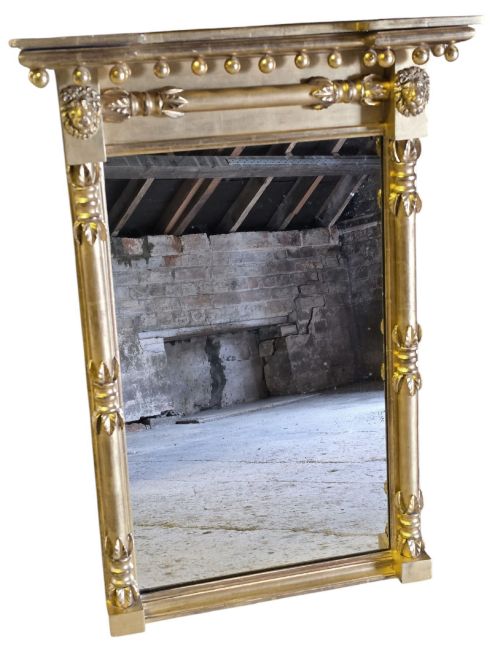
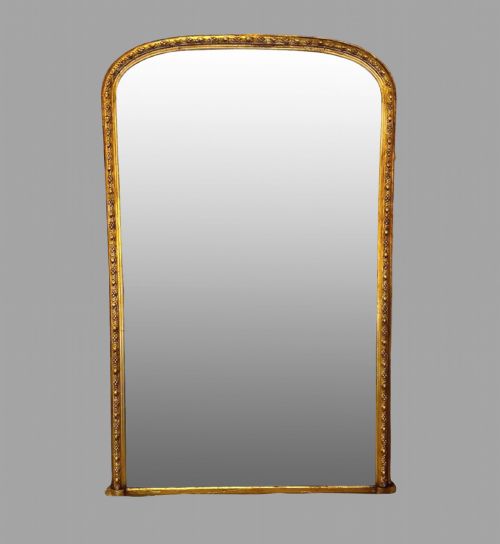
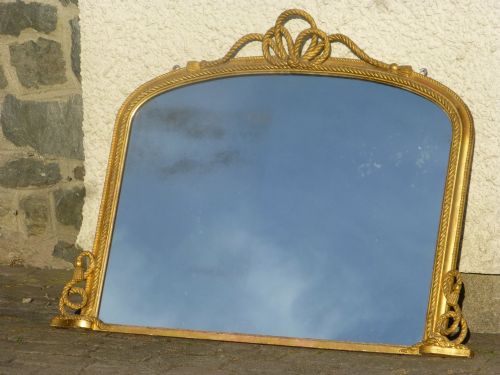
Buyers frequently encounter English pieces from the regency and georgian eras alongside later victorian interpretations in the regency style. Examples range from rectangular formats with rope twist mouldings to arched and shaped tops incorporating lion masks or verre eglomise panels.
Materials and construction
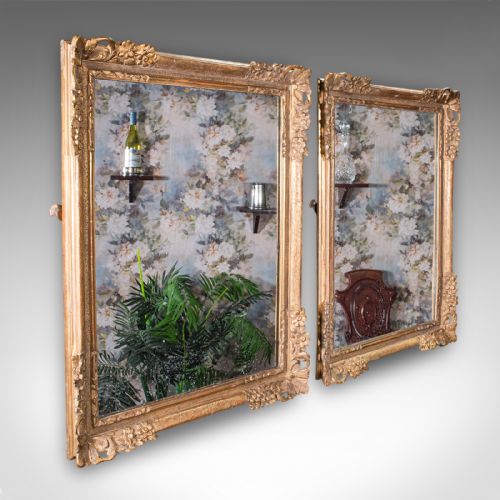
Frames are constructed from carved wood, gesso, and giltwood, utilising gold leaf or paint to achieve a gilded surface. Composition ornament is frequently applied over wooden substrates to create crisp neoclassical details and rope twist motifs.
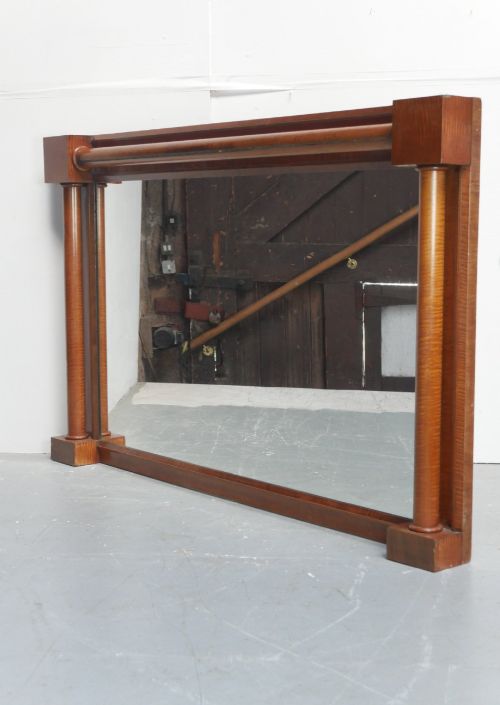
Mirror plates are set within the frame, occasionally surviving with original glass or exhibiting foxing. Some variations incorporate bird's eye maple or green painted elements alongside traditional gold leaf finishes.
Several mirrors include mythical beasts, with carved lion masks keeping a watchful gaze over centuries of drawing room conversations.
Judging execution
The distinction in quality lies in the crispness of the carved wood and gesso ornamentation, where sharply defined rope twists, columns, and neoclassical decorations indicate superior workshop standards. Heavy or softened moulding details suggest lower tiers of production.
The integrity of the surface finish and the preservation of the original mirror plate heavily influence the standing of a piece. Hand-applied gilding and clear, deep reflection demonstrate better craftsmanship than flat, uniform modern replating or poorly adhered secondary layers.
The Large Regency Overmantel Mirror Glossary
- Overmantel mirror
- A large horizontal looking glass specifically scaled to hang above a fireplace mantelpiece. These pieces often feature tripartite plates or architectural framing.
- Giltwood
- Timber that has been coated with a thin layer of gold leaf over a prepared gesso ground. This technique creates a luminous, warm metallic surface.
- Gesso
- A plaster-like mixture applied to wooden frame foundations and carved or moulded into decorative relief details. It provides a smooth base for subsequent gilding.
- Verre Eglomise
- A cold decoration technique where design is applied to the reverse of glass using gold or silver leaf and pigment. It frequently appears in upper panels of pier and overmantel mirrors.
- Pier mirror
- A tall looking glass designed to hang on the wall space between windows. They share stylistic vocabulary with overmantel mirrors but typically feature a more vertical proportion.
Large Regency Overmantel Mirror: Frequently Asked Questions
How do I hang a heavy overmantel mirror?
These large gilded frames require professional wall fixings secured directly into masonry or substantial timber studs to bear the considerable weight safely. The horizontal expanse distributes load across multiple secure hanging points.
Position the frame so the lower edge sits closely above the mantelpiece without resting dead weight upon the marble or wood shelf. This protects both the chimney piece and the structure of the mirror frame.
What is a triptych plate mirror?
A triptych plate mirror divides the main looking glass into three distinct vertical sections within a single overarching frame. This division reflects historical glass-making limitations and creates a rhythmic architectural appearance.
Such layouts expand visual width in a room while maintaining the sturdy proportions favoured during the early nineteenth century. The side sections are frequently narrower than the central glass.
How can I identify original antique glass?
Original mirror plates often display subtle imperfections, slight surface waviness, and light foxing where the silvering behind the glass has aged. These characteristic signs show genuine age rather than modern industrial float glass.
Bright, uniform reflectivity without any dark spots or atmospheric speckling usually points towards a later replacement plate. Many collectors prefer the soft, undisturbed character of a genuine nineteenth-century silvered surface.
Where should I place an overmantel mirror?
While traditionally anchored to the chimney breast of a principal reception room, these mirrors suit large dining spaces or grand entrance halls. Their horizontal scale naturally draws the eye and anchors surrounding furniture.
Ensure the opposing wall reflects natural light from a window to maximise illumination within the interior. Avoid damp environments that could compromise the wooden substrate and historical gesso layers.