





Large Porcelain Planter
A large porcelain planter brings immense presence to a room, holding generous greenery or standing alone as a striking decorative anchor.
Large Porcelain Planter
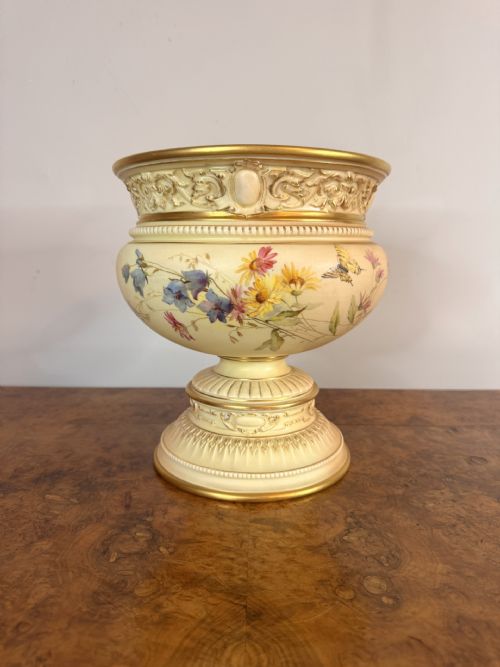
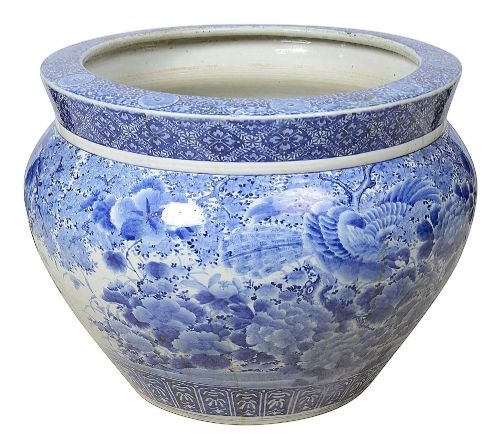
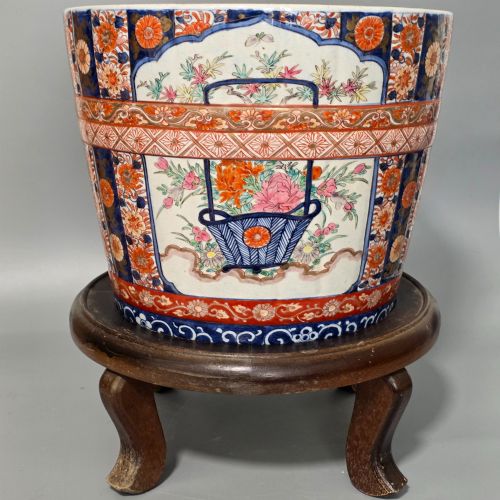
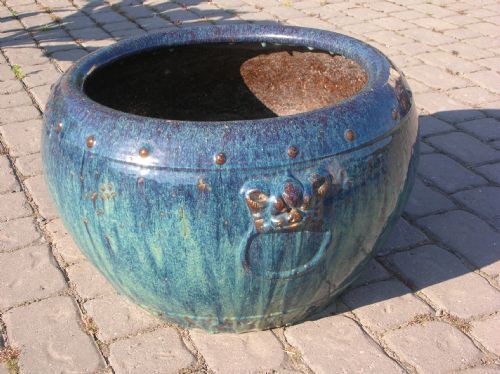
A large porcelain planter encompasses substantial vessel forms including jardinières, fish bowls, footbaths, and grand vases created to house living plants or display floral arrangements. These pieces frequently manifest as deep, heavy bowls designed with flat bases or paired with associated hardwood stands to elevate their profile. The selection draws heavily from nineteenth-century Japanese Imari, Chinese blue and white porcelain, and European ceramic traditions ranging from Victorian Staffordshire to Art Nouveau production.
Buyers seeking a large porcelain planter will encounter diverse regional aesthetics, from intricate Chinoiserie motifs and vibrant cobalt underglaze pigments to elaborate Satsuma bowls and Samson Imari copies. Forms span traditional fish bowls used for aquatic displays to classical jardinières and monumental vases adapted for interior botanical displays. Pieces often date across the eighteenth, nineteenth, and early twentieth centuries, reflecting enduring domestic tastes for grand-scale horticultural display vessels.
Materials and construction methods
Construction relies upon heavy-gauge ceramic bodies formed as porcelain or earthenware, frequently finished with rich glaze layers and cobalt pigment decoration. Artisans applied cobalt underglaze beneath clear protective surfaces or built up intricate enamel detailing over fired glazes to achieve deep coloration and permanent patterning.
Large Porcelain Planter Retail Price Guide 2026
Typical asking prices for large porcelain planter among the pieces listed under this phrase on Sellingantiques today, from the lower quarter to the upper quarter. They describe what is for sale here now, not the wider market.
Current listings feature porcelain planters spanning the eighteenth century through the Art Nouveau era, alongside traditional hardwood stands.
Factors determining quality
Distinction across a large porcelain planter rests on the crispness of hand-painted underglaze work, the depth of the glaze, and the structural integrity of heavy ceramic walls. Superior examples display controlled pigment application without muddy bleeding, alongside uniform glaze coverage free of major firing distortions.
The integration of associated elements, such as bespoke hardwood stands or matching component pairs, elevates a piece by preserving its original proportion and intended visual balance within an interior setting.
Staffordshire Adams·Royal Dux
The Large Porcelain Planter Glossary
- Jardiniere
- A large ornamental pot or bowl designed to hold a plant or flower arrangement, typically displayed on the floor or a low table rather than a windowsill.
- Cobalt Pigment
- A deep blue mineral colour used extensively in underglaze ceramic decoration, remaining stable under extreme kiln heat.
- Imari
- A style of Japanese export porcelain characterised by a palette of underglaze blue, iron red, and gilt highlights.
- Chinoiserie
- European artistic style and decoration reflecting Chinese motifs and techniques, popular in various historical periods.
- Footbath
- A large ceramic basin originally utilised for personal hygiene, frequently repurposed as a deep planter or decorative bowl.
Large Porcelain Planter: Frequently Asked Questions
How were these large planters originally used?
These large vessels served practical domestic roles as heavy jardinières for indoor palms, fish bowls for aquatic displays, or deep basins for washing.
Over time, many transitioned into purely decorative architectural elements within grand interiors, valued for their sheer visual weight and colourful painted surfaces.
Can I plant directly inside these antique vessels?
Many collectors prefer to place a modern nursery pot inside the antique ceramic vessel rather than filling the bowl with wet soil directly.
This method protects the historic interior glaze and porous ceramic body from moisture damage and mineral salt accumulation.
Why do some planters include wooden stands?
Associated hardwood stands were carved to elevate heavy ceramic bowls off cold floors and to protect fine interior flooring from moisture.
These stands provide architectural balance to deep vessels, framing the curved silhouette of the planter above.