






Large Photo Frame
A large photo frame holds a portrait with presence, bringing substance and proportion to a desk or mantelpiece.
Large Photo Frame
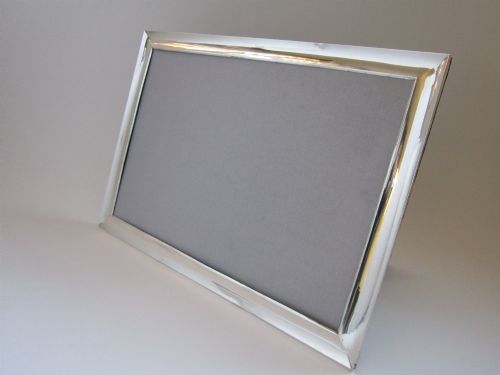
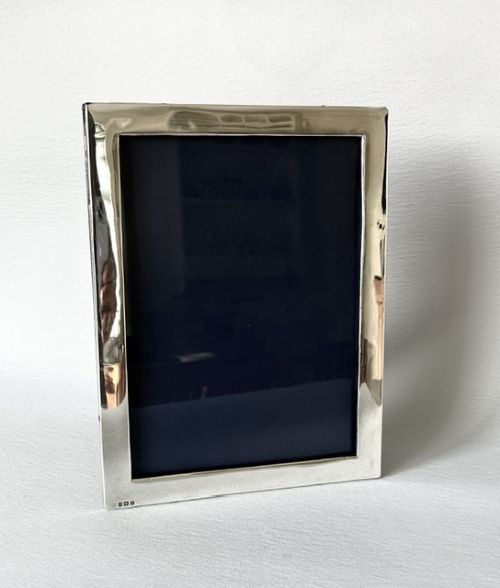
A large photo frame serves to display substantial portraits and photographs, giving presence to domestic interiors through generous scale and decorative borders. When looking for a large photo frame, one encounters pieces spanning the Victorian, Edwardian, and George V periods, alongside later mid-century examples.
The objects take several forms, including dedicated photograph frames, picture frames, and glazed housings that accommodate cards and prints. Many feature hinged struts or two-way backs, allowing portrait or landscape orientation upon a surface.
Originating predominantly from English workshops, alongside French and Italian makers, these pieces utilise precious metals, base metals with gilding, and solid timber. The material choice dictates the visual weight of the object within a room.
How they were made
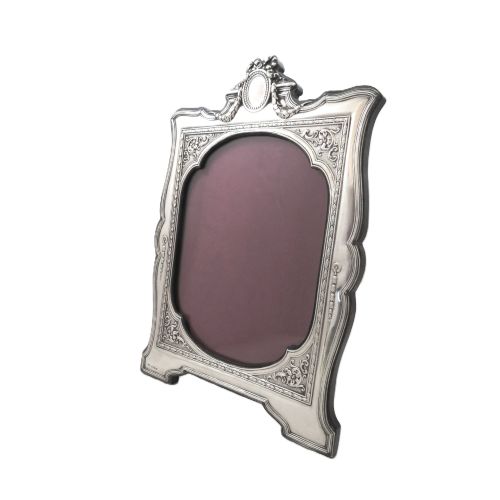
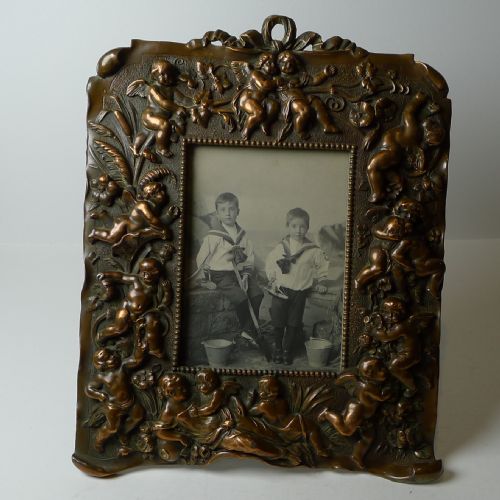
Sterling silver and silver-plated frames employ sheet metal formed over wooden carcasses or backed with velvet, fabric, and card, often secured with hinged metal fixings. Decoration on metal surfaces relies on engine-turning, embossing, and cast applications such as ribbons, floral borders, and cherubs.
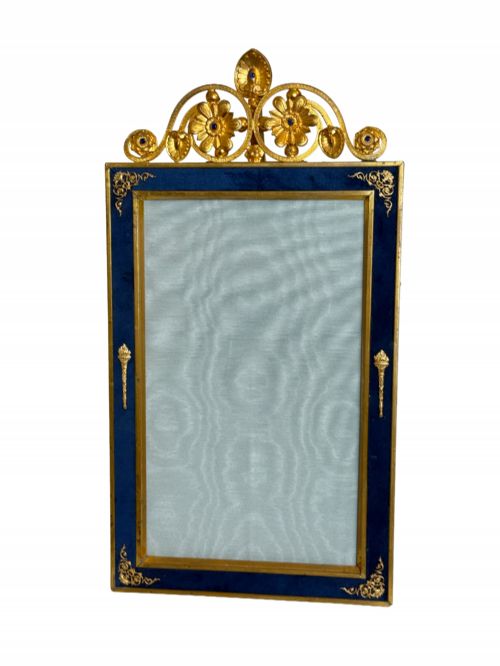
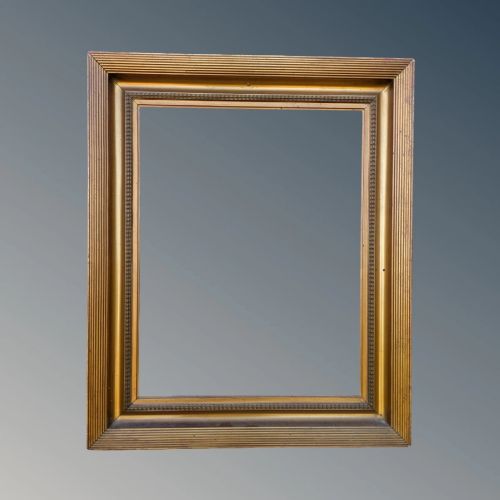
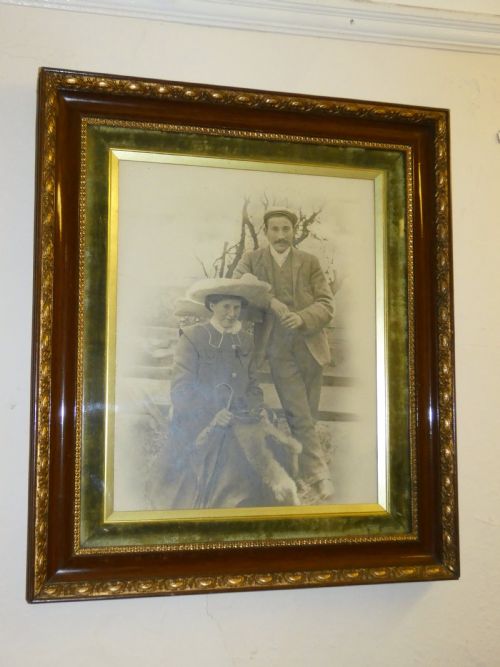
Gilt bronze, brass, and gesso moulded frames utilise cast metal components or carved plaster finished with gold leaf or metallic paint, paired with blue trim or timber structures. Oak and alternative woods are shaped to form structural surrounds, sometimes incorporating brass mounts or applied decorative motifs.
Large Photo Frame Retail Price Guide 2026
Typical asking prices for large photo frame among the pieces listed under this phrase on Sellingantiques today, from the lower quarter to the upper quarter. They describe what is for sale here now, not the wider market.
Listings feature sterling silver, gilt bronze, and solid oak materials spanning the Victorian to Mid-20th Century periods.
What varies in quality
Quality reveals itself in the weight of the metal and the depth of the ornamentation, where crisp hand-chased floral borders and deep engine-turned patterns distinguish superior metalwork from plain or pressed alternatives. The structural integrity of the backing material and the original integrity of the silver hallmarks or maker marks also separate standard production from finer commissions.
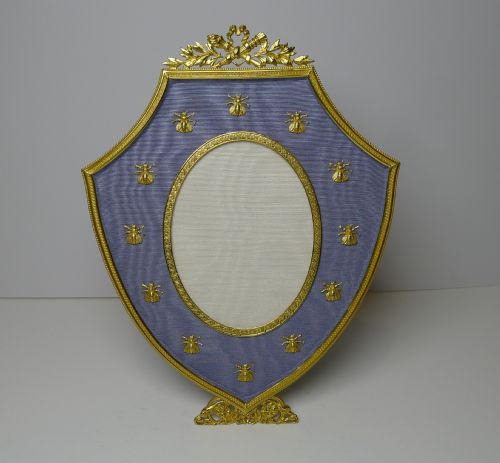
Finer French and Italian gilt bronze or silver specimens demonstrate sophisticated casting, such as detailed Napoleonic bees or sculptural cherubs, whereas simpler frames rely on basic linear moulding. The presence of original fitted wooden backs, support struts, and glass components indicates a higher degree of preservation.
Henry Matthews·Bishton s Ltd·Emile Langlois
The Large Photo Frame Glossary
- Sterling silver
- A silver alloy containing 92.5 percent pure silver and 7.5 percent other metals, typically copper, used extensively in Edwardian and George V frame construction.
- Engine-turned
- A decorative technique involving precise geometric patterns mechanically engraved into metal surfaces using a lathe.
- Gesso
- A plaster-like mixture applied to a wooden base and carved or moulded to form decorative relief ornament before gilding.
- Hallmark
- An official stamp applied to precious metals indicating the standard of purity, the assay office, and the date of manufacture.
- Aperture
- The open viewing window of a frame through which the photograph or picture is displayed.
Large Photo Frame: Frequently Asked Questions
How do I date a silver photo frame?
Silver frames often carry hallmarks that include assay office symbols and date letters, which identify the exact year of manufacture.
Stylistic indicators such as Edwardian garlands, Art Deco geometric lines, or Victorian floral embossing also point to specific decades.
Can these frames be displayed both ways?
Many examples feature two-way backs with dual hinges, allowing the frame to stand in either portrait or landscape orientation.
Checking the rear strut configuration confirms whether the frame accommodates multiple display angles.
What metals are used besides silver?
Makers utilised gilt bronze, brass, and silver-plated base metals alongside solid sterling silver for durable construction.
Gilt bronze and brass frames often feature cast decorative elements like ribbons or Napoleonic bees.
How are the velvet backs secured?
Backings are typically formed from wood covered in fabric, velvet, or paper, held in place by small pivoting metal clips.
These backing boards support the structural integrity of the glass and photograph within the aperture.