





Large Oriental Jar
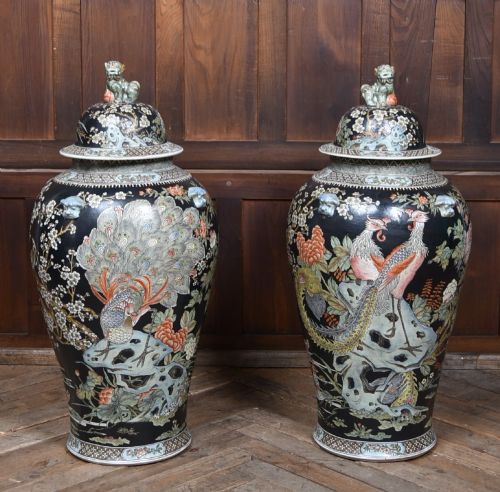
These large oriental jar pieces bring substantial scale and intricate hand-painted detail to any room.
Large Oriental Jar
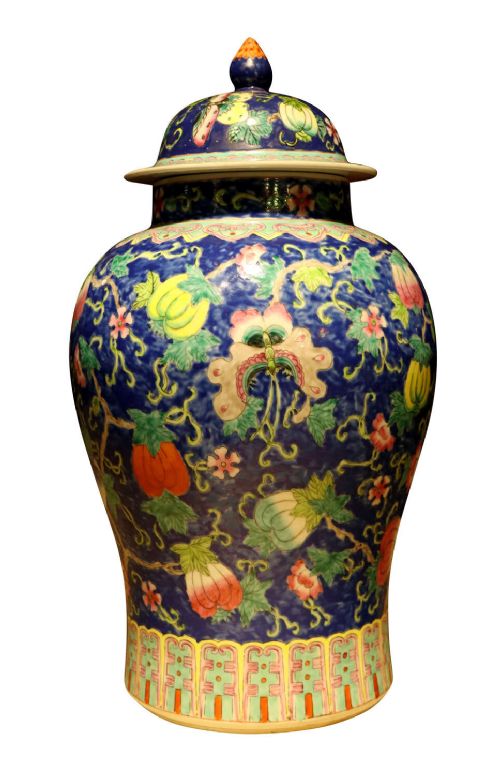
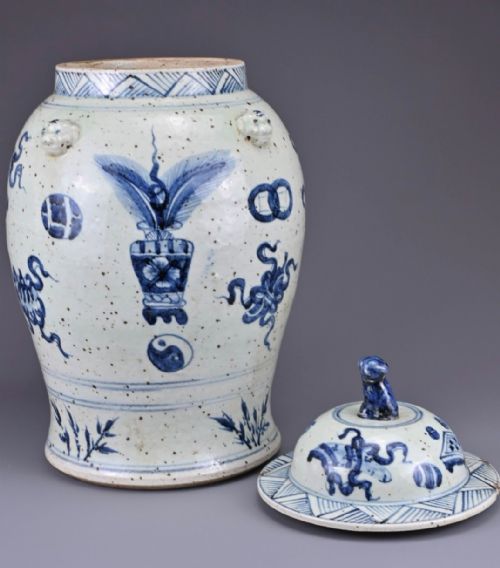
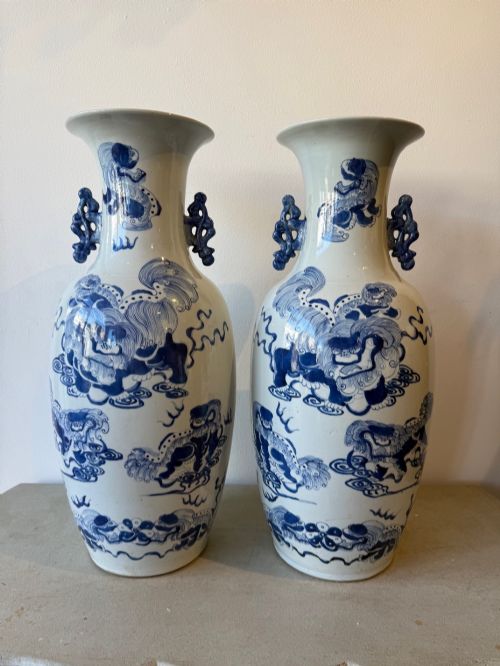
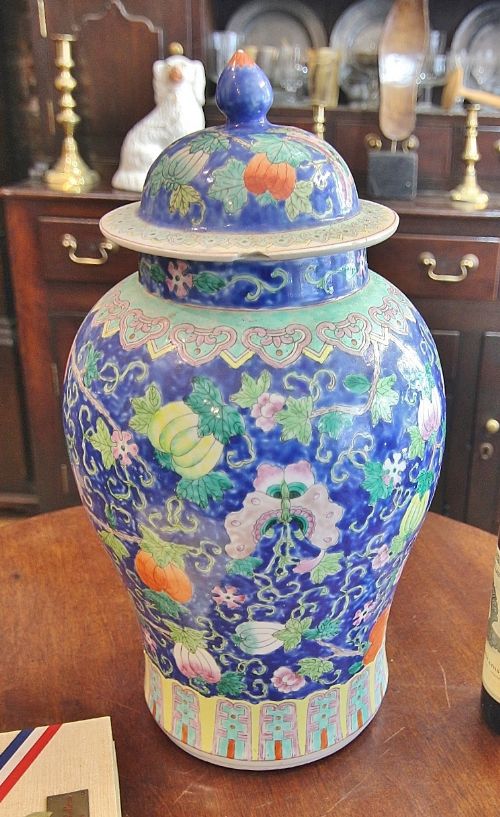
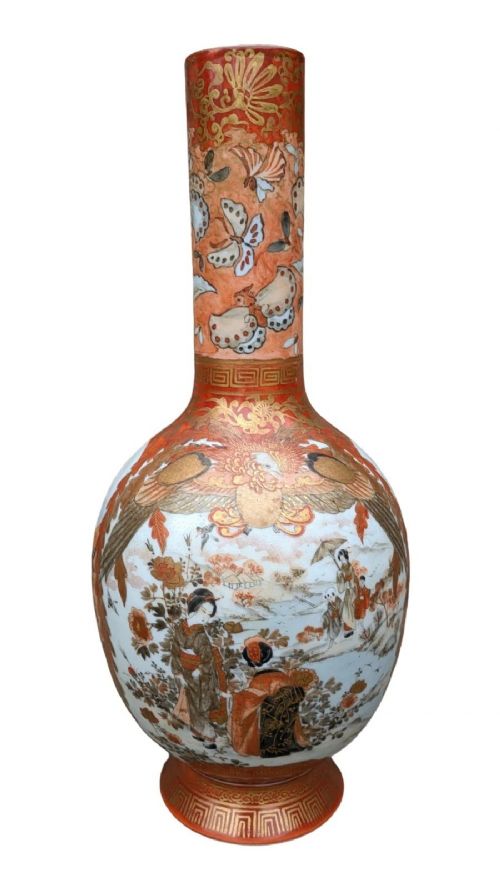
A large oriental jar encompasses substantial ceramic vessels spanning the eighteenth, nineteenth, and early twentieth centuries, originating from Chinese and Japanese kilns. Buyers exploring this category encounter floor-standing vases, lidded temple jars, and table lamps created for both domestic display and export markets.
Materials and construction
Potters shaped these vessels using porcelain, earthenware, and bronze, applying rich mineral glazes and underglaze blue pigments before high-temperature kiln firing. Artisans often layered enamel colours and gold leaf over the fired glaze to achieve intricate surface patterns.
Cloisonné variants utilise delicate brass wires soldered to metal bodies to form cellular compartments, which workers then filled with coloured enamel pastes before polishing.
Large Oriental Jar Retail Price Guide 2026
Typical asking prices for large oriental jar among the pieces listed under this phrase on Sellingantiques today, from the lower quarter to the upper quarter. They describe what is for sale here now, not the wider market.
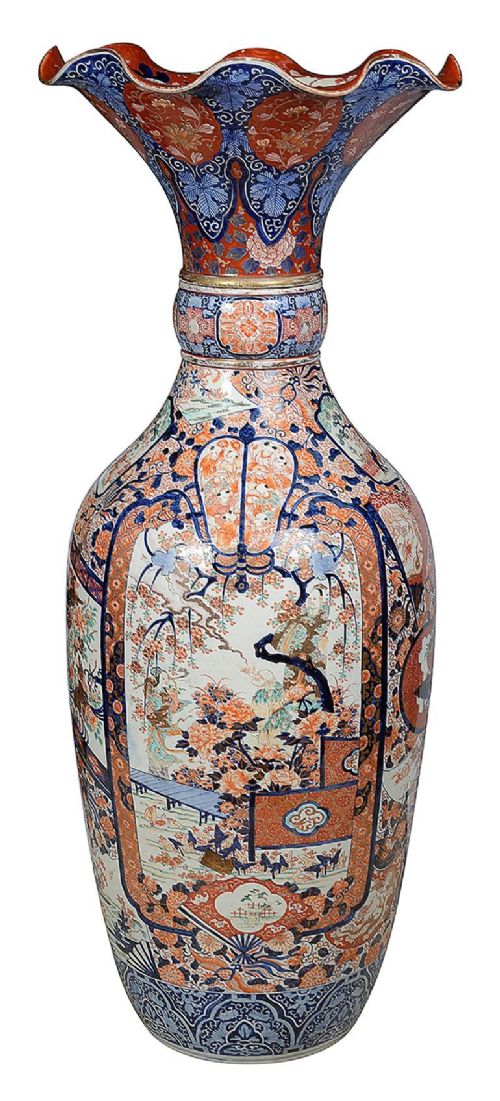
Some oversized vessels stand remarkably taller than an average adult, demanding clever navigation through historic doorways.
Distinctions in quality
Excellence in these ceramics rests upon the crispness of the hand-painted brushwork, the depth and stability of the glaze, and the symmetry of the thrown body. Finer pieces demonstrate precise control over cobalt blues and vibrant enamel palettes without muddy bleeding at the outlines.
The weight and finish of the bronze mounts or the tightness of fitted lids further separate standard export productions from exceptional workshop commissions.
Makuzu Kozan·Kinkozan
The Large Oriental Jar Glossary
- Imari
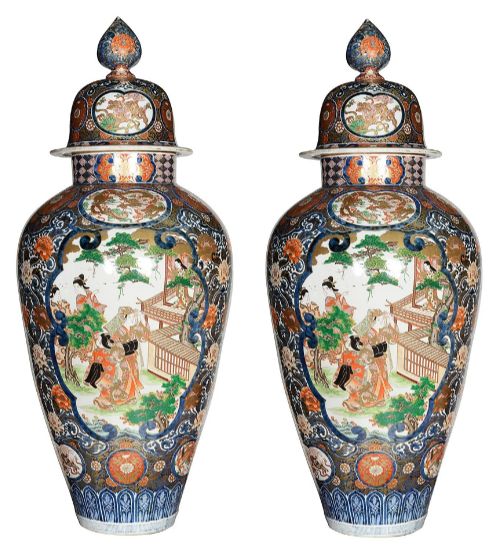
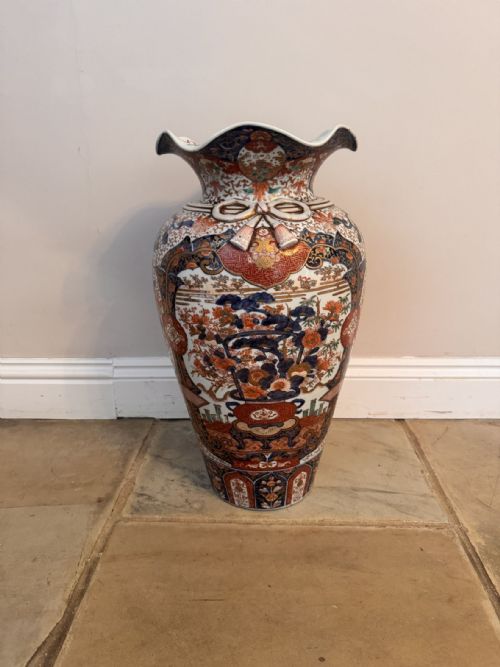
- A Japanese export porcelain style characterised by underglaze blue, iron red, and gold highlights. This palette developed in Arita and gained immense popularity across European courts.
- Satsuma
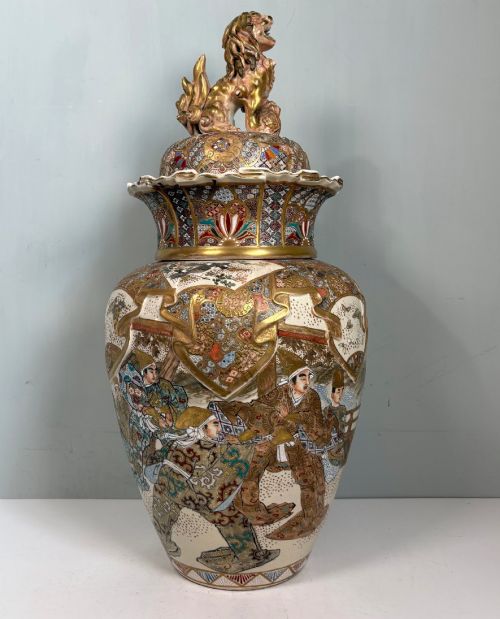
- An earthenware ceramic type featuring a crackled ivory glaze decorated with polychrome enamels and raised gold. Workshops in Japan produced these extensively for the export trade during the nineteenth century.
- Cloisonne
- A decorative metalwork technique where wire compartments hold enamel pastes prior to firing. Artisans grind and polish the cooled surface to create smooth, patterned vessels.
- Celadon
- A pale green or grey-green transparent glaze applied over porcelain. This finish imitates the appearance of jade and originates from ancient Chinese kilns.
Large Oriental Jar: Frequently Asked Questions
How were large oriental jars used originally?
Households utilised these substantial vessels as decorative floor ornaments, umbrella stands, or lidded containers for dry goods and potpourri. Many also served as prestigious focal points in grand reception rooms.
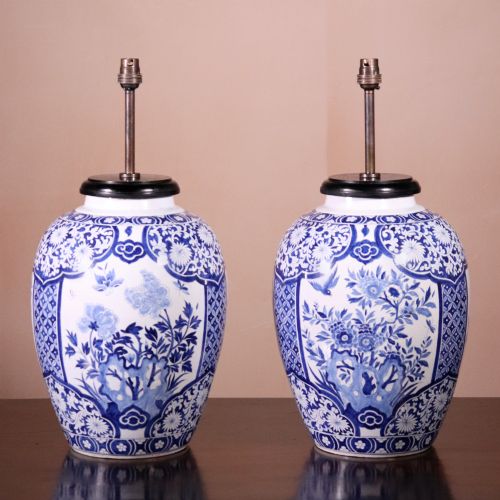
Over time, owners frequently converted them into table lamps by running electrical wiring through the ceramic bodies.
How do I care for antique ceramic jars?
Dust the exterior gently with a soft, dry cloth to prevent abrasive particles from scratching the delicate enamel or gold leaf details. Avoid chemical cleaning products entirely.
Keep these vessels away from direct sunlight and damp environments to protect the integrity of the antique glazes and metal mounts.
How can I tell Satsuma ware apart from Imari?
Satsuma ceramics utilise an earthenware body covered in a finely crackled ivory glaze, painted with dense enamel and gold designs. They prioritize matte textures and pictorial scenes.
Imari pieces employ a hard porcelain body with a crisp white ground, defined by a distinct palette of deep cobalt blue, iron red, and gilt.
Are these jars heavy to display safely?
These vessels possess considerable weight due to their thick walls and large dimensions, often requiring sturdy foundational placement. Floor jars and palace vases demand stable, level surfaces away from heavy foot traffic.
When positioning lidded examples, ensure the cover sits securely or lift it off separately if moving the base.