


Large Oriental Ceramic Lamp
A large oriental ceramic lamp brings an imposing sculptural presence and rich glaze to a room, drawing the eye instantly.
Large Oriental Ceramic Lamp
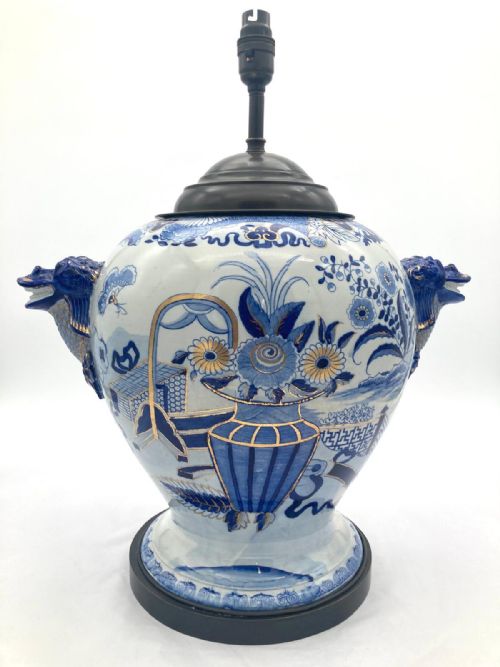
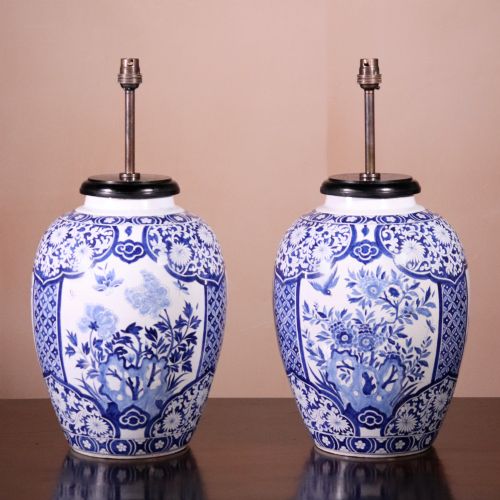
When you search for a large oriental ceramic lamp, you encounter substantial table lamps fashioned from converted vases originating in China and Japan. These pieces span the eighteenth century through to the early twentieth century, encompassing distinct aesthetic traditions such as Chinese Qing Dynasty, Japanese Meiji, and Regency Chinoiserie.
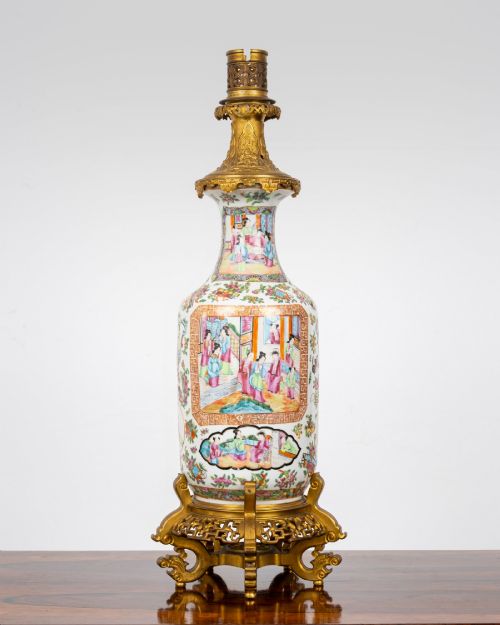
The forms on this page are predominantly table lamps created by mounting traditional ceramic vessels with brass, wood, or gilt bronze fittings. You will regularly find pairs of baluster vases and jar lamps featuring cobalt blue and white, celadon, or polychrome enamel decorations.
Originating from periods including the Regency era and the late nineteenth century, these objects bridge decorative arts and functional lighting. Their substantial scale makes them focal points for side tables or buffets in traditional and eclectic interiors alike.
How they were made
Potters shaped these bodies from porcelain, ironstone, or earthenware before applying intricate glazes, underglaze blue, or overglaze famille rose enamels. Kiln temperatures and mineral pigments dictated the depth of the finished colour, from celadon greens to vibrant yellow and green grounds.
Metalworkers subsequently fitted the porcelain bodies with mounts in brass, gilt bronze, or bronze to stabilise the vessel and house the electrical or oil hardware. Wooden bases and fabric shades were often added during conversion or manufacture to complete the lamp structure.
The inventory records diverse styles including Meiji Period, Chinese Export, and Regency Chinoiserie.
What varies in quality
The distinction between standard and exceptional pieces rests upon the crispness of the hand-painted detail and the harmony of the metal mounts. Superior examples display finely rendered brushwork in enamels or cobalt, whereas lesser pieces show repetitive or hurried execution.
The quality of the conversion work and the material integrity of the bronze or brass fittings also influence the standing of a piece. Original or period-appropriate mounts that complement the ceramic body without obscuring the main design elevate the overall merit.
The Large Oriental Ceramic Lamp Glossary
- Celadon
- A type of transparent green glaze applied to porcelain, originating in China and prized for its jade-like appearance. It often covers carved or moulded surface patterns.
- Famille Rose
- A palette of opaque overglaze enamels dominated by pink or rose colours, introduced in Chinese porcelain during the Qing Dynasty. This style permits subtle shading and detailed floral motifs.
- Imari
- A style of Japanese export porcelain featuring deep underglaze blue combined with iron red and gilt highlights. The patterns are typically dense and geometric or floral.
- Satsuma
- Earthenware from Japan characterised by a pale, ivory crackle-glaze decorated with polychrome enamels and gilt. It gained immense popularity in the West during the Meiji period.
- Chinoiserie
- European decorative style reflecting Chinese artistic influences, popular during the Regency period and earlier. It reinterprets Asian motifs through a distinct Western decorative lens.
Large Oriental Ceramic Lamp: Frequently Asked Questions
Are these lamps converted antique vases?
Many examples are indeed historic vessels adapted for lighting purposes by mounting them with appropriate hardware. This practice has a long history, allowing decorative porcelain to serve a functional role in domestic interiors.
Makers frequently utilised ironstone or export porcelain for this conversion due to the robust nature of the ceramic body. The presence of metal mounts often indicates how the vessel was adapted to house electrical components.
How do I choose the right shade?
Select a fabric shade that complements the scale and palette of the ceramic base without overpowering the painted decoration. Neutral silks or textured textiles often balance the visual weight of large porcelain bodies.
The height and width of the shade should proportionalise the overall silhouette of the lamp. Consider the room's lighting requirements when deciding between opaque and translucent shade materials.
Can I date these lamps easily?
Dating relies on examining the characteristics of the ceramic body, the style of the enamel painting, and the construction of any metal mounts. Stylistic markers from periods such as the Meiji era or Qing Dynasty provide initial chronological bounds.
Conversion hardware and wiring often reflect later twentieth-century interventions rather than the age of the ceramic base. Expert assessment of the glaze and potting techniques helps distinguish eighteenth-century wares from later reproductions.