



Large Metal Pan
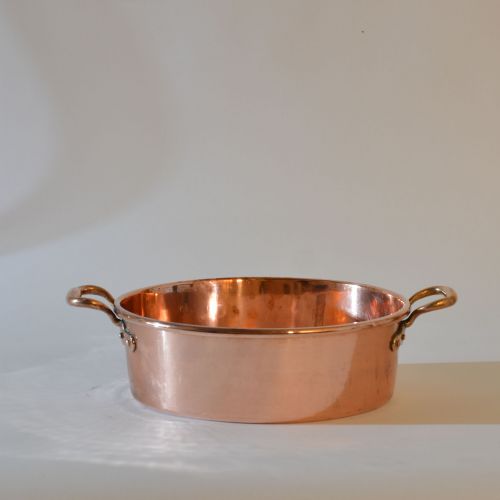
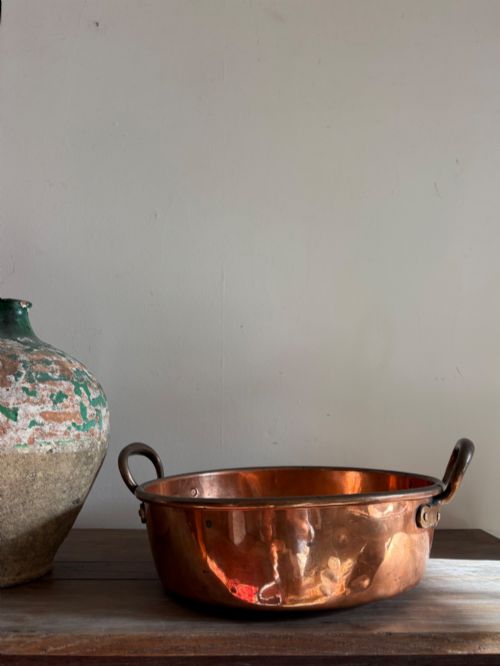
A large metal pan brings substantial weight and honest utility to a kitchen, forged from heavy copper, brass, and iron to handle centuries of cooking.
Large Metal Pan
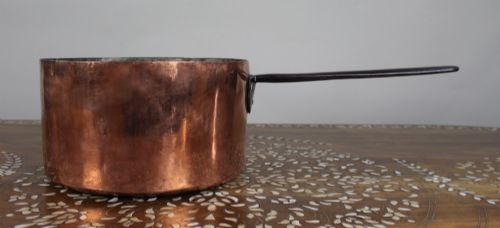
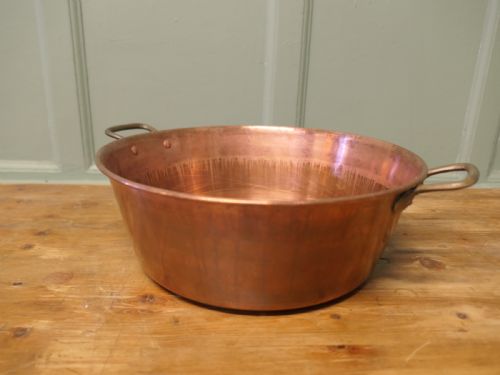
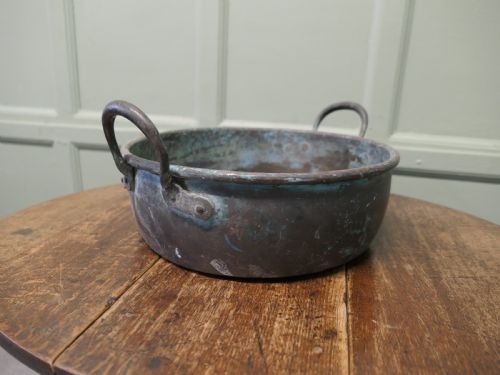
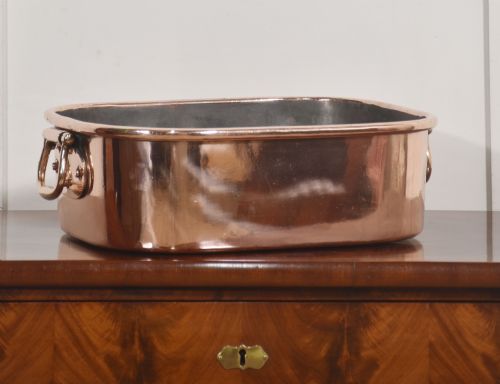
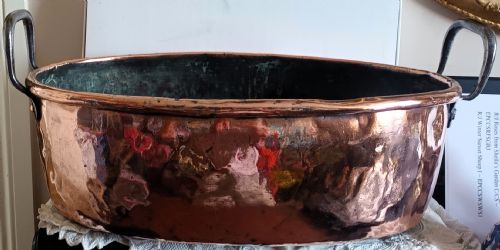
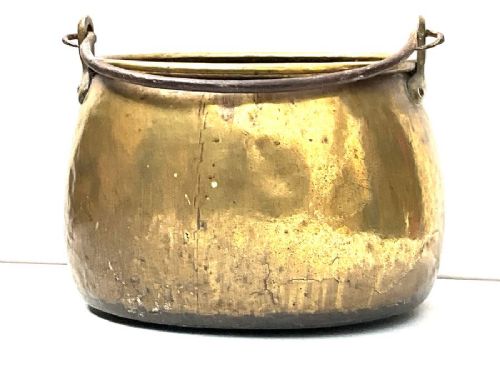
A search for a large metal pan leads to robust culinary vessels and hearth equipment spanning the Georgian and Victorian eras. These items include heavy preserve pans, jam pans, saucepans, and fish kettles designed for heavy domestic and commercial use.
The pieces most frequently met on this page originate from the nineteenth century, often fashioned from thick copper with brass handles or iron fittings. Alongside traditional cookware, the selection contains utilitarian objects such as grain measures, cauldrons, and balance scales.
How they were made
Makers utilised heavy sheet copper and cast brass, hammering the metal to shape deep vessels with smooth interior surfaces suitable for food preparation. Handles were cast separately in brass or forged from wrought iron, then securely riveted to the body.
Iron and tin played supporting roles in the construction of handles, swings, and internal linings, providing structural strength to large cooking pots and preserving pans.
Large Metal Pan Retail Price Guide 2026
Typical asking prices for large metal pan among the pieces listed under this phrase on Sellingantiques today, from the lower quarter to the upper quarter. They describe what is for sale here now, not the wider market.
Several heavy grain measures and balance scales sit alongside the cookware, proving that nineteenth-century kitchens weighed out their duties with immense seriousness.
What varies in quality
Substantial metal thickness and heavier weight distinguish superior examples from lighter domestic vessels, indicating a vessel built for professional or estate kitchens. Wall rigidity and the integrity of the base show how well a pan withstood open hearth flames.
The finesse of the hand-beaten finish, the proportion of the riveted brass handles, and the presence of maker stamps or workshop marks set finer pieces apart from standard utilitarian ware.
Hodges & Sons·Liptons·De Grave & Co
The Large Metal Pan Glossary
- Preserve pan
- A wide, open vessel designed for boiling fruit and sugar. These pans feature rounded bases to facilitate even stirring and prevent burning.
- Fish kettle
- An elongated metal container equipped with a lid and internal draining rack. This shape allowed whole fish to be poached evenly.
- Daubiere
- A specialised cooking pot used for braising meats slowly. It typically includes a tight-fitting lid designed to hold hot coals for top heat.
- Patina
- The surface sheen and oxidation developed through age and use. This natural layer reflects the history of the metal.
- Wrought iron
- Iron beaten and shaped by hand while hot. It provides strong, fibrous handles and swing Bails for heavy vessels.
Large Metal Pan: Frequently Asked Questions
What were large metal pans used for?
These vessels served demanding culinary tasks in large households, from boiling down seasonal fruit preserves to heating large volumes of water and stocking fish.
Heavier pots also functioned as stable containers for dairy processing, such as setting cream in large English farmhouses.
How do I clean an antique copper pan?
Traditional cleaning involves mild polishes formulated for copper and brass, applied gently to preserve the historic surface and darker areas of oxidation.
Scouring pads and harsh chemical agents should be avoided to protect the original hand-beaten texture and metal thickness.
Can I still cook with these pans?
Many of these vessels retain their structural integrity, though modern culinary use depends on the condition of any internal lining and the stability of the base.
Unlined copper pans require careful management with acidic foods, leading many owners to display them in kitchens or hearth settings instead.
How can I tell a Georgian pan from a Victorian one?
Georgian pieces often display simpler, heavier hand-forged construction with distinctive hammer marks and understated handle attachments reflecting eighteenth-century workshop practices.
Victorian examples frequently introduce standardised manufacturing techniques, firmer stamping, and more refined brass casting on heavier saucepans and preserve pans.