






Large Metal Lid
A large metal lid seals vessels from log bins to incense burners, and finding the right one means balancing practical heft with period character.
Large Metal Lid
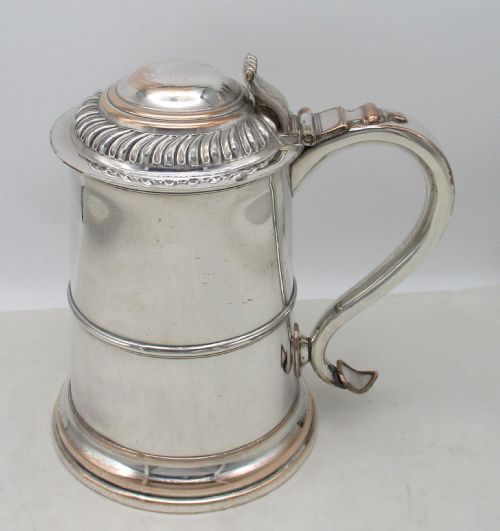
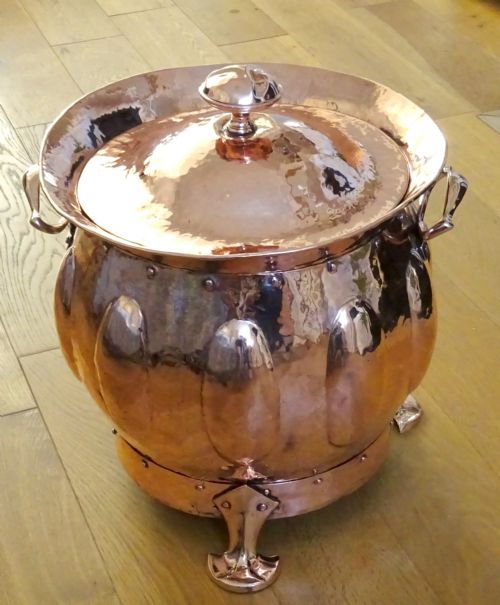
When you search for a large metal lid, you encounter heavy functional covers belonging to log bins, flagons, cauldrons, and incense burners. These utilitarian and decorative elements span centuries from the eighteenth century to the early twentieth century.
The versions most frequently met on this page include copper log bins, pewter flagons, and brass or bronze vessels from Victorian, Georgian, and Art Nouveau periods. They originate from British, German, and Chinese workshops, shifting between domestic utility and decorative display.
Materials and construction
Metalworking techniques rely on heavy copper, pewter, brass, bronze, and silver, shaped into substantial vessels and matching lids. Copper examples often utilise sturdy iron frames or riveted seams to bear significant weight.
Pewter and bronze pieces incorporate casting and applied decoration, such as hops or mixed metal work in silver and gold. Cloisonne enamel adds coloured detail to copper foundations on vases and koro covers.
Large Metal Lid Retail Price Guide 2026
Typical asking prices for large metal lid among the pieces listed under this phrase on Sellingantiques today, from the lower quarter to the upper quarter. They describe what is for sale here now, not the wider market.
The inventory spans the eighteenth century, the Victorian era, the Arts and Crafts movement, and Art Nouveau design periods.
Markers of quality
Quality rests on the weight of the metal and the integrity of the original construction, such as whether an iron frame matches a copper bin. Substantial gauge metal resists warping and maintains a secure fit over the vessel.
The refinement of surface decoration distinguishes standard utility items from finer works. Hand-worked details, such as mixed metal inlays or crisp casting on pewter and bronze, separate ordinary production from superior examples.
The Large Metal Lid Glossary
- Flagon
- A large drinking vessel with a handle and a lid, often fashioned from pewter or silver. These containers held substantial quantities of beer or ale for communal use.
- Log bin
- A deep container designed to hold firewood by a hearth, frequently fitted with a matching metal lid and structural iron framing.
- Koro
- A traditional Chinese incense burner featuring a body, handles, and a fitted cover. They are commonly cast in bronze or decorated with cloisonne enamel.
- Cloisonne
- An enamelling technique where wire is soldered to a metal base to create compartments filled with coloured paste. The surface is then fired and polished smooth.
- Old Sheffield plate
- A method of fusing a thin layer of silver to a thicker copper base. This technique preceded modern electroplating and produced durable tableware.
Large Metal Lid: Frequently Asked Questions
What were large metal lids used for?
These lids served to contain heat, moisture, or contents within large vessels like cauldrons, flagons, and log bins. They protected stored firewood, kept liquids covered, or contained smoke and aromatics in incense burners.
In domestic and ceremonial settings, the lid formed an integral part of the vessel's function and appearance. Heavier metal versions also helped regulate temperature or prevent spills in busy households.
How do I clean a metal lid?
Cleaning depends entirely on the specific metal, whether copper, pewter, bronze, or silver plate. Gentle washing with mild soap and water removes surface dirt without disturbing patination.
Harsh abrasives should be avoided because they strip historic finishes and damage softer metals like pewter. Preserving the natural age of the material maintains both its character and structural integrity.
Are these lids sold separately from vessels?
Most listings pair the lid directly with its corresponding vessel, such as a log bin, flagon, or censer. Complete sets ensure the proportions and metal matching remain historically accurate.
Finding a loose lid of the correct size and material is less common than acquiring the complete assembled piece. Each combination reflects its original manufacturing context.