




Large Metal Garden Pot
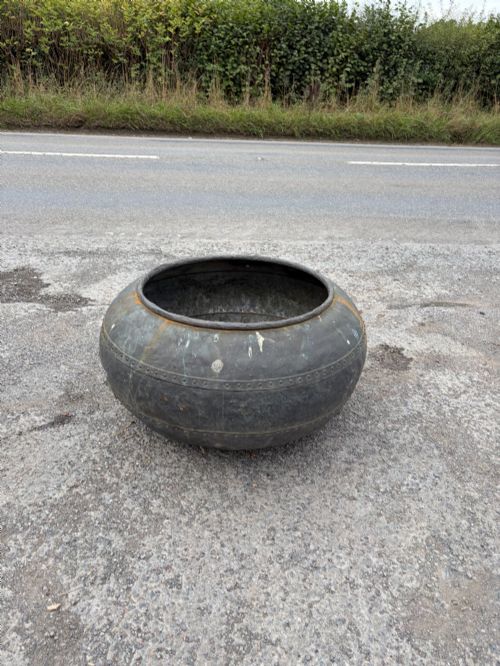
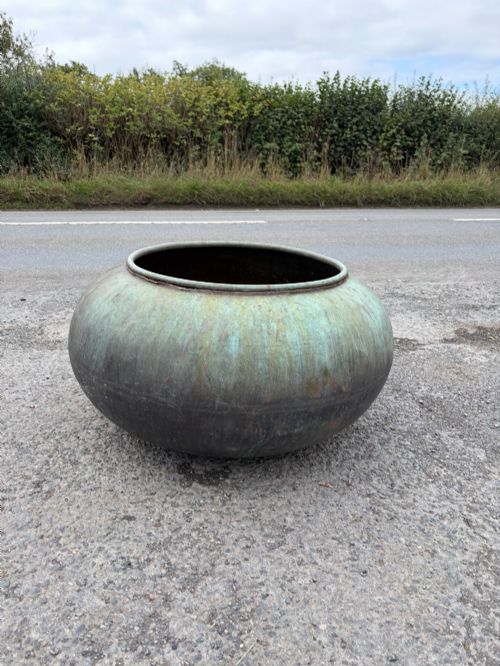
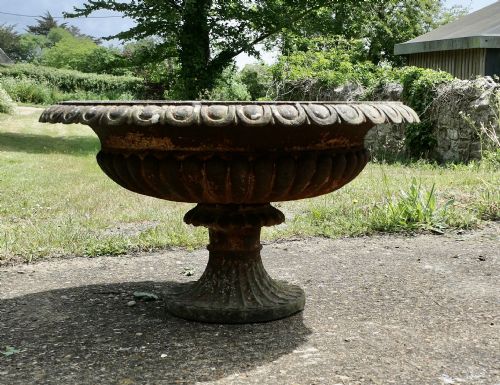
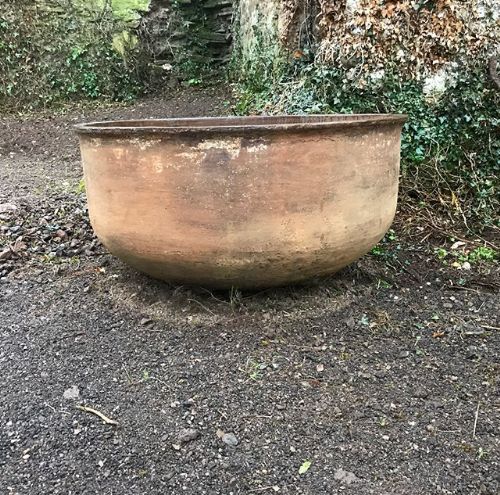
These large metal garden pot pieces bring heavy character and lasting substance to an outdoor space.
Large Metal Garden Pot
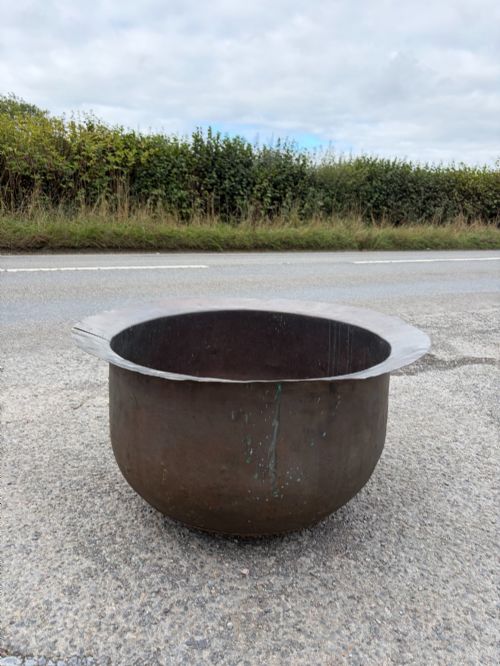
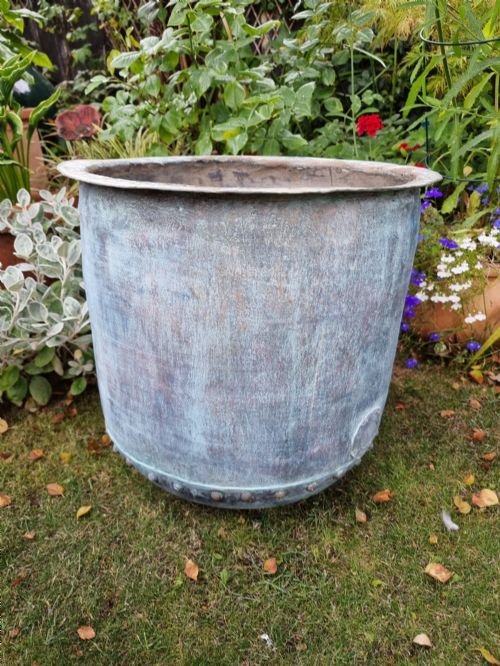
A large metal garden pot provides a substantial vessel for planting, often seen in copper, iron, zinc, and lead forms. You will find these items spanning the nineteenth century through to the early twentieth century, carrying the marks of utilitarian and country house use.
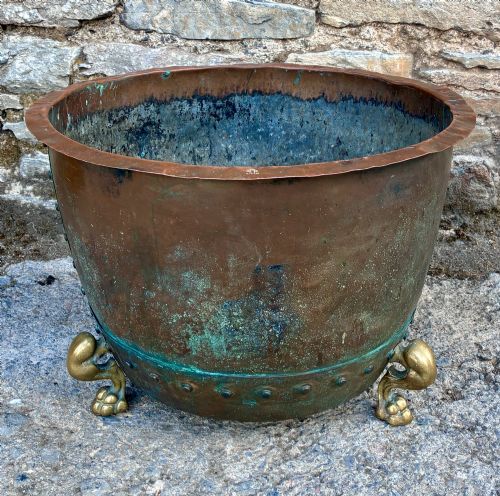
The most common examples on this page are heavy nineteenth-century copper pots and cauldrons, alongside cast iron garden urns and zinc planters. These pieces naturally bridge the gap between interior hearth use as log bins and exterior garden display.
Styles range from rustic farmhouse and French country to Victorian industrial and utilitarian designs. Buyers select these items to anchor a terrace or courtyard with genuine period weight and honest materials.
Materials and construction methods
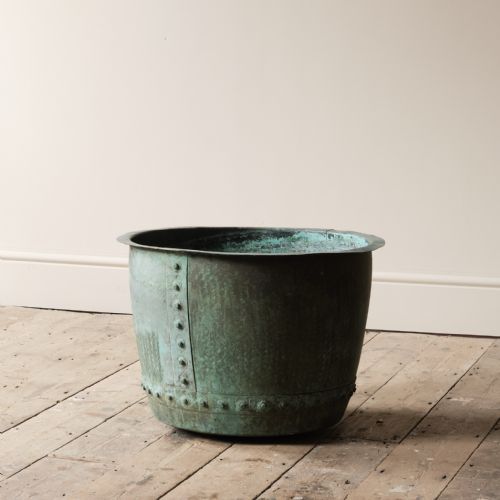
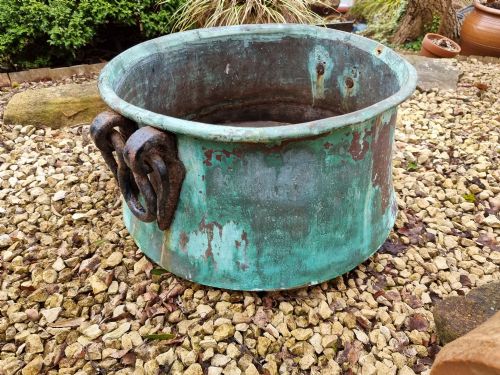
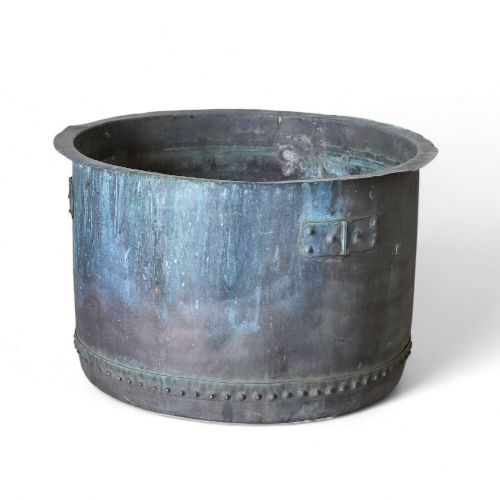
Makers utilised heavy sheet copper joined with hand-driven rivets, often paired with wrought iron swing handles for lifting. Cast iron versions relied on sand casting to create thick-walled garden urns and copper boilers with rigid structural integrity.
Zinc and lead planters were formed through sheet metalworking techniques, folded and soldered or riveted at the seams. Steel and galvanised metal provided robust alternatives designed to withstand heavy weathering in utilitarian settings.
Surface finishes developed naturally through exposure, resulting in rich patinas and verdigris effects on the copper and bronze-toned alloys. These materials were chosen strictly for durability, yet time has turned functional vessels into decorative centrepieces.
Large Metal Garden Pot Retail Price Guide 2026
Typical asking prices for large metal garden pot among the pieces listed under this phrase on Sellingantiques today, from the lower quarter to the upper quarter. They describe what is for sale here now, not the wider market.
The listings here draw from the nineteenth century and early twentieth century, spanning copper, iron, zinc, and lead.
Assessing quality in metal vessels
Quality rests in the gauge of the metal and the integrity of the original construction. Heavy-gauge copper with dense hand-riveting and intact wrought iron fittings represents the upper tier of production, whereas thin modern sheet metal lacks period substance.
The character of the surface patina dictates visual success. Natural verdigris and undisturbed oxidation developed over generations separate a genuine antique vessel from an artificially aged reproduction.
Proportion and scale define the finer pieces, particularly matched pairs of lead or zinc jardinieres and large cast iron urns. Retaining original handles, rims, and structural mounts elevates the desirability of any utilitarian tub.
The Large Metal Garden Pot Glossary
- Verdigris
- A green patina that forms naturally on copper, brass, or bronze through long-term exposure to weather. This chemical shift provides both protective qualities and desirable visual age.
- Cauldron
- A large metal pot with a rounded base, traditionally used over an open fire. In garden settings, these heavy vessels serve as deep planters.
- Jardiniere
- An ornamental pot or stand for holding plants or flowers. These items usually sit on a terrace or within a conservatory rather than being planted directly into the earth.
- Log Bin
- A large container designed to hold firewood near a hearth. Many survivors are repurposed as garden planters due to their waterproof metal construction.
- Riveted
- Joined together using metal bolts hammered flat at the ends. Hand-riveting is a key indicator of nineteenth-century manufacture before automated welding took over.
Large Metal Garden Pot: Frequently Asked Questions
Can I leave copper pots outside all winter?
Copper handles frost well because the metal has enough give to cope with temperature drops without cracking.
However, you must ensure drainage holes are clear so that trapped water does not freeze and distort the base.
How do I clean verdigris off a planter?
Most collectors prefer to leave the green verdigris untouched because it forms the protective patina that proves the age of the copper.
If you wish to reduce it, gentle washing with warm water and a soft brush is safer than harsh chemical agents that strip the surface.
Are cast iron urns too heavy for a patio?
Cast iron urns possess immense weight, which keeps them stable in high winds and stops them from tipping when large plants catch a gale.
You should position them carefully on solid ground before planting, as moving them once filled with soil requires multiple people.