





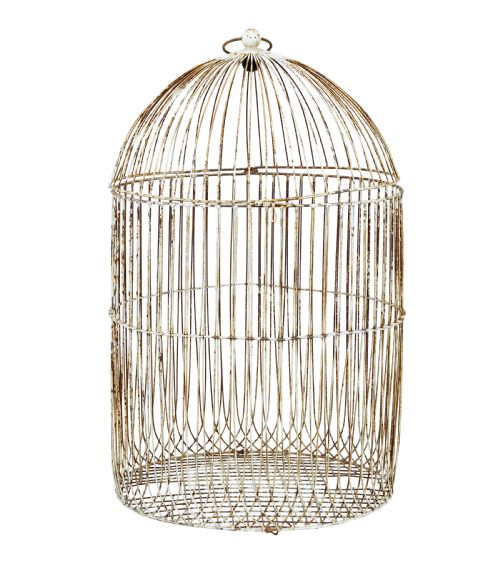


Large Metal Cage
A large metal cage brings industrial weight and structural form into a room, spanning rustic wine storage and ornate brass aviaries.
Large Metal Cage
When you search for a large metal cage, you encounter robust architectural pieces designed for function or display, most frequently taking the form of substantial bird cages, industrial wine racks, and heavy chandeliers. The versions you are most likely to meet on this page hail from nineteenth-century and early twentieth-century France and Italy, reflecting styles such as French industrial, chateau, and Florentine Baroque.
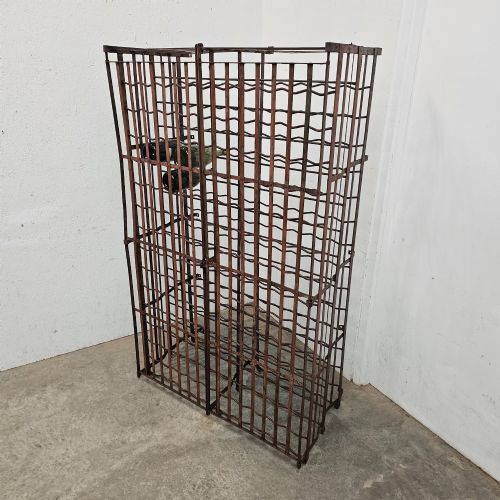
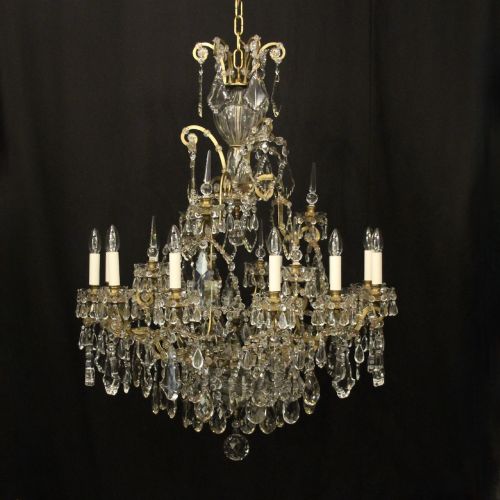
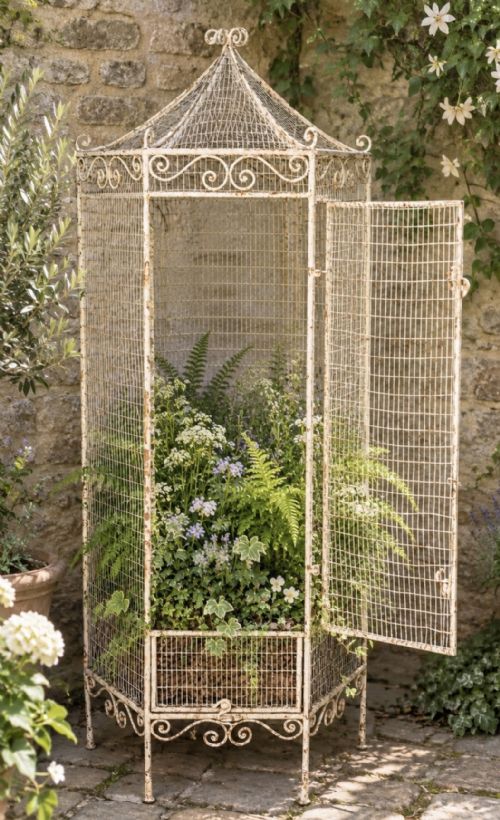
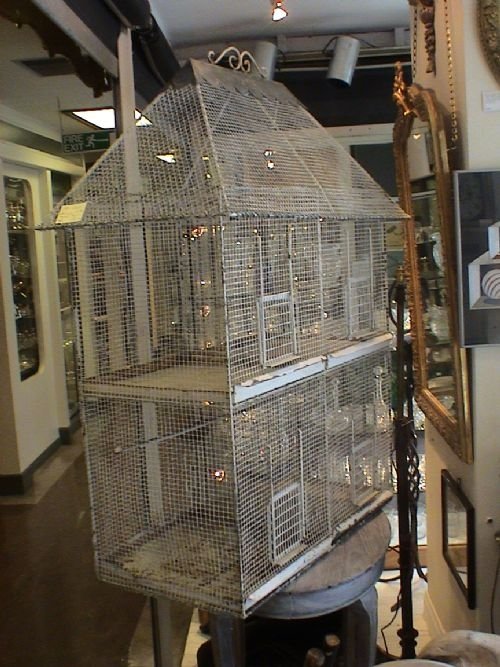
These items range from utilitarian storage containers, including zinc birdcages and iron wine cages built for hundreds of bottles, to decorative vessels and multi-light crystal chandeliers held in gilt metal frameworks. The physical presence of each piece relies on substantial scale and durable construction, making them dominant focal points in country houses and period interiors.
How they were made
The construction of a large metal cage relies heavily on wrought iron, steel, and brass, often shaped into wire mesh or rigid wire frames that provide both transparency and structural integrity. Makers utilised soldered joints and riveted braces to support heavy loads, such as massive wine collections or multi-tiered glass drop chandeliers.
Surface treatments recorded in the evidence include applied paint, original iron finishes, and gilt metal or copper plating. Glass elements, crystal drops, and carboy bottles were integrated into the metal skeletons to combine industrial durability with decorative refinement.
Large Metal Cage Retail Price Guide 2026
Typical asking prices for large metal cage among the pieces listed under this phrase on Sellingantiques today, from the lower quarter to the upper quarter. They describe what is for sale here now, not the wider market.
Some antique bird cages were built large enough to house live parrots, doubling as ornate domestic conversation pieces.
What varies in quality
The distinction between tiers of quality rests on the integrity of the original materials and the complexity of the metalwork. Hand-wrought components, intricate wire mesh twisting, and substantial brass castings elevate a piece above simpler utilitarian fabrication.
Preservation of original surfaces, such as untouched paint, patinated brass, and complete crystal or glass components, determines the distinction at the upper end of the range. The harmony between the heavy metal armature and decorative embellishments, such as Florentine gilt beadwork, governs the overall execution.
The Large Metal Cage Glossary
- Carboy
- A large, bulbous glass bottle used for holding liquids, frequently housed in a protective metal or wire basket.
- Wire mesh
- A barrier material formed by a net of metal wire, commonly utilised in the construction of aviaries and storage cages.
- Gilt metal
- Metal that has been treated with a thin layer of gold or gold-coloured finish to simulate solid gold enrichment.
- Chandelier
- A branched decorative ceiling fixture designed to hold multiple light sources, often dripping with crystal or glass drops in period examples.
- Wrought iron
- Iron that has been heated and shaped with hand tools, valued for its strength and malleability in architectural framing.
Large Metal Cage: Frequently Asked Questions
How do I use a wine cage?
A wine cage serves as a secure, enclosed storage solution for large bottle collections, utilising heavy steel or iron wire to allow ventilation while keeping contents safe. These pieces function well in dining rooms, cellars, or living spaces as substantial architectural shelving.
Ensure the cage sits on level flooring given the considerable weight of filled wine bottles. The lockable doors on period examples allow you to safely display valuable vintages within an open room setting.
Where do I hang a heavy chandelier?
Hanging a large metal and crystal chandelier requires securing the fixture directly into ceiling joists or structural timber to support the combined weight of the metal frame and glass components. Professional installation is essential for multi-light chandeliers originating from the nineteenth and early twentieth centuries.
Position the fixture at a height that complements the room's proportions, typically above a dining table or within a high-ceilinged hallway. Ensure the electrical wiring has been updated to modern safety standards before operation.
How do I clean an antique bird cage?
Cleaning a metal bird cage involves dusting the wire mesh and decorative bars gently with a dry, soft-bristled brush to preserve any original paint or patinated finish. Avoid harsh chemical cleaners that might strip the aged surface of the brass, iron, or copper.
For glass or crystal elements attached to the frame, use a damp cloth followed by careful drying. Regular maintenance prevents dust accumulation in the intricate wire junctions.
What rooms suit industrial metal pieces?
Industrial metal pieces such as wine racks and wire cages integrate naturally into spaces that benefit from strong textural contrast, including kitchens, living areas, and open-plan dining rooms. Their robust frames anchor lighter modern interiors or complement rustic country house aesthetics.
Allow enough surrounding space for the substantial scale of these objects to be fully appreciated. Pairing them with natural materials like wood and stone highlights the cold, tactile nature of the iron and steel.