



Large Metal Bed Frame
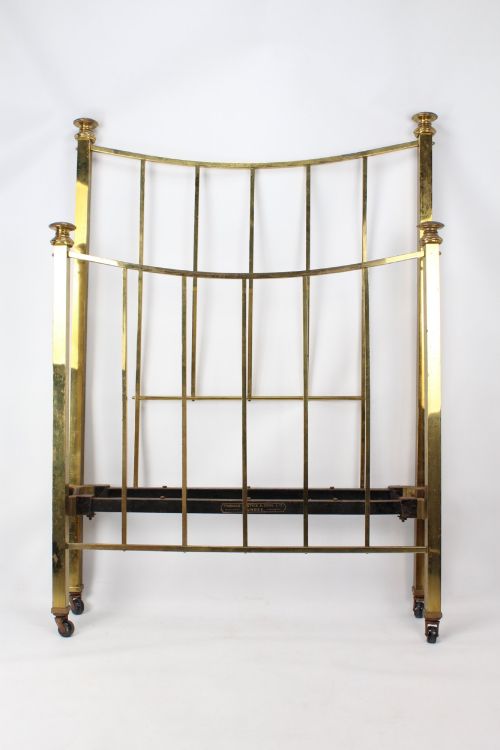
A large metal bed frame brings monumental presence to a bedroom, combining robust nineteenth-century engineering with gleaming brass and iron work.
Large Metal Bed Frame
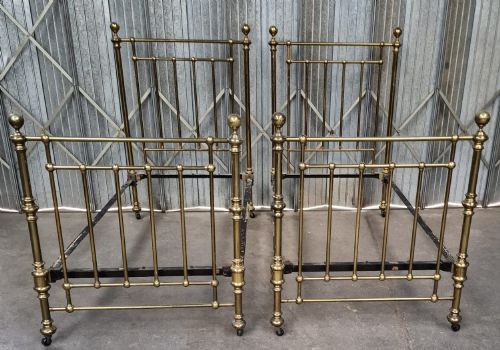
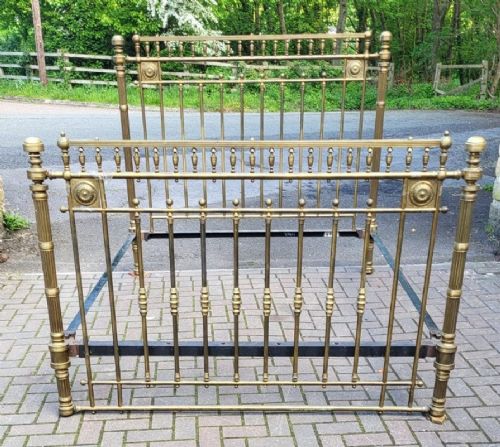
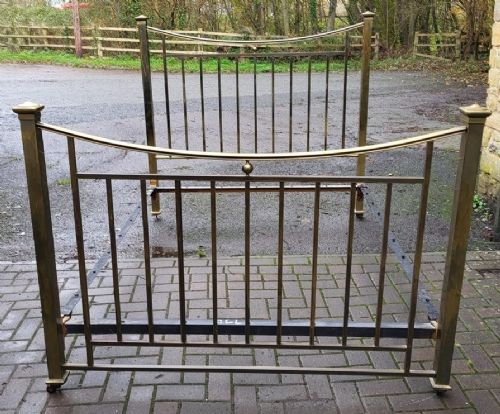
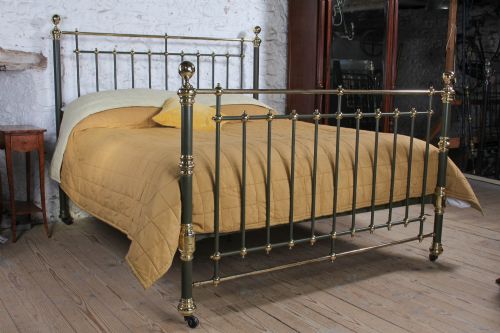
A large metal bed frame is a substantial sleeping platform constructed principally from iron and brass, originating predominantly from the Victorian and Edwardian eras. These pieces span single, king, and super-king sizes, often taking the form of elaborate bedsteads designed to anchor a principal bedroom.
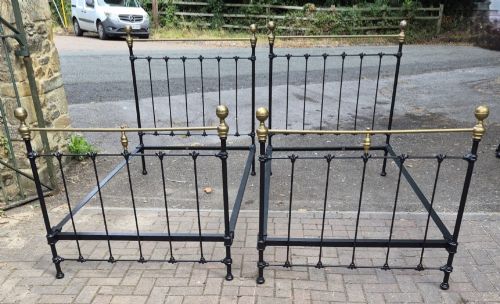
The versions most commonly met on this page are Victorian and Edwardian brass and iron bedsteads dating from the 1860s through to 1900. Makers such as Heal's, Hoskins & Sewell, R W Winfield, and Maple & Co. frequently appear among these nineteenth-century listings.
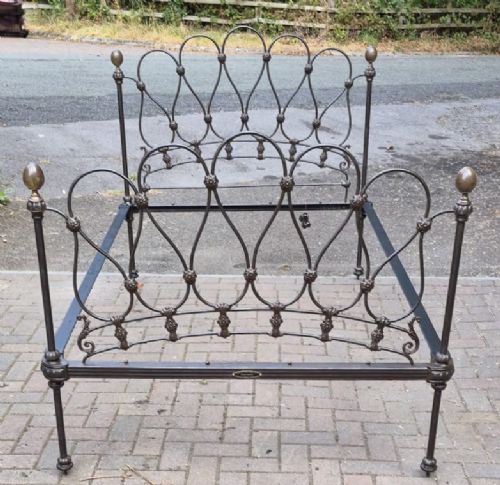
Buyers encounter stylistic variations ranging from plain curly iron work to ornate Victorian Aesthetic Movement designs and imposing seven-foot formats. The combination of cast iron and polished brass defines the visual character of these historical sleeping quarters.
Construction and materials
These frameworks rely on structural cast iron and wrought iron for strength, combined with substantial brass elements for visual impact. Foundries utilised applied paint finishes alongside polished metal surfaces to create contrast.
Joinery involved heavy-duty metal connections, bolts, and castings that allowed large bedsteads to be dismantled for transport. Skilled metalworkers cast ornate details and shaped tubular iron to achieve both rigidity and decorative elegance.
Large Metal Bed Frame Retail Price Guide 2026
Typical asking prices for large metal bed frame among the pieces listed under this phrase on Sellingantiques today, from the lower quarter to the upper quarter. They describe what is for sale here now, not the wider market.
Some nineteenth-century makers built seven-foot beds to accommodate remarkably tall sleepers long before modern king-size standards existed.
Assessing quality
Quality rests upon the weight and intricacy of the metal castings, where simpler utilitarian iron frames contrast with heavily ornamented brass and iron combinations. Makers of established repute command attention through superior finishing and balanced proportions.
The integrity of the structural joints and the depth of the brass work distinguish finer examples from standard production. Well-preserved painted surfaces and intact original fittings elevate the standing of a piece within its period.
Hoskins & Sewell·R W Winfield·Maple & Co.
The Large Metal Bed Frame Glossary
- Bedstead
- A framework of a bed, typically consisting of headboard, footboard, and side rails designed to support a mattress base. In nineteenth-century manufacturing, these were substantial freestanding structures.
- Cast iron
- Iron that has been poured into a mould while molten, allowing for intricate decorative motifs on headboards and footboards. This material provides the heavy structural core of many antique beds.
- Wrought iron
- Iron that is heated and worked with tools, known for its fibrous structure and toughness. It appears in simpler curly forms on nineteenth-century sleeping frames.
- Aesthetic Movement
- A late nineteenth-century design style emphasising visual beauty over narrative subject matter. Pieces from this movement display refined detailing and artistic ambition.
- Super-King
- A modern size descriptor applied here to exceptionally wide historical bedframes. These pieces offer expansive sleeping proportions suited to contemporary interiors.
Large Metal Bed Frame: Frequently Asked Questions
Will modern mattresses fit antique bed frames?
Many nineteenth-century frames were built to historical dimensions rather than standard modern sizing. Careful measurement of the interior rails is essential before purchasing a mattress.
Adjustment or custom support slats are often utilised by owners to accommodate contemporary mattress depths securely within these antique structures.
How do I assemble a heavy iron bed?
These frames typically rely on interlocking wedge joints or heavy side-rail bolts that slot together without complex tools. Two people are usually required to manage the substantial weight of iron and brass components.
Care must be taken to align the side rails evenly before tightening the fixings to ensure the whole structure remains square and stable.
How do I care for polished brass and iron?
Polished brass elements benefit from gentle dusting and occasional cleaning with a non-abrasive metal cleaner suited to historical surfaces. Iron framework requires simple dry dusting to prevent moisture accumulation.
Harsh chemical solvents should be avoided entirely to preserve the original patination and any surviving historic painted finishes.
What is the difference between Victorian and Edwardian beds?
Victorian examples frequently display heavier ornamentation, cast iron details, and distinct stylistic influences such as the Aesthetic Movement. They often feature bold combinations of dark iron and gleaming brass.
Edwardian pieces tend toward lighter proportions and simpler geometric forms as domestic tastes shifted away from heavy Victorian ornamentation towards brighter, airier bedroom interiors.