




Large Hearth Guard
These large hearth guard pieces, spanning brass, steel and mahogany from the Georgian and Victorian eras, protect rooms from sparks while anchoring the fireplace.
Large Hearth Guard
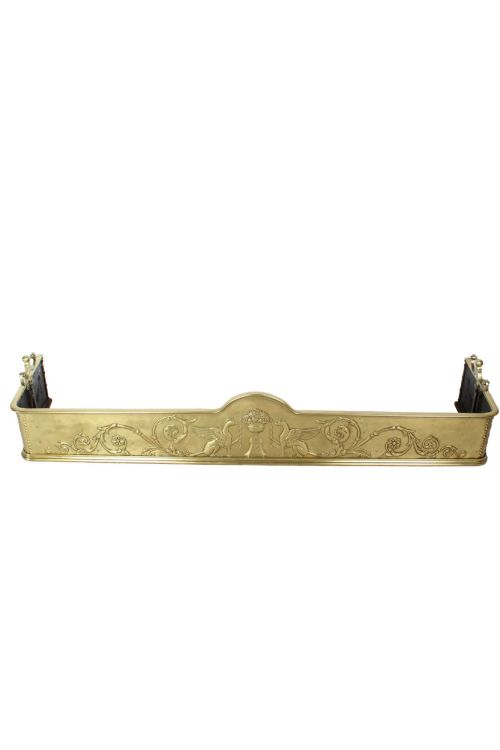
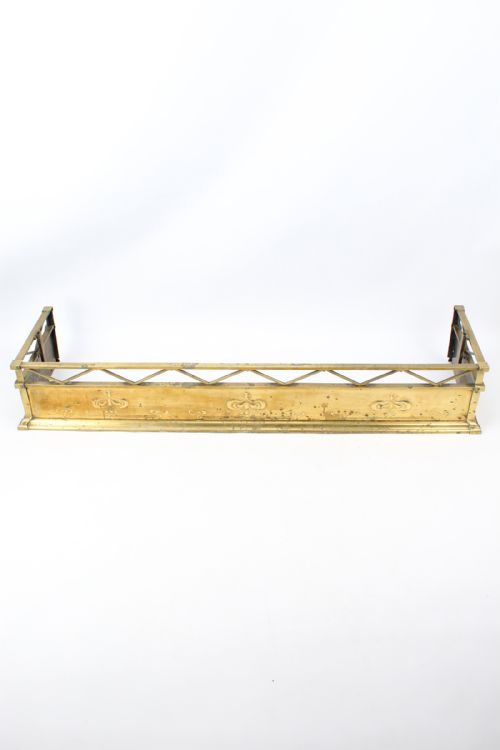
A large hearth guard primarily manifests as either a solid fender framing the grate or a standing screen placed before the fire. The pieces listed span Georgian, Victorian and early twentieth century periods, reflecting diverse domestic interiors.
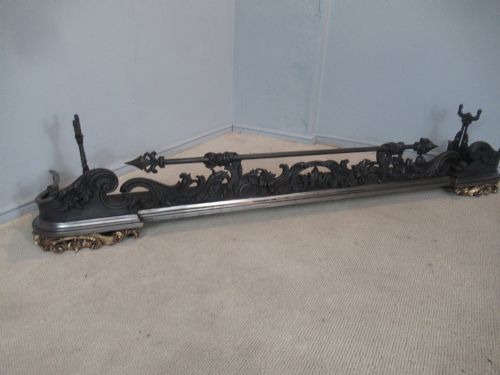
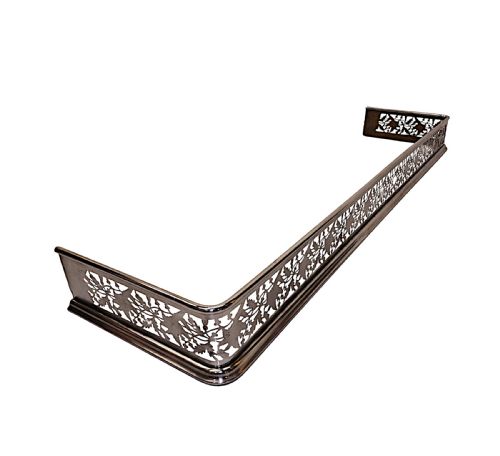
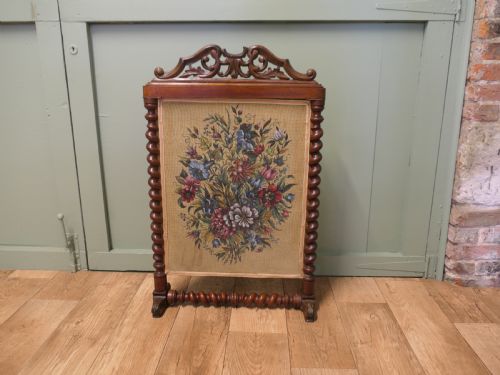
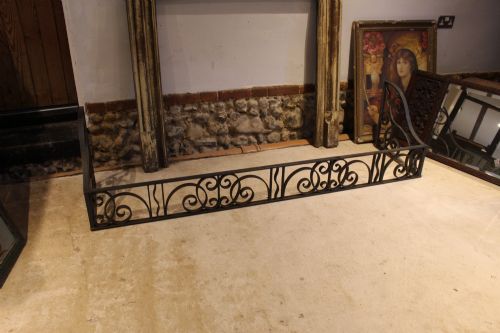
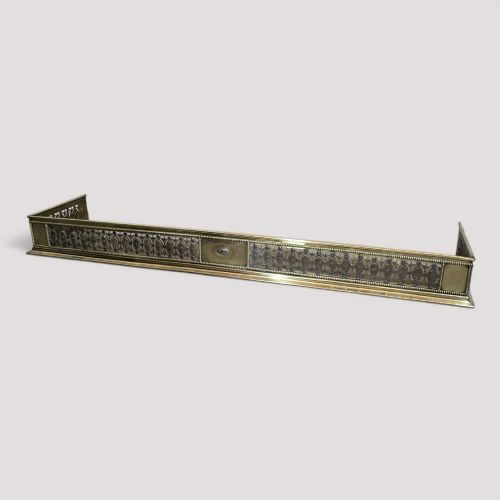
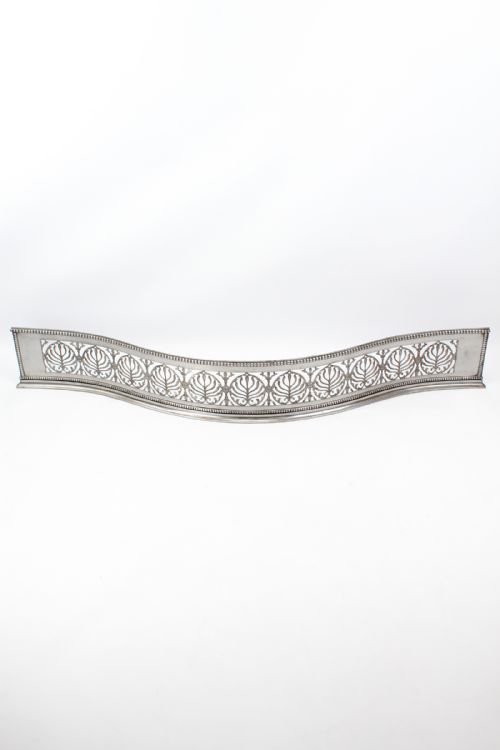
Fenders in this selection utilise brass, steel, wrought iron and cast iron, often shaped with serpentine fronts or neoclassical motifs. Screens combine carved mahogany, giltwood and wire mesh with textile or glass panels.
Victorian examples dominate the current selection, ranging from heavy brass Arts and Crafts designs to carved mahogany frames. Georgian pieces bring earlier proportion and engraving to steel and brass work.
Materials and construction methods
Metalwork relies on heavy brass castings, cut steel applications and forged wrought iron. Makers shaped these materials into fenders with pierced galleries, engraved mouldings and robust corner brackets.
Wooden frames employ carved mahogany and giltwood, housing painted panels, glass inserts or wire mesh screens. Joinery techniques secure these substantial elements to withstand daily hearth use.
Large Hearth Guard Retail Price Guide 2026
Typical asking prices for large hearth guard among the pieces listed under this phrase on Sellingantiques today, from the lower quarter to the upper quarter. They describe what is for sale here now, not the wider market.
Judging the standard of construction
Quality rests upon the weight of the metal and the crispness of the hand-carving in the wood. Heavier brass and thick steel plates provide structural integrity that lighter stamped sheet metal lacks.
Refinement shows in the depth of engraving on steel fenders and the precision of the joints in mahogany frames. Secondary materials such as wire mesh or backing panels demonstrate equal attention to detail.
The Large Hearth Guard Glossary
- Fender
- A low metal barrier placed on the hearth around a fireplace to contain rolling embers and protect the floor. They appear in brass, steel and iron.
- Fire screen
- A movable panel placed in front of a fireplace to shield occupants from radiant heat when the fire is not fully ablaze. These incorporate wood frames with textile, glass or mesh inserts.
- Serpentine
- A gentle undulating curve forming a convex centre flanked by concave ends. This contour frequently shapes Georgian and Victorian steel fenders.
- Cut steel
- Small pieces of steel faceted and polished like gemstones, then riveted to a steel or brass backing plate. It creates sparkling ornamentation on finer hearth furniture.
- Arts and Crafts
- A design movement valuing handcraftsmanship and simple forms over mass production. Pieces from this tradition display honest construction and hammered metal surfaces.
Large Hearth Guard: Frequently Asked Questions
What is the difference between a fender and a screen?
A fender sits flat on the hearth floor to surround the base of the fireplace, keeping stray logs and hot coals from reaching the rug or floorboards. It stays in position permanently.
A screen stands upright on feet to block excessive heat or conceal an unlit grate during warmer months. It can be moved around the room as needed.
How do I measure for a large hearth guard?
Measure the width and depth of your fireplace hearth stone to ensure the metal fender fits comfortably within the perimeter without overhanging the edges. Allow clearance for any raised hearth lips or hearthrugs.
For standing screens, measure the width of the fireplace opening and the surrounding wall space to ensure the panel provides adequate coverage without dominating the room.
Can these pieces be used with an active fire?
Metal fenders are designed specifically to withstand the heat of an active hearth and contain burning fuel. Solid construction in brass, iron or steel handles high temperatures safely.
Screens with textile or glass panels are generally positioned when the fire dies down or when the hearth is unlit. Mesh panels allow radiant warmth through while stopping sparks.
How do I date a Victorian brass guard?
Victorian pieces often display characteristic styling such as heavy neoclassical cast details, pierced brass galleries or organic Art Nouveau whiplash curves. The weight of the brass and construction methods help distinguish them from later reproductions.
Examining the fixings, screw types and general wear patterns on the underside provides further clues to their nineteenth-century origin.