


Large Glass Pendant Light
A large glass pendant light brings sculptural presence and diffuse illumination to a tall ceiling, combining functional drop lighting with period character.
Large Glass Pendant Light
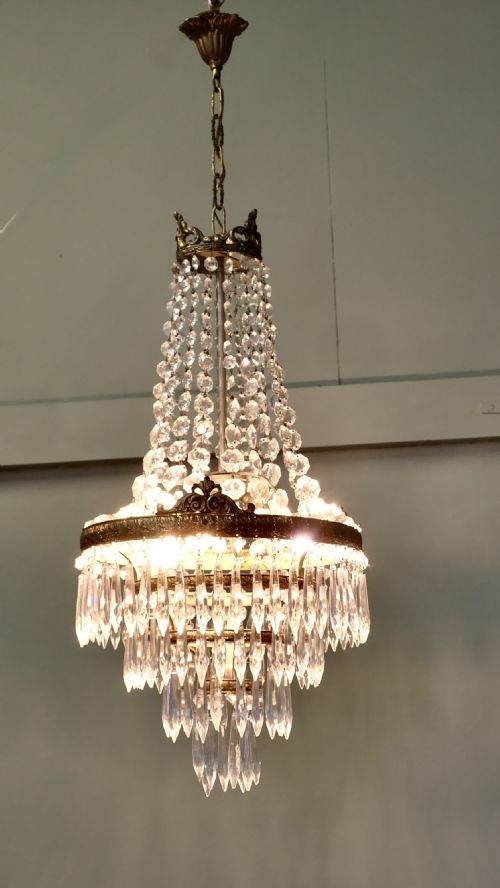
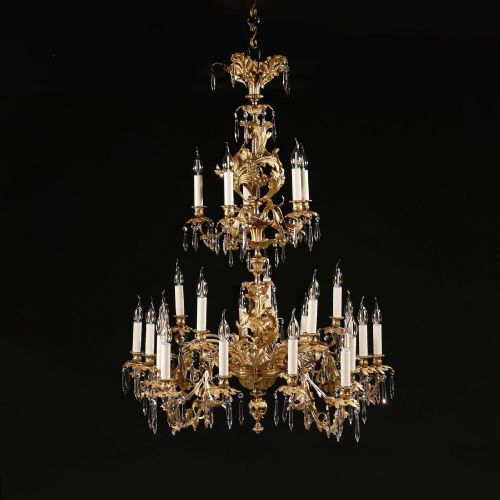
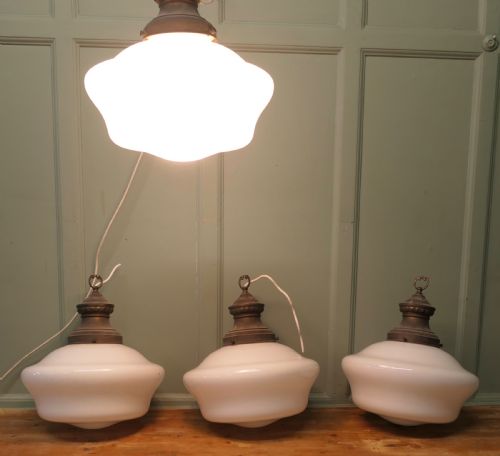
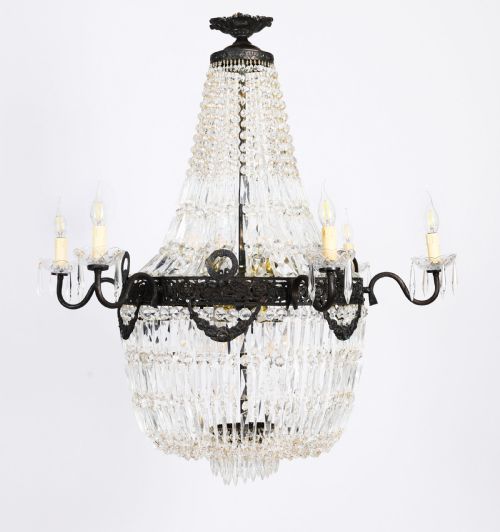
When you search for a large glass pendant light, you encounter diverse forms spanning from the late nineteenth century through to the Art Deco and mid-century periods. The selection includes simple opaline and milk glass globes, reeded shades, and elaborate cut crystal fixtures.
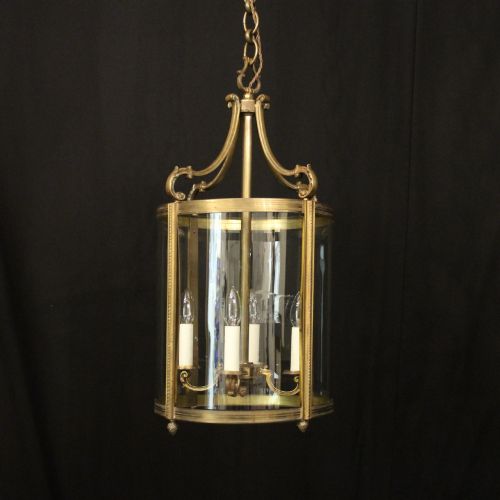
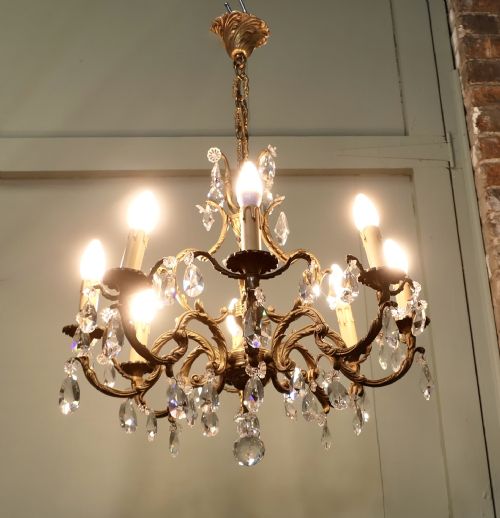
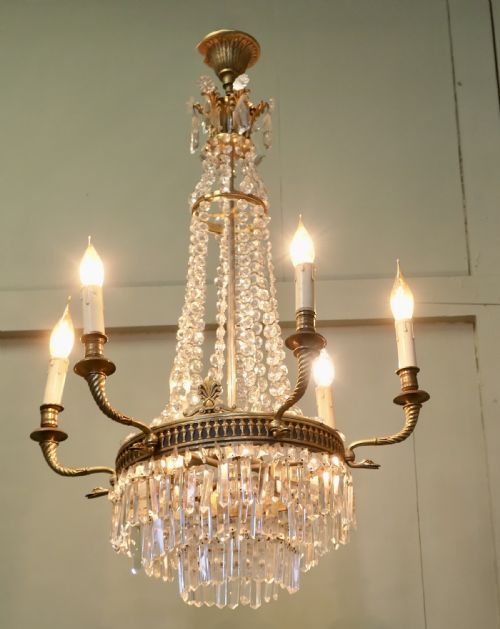
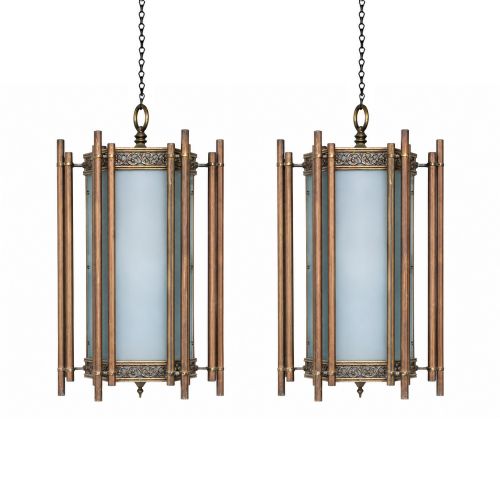
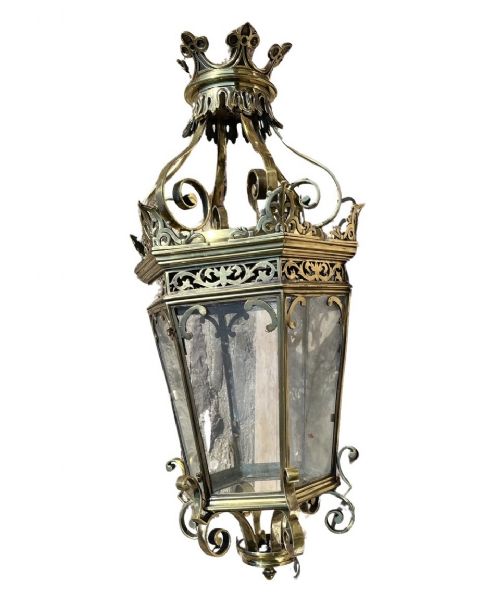
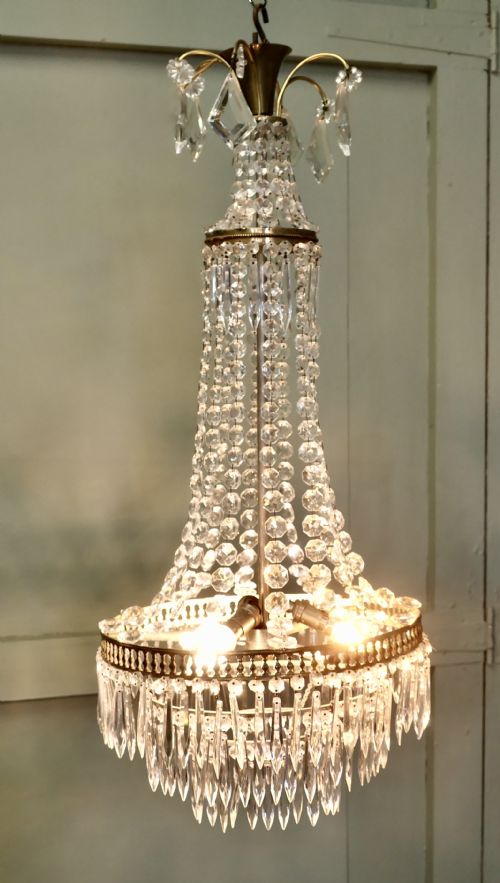
Many examples originate from French workshops, taking the form of brass and bronze-framed lanterns or tiered chandeliers, alongside English pharmacy and schoolhouse shades. These fixtures were designed to anchor principal rooms, hallways, and stairwells with substantial scale.
The materials balance sturdy structural metalwork with considerable expanses of blown, pressed, or cut glass. Buyers often find single statement globes alongside matched pairs or multi-branch arrangements suited to larger domestic spaces.
How they were made
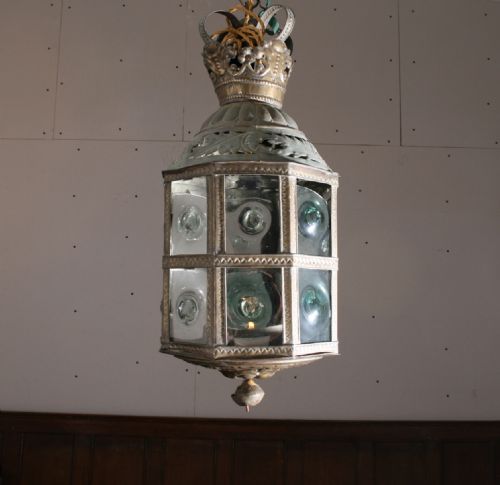
Glow and weight depend upon the combination of heavy brass, bronze, or copper frames holding plates of bevelled, hand-blown, or bulls-eye glass. Metalwork was cast, spun, or forged before being gilt, silvered, or left in its natural brass finish.
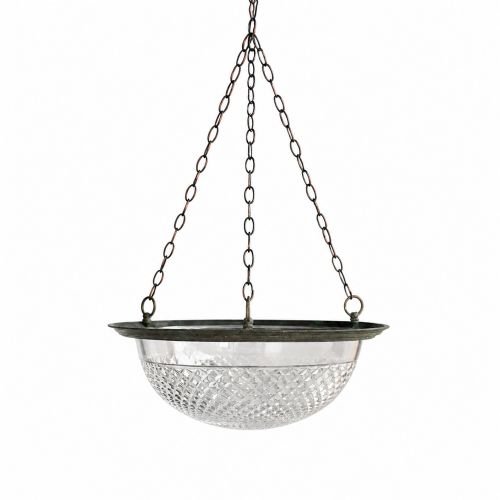
Glass components were mouth-blown into moulds, flash-layered to create ruby or opaline hues, or wheel-cut with intricate patterns. Makers joined these elements using threaded brass rods, galleries, and specialised suspension chains.
The listings show a strong representation of 1920s and 1930s French brass lanterns alongside Edwardian opaline and cut glass pendant shades.
What varies in quality
Quality rests in the weight of the metal casting and the clarity or depth of the glass. Superior examples utilise heavy, cast bronze or thick brass frames rather than pressed sheet metal, paired with hand-blown glass containing characteristic bubbles and striations.
The refinement of the decorative details, such as hand-cut crystal prisms, crisply cast acanthus mounts on lanterns, and original patination on the metal, distinguishes high-status commissions from utilitarian production pieces.
The Large Glass Pendant Light Glossary
- Opaline glass
- An opaque, milky-white glass developed in the nineteenth century that softens and diffuses bulb light effectively. It appears frequently in commercial and residential pendant shades from the early twentieth century.
- Holophane
- A brand of prismatic glass engineered to direct and diffuse light efficiently while reducing glare. These shades feature distinct exterior ribs or prisms designed for industrial and municipal interiors.
- Bulls-eye glass
- A circular pane of glass featuring a prominent central thick point or protrusion, formed during traditional hand-blowing processes. This texture distorts light and adds artisanal character to lantern panels.
- Vaseline glass
- A type of transparent glass containing uranium dioxide, which exhibits a distinctive yellow-green fluorescence under ultraviolet light. It enjoyed popularity across Victorian and Edwardian lighting designs.
Large Glass Pendant Light: Frequently Asked Questions
How do I clean a large glass pendant?
Remove delicate glass shades from their metal galleries whenever possible to wash them in lukewarm soapy water. Wipe down fixed metal frames with a soft, dry cloth to preserve the historic patination.
Avoid harsh chemical cleaners on gilt or lacquered metal surfaces. Dry all glass components thoroughly before reassembly to prevent water spots.
Can these vintage lights take modern bulbs?
Most antique fixtures accommodate modern LED lamps provided the original lampholder matches the bulb base size. It is advisable to have an electrician check the internal wiring for safety.
Ensure the wattage of the chosen bulb aligns with the thermal limits of the vintage shade. Dimmable LED options work well to replicate the softer glow of historical illumination.
How do I determine the right drop height?
Measure the total ceiling height of your space to calculate the appropriate suspension drop for a large pendant. In open walkways or entrance halls, the bottom of the fixture should clear the floor by at least two metres.
Over dining tables or kitchen islands, pendants typically hang lower to focus illumination on the surface below. Suspension chains can often be shortened by an electrician during installation.