




Large Glass Bottle
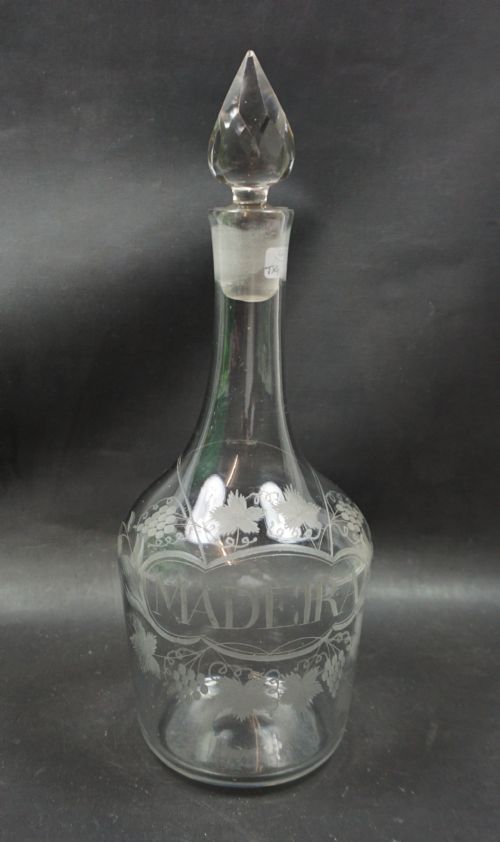
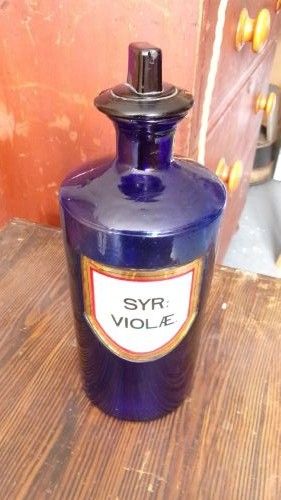
A large glass bottle brings weight and presence to a room, holding centuries of utility from apothecary counters and wine cellars.
Large Glass Bottle
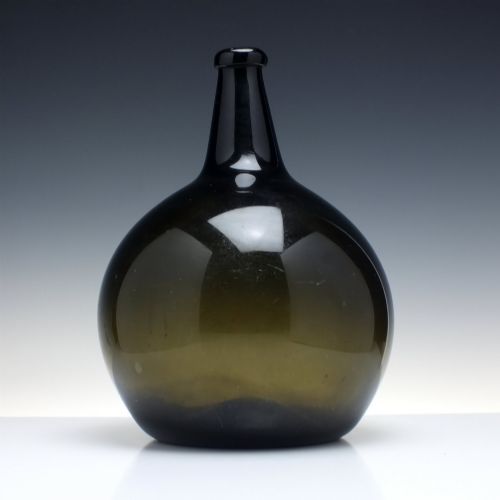
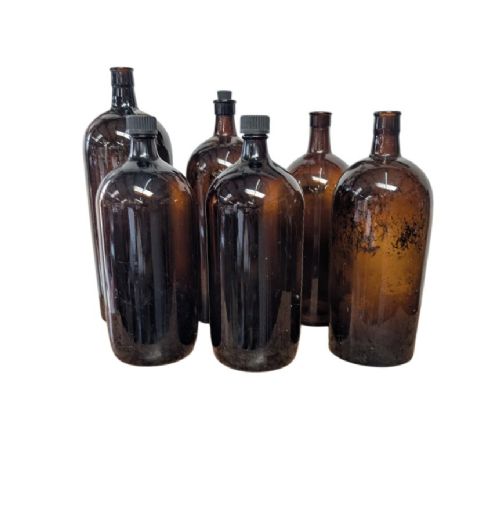
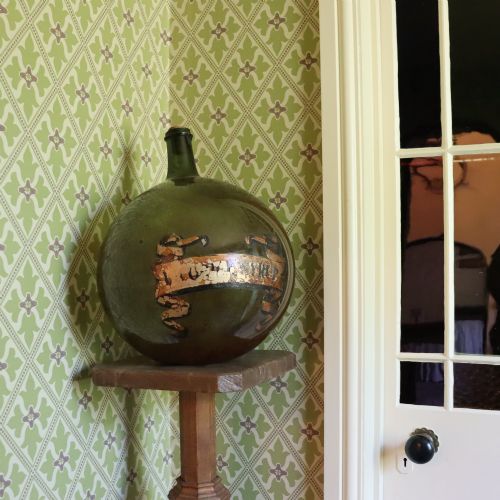
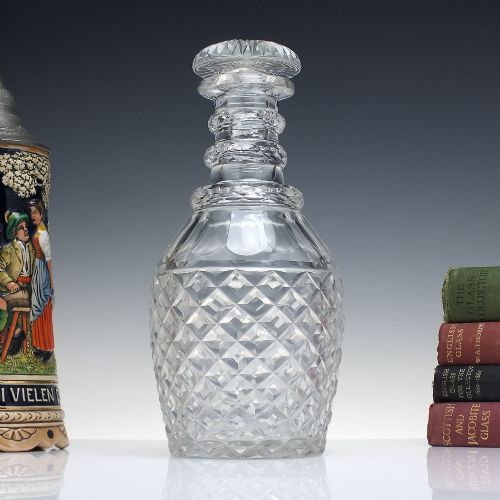
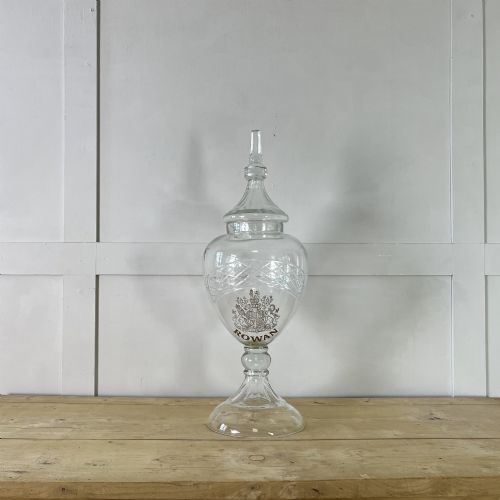
When searching for a large glass bottle, buyers encounter substantial vessels originating from domestic, commercial, and apothecary settings spanning multiple centuries. These pieces encompass utilitarian storage containers like carboys and demi-johns alongside refined serving vessels such as wine decanters and perfume bottles.
How they were made
Makers utilised traditional techniques of glassblowing and hand-blowing to shape molten material into thick, resilient walls capable of holding liquids safely. Surface treatment frequently involved crystal cutting, engraving, and enamel decoration to achieve textural contrast and visual depth.
Metal components such as silver tops, stoppers, and iron frames were integrated using specialist silversmithing and metalworking methods. These mounts were often hallmarked to record metal purity and fabrication details.
Large Glass Bottle Retail Price Guide 2026
Typical asking prices for large glass bottle among the pieces listed under this phrase on Sellingantiques today, from the lower quarter to the upper quarter. They describe what is for sale here now, not the wider market.
Listings span periods from the 18th Century through the 1930s, incorporating blown glass, cut glass, sterling silver, brass, and iron.
What varies in quality
Quality rests upon the clarity and weight of the glass, the precision of the hand-blown form, and the presence of original stoppers or mounts. Vessels retaining their authentic period hardware, such as hallmarked silver collars or original iron carrying baskets, demonstrate superior integrity.
The sophistication of decorative execution also distinguishes the pieces, from simple utility jars to finely engraved decanters and cut crystal atomizers with working mechanisms.
Hukin & Heath Ltd·James Cartland & Sons
The Large Glass Bottle Glossary
- Carboy
- A large, globular glass or plastic bottle used for holding liquids, often encased in a protective basket or frame. These vessels frequently served industrial or apothecary storage purposes.
- Demi-john
- A large narrow-necked bottle holding several gallons, commonly used for fermentation and transport of wine or spirits. They appear in glass with protective iron or wicker surrounds.
- Apothecary jar
- A vessel designed to hold medicinal herbs, chemicals, or ointments in a chemist shop. They often feature distinct labels and matching glass stoppers.
- Decanter
- A ornamental glass bottle used for decanting wine or liquor for serving. Examples include shoulder decanters and multi-bottle tantalus sets.
- Atomizer
- A device for dispensing a liquid as a fine spray, often utilised for perfume. Vintage iterations frequently combine cut crystal glass with metal hardware and bulb pumps.
Large Glass Bottle: Frequently Asked Questions
How were large glass bottles used historically?
These vessels served diverse roles ranging from storing chemicals in apothecary shops to decanting wines at dining tables. Large carboys and demi-johns managed the bulk transport and fermentation of liquids.
Smaller decorative versions held perfumes, spirits, and inks for daily personal and professional use.
How do I care for antique glass bottles?
Clean glass surfaces gently with warm water and mild soap, avoiding harsh abrasives that could scratch the material. Handle vessels with metal mounts or stoppers carefully to protect fitted parts.
Display the pieces away from direct sources of extreme heat or vibration to preserve their structural stability.
Can I use these bottles to hold liquids today?
Many sturdy glass bottles remain functional for holding liquids, provided they are thoroughly and safely cleaned. Consideration should be given to the interior condition and the integrity of any historic stoppers.
Fragile or decorative items with delicate cut crystal or metal atomising mechanisms are better suited for display.
How can I tell the period of a glass bottle?
Dating relies on examining manufacturing traits such as pontil marks, glass colour, and thickness characteristics typical of eighteenth, nineteenth, or twentieth-century production. Associated metal mounts, hallmarks, and engraved labelling styles also provide clear chronological markers.
Stylistic shifts from Georgian simplicity to Victorian ornamentation and Art Deco geometry help narrow the manufacturing era.