

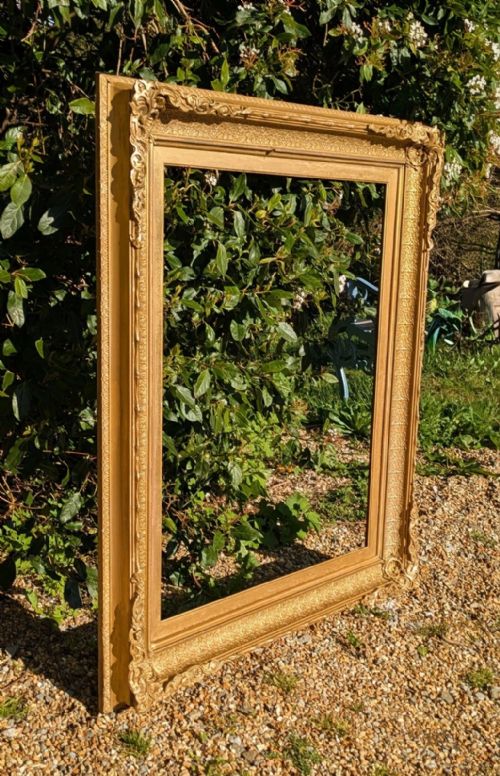


Large Gilded Frame Portrait
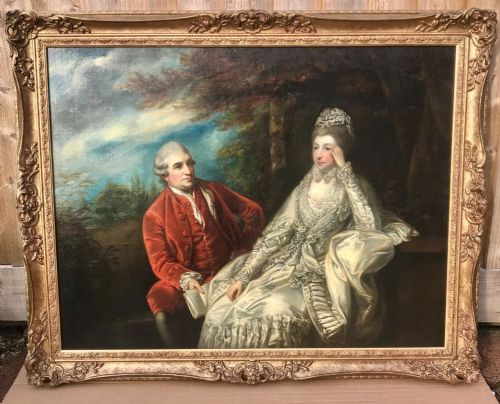
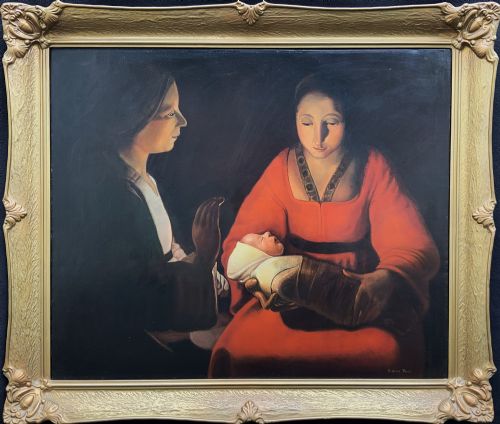
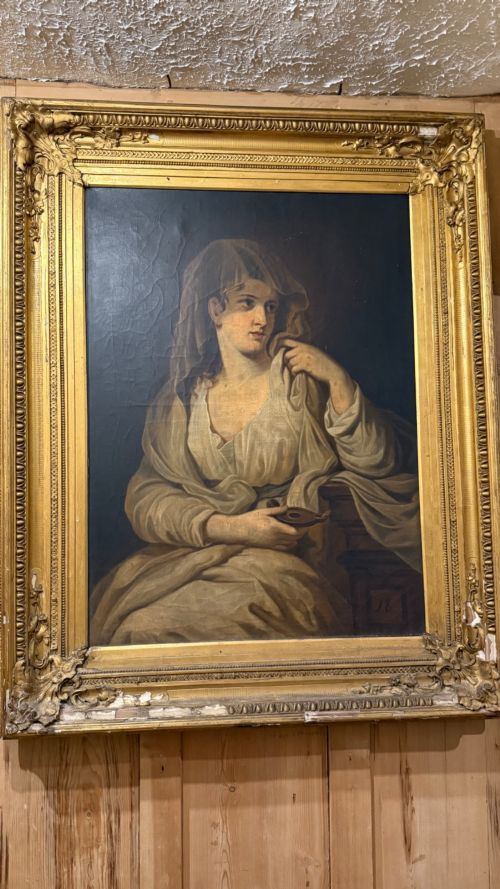
A large gilded frame portrait brings immediate scale and presence to a room through heavy gold leaf and substantial oil on canvas work.
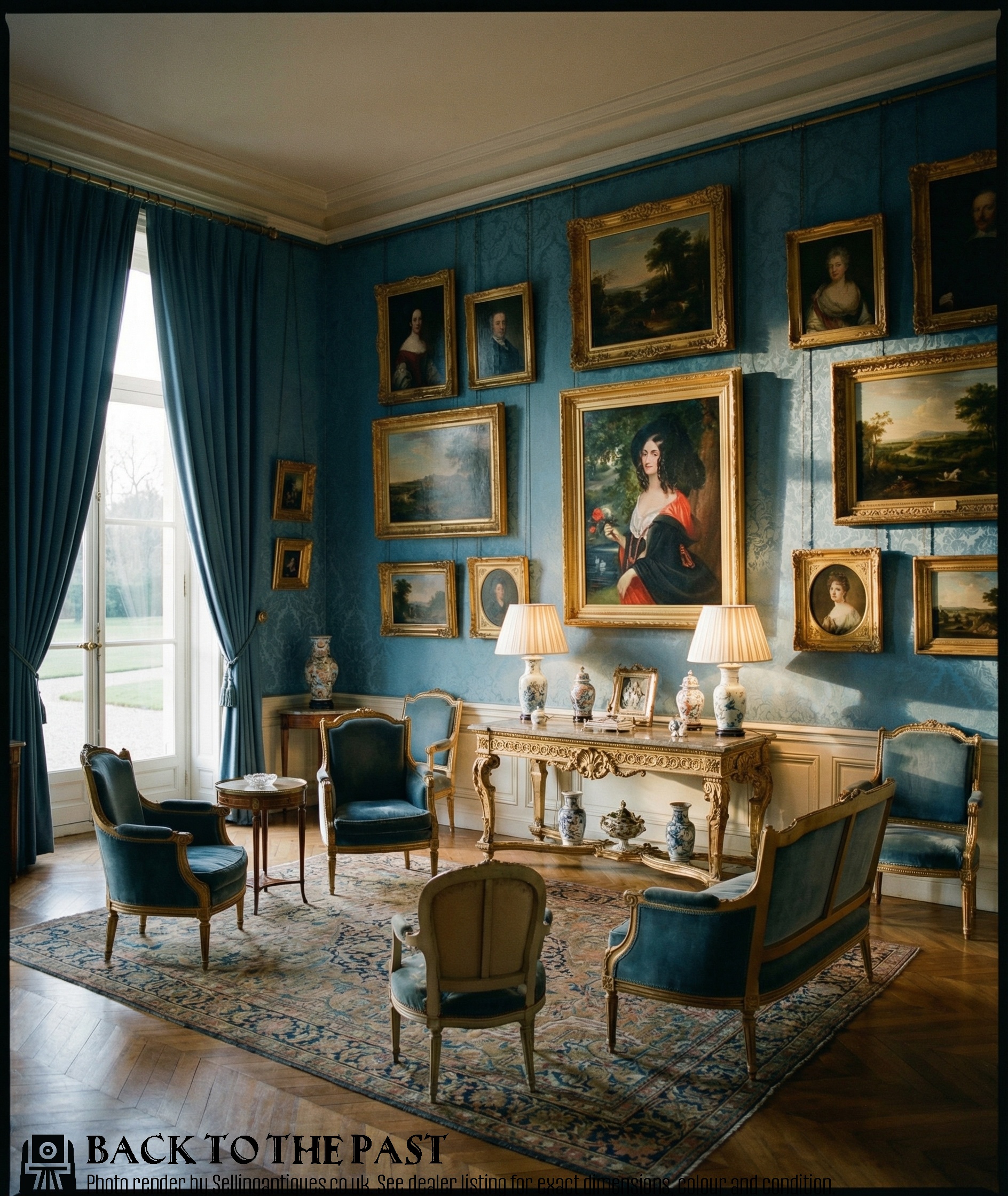
Large Gilded Frame Portrait
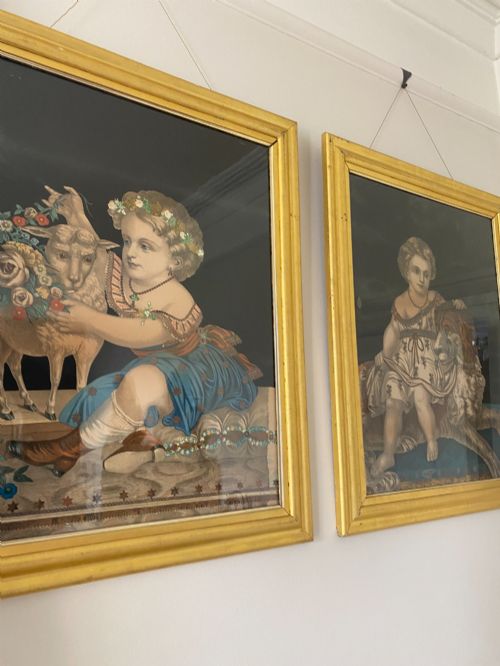
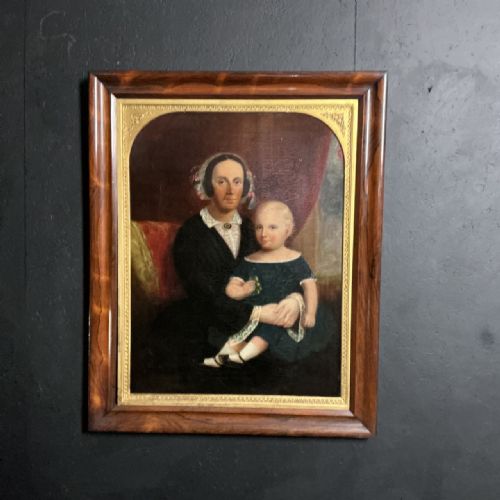
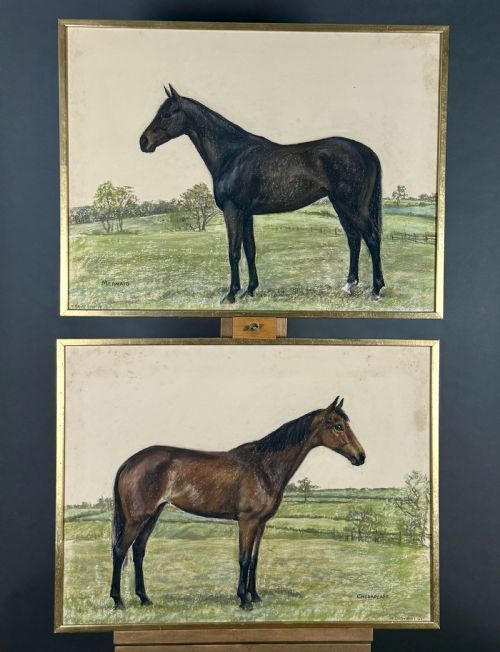
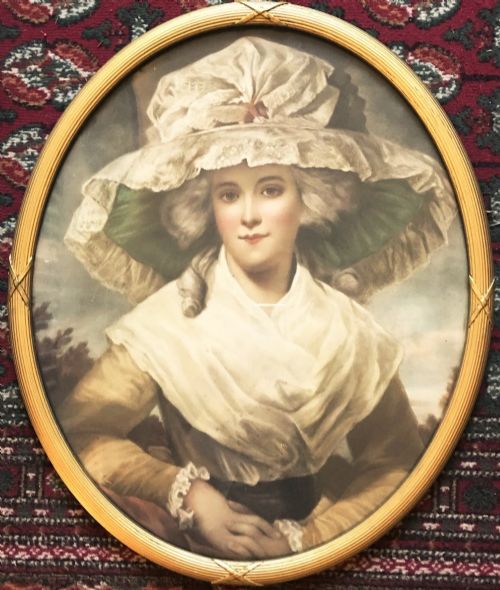
A large gilded frame portrait combines substantial painted, printed or drawn likenesses with ornate surrounds designed to command a wall. Pieces matching the search phrase large gilded frame portrait encompass oil paintings, framed prints, photographs, and pastels housed within decorative timber borders.
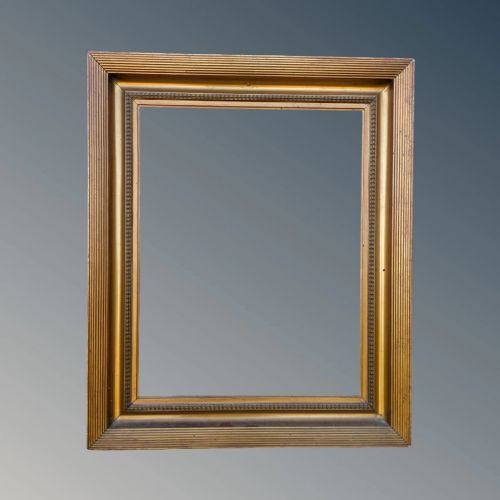
Most examples encountered date from the eighteenth and nineteenth centuries, spanning Georgian, Victorian, and Edwardian periods. These range from grand oil paintings of nobility and family groups down to decorative antique frames and reverse prints on glass.
Subjects vary from individual gentlemen and ladies to religious scenes and mythological compositions after older masters. The combination of a substantial image scale and bright metallic framing defines this category across the available inventory.
Materials and construction methods
Construction relies upon solid wood frameworks built to support heavy canvases, panels, or glass plates. Artisans shaped timber bases before applying layers of gesso to build up relief ornamentation.
Gold leaf or gilt finish was then laid over the prepared gesso ground to achieve a reflective surface. Oil on canvas remained the primary medium for the portraits themselves, supplemented by pastel, paper prints, and photography.
Large Gilded Frame Portrait Retail Price Guide 2026
Typical asking prices for large gilded frame portrait among the pieces listed under this phrase on Sellingantiques today, from the lower quarter to the upper quarter. They describe what is for sale here now, not the wider market.
Period styles represented across the stock include Baroque Revival, Regency, Neoclassical, and Art Nouveau alongside standard Victorian and Edwardian designs.
Distinguishing quality in frames and portraits
Quality rests upon the crispness of the gesso moulding and the depth of the gilding. Hand-carved wooden details and well-preserved gold leaf separate superior frames from simpler moulded plaster versions.
On the portrait side, skill in handling oil paint, capturing anatomical proportion, and conveying character determine the artistic merit. Original matching pairs of frame and artwork generally command greater appreciation than later marriages.
Joshua Reynolds Studio·Georges de La Tour·Domenico Zampieri·Rembrandt van Rijn·John Horsburgh·Louis William Desanges·Arthur Pond·Jean Denis Maillart
The Large Gilded Frame Portrait Glossary
- Gesso
- A plaster mix applied to wood frames to create a smooth surface for gilding. It allows intricate relief patterns to be moulded before applying gold leaf.
- Giltwood
- Timber that has been covered with gold leaf or gilt paint. This material provides the characteristic metallic sheen seen on period frames.
- Reverse print on glass
- An image transferred or painted directly onto the back of a glass sheet. This technique produces a glossy finish common in Georgian decorative pieces.
- Pastel
- A dry drawing medium using powdered pigment bound into sticks. Works executed in this medium require glass protection within a secure frame.
Large Gilded Frame Portrait: Frequently Asked Questions
How do I hang a heavy framed portrait safely?
Substantial frames require heavy-duty fixings screwed directly into wall studs or masonry anchors. Professional mirror plates attached to the frame sides distribute the weight securely.
Avoid relying on standard picture wire for pieces of considerable scale. Ensure the wall structure can support the combined weight of wood, gesso, and canvas.
Can I clean the gilded frame myself?
Dust gently with a soft dry brush to remove surface particles without disturbing delicate gesso moulding. Avoid commercial cleaning liquids or water, which can strip historic gold leaf.
Professional conservators should handle major cleaning or repairs to flaking gilding. Regular gentle dusting prevents grime accumulation over time.
How do I identify the period of the frame?
Examine the construction joints at the corners and the composition of the underlying gesso layer. Victorian and Edwardian frames often use machine-cut mouldings and brighter composition ornaments.
Earlier eighteenth-century examples display hand-carved timber details and deeper patination in the gold leaf. Comparing the rebate and backing boards provides further clues to age.
Are these portraits original or reproduction?
The inventory consists primarily of antique items dating from the eighteenth, nineteenth, and early twentieth centuries. Look for signs of age such as shrinkage cracks in the gesso, oxidized metal leaf, and old canvas stretchers.
Documentation or signatures on the canvas often help verify the historical context of the artwork. Period frames may sometimes be matched to canvases from a similar decade.