





Large Gilded Bronze Light
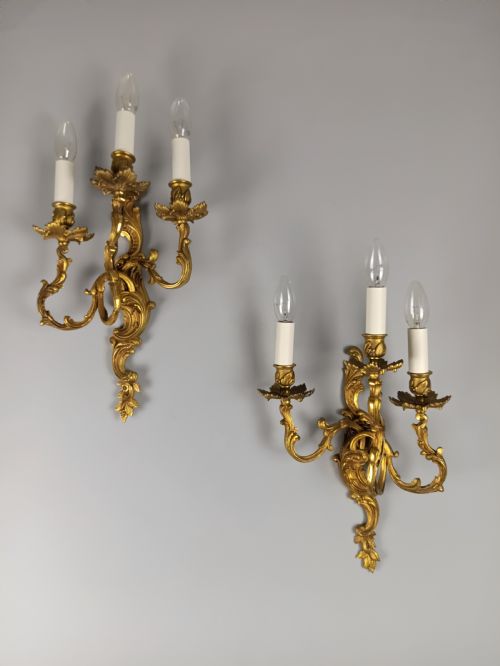
A large gilded bronze light brings heavy metalwork and clear glass together overhead or upon the wall, throwing a bright warmth across a room.
Large Gilded Bronze Light
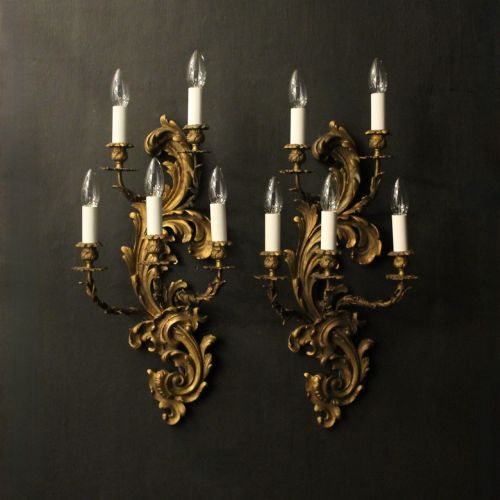
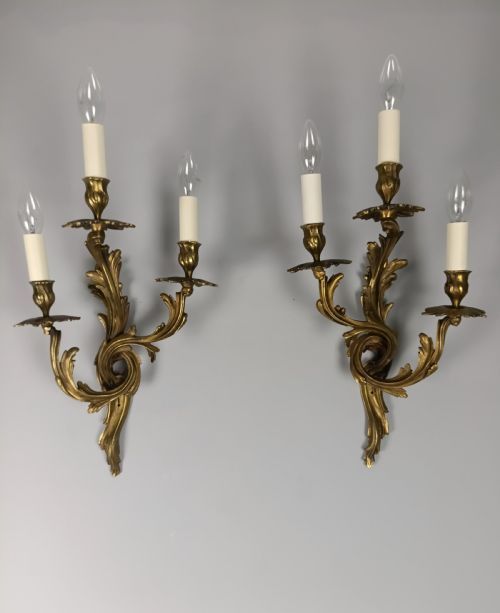
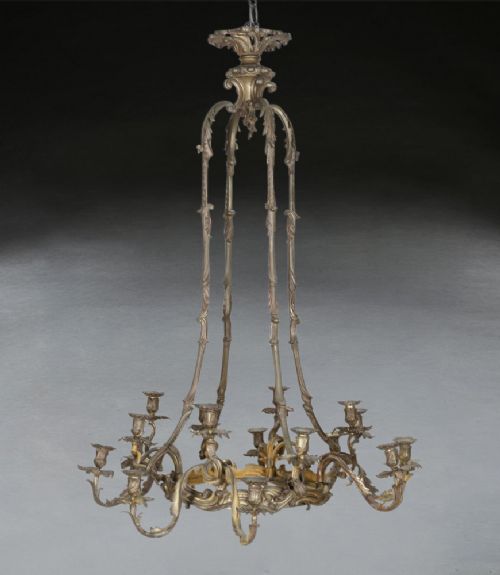
A large gilded bronze light covers a range of heavy metal fixtures designed to hold multiple candles or electric bulbs. When you search for this phrase, you find grand chandeliers, multi-branched wall sconces, hall lanterns, and heavy candelabra.
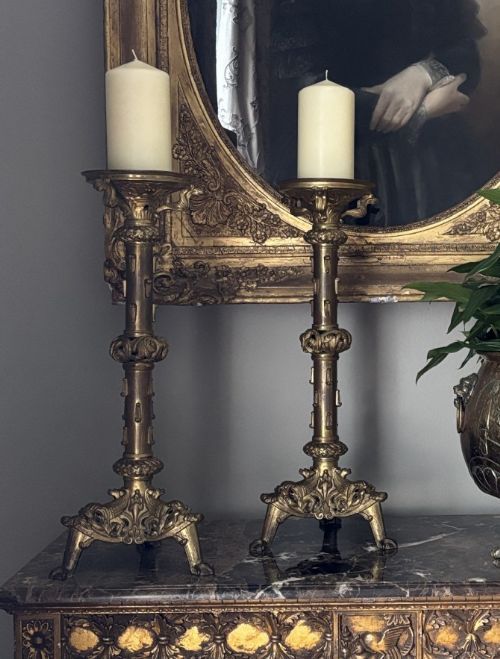
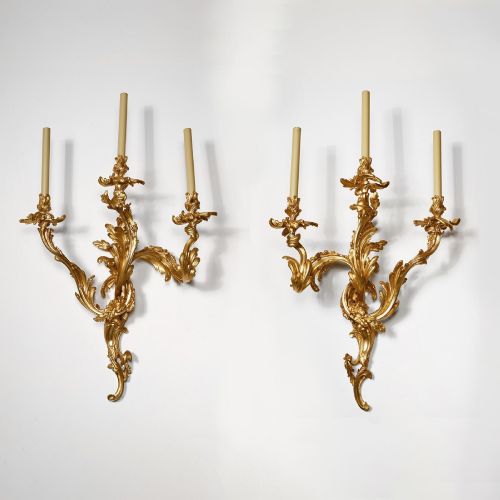
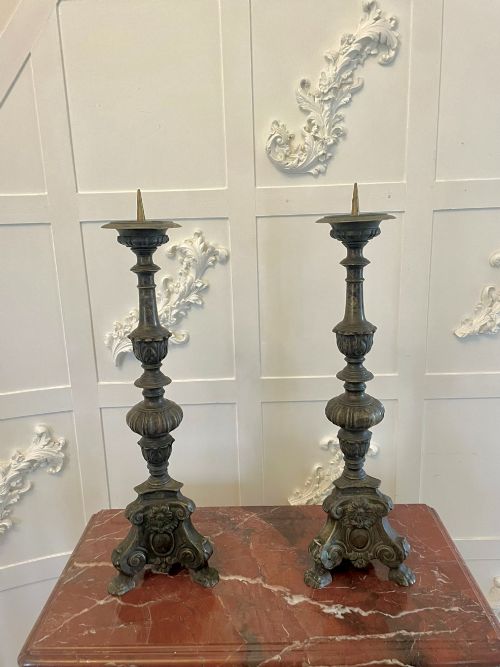
Most pieces seen here originate from French workshops or British makers spanning the nineteenth and early twentieth centuries. These range from ornate Rococo revival wall lights to restrained Louis XVI style fixtures and tall Victorian brass pricket candlesticks.
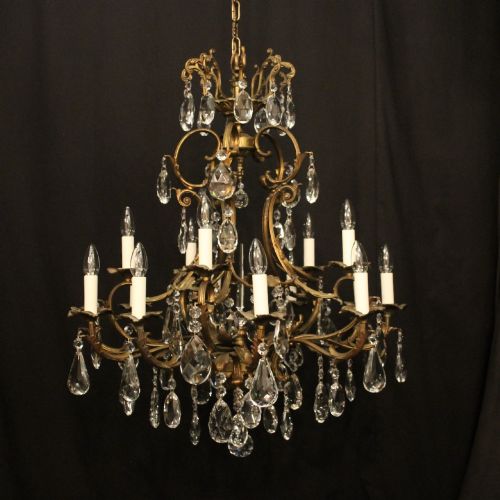
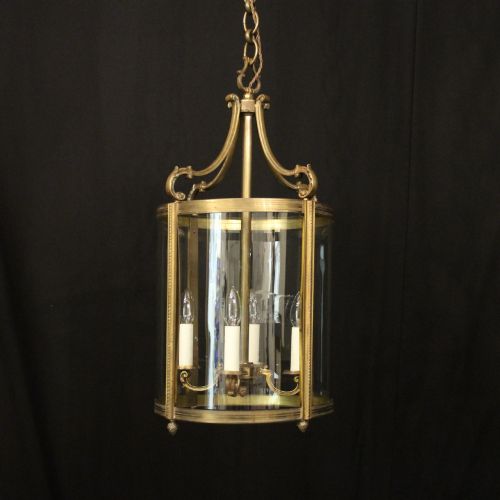
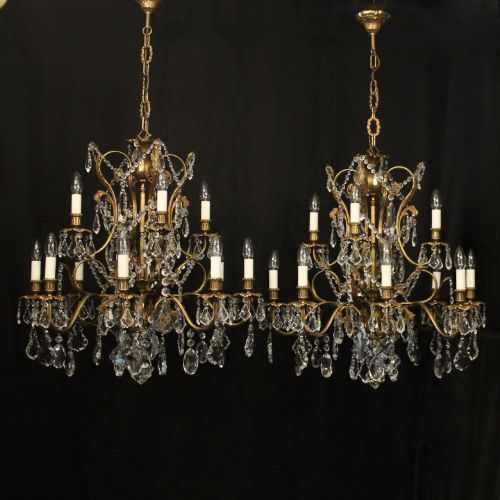
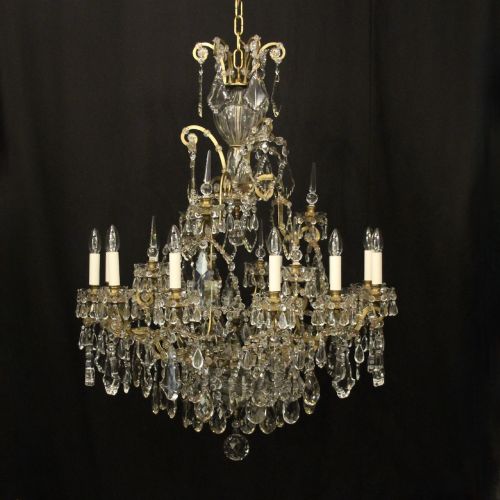
Chandeliers and wall lights dominate the selection, often pairing gilt metal frames with cascading crystal drops or glass beads. Hall lanterns and table lamps also appear, providing heavy brass and bronze structures built to dominate an entryway or a reception room.
How they were made
Metalwork forms the foundation of every piece, utilising cast bronze, brass, or ormolu shaped into elaborate scrollwork, cherubs, and acanthus leaves. Artisans applied thin layers of gold leaf or mercury gilding over the base metal to create a durable, shimmering surface.
Many chandeliers and wall lights incorporate cut crystal drops, glass prisms, or convex glass panels held by wire pins within the metal armature. These transparent elements refract the light from multiple candle branches or electric fittings.
Makers integrated marble bases in specific table lamps and candelabra, adding dense weight and contrasting colour to the polished bronze. Structural joins relied upon threaded rods, screws, and hand-cut pins concealed within the decorative arms and baufs.
Large Gilded Bronze Light Retail Price Guide 2026
Typical asking prices for large gilded bronze light among the pieces listed under this phrase on Sellingantiques today, from the lower quarter to the upper quarter. They describe what is for sale here now, not the wider market.
Several heavy fixtures hide tiny cast cherubs clinging to the candle branches, keeping watch over the room below.
What varies in quality
The completeness and quality of the hanging glass or crystal drops alter the visual weight of a chandelier. Original cut glass prisms with sharp edges command greater presence than uniform pressed glass replacements.
The integrity of the gilt layer matters significantly, with worn or stripped bronze showing different grades of original mercury gilding or gold leaf application. Substantial bronze castings also feel notably heavier than thin brass-plated alternatives.
Coutan
The Large Gilded Bronze Light Glossary
- Ormolu
- Finely chopped high-zinc brass applied with gold amalgamation to bronze. This technique creates a rich golden finish characteristic of French decorative arts.
- Pricket candlestick
- A heavy metal candlestick featuring a central spike that pushes into the base of the wax candle rather than sitting inside a socket. These often appear in ecclesiastical or Gothic revival settings.
- Appliqué
- A wall-mounted light bracket designed to attach directly to wood panelling or plaster. This term is frequently used interchangeably with wall sconce.
- Birdcage chandelier
- A tiered lighting fixture featuring an open metal framework shaped like a cage, densely strung with crystal beads and glass drops. These typically hold numerous candle arms around a central vertical axis.
- Torchere
- A tall stand or floor lamp designed to hold a light source high above the ground. Nineteenth-century examples often employ heavy cast bronze figures supporting the upper shaft.
Large Gilded Bronze Light: Frequently Asked Questions
How do I wire an antique chandelier?
Rewiring requires running modern heat-resistant flex through the internal channels of the bronze arms, bypassing old iron wiring paths.
Qualified electricians should test the earth continuity of the metal frame before hanging any heavy multi-light fixture from a ceiling joist.
How do I clean gilded bronze?
Dust surfaces gently with a soft dry brush to prevent abrasive particles from scratching the thin gold layer. Avoid harsh metal polishes which strip the original gilding down to the base bronze.
Warm water with a mild soap applied on a damp cloth removes stubborn grime from flat areas, followed immediately by thorough drying.
How do I date these metal lights?
Stylistic clues such as symmetrical Neoclassical swags point to the late eighteenth or nineteenth century, while heavy cast Victorian pieces show distinct Gothic or revival motifs. Fasteners, screw threads, and the composition of the metal give further clues to the manufacturing decade.
Marked foundry stamps or signatures on the base of figures provide direct attribution to specific nineteenth-century workshops.
Are these lights too heavy for plaster ceilings?
Large bronze and crystal fixtures carry considerable weight that exceeds standard plasterboard capacity. Installers must anchor mounting brackets directly into wooden ceiling joists or structural lintels.
Using rated steel chain and hook assemblies ensures the chandelier hangs securely without relying on decorative ceiling roses alone.