

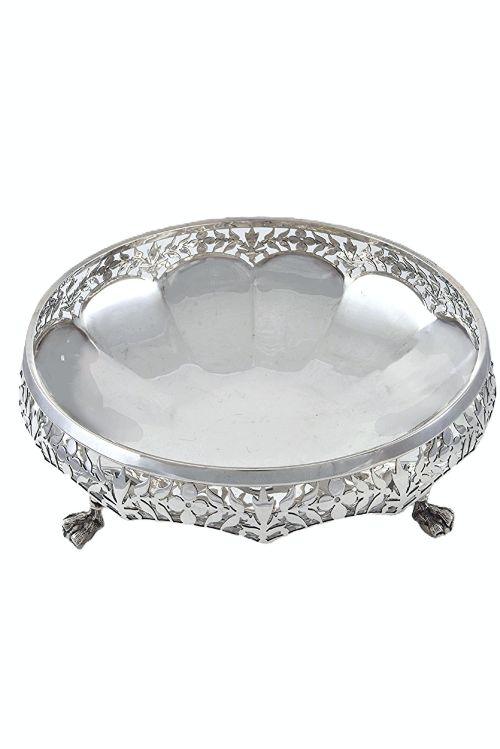


Large Fruit Bowl
A large fruit bowl anchors a table or sideboard, bringing weight, colour and presence to a room through centuries of craftsmanship.
Large Fruit Bowl
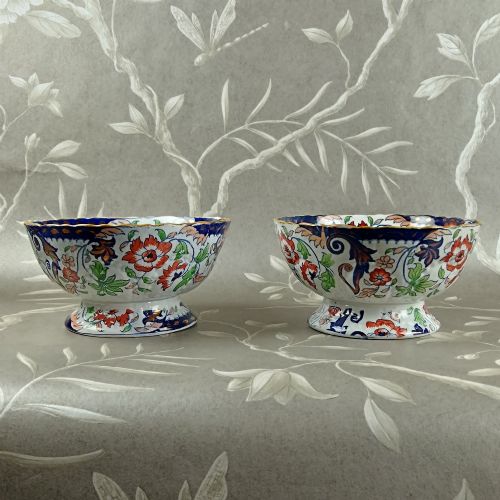
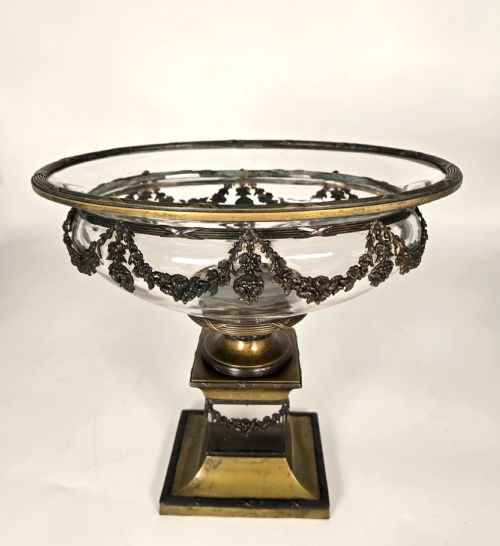
A large fruit bowl serves as a striking focal point in domestic spaces, historically designed to display seasonal produce or hold floral arrangements during banquets. When searching for a large fruit bowl, buyers encounter a diverse array of forms ranging from deep pedestal dishes to wide porcelain basins.
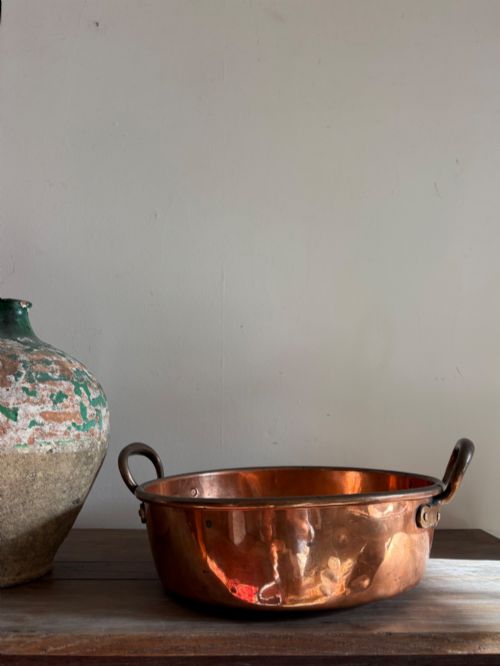
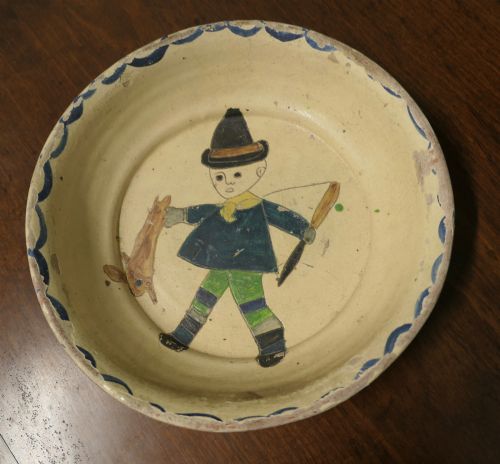
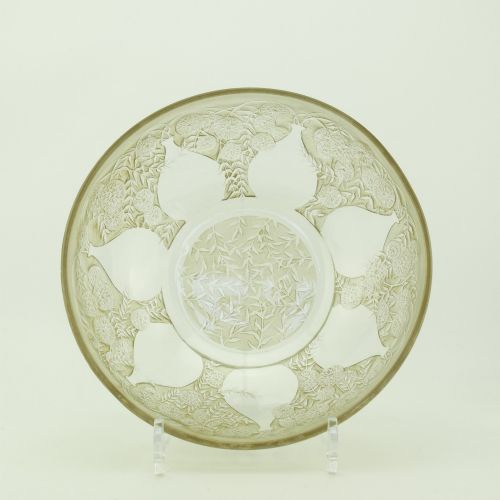
The pieces appearing on this page span the nineteenth and early twentieth centuries, encompassing Victorian, Edwardian, and Art Deco aesthetics. Domestic kitchen vessels, decorative centrepieces, and imported export wares all fill this functional category.
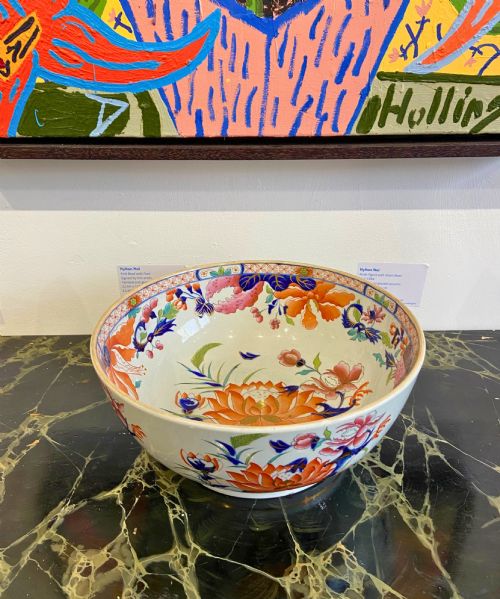
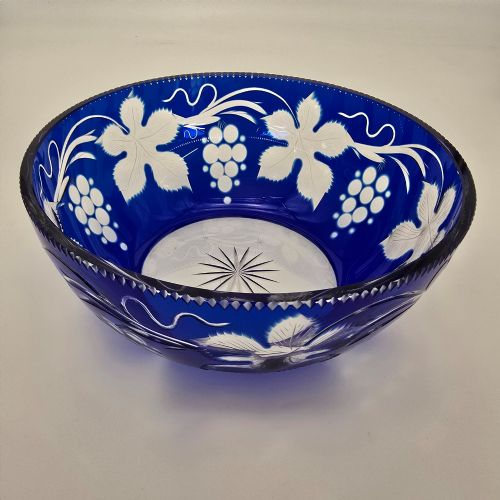
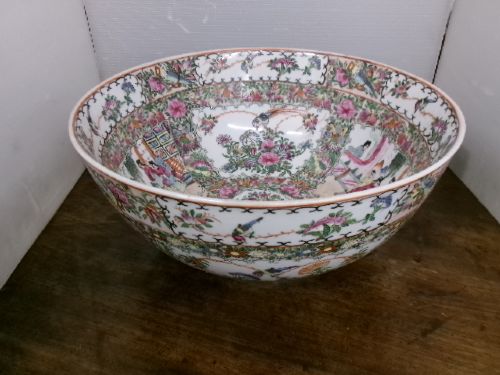
Ceramic, glass and metal dominate the selections, alongside occasional turned wooden treen platters and oil paintings depicting banquet scenes. Porcelain versions often display elaborate hand-painted motifs or applied floral decorations, while glass iterations showcase deep cutting, opalescence or enamel detailing.
How they were made
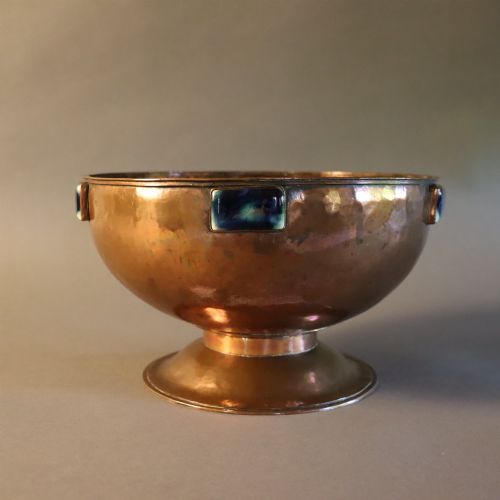
Potters shaped porcelain and ironstone on wheels or in moulds before firing at high temperatures, often applying cobalt blue underglazes or hand-painted enamel colours over the glaze. Metal vessels involved hammering sheet copper, spinning silver or plating base metals, sometimes incorporating cast bronze mounts or silver handles.
Glassmakers blew molten material into moulds or freehand, utilising techniques like cased glass, acid etching, or applying gold leaf and enamel decoration to the cooled surface. Wooden items such as dairy bowls and platters were turned from solid blocks of sycamore, ash or sycamore on a lathe.
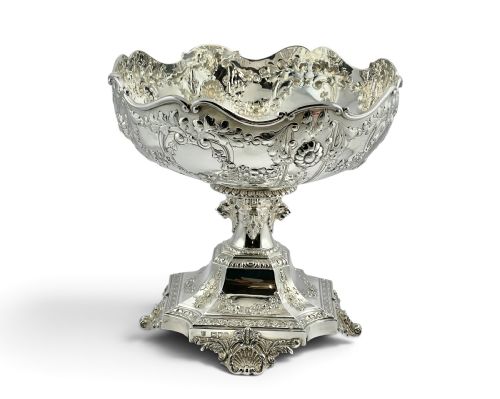
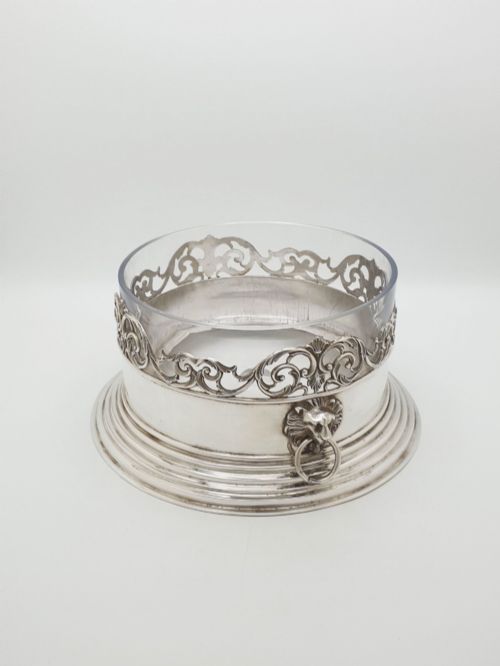
Craftsmen in the Arts and Crafts tradition combined beaten copper with cabochon stones, while silversmiths soldered pierced galleries and pedestal feet to sterling silver or silver-plated bodies.
Large Fruit Bowl Retail Price Guide 2026
Typical asking prices for large fruit bowl among the pieces listed under this phrase on Sellingantiques today, from the lower quarter to the upper quarter. They describe what is for sale here now, not the wider market.
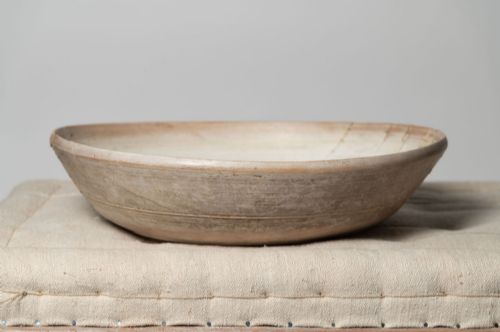
The selection includes distinct regional works such as Chinese export porcelain, Swedish dairy bowls, and English treen platters.
What varies in quality
The distinction between standard domestic wares and superior examples lies in the crispness of the modelling, the depth of the metal gauge, and the sophistication of the decoration. Hand-painted details executed with precision elevate porcelain centrepieces far above mass-produced transfer-printed items.
In glassware, heavy blanks with deep, sharp wheel-cutting or complex opalescent effects represent superior manufacturing standards compared to thin, simple moulded glass. Metal bowls demonstrate quality through substantial weight, secure mounting of handles or feet, and the fineness of chased or pierced ornamentation.
Rene Lalique·Graystan·Doulton Burslem·St Louis glassworks·Joseph Rodgers·Maling·C.G. Schierholz and Sohn
The Large Fruit Bowl Glossary
- Centrepiece
- A large decorative vessel placed in the middle of a dining table, often raised on a pedestal or accompanied by matching ornaments.
- Pedestal bowl
- A vessel elevated on a short stem and a footed base, frequently utilised for display purposes on sideboards.
- Famille rose
- A palette of Chinese porcelain enamels dominated by opaque pink, introduced in the eighteenth century and continued through later periods.
- Treen
- Small handmade wooden objects produced before the widespread adoption of modern plastics, often turned from native hardwoods.
- Opalescent glass
- Glass containing ingredients that create a milky, translucent appearance with shimmering colour shifts when viewed in the light.
Large Fruit Bowl: Frequently Asked Questions
How were large fruit bowls used historically?
Large vessels originally held fresh fruit, sweetmeats, or floral centrepiece arrangements during formal dining occasions. They sat prominently in the middle of tables or upon sideboards to display wealth and hospitality.
Over time, these pieces transitioned from functional dining accessories to decorative objects of art valued for their craftsmanship and material richness.
How do I identify a Victorian bowl?
Victorian items often display heavy proportions, ornate Rococo Revival scrolling, or rich blue and white transfer printing. They frequently employ dense materials like thick ironstone, sterling silver, or heavy copper.
Examining the base marks, weight, and decorative motifs helps distinguish nineteenth-century examples from later Edwardian or Art Deco productions.
Can I use antique bowls for daily dining?
Many sturdy ceramic and metal pieces remain robust enough for holding fruit or everyday display. Delicate glass, thin porcelain, and unsealed wooden treen require gentler handling and are better suited for static placement.
Hand washing with mild soap preserves the fragile glazes, enamel decorations, and silver-plated surfaces found on older items.
What is the difference between silver plate and sterling silver?
Sterling silver consists of a solid alloy containing high purity silver throughout the entire object, usually verified by hallmark stamps. Silver plate involves a thin layer of silver bonded over a base metal core such as copper or brass.
Both materials appear frequently across large centrepieces from the late nineteenth and early twentieth centuries.