


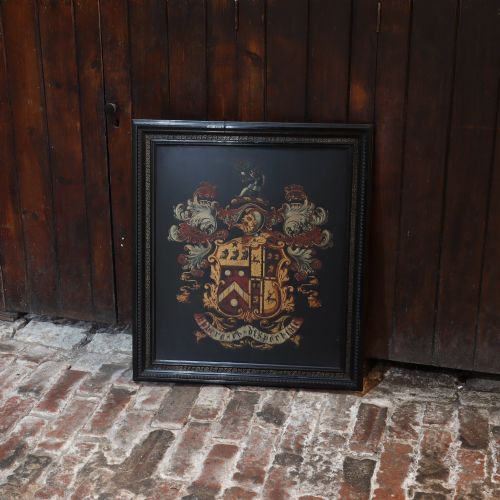
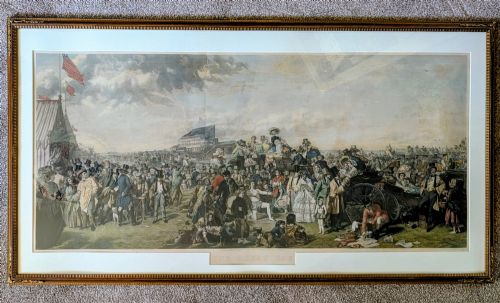
Large Framed Wall Art
Large framed wall art brings immediate presence to a room through scale, period character and varied media.
Large Framed Wall Art
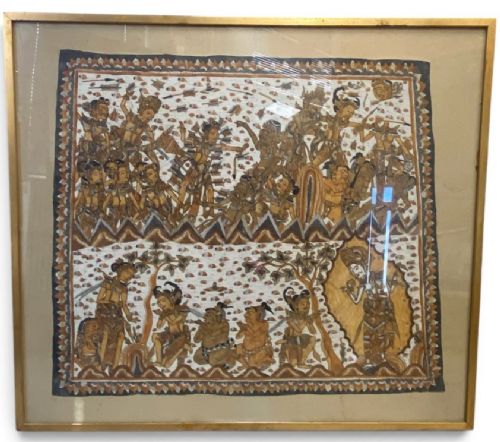
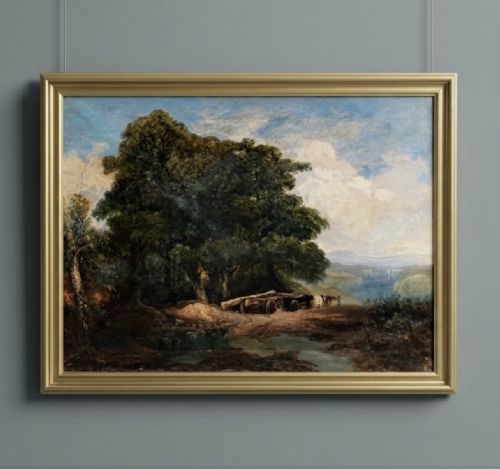
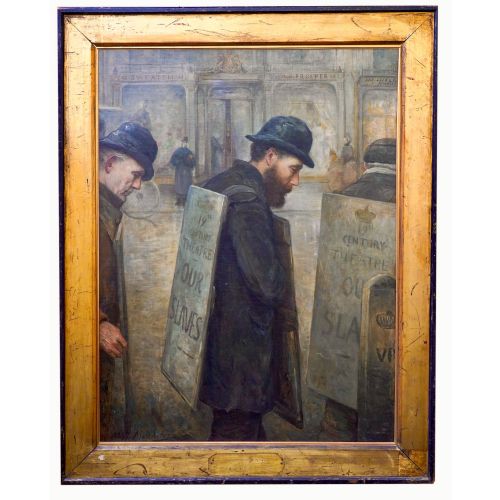
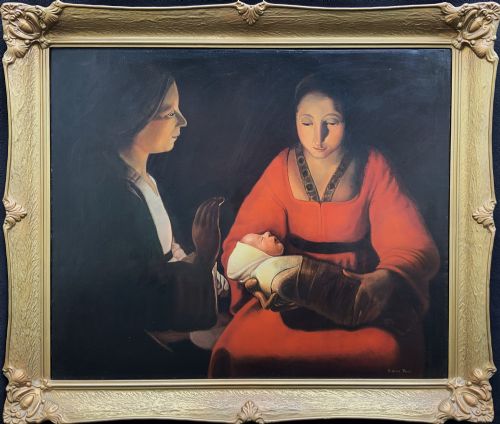
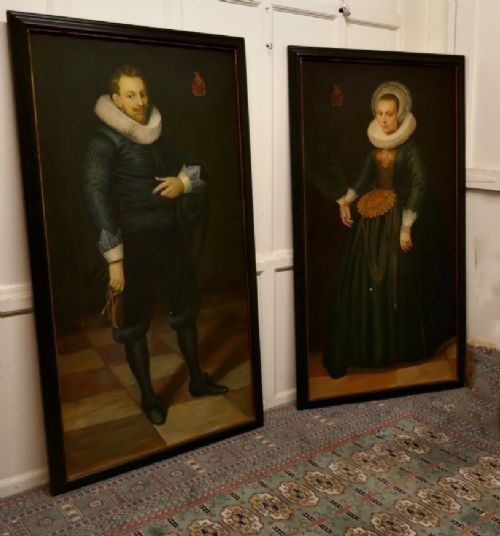
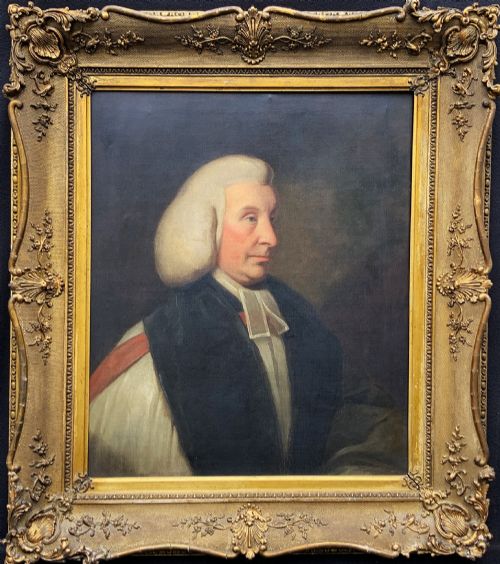
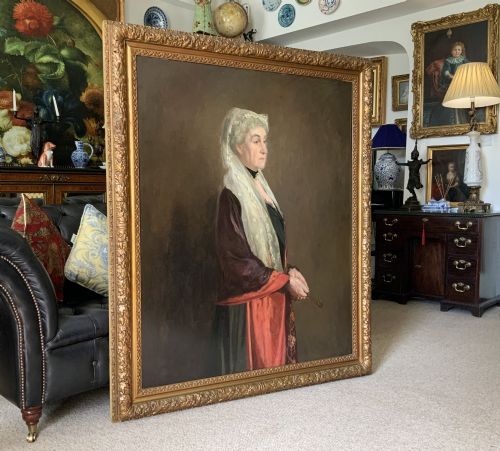
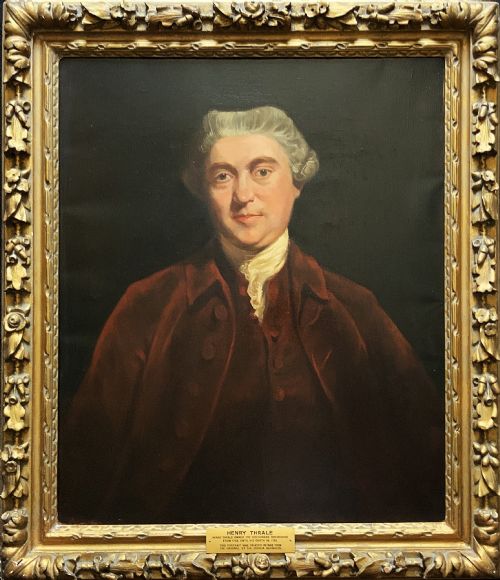
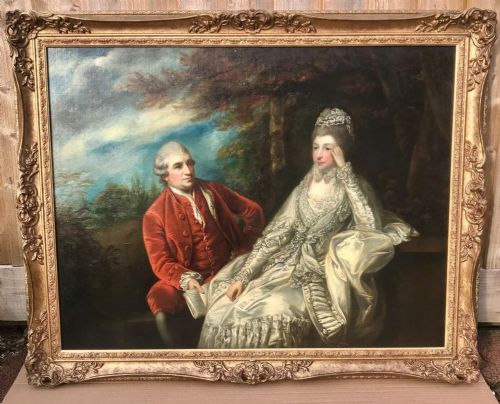
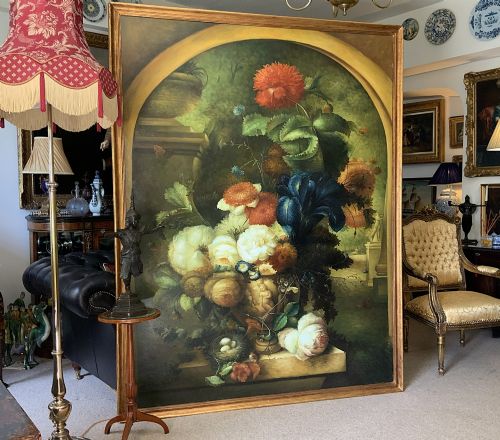
Large framed wall art covers significant oil paintings, portraits, landscapes, prints and textiles designed to anchor a wall. The pieces span from the eighteenth century through the Victorian era into mid-century modern works.
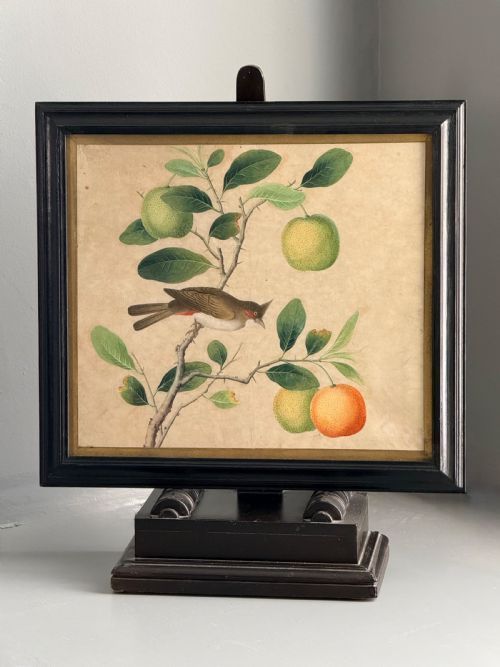
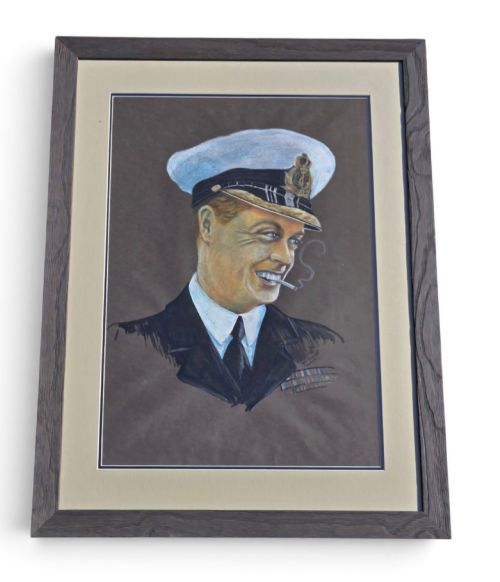
Buyers encounter oil on canvas, pastel on paper, engravings, lithographs and framed textile panels. Many of these works retain their original wood, glass or gilt surrounds.
Traditional portraiture, romantic landscapes, floral still lifes and maritime scenes dominate the selection. These large-format items require substantial wall space and often serve as the focal point of a room.
How these pieces were made
Makers applied oil paint, gouache or pastel onto canvas, paper, pith paper or vinyl canvas. Canvases are stretched over wooden frames and secured within heavy wooden or gilt mouldings.
Glazed pieces utilise protective glass panes over delicate paper, pastel or textile works. Frames incorporate carved wood, gilt gesso or copper construction to support the considerable weight of the artwork.
What varies in quality
The strength of the composition and the skill of the brushwork set individual works apart. Original portraits and landscapes by recorded artists demonstrate superior handling of light, proportion and detail compared to decorative copies.
The integrity and originality of the frame influence the character of the piece. Contemporary framing differs significantly from period gilt wood or Hogarth frames that have housed the artwork for generations.
Richard Sebastian Bond·Felix Stone Moscheles·Georges de La Tour·Donald Grant·Cornelis Van Der Voort·Sir Joshua Reynolds·William Powell Frith·Thomas Smythe·Konstantin Stoitzner·John Opie·TB Hardy·Erich Mercker
The Large Framed Wall Art Glossary
- Gilt Wood
- Wood carved and coated with gold leaf or a gold-coloured metallic finish. This technique creates a reflective, ornate border often seen on traditional frames.
- Gouache
- An opaque water-based paint mixed with a gum binder. It produces flat, vivid areas of colour on paper or pith paper.
- Lithograph
- A print produced by a printing process using a flat stone or metal plate. Artists use this method to replicate detailed illustrative scenes.
- Engraving
- An image incised into a metal plate using a sharp tool before printing onto paper. This technique creates fine, sharp lines suited to detailed interior scenes.
- Pastel
- A dry pigment stick used to create textured, velvety drawings on paper. These works require glass protection to prevent the pigment from smudging.
Large Framed Wall Art: Frequently Asked Questions
How do I hang heavy wall art?
Large framed wall art requires secure fixings directly into wall studs or masonry using heavy-duty picture hooks. Weight distribution across two points prevents the frame from tilting.
Professional hanging ensures the piece remains level and supports the combined weight of the canvas, glass and wooden frame safely.
Should I reframe an antique painting?
Original frames provide historical context and often match the period of the artwork. Preserving the original wood or gilt surround maintains the integrity of the piece.
Replacement should only occur if the existing frame causes structural damage to the canvas or paper within.
How do I care for oil paintings?
Keep oil paintings away from direct sunlight and damp conditions to prevent canvas sagging and paint cracking. Dust the surface gently with a soft, dry brush without using liquid cleaners.
Professional conservation is recommended for deep cleaning or repairing tears in old canvas.
How do I identify the period of a frame?
Frame construction techniques, corner joints and the composition of the gesso or gilding indicate the date of manufacture. Hand-carved wooden mouldings typically point to earlier periods.
Backboards, fixings and paper tape used on the reverse also offer clues regarding the age of the framing.