
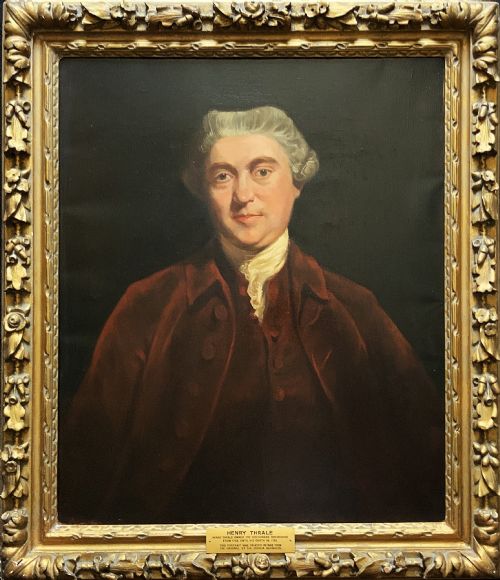
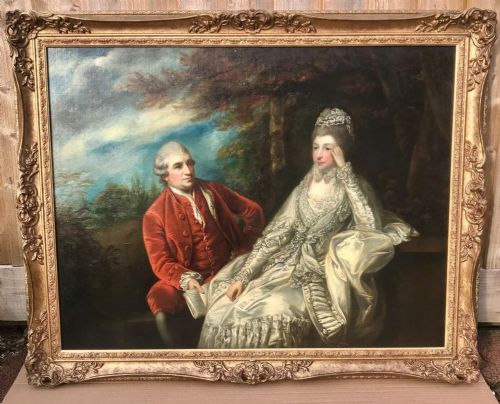
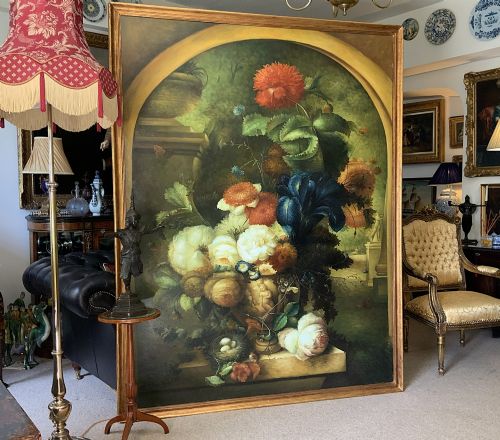

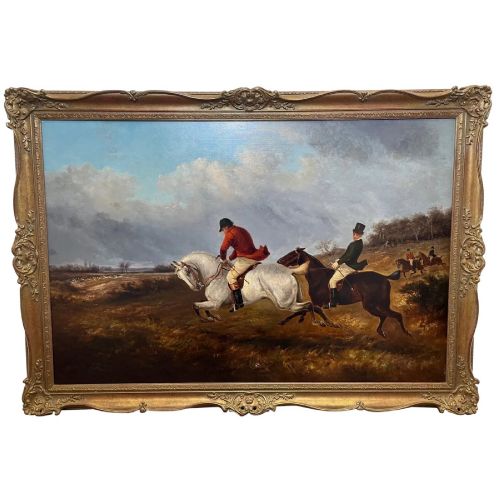
Large Framed Oil Canvas
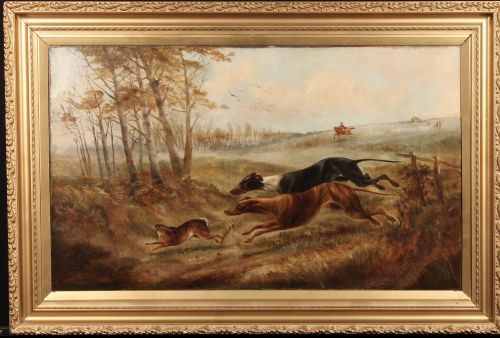
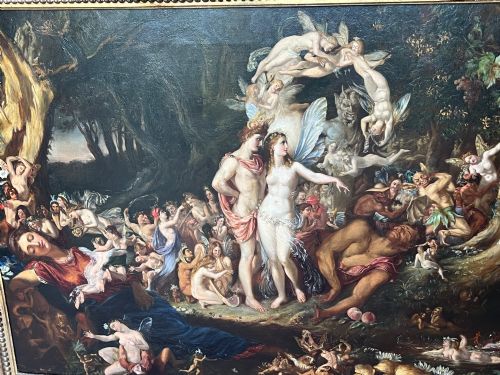
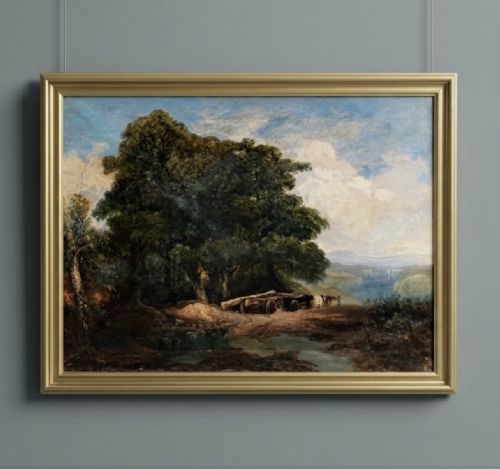
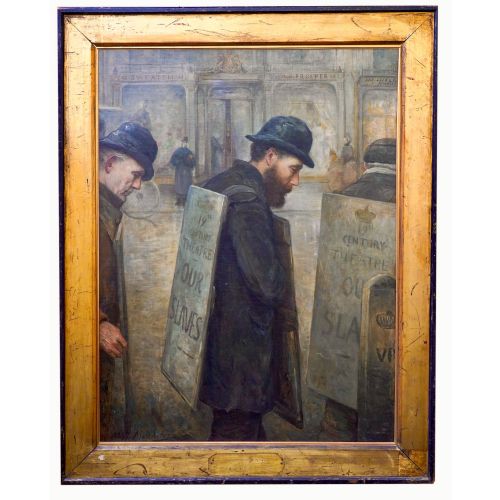
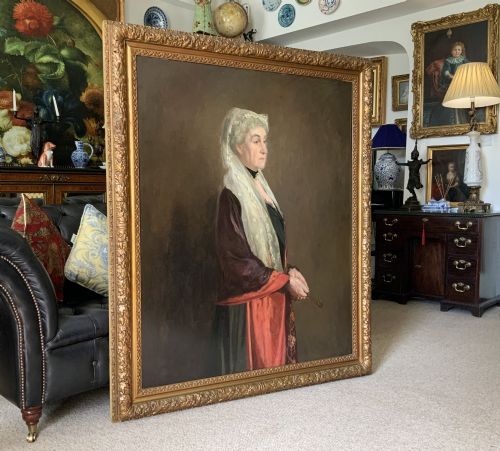
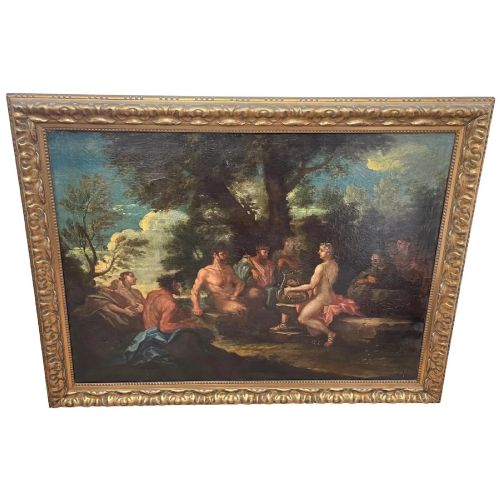
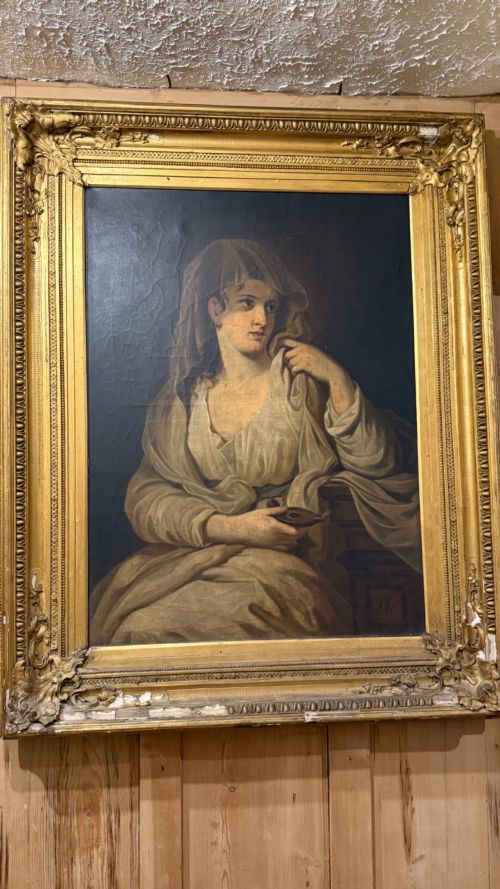
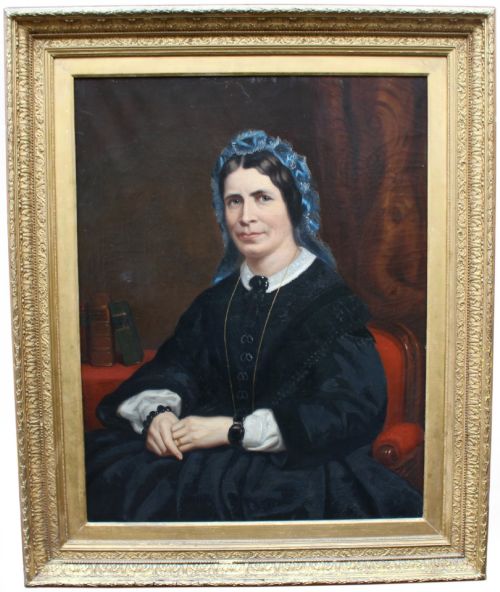
A large framed oil canvas brings scale and historical presence to a room, presenting expansive landscapes, portraits, and still lifes.
Large Framed Oil Canvas
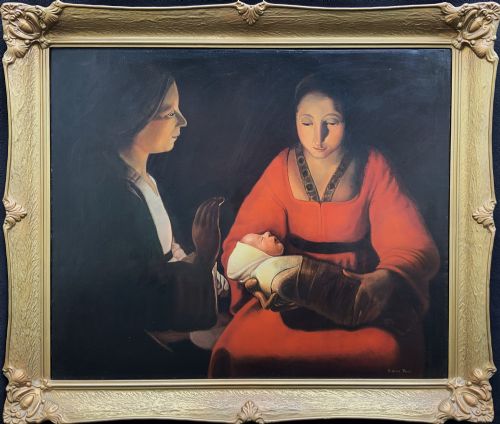
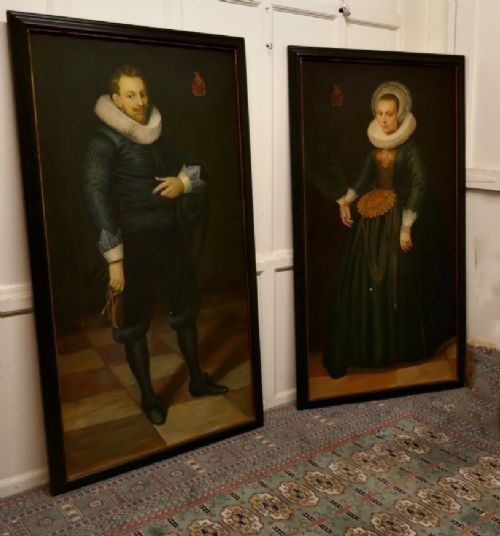
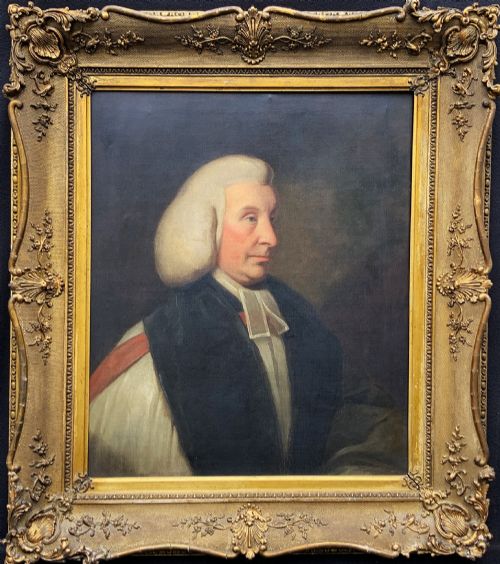
A large framed oil canvas encompasses substantial works on fabric spanning from the eighteenth century through to mid-century modern interpretations. Buyers encounter monumental portraits, expansive landscapes, and decorative still lifes enclosed within their original or period surrounds.
These substantial pieces function primarily as focal points for large wall spaces, combining the depth of oil paint with robust timber and gilt framing.
Materials and Construction
Paintings are executed in oil paint upon woven canvas supports, utilising the slow-drying medium to build rich layers of colour, tone, and texture. Canvas is stretched across wooden frames to provide a stable foundation for the pigmented oils.
Surrounding the artwork are heavy wooden frames finished with gesso and giltwood ornamentation, providing structural support and visual definition. Guilders and framers applied gold leaf or metallic paint over moulded plaster details to complement the scale of the central canvas.
Listings feature works spanning from the eighteenth century to the mid-twentieth century, utilising oil paint on canvas alongside wood, gesso, and gilt frames.
Assessing Quality
Quality rests upon the confidence of the brushwork, the handling of light and shadow, and the anatomical or spatial accuracy within the composition. Master works display assured pigment application and subtle tonal transitions that create genuine depth.
The integrity and originality of the surrounding frame contribute significantly to the piece, particularly where period gesso mouldings and original gilding match the era of the canvas.
Richard Sebastian Bond·Felix Stone Moscheles·Thomas Smythe·John Opie RA·Harold Knight RA·Robert Cleminson
The Large Framed Oil Canvas Glossary
- Oil on Canvas
- A traditional painting medium where pigments are suspended in a drying oil, applied to a stretched woven fabric support. This combination allows for rich blending and textured impasto work.
- Giltwood
- Timber that has been coated with a thin layer of gold leaf or gold paint. It frequently forms the decorative surface of ornate period picture frames.
- Gesso
- A plaster-like mixture used as a smooth base on wooden frames before gilding or painting. It accepts intricate mouldings and relief decoration.
- Impressionism
- A style of painting focusing on the visual impression of the moment, particularly shifting light and open brushwork. It appears across various nineteenth and twentieth-century works on this page.
- Old Master
- A term for a European artist of high skill working before the nineteenth century. These compositions often serve as the inspiration for later study pieces.
Large Framed Oil Canvas: Frequently Asked Questions
How do I hang a large framed oil canvas safely?
Heavy canvases require secure wall anchors and robust picture wire fixed directly into the structural wooden stretcher or frame. Professional hanging hardware ensures the substantial weight is distributed evenly.
Position the centre of the canvas at eye level to establish a balanced visual focal point within the room.
How should I clean an antique oil painting?
Surface dust can be removed gently with a soft, dry brush, taking care not to touch exposed canvas or damaged paint layers. Avoid using water, household cleaners, or solvents on the painted surface.
Professional conservators should be consulted for deep cleaning or varnish removal to prevent accidental damage to the original pigments.
What lighting suits these large paintings best?
Position paintings away from direct, harsh sunlight to prevent the fading of oil pigments and the degradation of canvas fibres. Indirect ambient light or dedicated picture lights positioned above the frame highlight the brushwork effectively.
Warm LED picture lamps operating at low heat output protect both the canvas and the giltwood frame over time.
How can I tell the age of the frame?
Period frames often display hand-carved wooden corners, layered gesso application, and aged patination on the gilding beneath surface dust. Construction marks, old fixings, and timber shrinkage on the reverse offer further clues to the date.
Matched frames that have housed the canvas for generations show consistent signs of historic wear across both wood and artwork.