



Large Framed Figure Painting
A large framed figure painting commands a room through scale and presence, bringing centuries of portraiture and narrative directly to your walls.
Large Framed Figure Painting
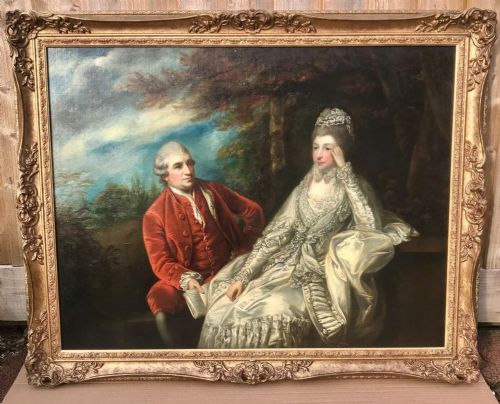
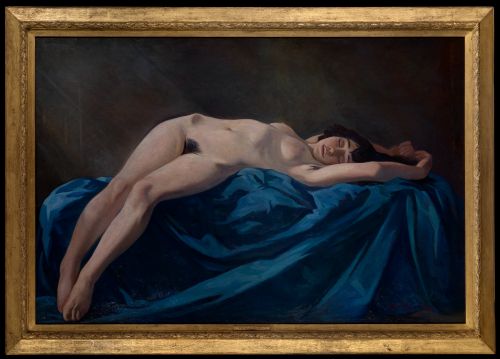
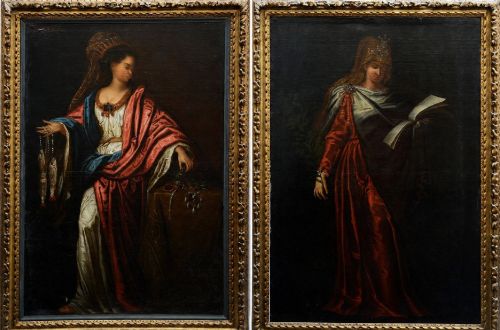
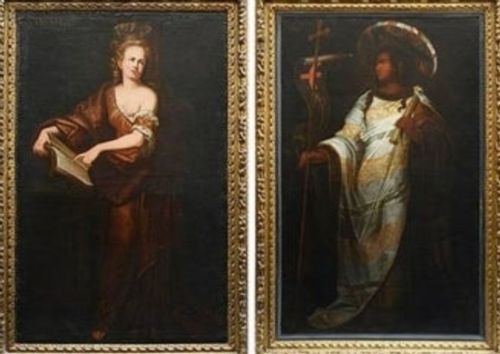
When you search for a large framed figure painting, you encounter substantial works spanning the eighteenth century, the nineteenth century, and twentieth-century modernism. These pieces present human subjects, from mythological figures and classical sibyls to intimate nudes and post-war studies, housed in their original or period-appropriate frames. You are most likely to meet oil on canvas works, alongside watercolour and pastel compositions, executed across British, French, Italian, Dutch, and Chinese schools.
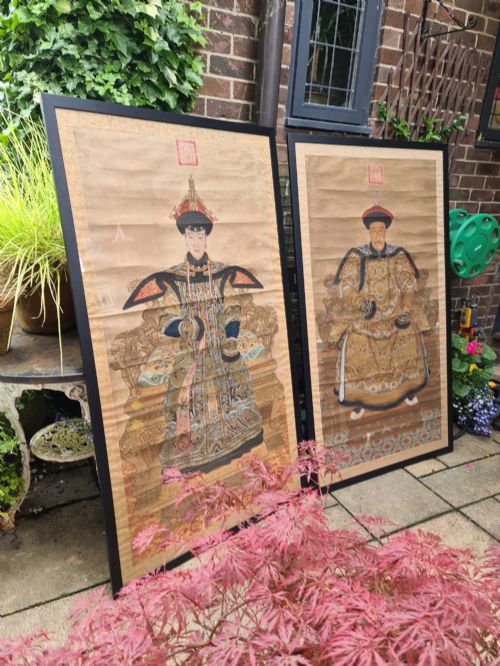
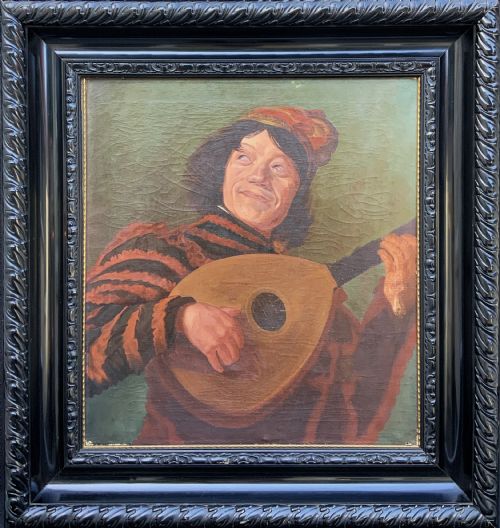
The subjects range from grand historical and mythological narratives, such as depictions of Apollo and Marsyas or ancestral scrolls, to intimate portraits and academic model studies. Many works draw inspiration from earlier masters, offering interpretations of seventeenth-century Dutch portraiture or sixteenth-century portrait painting. Others capture specific twentieth-century moments through post-war British realism, impressionism, and abstract portraiture.
Scale defines this selection, with canvases stretching to substantial heights and widths that demand architectural wall space. They originate from diverse workshops and academic traditions, reflecting stylistic shifts from eighteenth-century classical approaches through to mid-century experimentation. Each piece relies on its gilt wood, giltwood, or simple wooden frame to complete the presentation of the artwork.
How they were made
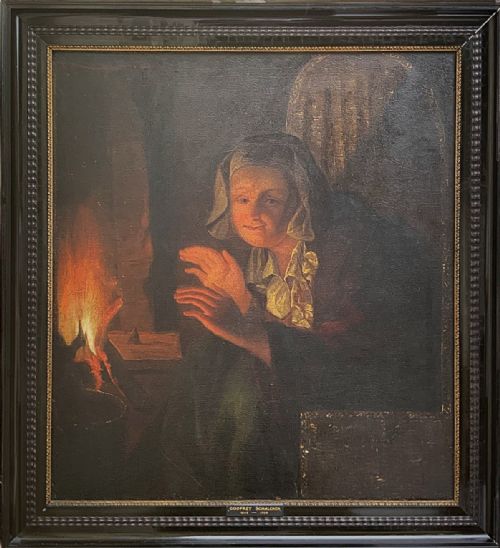
The foundational material across these works is canvas, stretched across robust wooden frames to support heavy applications of oil paint. Artists built depth through layered pigments, utilising the viscous nature of oil paint to create luminosity in skin tones and rich shadows in dark nocturnal portraits. Watercolours on paper and pastel works also appear, each demanding specific handling to capture tone and expression.
Framing is integral to the physical construction, utilising gilt wood, giltwood, and plain timber to protect and finish the edge of the canvas or paper. Gilding techniques applied to carved wood mouldings provide the reflective borders characteristic of traditional picture framing. These frames support the considerable weight of large formats while complementing the palette of the painting within.
Several ladies from history and mythology stare out from these large canvases, keeping watch over centuries of domestic rooms.
What varies in quality
Quality rests in the confidence of the brushwork and the anatomical conviction of the figure rendered by the artist. Stronger pieces display precise control over light, shadow, and expression, whether capturing the complex drapery of a mythological scene or the direct gaze of a portrait subject. Lesser works may reveal hesitation in proportion or static rendering of the human form.
The harmony between the artwork and its frame contributes significantly to the overall standard of the piece. Superior examples retain period-matching giltwood or carved wooden frames that enhance the visual weight of the composition without overpowering it. The preservation of the original paint surface, free from heavy intervention, further distinguishes the finer works in this category.
Joshua Reynolds·Eric Robertson·Frans Hals·Godfried Schalcken·Friedrich von Kaulbach·Hans Holbein·Antonio Ferri·Peter Paul Rubens·Bernard Meninsky·Frederick Underhill
The Large Framed Figure Painting Glossary
- Oil on Canvas
- Pigment mixed with drying oil applied to a woven fabric surface. This combination allows for rich colour blending and durability over centuries.
- Giltwood
- Wood carved and covered with a thin layer of gold leaf or gilt. It provides a reflective, decorative border to traditional picture frames.
- Old Master
- A European artist of high skill working before about eighteen hundred. Many large figure paintings follow the traditions or copy the styles of these significant painters.
- Sibyl
- A prophetic woman in ancient Greek and Roman mythology. They appear frequently as classical subjects in eighteenth-century European art.
- Post-War Realism
- An artistic movement focusing on realistic depictions of human figures and everyday scenes following the mid-twentieth century. These works often employ direct brushwork and earthy palettes.
Large Framed Figure Painting: Frequently Asked Questions
How do I hang a large painting safely?
Heavy framed artworks require secure fixing directly into wall studs or masonry using heavy-duty picture hooks and multi-point hanging wire. Ensuring the weight is distributed evenly protects both the wall structure and the wooden frame.
Professional installation is recommended for exceptionally large oil paintings to maintain stability and prevent shifting over time.
What is the difference between an original and a copy?
An original painting is conceived and executed directly by the artist, whereas a copy or tribute piece reinterprets an existing work by another hand. Many historical copies hold artistic merit in their own right, demonstrating the skill of subsequent painters.
Signatures, provenance records, and stylistic analysis help determine whether a piece is an independent creation or an after-work.
How should I clean a vintage oil painting?
Dust accumulation should be removed gently using a soft, dry natural bristle brush without applying pressure to the canvas surface. Avoid using water, household cleaners, or chemical solvents on the paint layer.
Professional conservators should handle deeper cleaning, varnish removal, or canvas repairs to prevent permanent damage to the pigment.
Why are some large paintings signed while others are not?
Many historical portraits and studio paintings were created without signatures because they were collaborative outputs or intended for specific architectural settings. Unsigned works often rely on stylistic attribution, subject matter, and framing clues to suggest an origin.
A signature confirms direct authorship but absence does not diminish the quality or historical interest of a well-executed piece.