



Large Floral Art
Large floral art brings botanical life into a room through oil paintings, woven tapestries, and glazed ceramics.
Large Floral Art
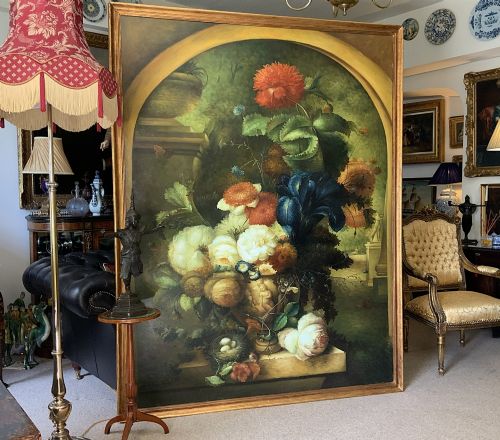
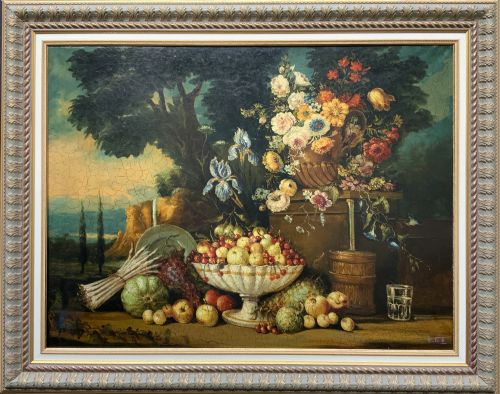
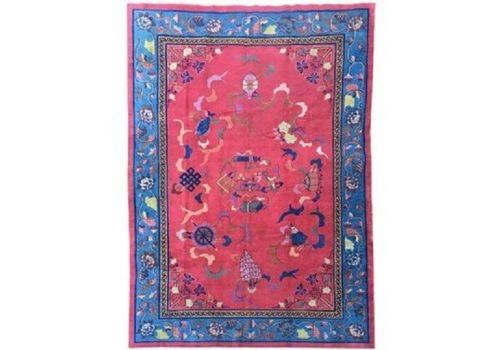
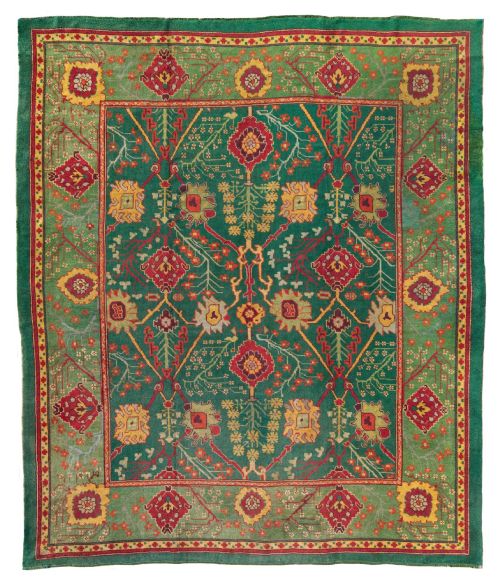
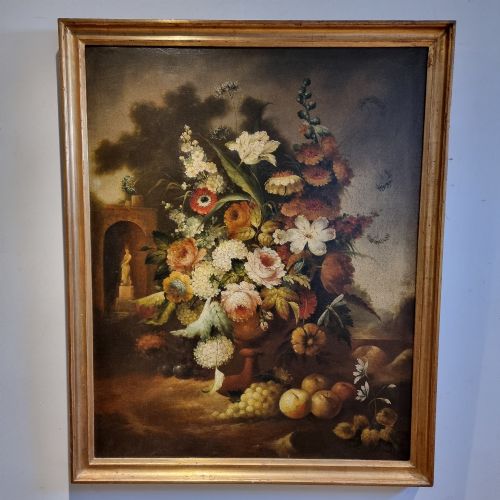
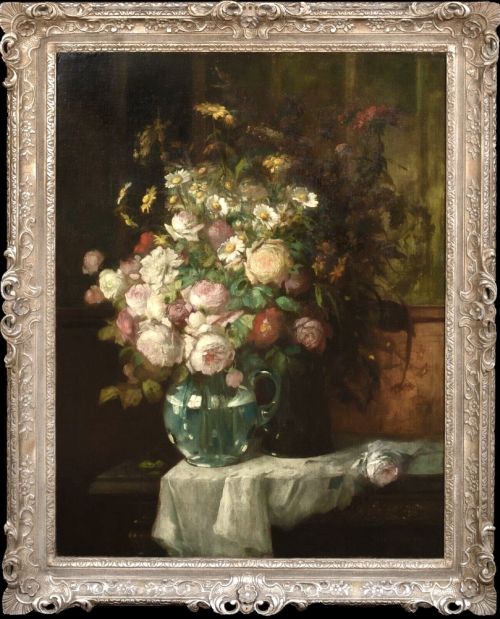
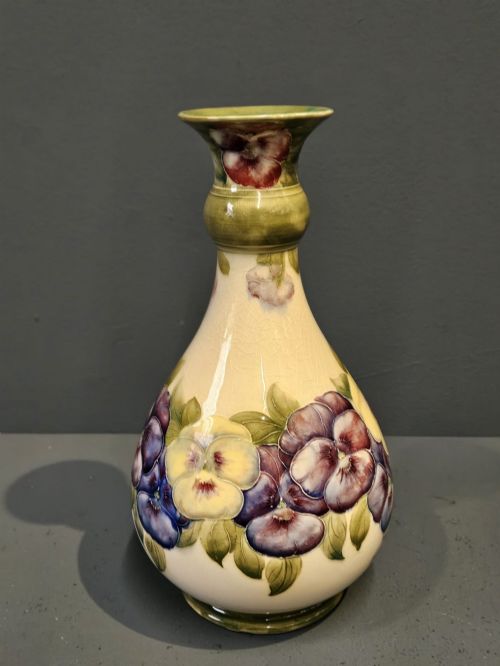
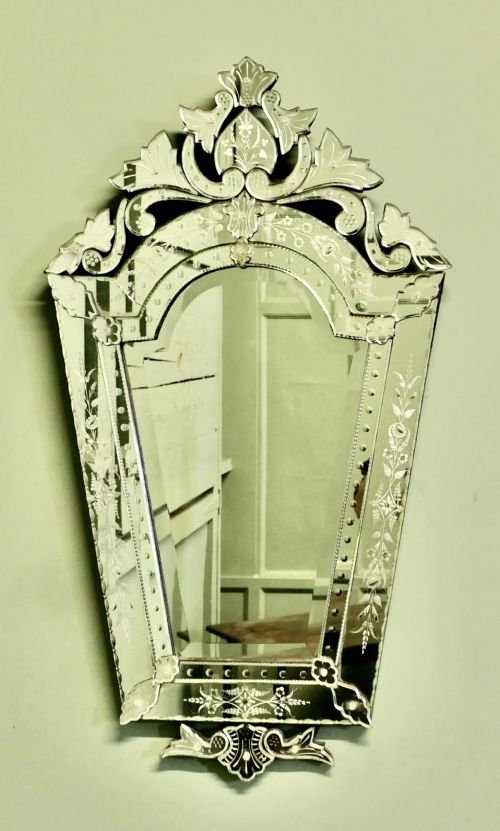
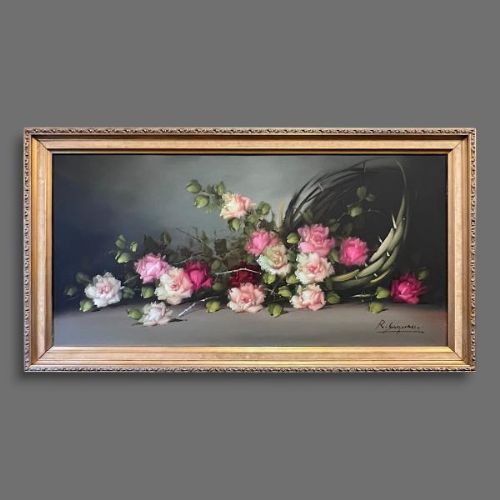
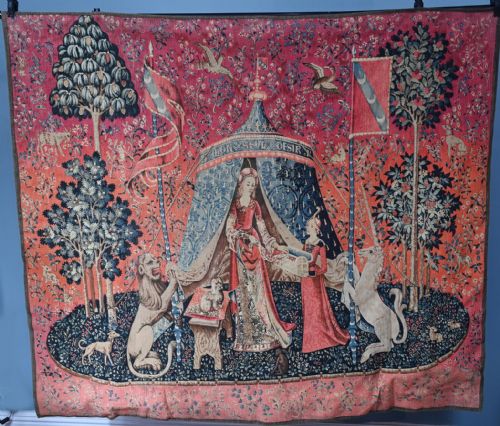
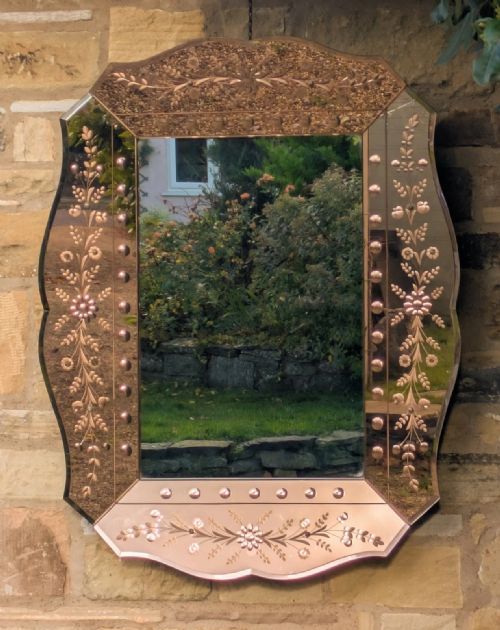
When searching for large floral art, buyers encounter oil on canvas paintings depicting still life arrangements, along with woven wall tapestries and decorative ceramic vessels. These pieces span the nineteenth and twentieth centuries, incorporating movements from Art Nouveau to Mid-Century Modern.
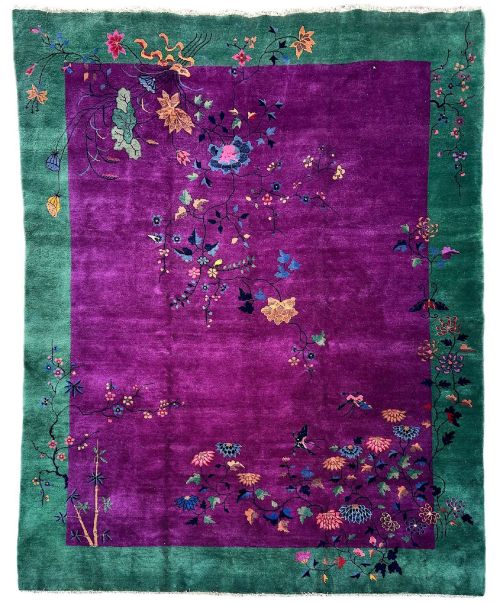
Oil paintings dominate the selection, showing floral displays on canvas in styles ranging from Impressionist brushwork to Dutch Baroque influences. Alongside canvas works, glazed earthenware vases and wool carpets provide alternative formats for botanical decoration.
Origins vary widely across European and Asian workshops, including French glass, English pottery, and Japanese cloisonne. The pieces serve to anchor a room with substantial scale and vibrant botanical subjects.
Materials and construction
Oil on canvas works utilise traditional pigment application, while ceramic pieces employ earthenware, pottery, and moulded clay finished with coloured glaze. Glass items combine cameo carving techniques with layered mineral colouring.
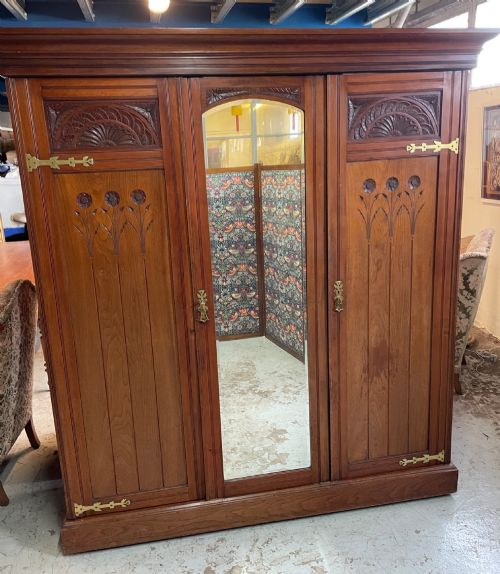
Textiles rely on wool and woven threads to construct wall tapestries and floor carpets. Wooden frames and carved walnut furniture incorporate floral motifs through hand woodworking methods.
Metal elements utilise brass and copper shaping to form vessels and lighting fixtures. These diverse materials reflect the manufacturing methods typical of the Victorian, Arts and Crafts, and Art Deco periods.
Large Floral Art Retail Price Guide 2026
Typical asking prices for large floral art among the pieces listed under this phrase on Sellingantiques today, from the lower quarter to the upper quarter. They describe what is for sale here now, not the wider market.
Listings feature oil on canvas paintings, wool carpets, earthenware ceramics, and cameo glass spanning the nineteenth and twentieth centuries.
Distinctions in quality
Quality rests on the execution of the botanical subject and the handling of the chosen medium. In paintings, brushwork precision and canvas condition determine the strength of the piece, whereas in ceramics, glaze depth and moulding clarity set examples apart.
Maker attribution and material purity elevate certain works, such as cameo glass by identified French glassmakers or hand-knotted wool in antique carpets. The integrity of the original surface finish remains central to the standing of each object.
Konstantin Stoitzner·Moorcroft McIntyre·Thomas Webb And Sons·Sir George Reid·Amile Coppieters
The Large Floral Art Glossary
- Cameo glass
- Glassware formed with multiple layered colours carved to produce a raised design. This technique is prominent in Art Nouveau vases.
- Cloisonne
- Metalwork decorated by adding compartments to hold enamel paste. These sections are fired to create colourful patterns.
- Jardiniere
- A decorative ceramic pot or stand used to hold plants. Large examples often feature moulded floral decoration.
- Verdure tapestry
- A woven wall hanging depicting plant motifs and foliage landscapes. These textiles originate from European weaving centres.
- Still life
- An artwork depicting inanimate subject matter, typically featuring cut flowers and fruit arrangements.
Large Floral Art: Frequently Asked Questions
How do I hang a large oil painting safely?
Heavy canvas works require secure wall fixings distributed across appropriate support points to bear the weight safely.
Professional framing backing and sturdy picture wire protect the structure over time.
Where should I place a ceramic floral vase?
Display heavy earthenware and glass vessels on stable surfaces away from high traffic areas.
Natural light helps highlight the coloured glazes and cameo carvings on the body.
How do I clean an antique wool carpet?
Gentle surface brushing removes loose dust without disturbing the wool fibres.
Professional textile cleaning is recommended for deep maintenance of historical rugs.
What lighting suits a botanical still life painting?
Ambient room lighting prevents colour fading while revealing the fine brushwork on canvas.
Avoid direct, harsh spotlights that generate heat and damage oil pigments.