






Large Dog Sculpture
A large dog sculpture brings monumental character to a room, spanning bronze casting, carved wood, and glazed ceramics from the nineteenth and early twentieth centuries.
Large Dog Sculpture
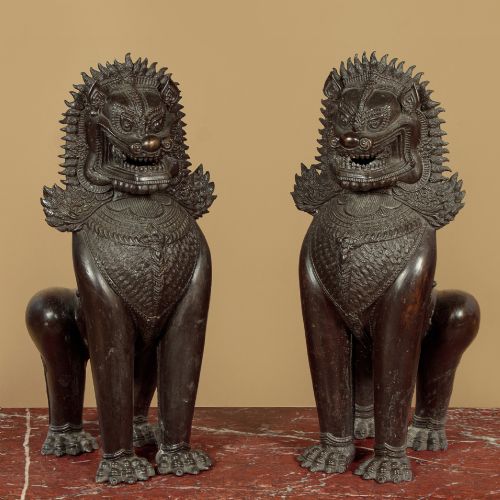
A large dog sculpture encompasses substantial animalier bronzes, earthenware figures, carved timber boxes, and terracotta hounds produced across the nineteenth and early twentieth centuries. These weighty pieces range from domestic pets and working dogs to mythological temple lions and foo dogs.
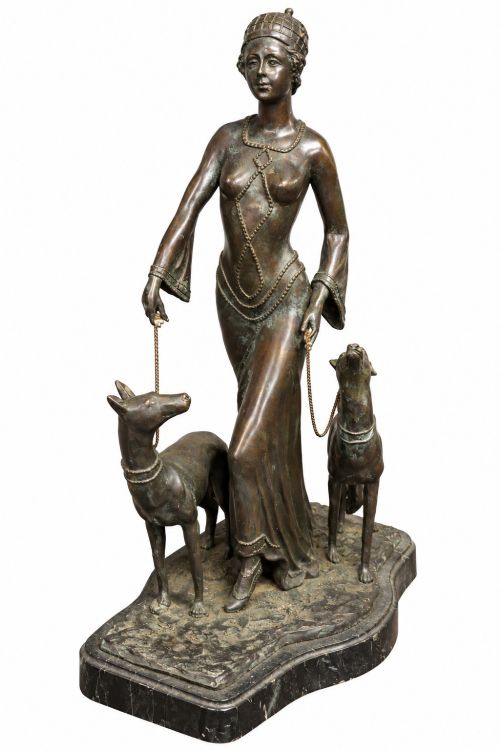
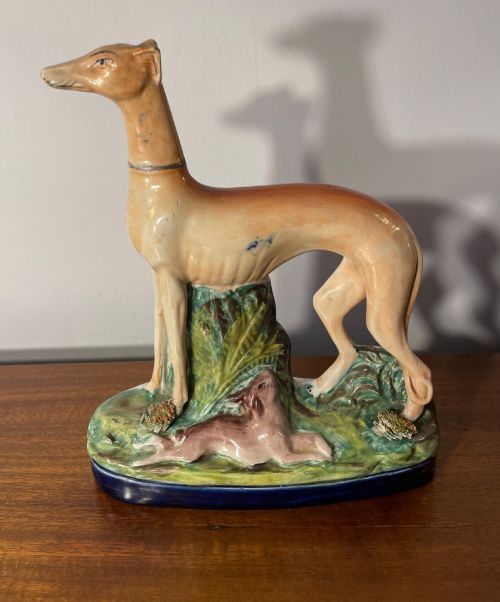
Buyers will most frequently encounter nineteenth-century cast figures, Art Deco spelter and bronze compositions, and ceramic groups originating from British, French, and Central European potteries. These works often double as functional items such as inkwells, desk seals, or night lights alongside pure display sculpture.
The scale of these objects demands considerable presence, whether cast in heavy metal or modelled in ceramic and terracotta. They reflect both Western domestic affection for specific breeds and Eastern traditions of protective temple figures.
What varies in quality
The integrity of the material finish defines the visual success of the piece, from the depth of a bronze patina to the careful polychrome painting on ceramics. Heavier foundational materials like solid marble bases or dense metal alloys elevate the overall substance of the work.
Large Dog Sculpture Retail Price Guide 2026
Typical asking prices for large dog sculpture among the pieces listed under this phrase on Sellingantiques today, from the lower quarter to the upper quarter. They describe what is for sale here now, not the wider market.
Functional forms among these sculptures include tobacco boxes, desk seals, inkwells, and glowing night lights.
Georges Gori·John Durham·Christophe Fratin·Bernard Bloch
The Large Dog Sculpture Glossary
- Animalier
- A nineteenth-century artistic movement focused on the realistic depiction of animals, particularly predators and hounds. Sculptors in this tradition studied anatomy closely.
- Spelter
- A zinc alloy commonly utilised as a less expensive alternative to bronze during the nineteenth and twentieth centuries. It takes patination well but remains softer than bronze.
- Terracotta
- Fired unglazed clay of a brownish-red colour, frequently employed for substantial figurative sculptures and architectural models. It offers a warm, matte surface texture.
- Parian
- A fine white porcelain developed in the nineteenth century to imitate marble for sculptural figures. It has a smooth, unglazed biscuit finish resembling carved stone.
- Okimono
- A Japanese decorative ornament intended for display on a shelf or in a tokonoma alcove. These carvings display high levels of artisanal detail.
Large Dog Sculpture: Frequently Asked Questions
How do I identify bronze from spelter?
Bronze is heavier, colder to the touch, and magnetic only if an iron armature is present underneath, whereas spelter is lighter and softer.
Looking closely at the underside or wear points often reveals the paler grey metal beneath a worn bronze-coloured surface finish on spelter pieces.
Where were large ceramic dog figures placed?
Large ceramic hounds and figures were typically displayed in nineteenth-century hallways, libraries, or hearths to demonstrate substance and breed appreciation.
Many functional variants also served practical roles on large partner desks as inkwells, tobacco boxes, or heavy paperweights.
What is a temple lion or foo dog?
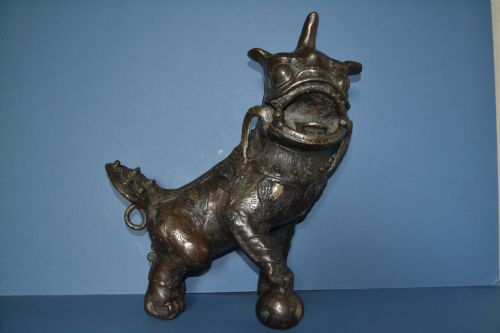
Temple lions are traditional guardian figures originating in Asian art, symbolising protection, prosperity, and the warding off of evil spirits.
In Western collections, these stylised creatures were often interpreted as decorative exotic sculptures rendered in bronze, soapstone, or ceramic.
How should I care for heavy metal sculptures?
Dust metal surfaces gently with a dry, soft brush and avoid commercial cleaning pastes that can strip the historic patination.
Maintain stable indoor humidity levels to protect any integrated wooden or marble components attached to the main sculpture.