

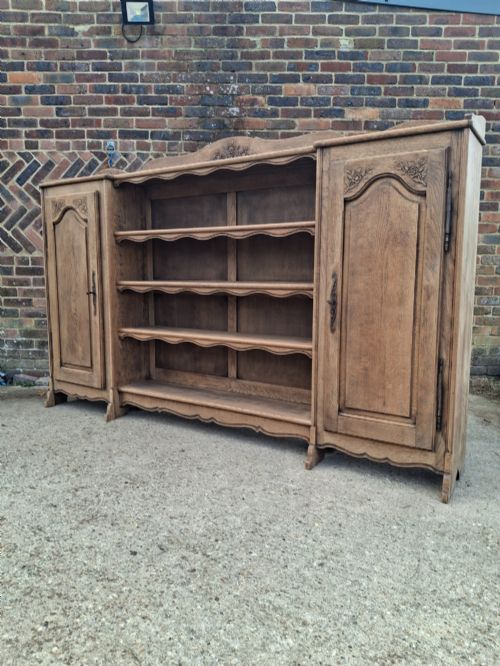
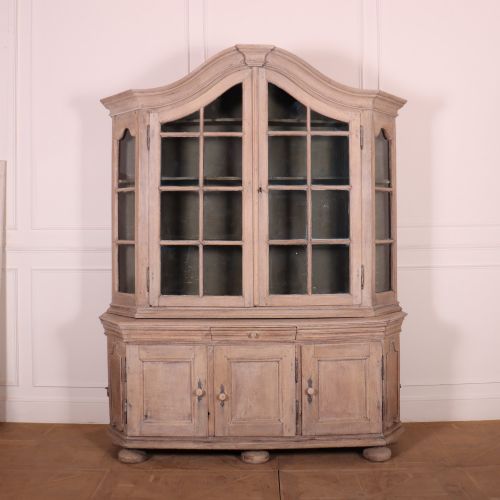
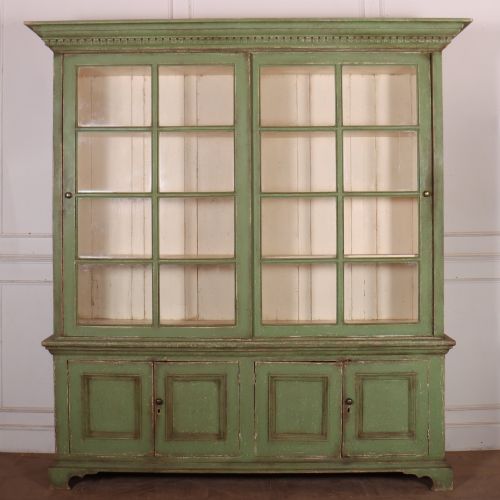
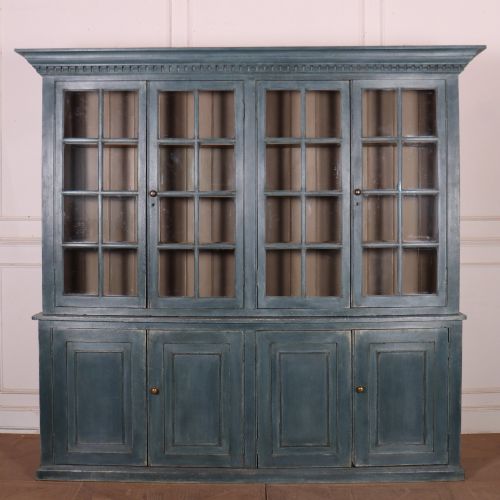
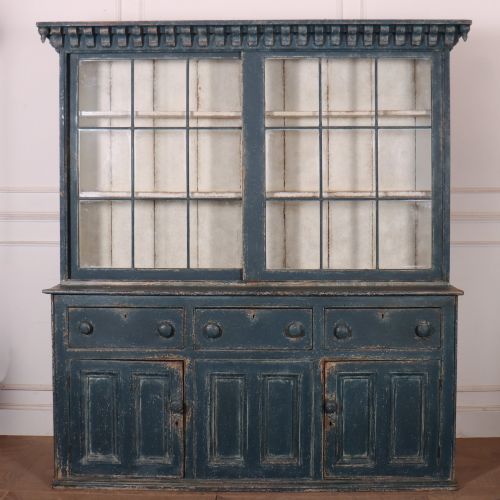
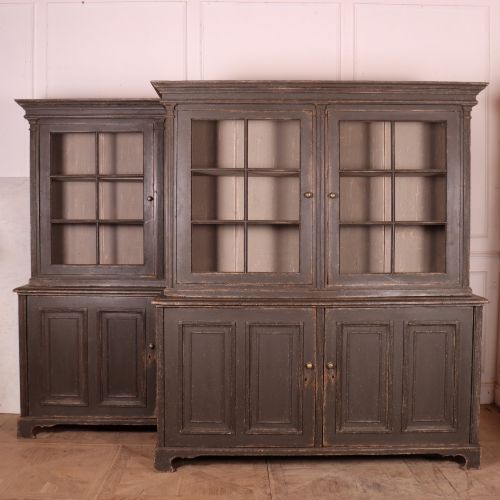
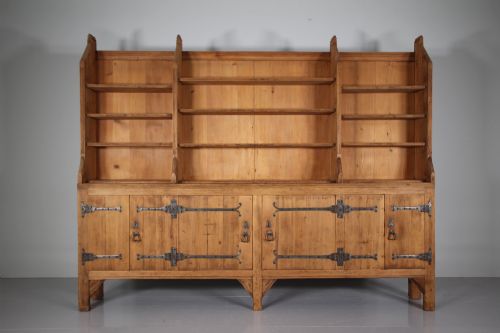
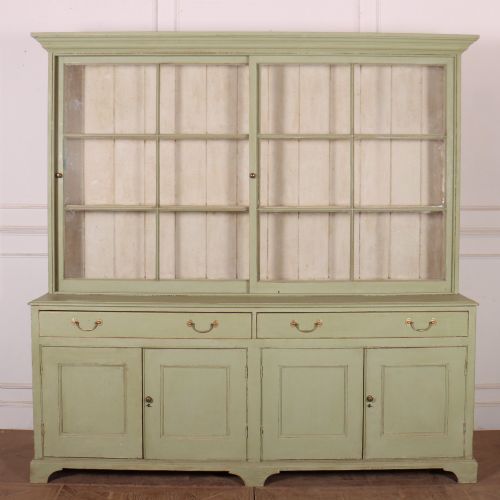
Large Display Dresser
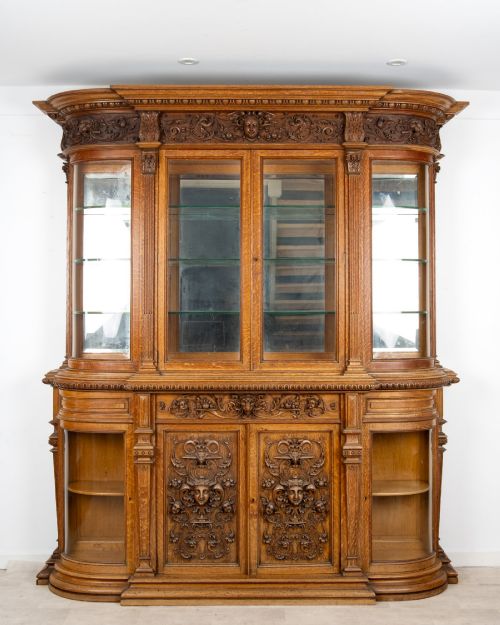
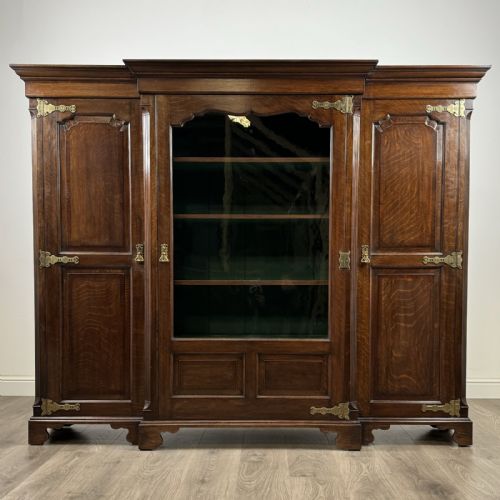
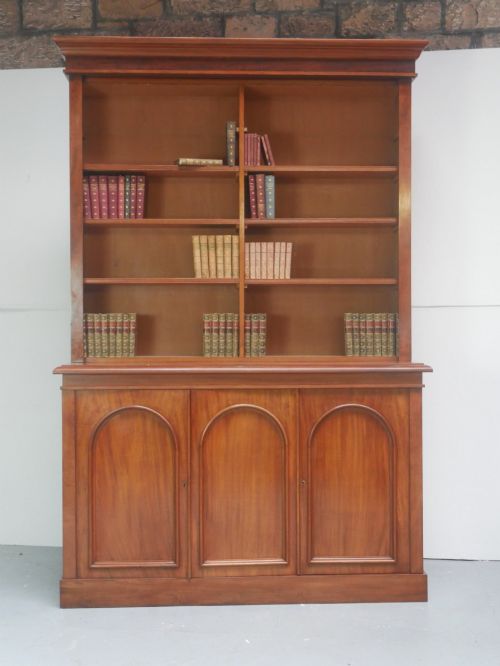
A large display dresser offers serious presence and practical storage, holding library volumes or household china behind glass.
Large Display Dresser
A large display dresser combines substantial timber cabinetry with upper glazed shelving or open plate racks, designed to store and exhibit significant collections. When you search for a large display dresser, you encounter pieces originating primarily from the eighteenth and nineteenth centuries, spanning Victorian and Edwardian periods.
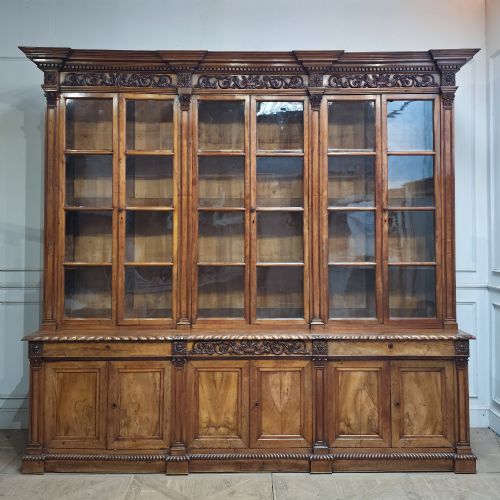
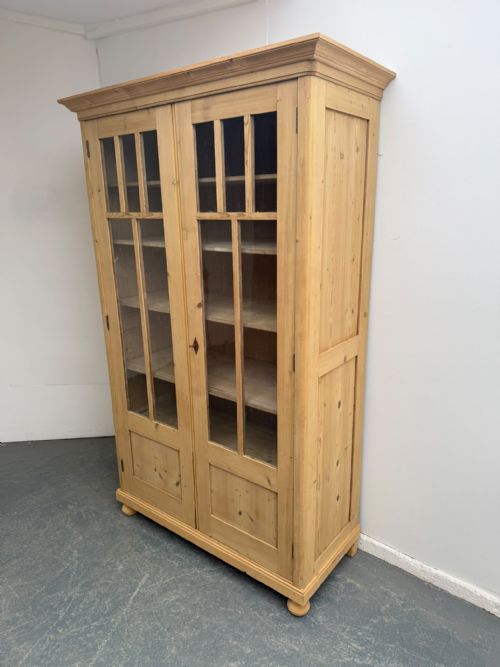
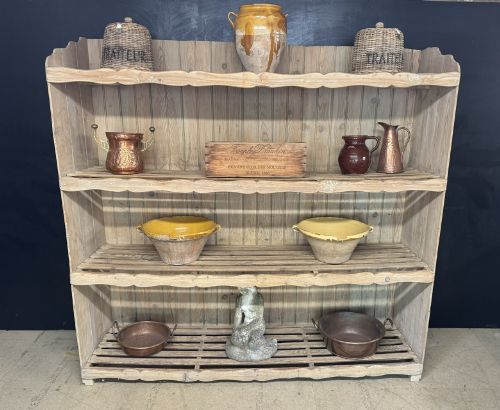
The most frequent examples on this page are substantial oak, mahogany, and pine constructions, often built in two distinct sections for easier transport and placement. These units function equally well as library bookcases, kitchen dressers, or grand dining room cabinets depending on their internal configuration.
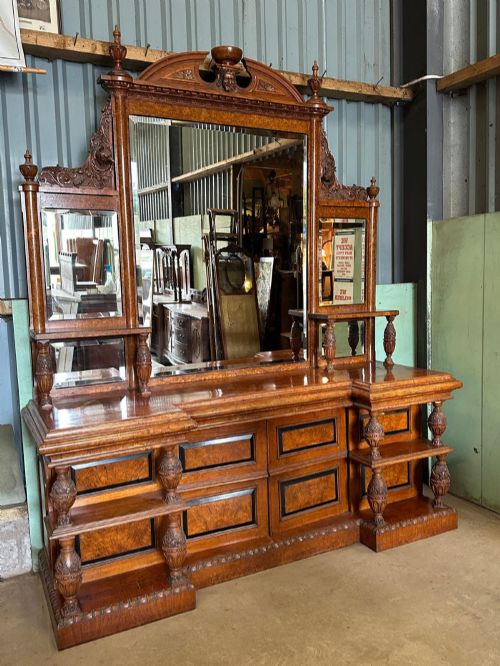
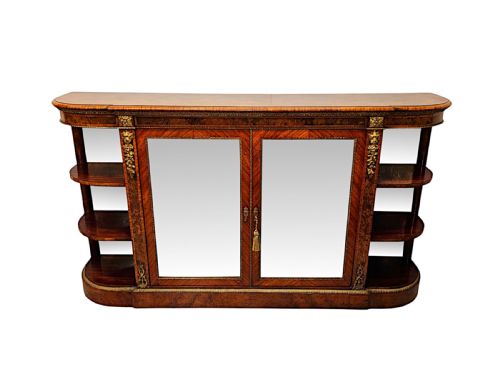
Origin varies from English country workshops to French provincial makers and Irish country houses, yielding diverse interpretations of scale and proportion. Some pieces feature mirrored backs, leaded glass doors, or intricate carved cupboard bases that elevate their visual weight.
How they were made
Cabinet makers utilised dense hardwoods such as oak, mahogany, walnut, and cherrywood for structural integrity and longevity, alongside pine and painted wood for country and provincial pieces. Timber selection dictated the weight and finish, with burr walnut and pollard oak reserved for high-status reception rooms.
Joinery techniques relied on traditional hand-cut dovetails for drawers and mortise and tenon joints for the main carcase, ensuring structural stability under heavy loads. Glass panes were hand-blown or cylinder-drawn into leaded or timber frames, while brass, iron, and ormolu hardware provided secure locking mechanisms.
Surface finishes ranged from French polish and wax to traditional paint layers and bleached oak treatments, protecting the wood while accentuating natural grain patterns. Carved elements, whether geometric Jacobean revival motifs or intricate library carvings, were worked directly into the solid timber.
Large Display Dresser Retail Price Guide 2026
Typical asking prices for large display dresser among the pieces listed under this phrase on Sellingantiques today, from the lower quarter to the upper quarter. They describe what is for sale here now, not the wider market.
Some nineteenth-century display cabinets arrive with stubborn brass locks and their original working keys, keeping decades of household secrets safely shut.
What varies in quality
Quality rests upon the selection of timber and the ambition of the original design, distinguishing utilitarian storage from bespoke cabinet work. Superior examples exhibit figured veneers, harmonious proportions, and integrated architectural details such as breakfront cornices.
The execution of decorative carving and the refinement of hardware reveal the maker's hand, from stamped locks by makers like Hobbs & Co to hand-tooled brass fittings. Interior timber choice for drawer linings and shelving also separates standard workshop output from exceptional furniture.
Gillows·Howard and Sons
The Large Display Dresser Glossary
- Breakfront
- A cabinet design where the central section projects forward from the flanking wings, adding architectural depth and presence. This configuration is frequently seen on larger nineteenth-century bookcases and sideboards.
- Glazed Top
- An upper section fitted with glass panels in timber doors, designed for displaying books or china while protecting them from dust. It forms the primary display element of a dresser or bookcase.
- Mirror Back
- A mirrored panel fitted behind the open shelves or serving surface of a sideboard or dresser, intended to reflect light and interior objects. This feature became particularly popular during the Victorian and Edwardian eras.
- Ormolu
- Gilded bronze mounts applied as decorative ornamentation to high-end furniture, frequently paired with burr walnut or mahogany. It signals a piece intended for formal reception rooms.
- Housekeeper's Cupboard
- A large, tall storage cabinet traditionally used for storing linens, dry goods, and household accounts in substantial country houses. These pieces are characterised by deep proportions and sturdy utility.
Large Display Dresser: Frequently Asked Questions
How do I split a two part bookcase?
Most large library bookcases and dressers separate horizontally between the upper display section and the lower cupboard base. Lifting the upper carcase requires removing internal shelves and working with at least two people to clear the locating pegs.
Inspect the interior sides and backboards for hidden screws or metal brackets before attempting to lift the top section away from the base.
Are these cabinets suitable for modern kitchens?
Kitchen dressers and glazed display cabinets integrate well into modern spaces, providing deep storage for dinnerware and generous display surfaces. Pine and painted versions offer a relaxed aesthetic that suits contemporary or traditional interiors alike.
Ensure you measure ceiling heights and floor space carefully, as these pieces possess significant physical scale and weight.
How do I care for antique oak finishes?
Maintain waxed oak and pine surfaces by applying a natural beeswax polish sparingly and buffing with a soft cloth to preserve the patina. Avoid placing antique furniture near direct heat sources or in strong sunlight, which can dry out the timber and cause splitting.
Clean glass panels with a mild solution applied to a cloth rather than sprayed directly onto the surface to protect surrounding wood and lead work.
What is the difference between a dresser and a bookcase?
A kitchen dresser traditionally combines lower cupboards with open plate racks or enclosed shelving suited for tableware and provisions. A bookcase focuses primarily on shelved storage for volumes, often featuring glazed doors to protect paper contents.
Many antique examples blur these distinctions, serving versatile storage functions across libraries, dining rooms, and morning rooms.