



Large Country House Mirror
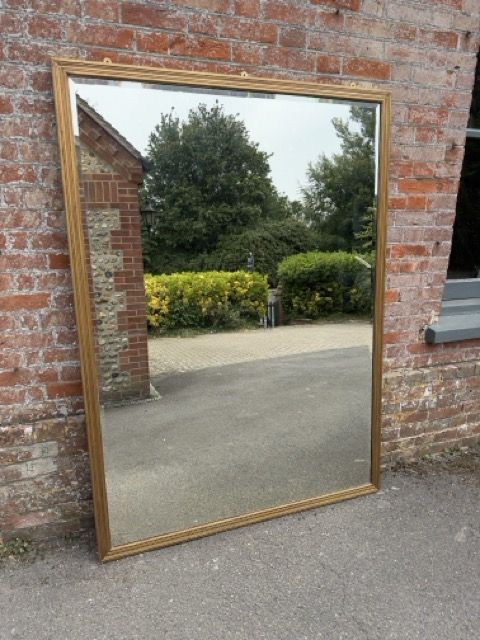
A large country house mirror brings scale and reflected light to a room, drawing the eye with generous proportions and historic presence.
How they were made
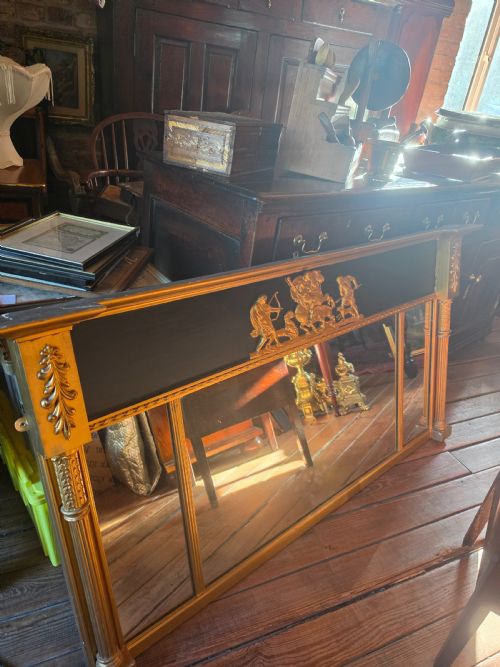
Carvers shaped solid wood, primarily mahogany or walnut, alongside softer timbers built to receive thick layers of gesso. This prepared surface allowed artisans to apply crisp carved details, intricate ribbing, and delicate gilding.
Makers finished frames with applied paint, parcel-gilt highlights, or gold leaf, securing heavy glass plates within the heavy timber structures. The combination of carved wood, gesso, and reflective plate demanded sturdy joinery to support the immense weight of each glass.
What varies in quality
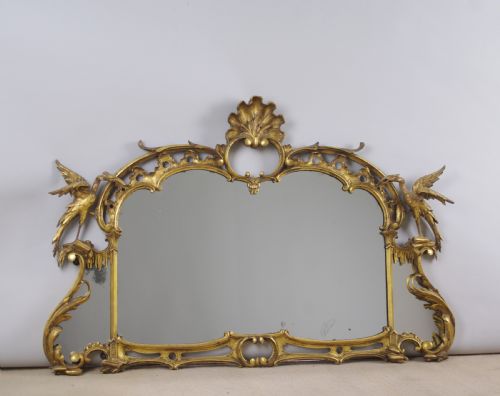
The depth and crispness of the hand-carved wood and gesso ornamentation separate exceptional examples from standard production. Artisans who spent hours undercutting foliage and shaping scrolling crests created a tactile richness that machine methods cannot replicate.
The integrity of the original gilding and the preservation of early glass plates also dictate standing. Pieces retaining their original painted finishes and heavy brass fittings command attention for their untouched survival through successive generations.
Large Country House Mirror Retail Price Guide 2026
Typical asking prices for large country house mirror among the pieces listed under this phrase on Sellingantiques today, from the lower quarter to the upper quarter. They describe what is for sale here now, not the wider market.
Listings feature pieces from the nineteenth century, including Victorian, Regency, and Georgian periods, utilising mahogany, gesso, and giltwood.
Gillow
The Large Country House Mirror Glossary
- Overmantel mirror
- A large mirror specifically designed to hang or stand on the mantelpiece above a fireplace. These pieces often feature wide frames to balance the hearth below.
- Gesso
- A plaster-like mixture applied to wood frames to create a smooth surface for carving and gilding. Artisans built up layers to model intricate relief ornamentation.
- Cheval mirror
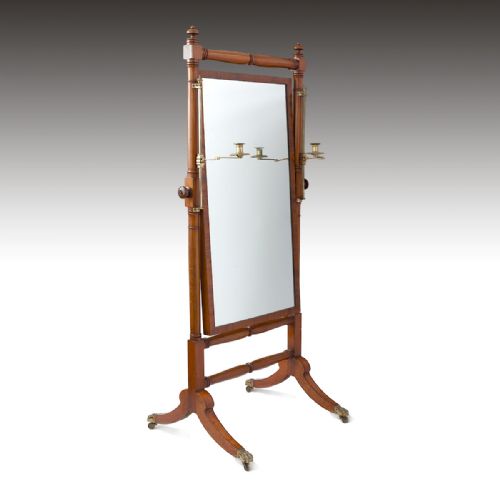
- A freestanding full-length mirror suspended on a frame with pivoting pivots. This allows the glass to tilt for dressing and full-figure viewing.
- Parcel-gilt
- A decoration technique where only specific parts of an object are gilded with gold leaf while other areas are painted or left as exposed wood.
Large Country House Mirror: Frequently Asked Questions
Where should I hang a large country house mirror?
These mirrors command attention above principal fireplaces or along expansive hallway walls where their scale anchors the room.
Positioning them opposite windows maximises the spread of natural daylight across the interior space.
How do I identify a nineteenth-century frame?
Nineteenth-century frames display hand-carved wood beneath layers of gesso and gold leaf rather than modern synthetic resins. Close inspection reveals tool marks and subtle asymmetries typical of period craftsmanship.
Heavier timber construction and older fixing methods on the reverse further confirm nineteenth-century origins.
What is a cheval mirror used for?
A cheval mirror functions as a freestanding dressing glass that tilts within a vertical wooden frame. Historically placed in bedrooms and dressing rooms, it allowed occupants to check full attire.
Today, they serve equally well in spacious hallways and dressing areas as both furniture and mirror.
Are these mirrors heavy to hang?
These mirrors possess substantial weight due to their dense hardwood frames, thick gesso layers, and large glass plates. Proper installation requires secure fixing directly into wall studs or masonry using appropriate weight-rated hardware.