





Large Chinese Ceramic
Large Chinese ceramic pieces span centuries of kilns, taking the form of monumental floor jars, chargers, and dragon vases.
Large Chinese Ceramic
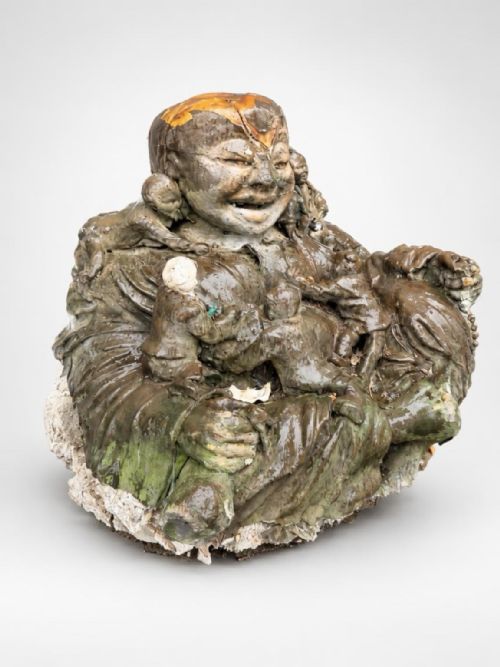
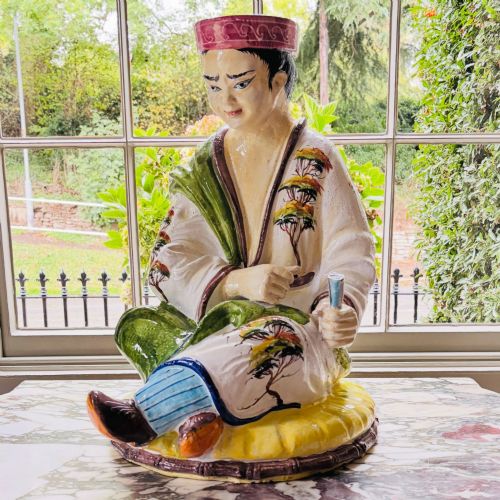
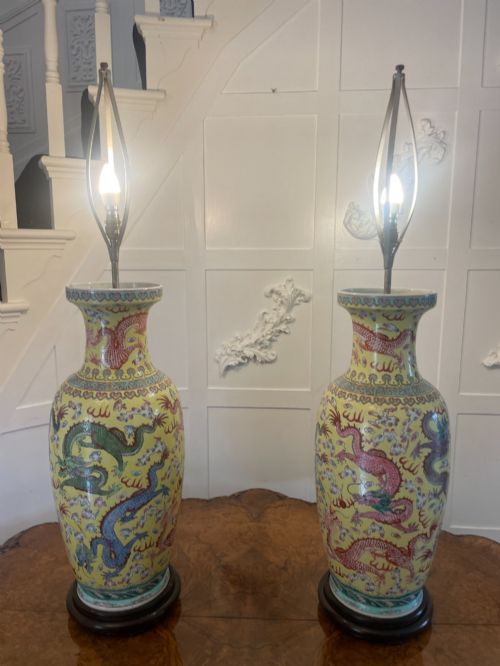
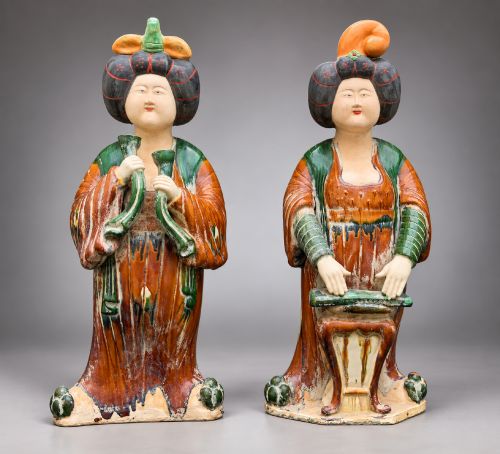
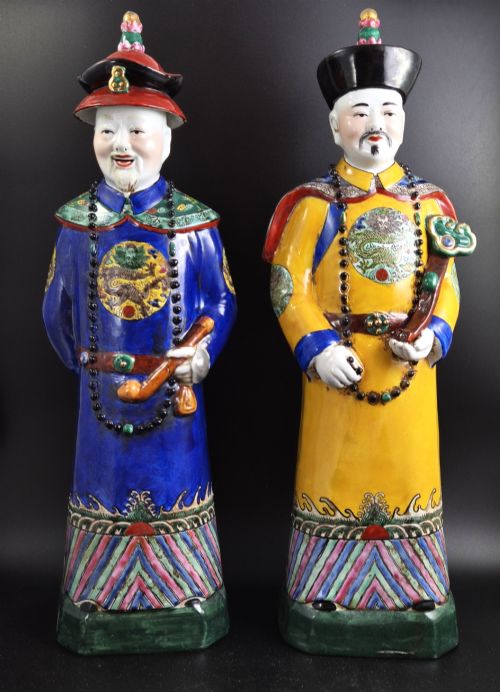
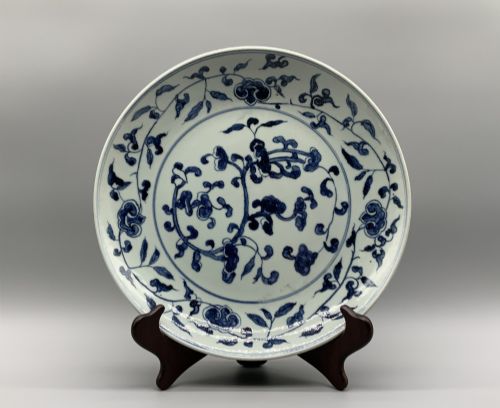
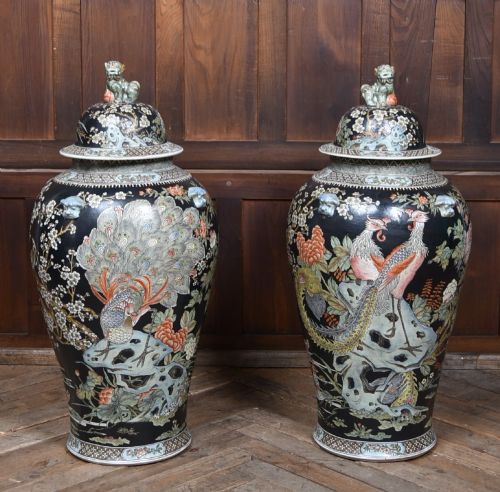
When searching for large chinese ceramic, buyers encounter substantial vessels and figures originating from periods ranging from the seventeenth century through to the mid-twentieth century. The selection contains robust porcelain chargers, double-gourd vases, and ginger jars alongside earthenware figures.
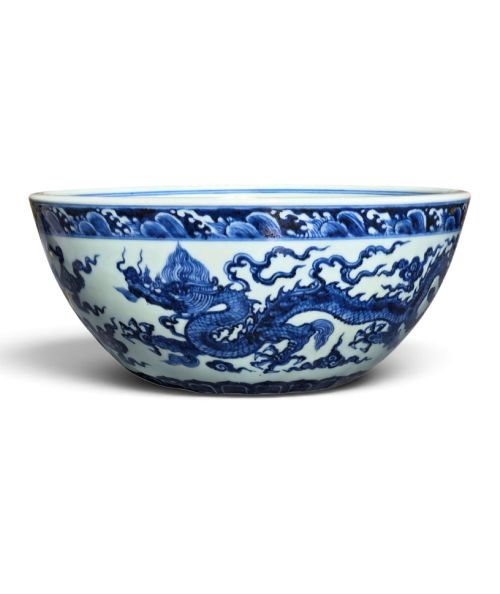
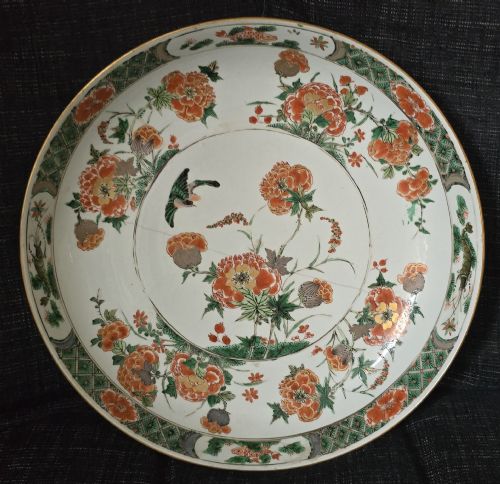
Vases and bowls dominate the forms, frequently decorated with cobalt blue, famille rose, or famille verte palettes. Pieces reflect imperial workshop traditions as well as export wares destined for international markets.
How they were made
Potters shaped these large ceramic bodies from refined clay and porcelain mixtures, applying mineral glazes such as cobalt blue, celadon, and iron rust. Artisans fired these works in high-temperature kilns, often utilising overglaze enamels and gold leaf for subsequent decorative layers.
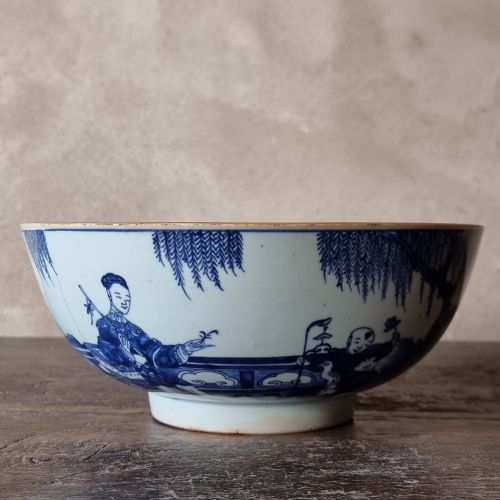
Many items incorporate hand-painted details executed with precision brushes, showing meticulous control over pigments and glazes across expansive curved surfaces like punch bowls and floor vases.
Large Chinese Ceramic Retail Price Guide 2026
Typical asking prices for large chinese ceramic among the pieces listed under this phrase on Sellingantiques today, from the lower quarter to the upper quarter. They describe what is for sale here now, not the wider market.
Listings feature porcelain, enamel, and bronze elements across periods spanning the seventeenth to the twentieth century.
What varies in quality
Quality separates through the crispness of the painted detail and the purity of the ceramic body, particularly in how evenly the cobalt blue or enamel colours hold across a large surface. Imperial or higher-tier workshop pieces exhibit superior control in brushwork and glazing.
The weight, proportion, and stability of substantial vessels such as floor jars and heavy chargers also indicate the standard of production. Finer examples display balanced forms and confident execution without distortion from the kiln firing.
The Large Chinese Ceramic Glossary
- Famille Rose
- A palette of opaque enamel colours introduced during the Qing dynasty, characterised by pink and rose hues. This technique allowed for nuanced shading on floral and figural motifs.
- Celadon
- A transparent green glaze applied over a white clay body, producing subtle jade-like tones. Crackle patterns often form naturally within the glaze during cooling.
- Charger
- A large decorative plate or dish intended for display rather than dining. These expansive surfaces provided artisans space for complex narrative scenes and dragon motifs.
- Canton
- A style of export ceramics decorated in bustling colourful enamels featuring panels of figures, birds, and flowers. Production centred on the southern port city for overseas trade.
Large Chinese Ceramic: Frequently Asked Questions
How are large Chinese ceramic vases displayed safely?
Substantial vessels require sturdy, level surfaces away from heavy footfall to prevent accidental tipping. Floor jars and monumental vases often rest directly on wooden stands designed to distribute their weight evenly.
Securing heavier ceramic pieces away from direct sunlight protects enamel pigments and gold leaf details over decades of display in domestic settings.
What defines a ginger jar?
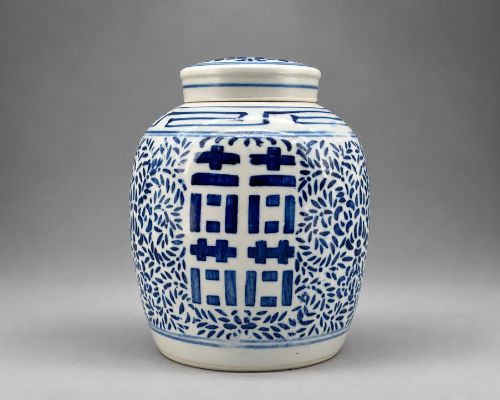
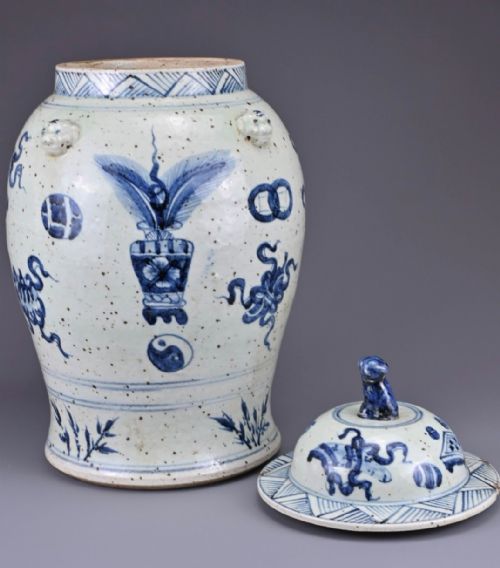
Ginger jars originally served as storage containers for bulk spices and oils before becoming purely decorative interior objects. They feature rounded shoulders and matching ceramic lids.
These jars frequently display blue and white cobalt decoration, including double happiness symbols or prunus blossom patterns.
How do you distinguish export wares?
Export ceramics were manufactured specifically for Western markets, blending traditional domestic forms with foreign decorative preferences. Canton and famille rose styles frequently appear among these items.
These pieces often feature robust bodies designed to survive long maritime journeys across trade routes.
What is a brush washer?
Brush washers functioned as scholar's desk accessories used for cleaning inkbrushes during calligraphy and painting sessions. These ceramic vessels feature wide, shallow basins designed to hold water safely.
Examples range from simple monochrome glazes to finely painted blue and white designs featuring dragons or floral sprays.