




Large Ceramic Planter Bowl
A large ceramic planter bowl brings weight and presence to a room, holding greenery with the substance of centuries past.
Large Ceramic Planter Bowl
A large ceramic planter bowl serves primarily as a stately vessel for indoor and outdoor plants, often taking the form of a jardiniere, fish bowl, or dairy salting crock. Buyers searching for a large ceramic planter bowl encounter substantial vessels designed to anchor a space, whether through the bold patterns of Japanese Imari porcelain or the robust utility of earthenware pancheons.
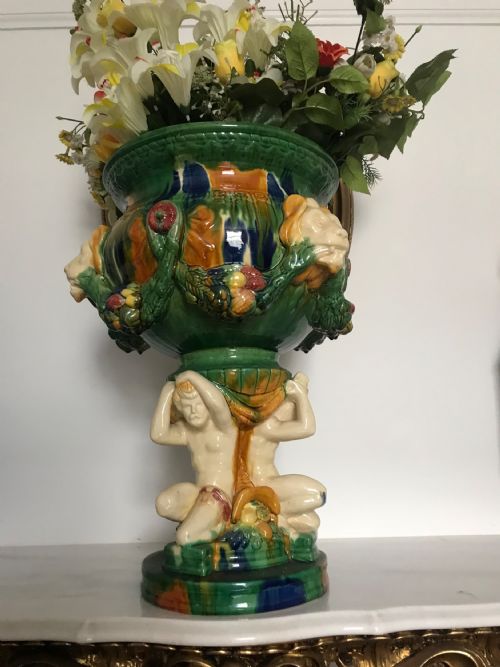
The pieces on this page span several centuries, reaching back to the seventeen-hundreds with Japanese Arita wares and moving forward through the nineteenth and early twentieth centuries. Forms range from Italian Majolica on figural lion head stands to Arts and Crafts pedestals and Chinese fish bowls.
Origins are remarkably diverse, drawing on Japanese Meiji and Edo periods, Chinese Qing dynasties, and European revivals. Buyers often select these vessels to display large ferns or small trees, utilising their generous proportions to create a focal point in a hallway or garden room.
Materials and construction methods
Potters shaped these vessels using earthenware, terracotta, and porcelain, applying glazes and cobalt pigments underglaze to achieve durable finishes. Terracotta and earthenware provide a porous, heavy body suited for utilitarian crocks and garden pancheons, while porcelain allows for refined, thin walls decorated with enamel and cobalt.
Decoration techniques vary from hand-painted cobalt blue scenes on Chinese fish bowls to vibrant Majolica enamels on Italian earthenware. Some pieces incorporate metal elements, such as copper mounts and Ruskin cabochons, adding contrasting textures to the ceramic body.
Large Ceramic Planter Bowl Retail Price Guide 2026
Typical asking prices for large ceramic planter bowl among the pieces listed under this phrase on Sellingantiques today, from the lower quarter to the upper quarter. They describe what is for sale here now, not the wider market.
Dairy salting crocks once meant for butter now hold monster monsteras.
Assessing quality in large ceramics
Quality rests upon the crispness of the painted or moulded decoration and the stability of the ceramic body. Pieces featuring hand-painted cobalt underglaze or detailed figural bases, such as lions head decorations, demonstrate greater artistic ambition than plain utility wares.
The thickness and evenness of the glaze application also distinguish finer examples. Smooth, consistent glazing protects the porous earthenware or terracotta beneath, ensuring the vessel survives decades of moisture and handling.
The Large Ceramic Planter Bowl Glossary
- Jardiniere
- An ornamental pot or stand for plants and flowers. These large vessels often sit directly on the floor or upon associated hardwood stands.
- Imari
- A style of Japanese porcelain decorated in underglaze blue and overglaze red, gold, and other colours. It appears frequently on nineteenth-century bowls and jardinieres.
- Majolica
- A type of earthenware glazed with an opaque white tin glaze and painted with bright colours. Italian examples often feature bold sculptural elements like figural bases.
- Pancheon
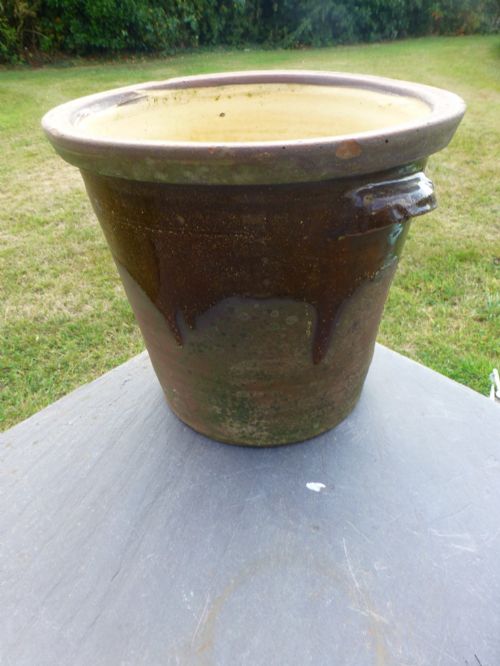
- A large, wide earthenware vessel traditionally used in dairies for setting milk or salting provisions. Surviving examples now serve effectively as rustic garden planters.
- Cabochon
- A gemstone polished rather than faceted, often set en cabochon into metal mounts on Arts and Crafts pieces. They provide decorative accents on pedestal bowls.
Large Ceramic Planter Bowl: Frequently Asked Questions
Can I plant directly into a large ceramic planter bowl?
Many of these vessels lack drainage holes because they originated as indoor jardinere pots or fish bowls. Growers typically place a potted plant inside the bowl, using a saucer to catch excess water and protect the historic ceramic interior.
Placing gravel at the base of the outer bowl helps manage stray moisture when using a plastic liner. This method preserves the interior glaze and prevents water saturation in porous earthenware.
How do I clean an antique ceramic bowl?
Routine dusting with a soft, dry cloth removes surface grime without harming delicate glazes or hand-painted enamel details. For heavier dirt, dampening the cloth slightly with plain water is sufficient.
Harsh chemical detergents and abrasive sponges should be avoided entirely, as they strip old enamels and scratch softer earthenware bodies. Gentle care ensures the historic finish remains intact.
Are these bowls suitable for outdoor garden use?
Suitability for outdoors depends on the specific material and firing temperature of the individual piece. Dense porcelain and glazed stoneware resist frost reasonably well, whereas porous terracotta and low-fired earthenware absorb water and crack in freezing temperatures.
Collectors generally keep nineteenth-century terracotta crocks and pancheons indoors or under sheltered porches during winter months. Protecting them from frost extends the lifespan of the ceramic body.
What is a fish bowl in this context?
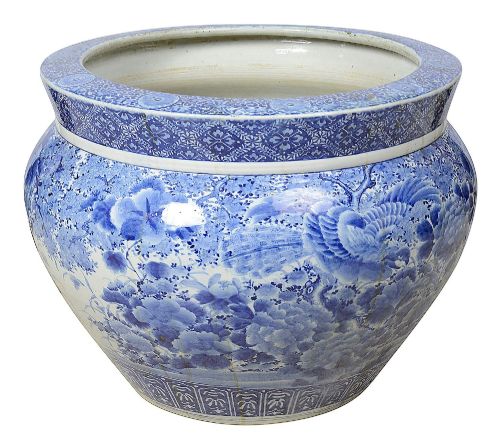
A fish bowl is a large, deep ceramic vessel traditionally used in China for keeping goldfish indoors or on patios. These pieces feature wide mouths and rounded bodies decorated with cobalt blue or polychrome enamels.
In modern settings, collectors repurpose these heavy bowls as statement planter pots for large houseplants. Their generous proportions accommodate substantial root systems.