



Large Ceramic Bowl
A large ceramic bowl gathers a room, carrying the weight of centuries of table service, pantry work, and display.
Large Ceramic Bowl
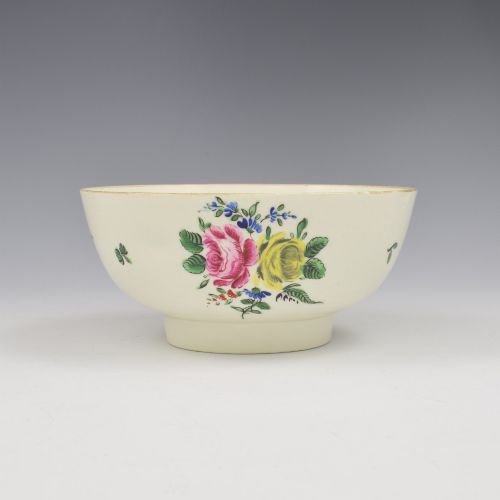
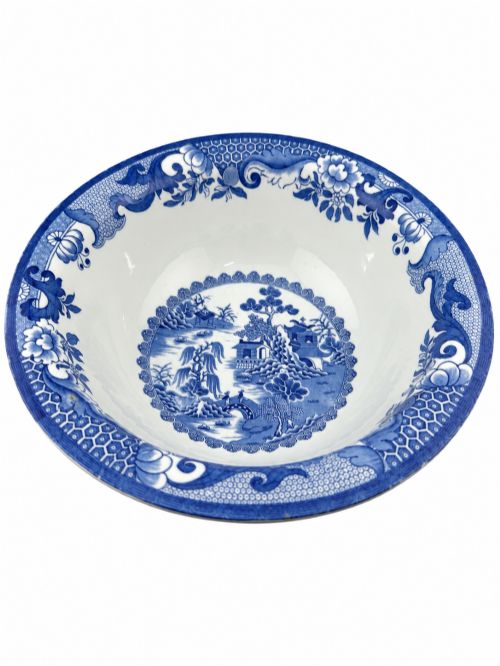
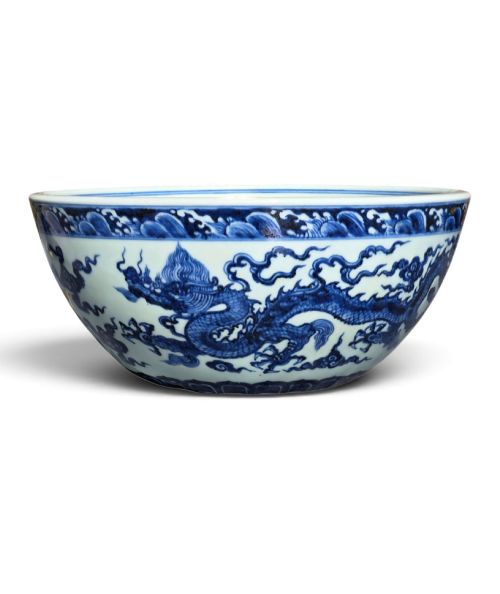
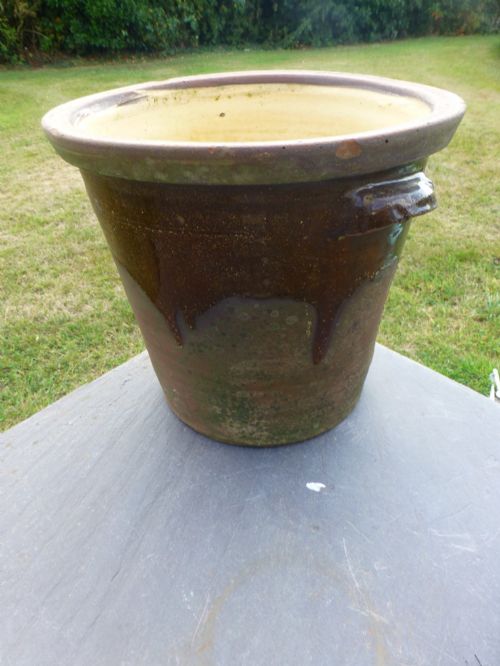
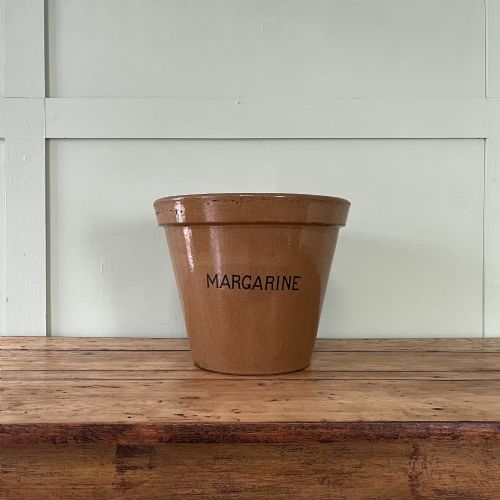
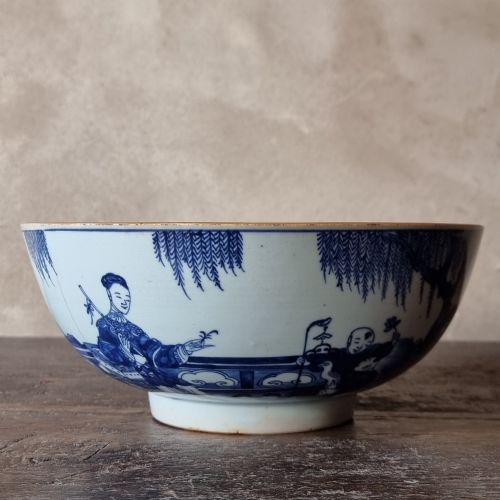
A large ceramic bowl encompasses vessels created for utility, dining, and display across domestic and courtly settings. The forms span heavy dairy crocks, footed punch bowls, deep storage basins, and ornamental centerpieces designed to hold fruit or flowers.
The pieces appearing on this page stretch from the eighteenth century through the Edwardian era and into the mid-twentieth century. Examples originate from English potteries, European factories, and Asian export kilns, moving from functional kitchenware to decorative parlour objects.
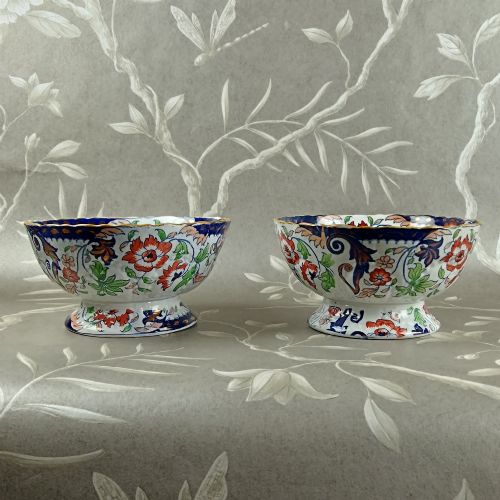
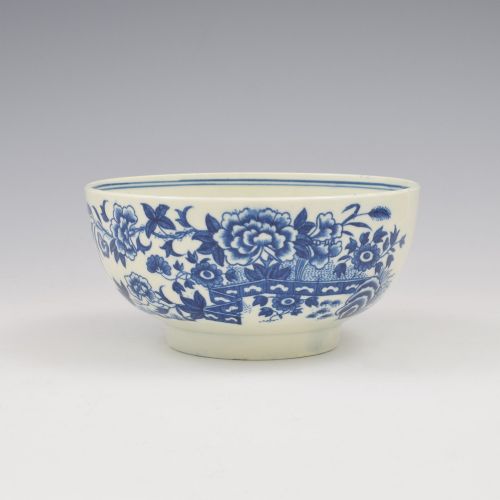
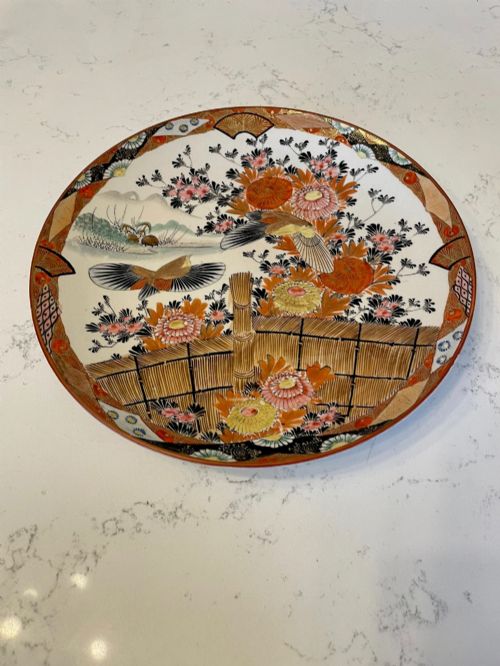
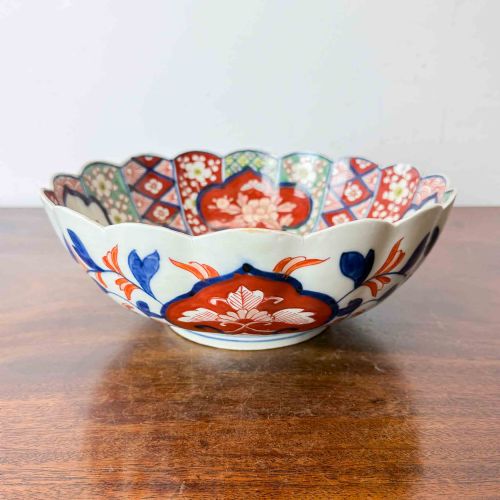
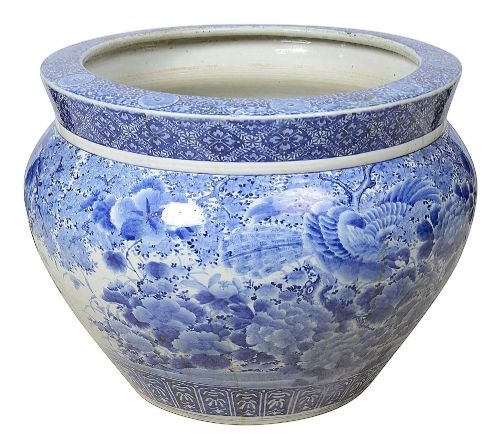
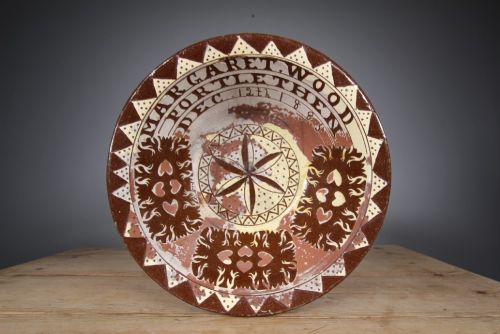
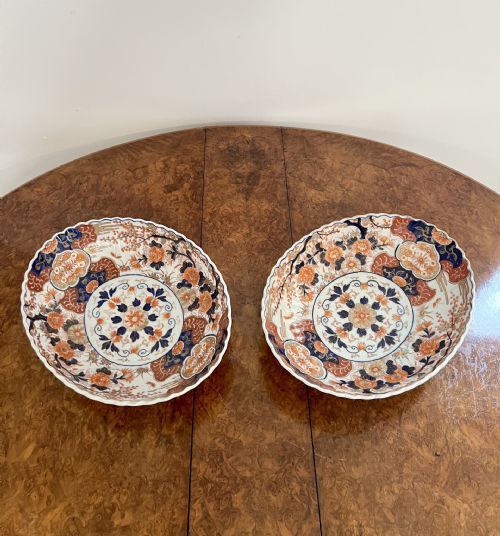
Buyers frequently encounter blue and white export porcelain, Imari wares with iron-red and cobalt decoration, and substantial earthenware storage vessels. These pieces range from simple slipware and spongeware to intricate famille rose and majolica works.
How They Were Made
Makers utilised porcelain, earthenware, stoneware, and terracotta, shaping them on the potter's wheel or forming them in moulds before drying and firing. Surface treatments relied on tin glazes, salt glazes, and cobalt underglazes applied directly to the body.
Decoration involved hand painting, transfer printing, and polychrome enamel work, often fixed with a subsequent low-temperature firing. Specialised finishes included gold leaf highlights, slip trailing, and applied figurative elements such as putti or floral motifs.
Large Ceramic Bowl Retail Price Guide 2026
Typical asking prices for large ceramic bowl among the pieces listed under this phrase on Sellingantiques today, from the lower quarter to the upper quarter. They describe what is for sale here now, not the wider market.
Musical putti and applied roses clamber across nineteenth-century centrepieces, keeping perpetual silent time on the dining table.
What Varies in Quality
Execution of the painted or printed ornament determines much of the distinction between standard utilitarian vessels and high-status display pieces. Crispness of brushwork, depth of cobalt or enamel colours, and precision in kiln placement separate routine production from masterworks.
The integrity of the ceramic body and the control of the glaze surface dictate the longevity and visual weight of the vessel. Heavy potting in utilitarian crocks differs fundamentally from the thin, translucent walls achieved in fine porcelain brush washers and punch bowls.
Mason·T G Green·Seaton Pottery·Mann & Co·Spode·Doulton Burslem·Plaue Schierholz·Maling
The Large Ceramic Bowl Glossary
- Imari
- A style of Japanese porcelain featuring a palette of cobalt blue, iron-red, and gold. This decoration originated in Arita and became widely exported to European markets.
- Famille Rose
- A Chinese porcelain palette dominated by opaque pink or rose enamel colours. This style developed during the Qing dynasty and adorned export punch bowls and deep dishes.
- Slipware
- Pottery decorated with liquid clay applied to a raw or unfired body before glazing. This technique appears on utilitarian vessels like dairy bowls and storage crocks.
- Majolica
- Heavy earthenware coated with an opaque tin glaze and painted with brightly coloured metal oxides. This technique produced robust, highly decorative Victorian and continental planters and centerpieces.
- Brush Washer
- A vessel designed for cleaning scholar's calligraphy brushes in East Asian traditions. These pieces often feature controlled iron rust or celadon glazes on compact, compressed forms.
Large Ceramic Bowl: Frequently Asked Questions
What were large ceramic bowls used for?
Utility vessels held dairy products, preserved foods, or served water in domestic spaces. Large decorative bowls functioned as punch service at social gatherings or as table centrepieces for fruit.
Export porcelain bowls carried tea and punch in grand houses, while heavy earthenware crocks remained in the dairy or kitchen. Over time, many utilitarian forms shifted to purely decorative display purposes.
How do I date an antique ceramic bowl?
Dating relies on body composition, glaze characteristics, and decorative style combined with factory marks or signatures. Eighteenth-century pieces often show distinct potting irregularities and hand-brushed underglaze blue.
Nineteenth- and twentieth-century examples frequently bear printed backstamps, registration numbers, or maker names. Comparing the pattern style and colour palette to documented periods provides further chronological context.
How should I display a heavy ceramic bowl?
Heavy earthenware and stoneware bowls require sturdy furniture capable of supporting considerable weight. Table centres and sideboards provide stable surfaces for displaying deep bowls and planters.
Avoid placing large porcelain or pottery pieces near edges where accidental impacts might occur. Ensure that any direct planting uses protective liners to prevent moisture damage to the ceramic body.
What is the difference between Imari and Canton bowls?
Imari bowls originate from Japan and display a characteristic palette of cobalt blue and iron-red, frequently accented with gold leaf. The decorative schemes usually combine floral panels with geometric borders.
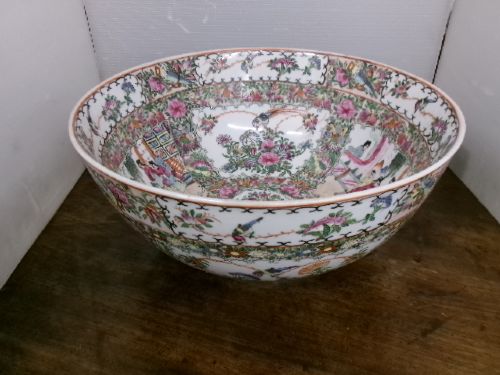
Canton bowls hail from China and rely on the famille rose palette of opaque pinks, greens, and gilt. Their surfaces typically feature panels populated by figures and birds set among dense floral backgrounds.