

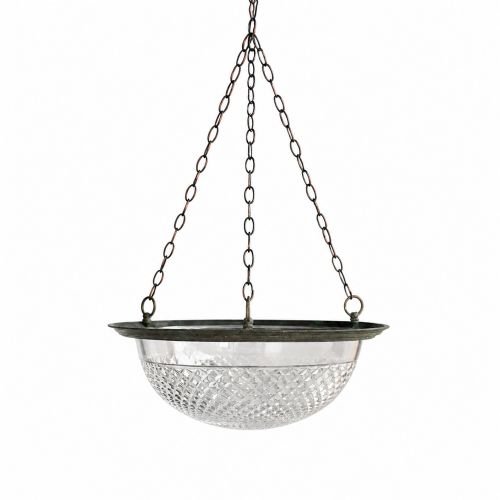
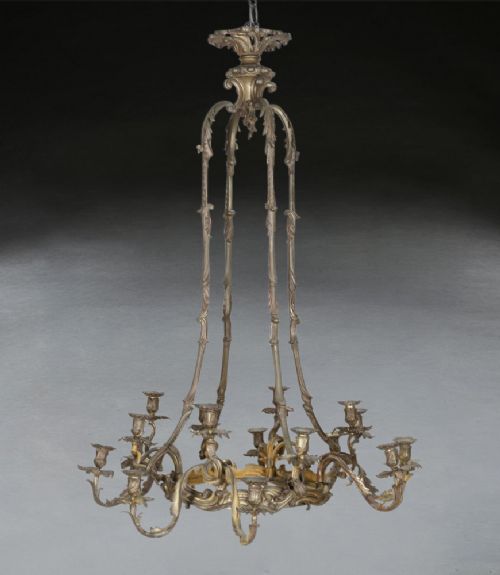

Large Brass Pendant Light
A large brass pendant light spans periods from Victorian lanterns to Art Deco chandeliers, offering scale and presence for high ceilings.
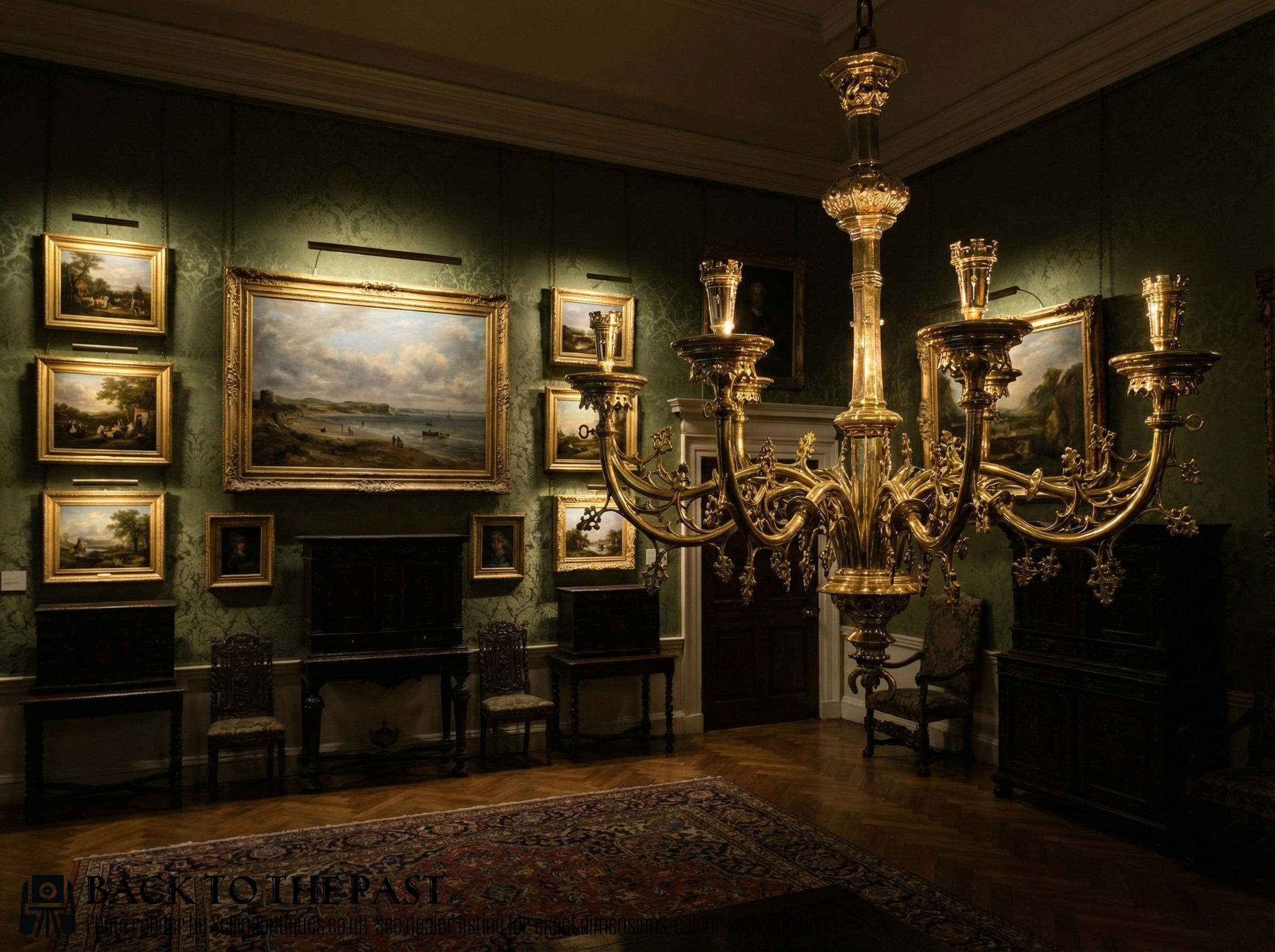
Large Brass Pendant Light
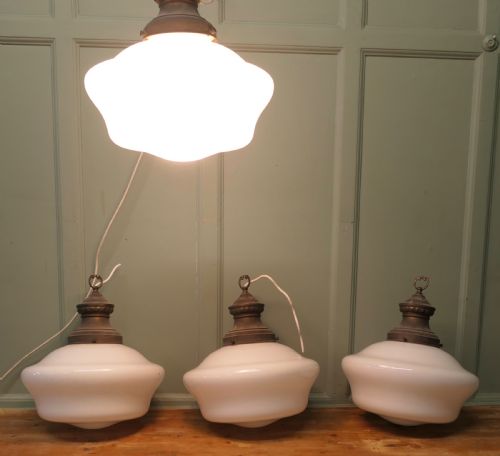
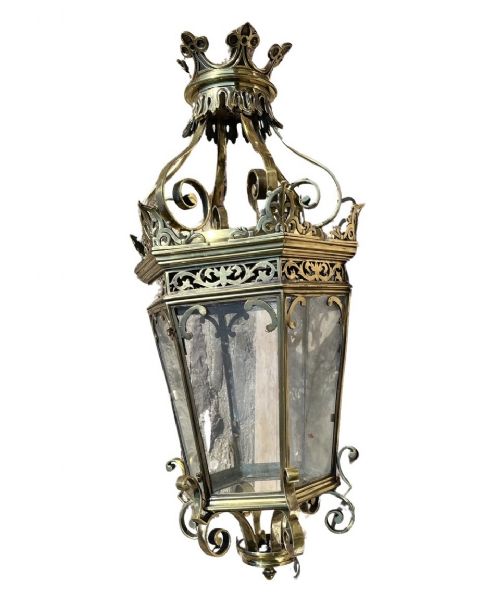
A large brass pendant light encompasses grand chandeliers, hall lanterns, and single hanging shades sourced from French, English, and American makers. These fixtures range from nineteenth-century gasoliers and Gothic brass designs to industrial ceiling lights and Edwardian holophane pendants.
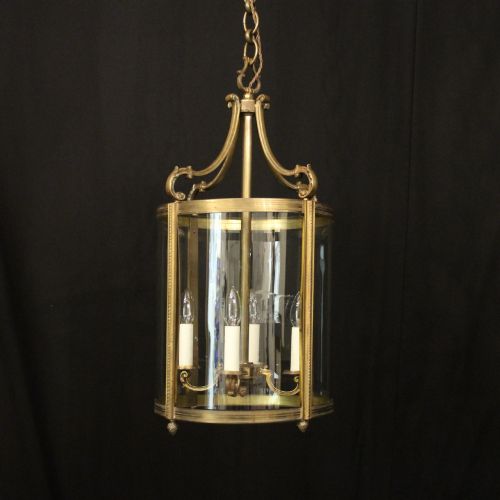
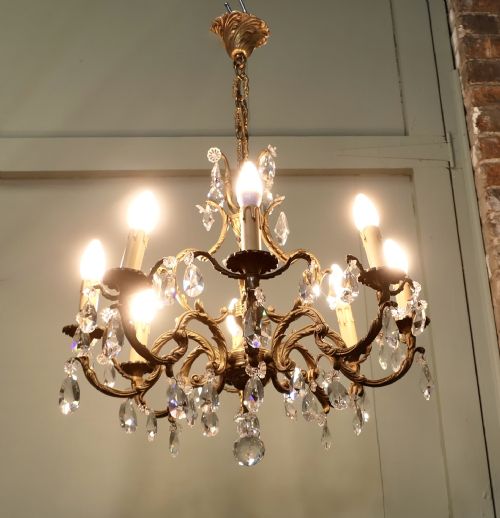
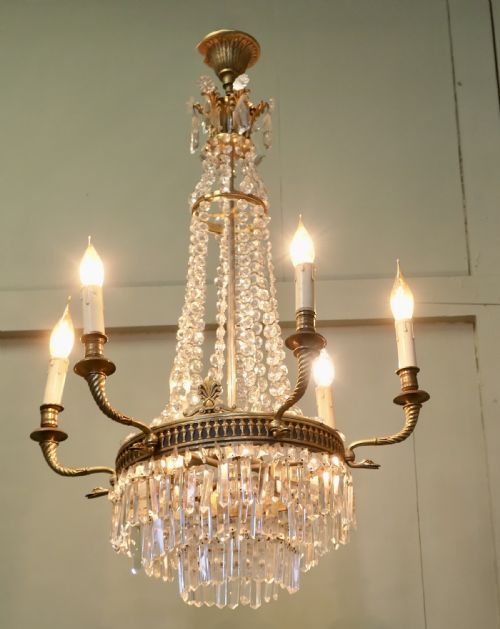
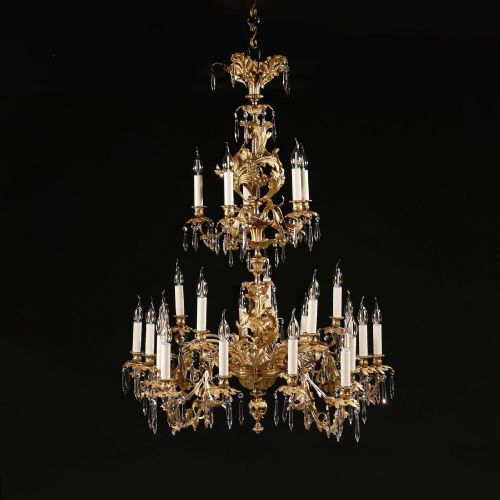
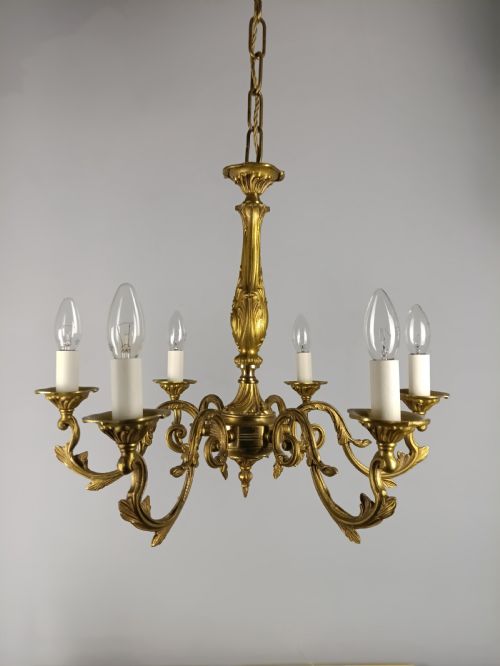
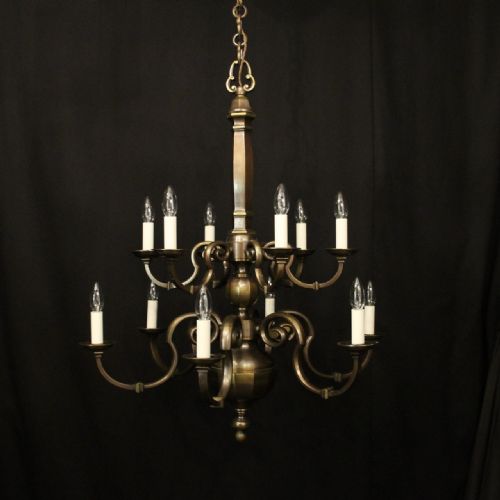
The version most commonly encountered on this page is the French brass or gilded bronze chandelier and hanging lantern, frequently dating from the early twentieth century or the 1920s. Buyers also find monumental nineteenth-century brass lanterns and multi-tiered chandeliers decorated with crystal lustres.
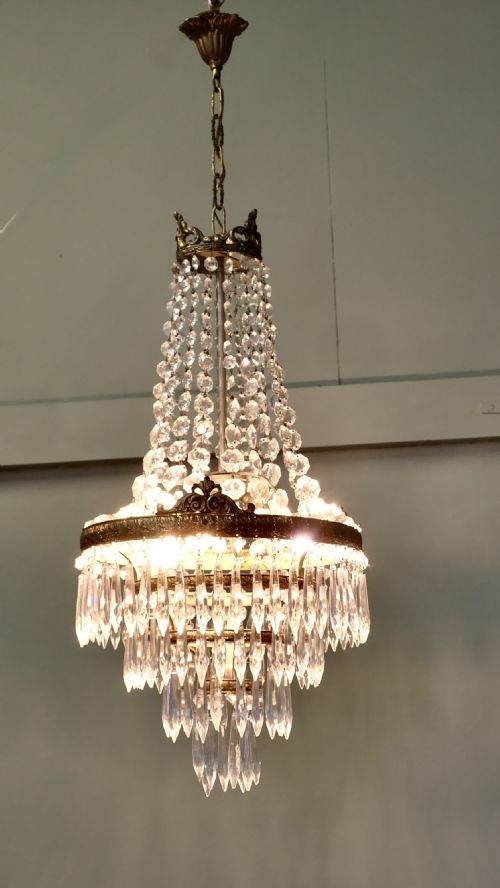
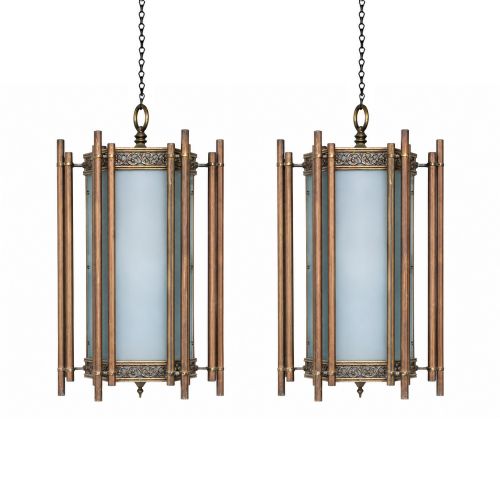
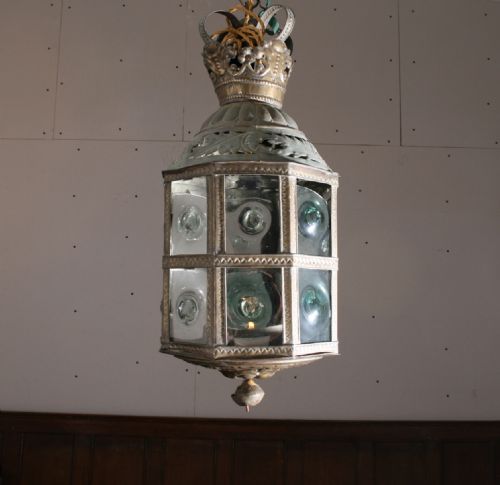
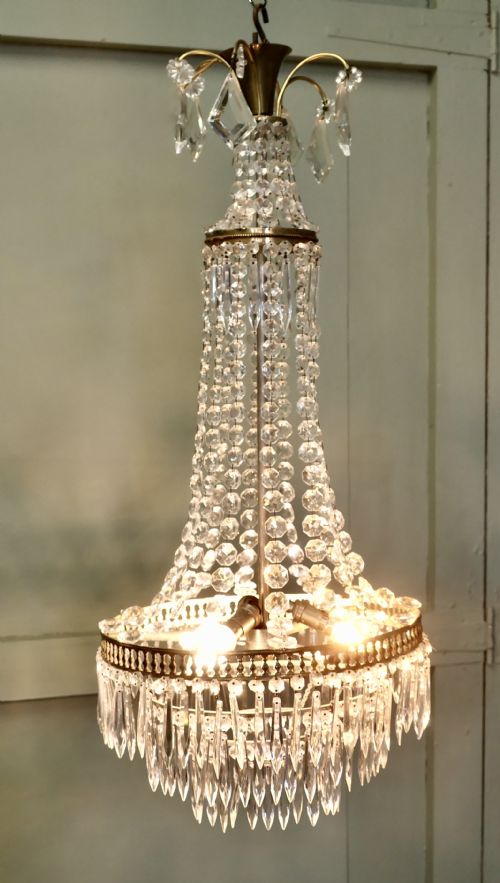
Object forms vary from hexagonal and convex hall lanterns to tent and waterfall chandeliers, bag or basket chandeliers, and conical opaline hanging lights. Materials extend beyond brass to include bronze, gilt bronze, steel, and various forms of glass.
Materials and Construction
Construction relies primarily on cast brass, bronze, and gilt bronze frameworks combined with glass elements such as hand-blown bulls eye glass, bevelled glass panels, and mirrored glass. Metalwork is shaped through casting and fabrication, creating heavy multi-branched frames and structural lantern cages.
Glass components include cut glass crystal drops, tent and waterfall strands, opaline glass, and moonstone glass. Many pieces integrate structural metal with delicate glass shades or prismatic panels designed to refract light.
Several lanterns feature functional glass doors, built originally so someone could reach inside with a taper to ignite the flame.
Evaluating the Pieces
Quality separates through the weight and crispness of the metal casting, seen in deeply chased gilt bronze mounts and heavy cast brass arms rather than thin pressed sheet metal. Superior examples retain original fire-gilding or rich patination on the bronze and brass surfaces.
The refinement of the glass elements dictates distinction, marked by hand-blown panels with natural imperfections, heavy cut crystal lustres, and intact prismatic holophane or opaline shades. Structural integrity in multi-tiered frames and lanterns with opening doors also marks higher-tier manufacture.
Joseph Wilmotte
The Large Brass Pendant Light Glossary
- Chandelier
- A branched ceiling light designed to hold multiple lamps or candles. These fixtures range from simple multi-armed brass frames to elaborate crystal-hung structures.
- Hall Lantern
- An enclosed hanging light traditionally used in entrance halls and corridors. They feature metal frames fitted with glass panels and often include a hinged door for access.
- Crystal Lustre
- A cut glass pendant or drop suspended from a chandelier to refract light. They appear in various shapes on waterfall and tent configurations.
- Opaline Glass
- A semi-translucent milky glass used for pendant light shades to diffuse illumination softly. It became popular in lighting during the early twentieth century.
- Gasolier
- A decorative ceiling light fixture originally designed for gas lighting before conversion to electricity. These nineteenth-century pieces often feature robust bronze or brass construction.
Large Brass Pendant Light: Frequently Asked Questions
How do I hang a large brass pendant light safely?
These substantial fixtures require direct attachment to ceiling joists using appropriate steel fixings to support the total weight of the metal and glass. Professional installation ensures the electrical wiring safely handles multi-bulb configurations.
Ceiling height dictates the suspension drop, particularly for multi-tiered chandeliers and large hall lanterns where clearance beneath the fixture matters in walkways.
How do I clean antique brass and crystal?
Dust metal surfaces gently with a soft dry cloth to preserve the natural patination built up over decades. Avoid harsh chemical polishes that strip historical finishes from brass and bronze.
Crystal lustres and glass panels can be washed individually in warm soapy water while still attached if secured properly, or removed for careful cleaning before rehanging.
Can these period lights be rewired for modern electrics?
Most antique fixtures come adapted or ready for modern electrical standards while retaining their original lamp holders and internal channels. Qualified electricians can easily update old wiring to meet current safety regulations without altering the exterior appearance.
Rewiring also allows for the integration of modern LED bulbs that generate less heat inside enclosed glass lanterns.
How do I tell an Edwardian pendant from a 1930s design?
Edwardian fixtures frequently exhibit ornate detailing influenced by earlier revival styles, incorporating rich brass casting and traditional prismatic glass like holophane. They reflect a period of transition towards brighter, cleaner domestic illumination.
Thirties designs lean towards industrial simplicity or streamlined Art Deco geometric forms, utilising steel, opaline glass, and minimal ornamentation in line with modernist principles.