




Large Brass Clock
A large brass clock brings considerable weight and presence to a room, combining precision engineering with striking decorative form.
Large Brass Clock
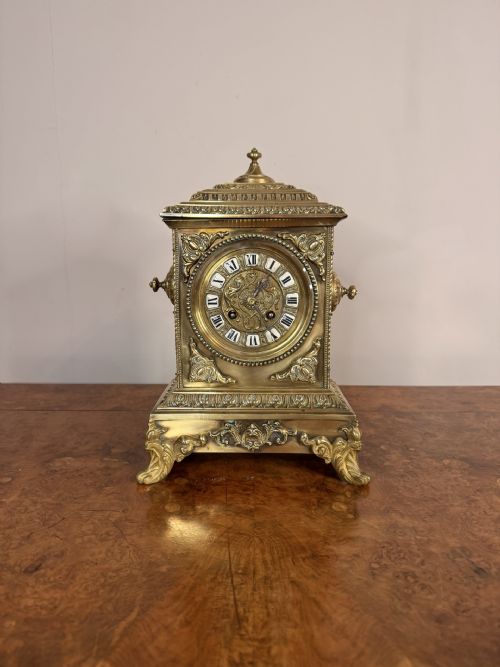
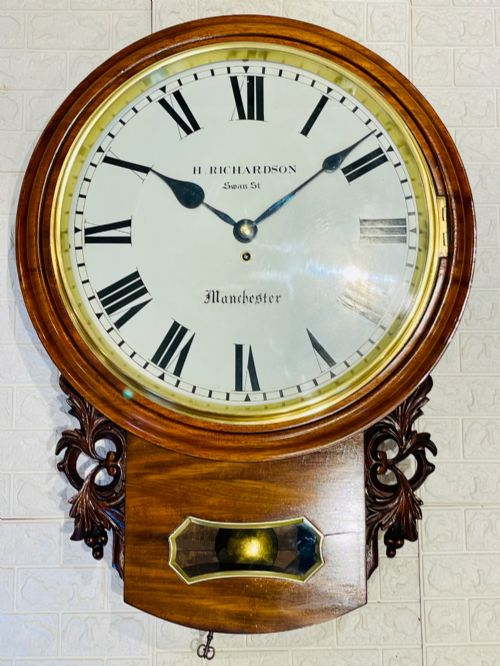
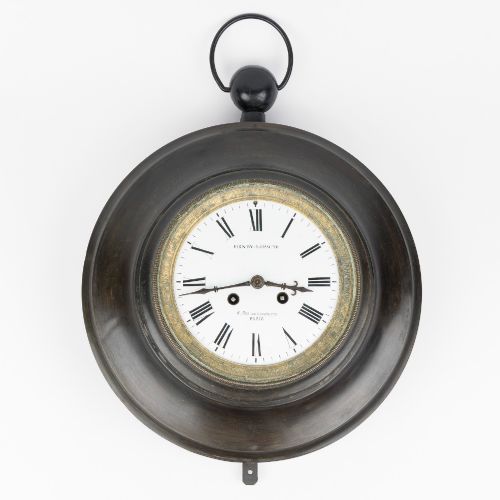
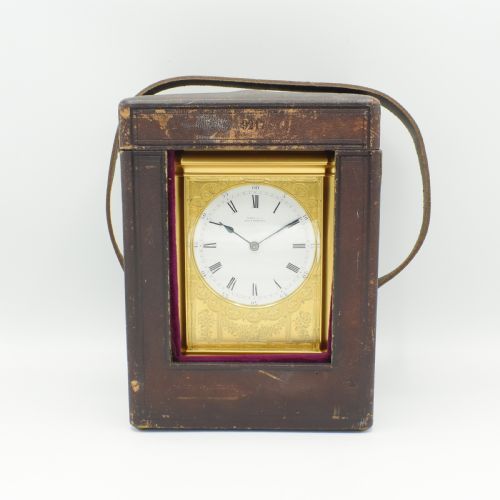
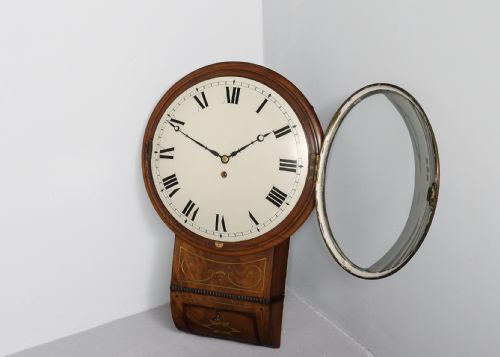
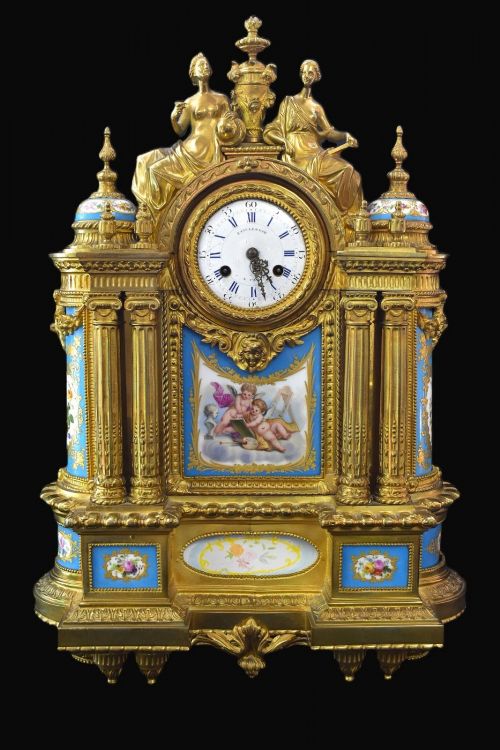
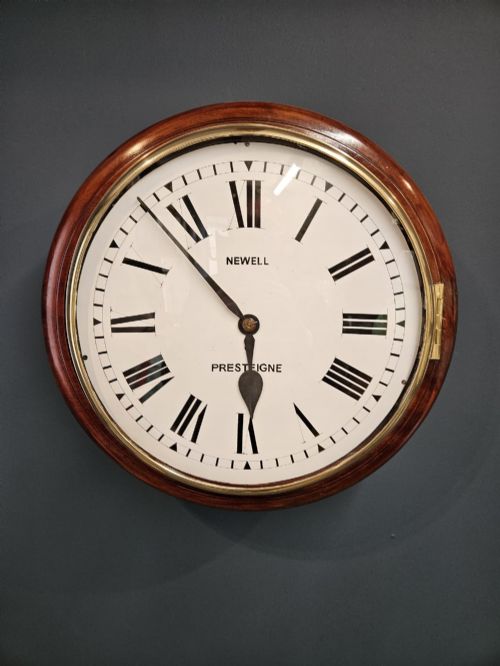
A large brass clock encompasses substantial timepieces designed primarily for mantels, brackets, and walls, utilising brass as a defining structural or decorative component. These pieces range from architectural carriage clocks and heavy mantel designs to wall-hung fusee dials spanning the nineteenth and early twentieth centuries.
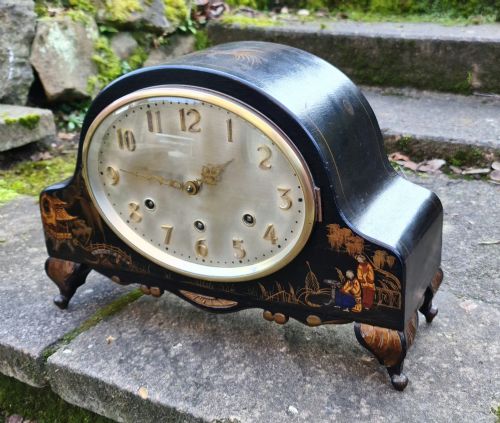
The versions most commonly met on this page are French and British productions, featuring prominent metal cases alongside enamel dials, glass panels, or marble bodies. Victorian and Edwardian examples dominate the selection, often taking the form of ornate mantel clocks, bracket clocks, or architectural carriage clocks.
Buyers encounter various formats including French Rococo revival pieces, crystal regulators, and traditional British wall dials with fusee movements. Each style serves a distinct architectural purpose within an interior, functioning simultaneously as a functional timekeeper and a dominant focal point.
Materials and construction methods
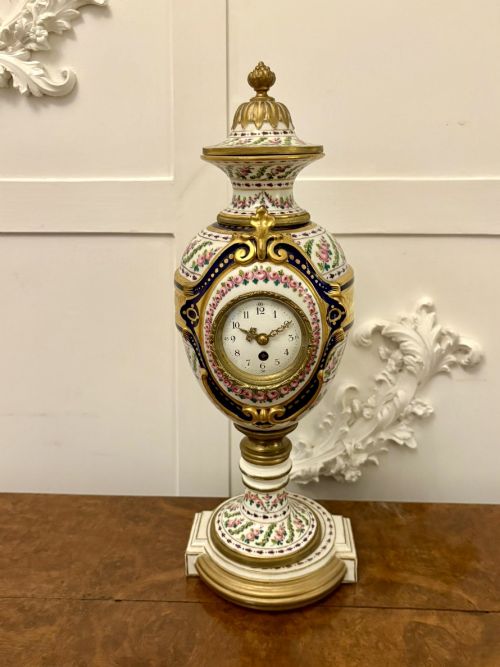
Construction relies heavily on cast and polished brass, frequently combined with ormolu, gilt bronze, and glass to enclose intricate mechanical movements. Many examples incorporate secondary materials such as mahogany, oak, slate, marble, and hand-painted porcelain panels to enrich the visual depth of the case.
Movements are driven by precision engineering, utilising fusee mechanisms for steady tension in wall and bracket clocks, alongside eight-day spring-driven movements in mantel and carriage formats. Enamel dial construction involves fired vitreous glass over metal substrates, often paired with hand-painted numerals and delicate blued steel hands.
Large Brass Clock Retail Price Guide 2026
Typical asking prices for large brass clock among the pieces listed under this phrase on Sellingantiques today, from the lower quarter to the upper quarter. They describe what is for sale here now, not the wider market.
Materials documented across the inventory include hand-blown glass domes, enamel dials, slate, and intricately cast ormolu.
Distinctions in craftsmanship
Quality separates objects by the crispness of the cast brass ornamentation, the depth of the gilding, and the refinement of the dial execution. Superior pieces exhibit finely chased details on bronze or ormolu mounts and hand-painted porcelain components free from restoration.
The integrity of the internal movement dictates grade, with signed maker movements and complex complications such as repeating strikes or moon phases representing higher standards of horological achievement. Heavier marble or wooden cases with flawless brass inlay and original glass domes reflect superior workshop standards.
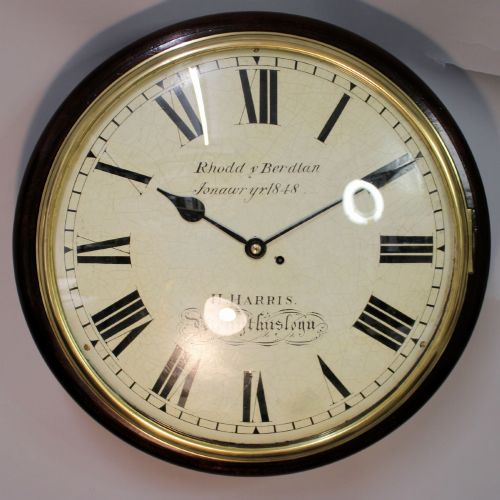
Henry-Lepaute of Paris·Henry Harris of Monthusloyn·George Orpwood·Etienne Lenoir·Philippes Paris·L Epee·Samuel Marti·Camerer Cuss
The Large Brass Clock Glossary
- Fusee
- A conical pulley used in clock movements to maintain an even pull on the chain or cord as the mainspring unwinds. This mechanism ensures consistent timekeeping accuracy throughout the power reserve cycle.
- Ormolu
- Finely ground high-carat gold applied to a bronze object using a mercury amalgamation process. The technique produces a rich, durable golden surface characteristic of fine French decorative pieces.
- Crystal Regulator
- A mantel clock featuring glass panels on all four sides held within a brass or gilt frame. This design allows light to pass through the movement and showcases the interior mechanics.
- Bracket Clock
- A portable spring-driven clock originally designed to sit on a wall bracket to aid resonance and sound projection. Later examples function as substantial freestanding mantel pieces.
- Drop Dial
- A wall clock featuring an extended wooden or brass case below the main circular dial to house a pendulum. This configuration accommodates the weighted drop required for specific fusee movements.
Large Brass Clock: Frequently Asked Questions
How do I wind a fusee wall clock?
A fusee wall clock requires a specific winding key inserted into the dial aperture to tension the mainspring via the internal chain and cone pulley.
Care must be taken not to overwind the mechanism, stopping gently as soon as resistance is felt to preserve the antique teeth.
Where should I place a heavy mantel clock?
A heavy mantel clock requires a stable, level surface capable of supporting considerable weight, such as a sturdy fireplace mantel or a low wooden cabinet.
Placing the piece on a solid foundation prevents vibrations that can disrupt the delicate balance of the pendulum and escapement.
How do I identify a French crystal regulator?
A French crystal regulator is identified by its characteristic glass panels set within a polished brass or gilt bronze framework, often revealing a mercury or compensated pendulum.
These pieces typically date from the late nineteenth century and showcase ornate enameled dials alongside fine mechanical escapements.