
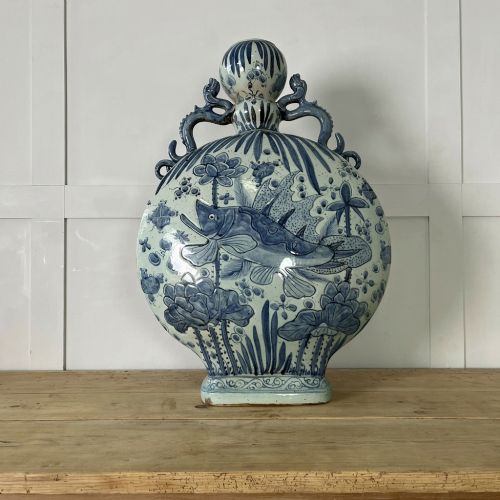


Large Blue White Vase
When you seek a large blue white vase, you encounter substantial vessels of earthenware, porcelain, and pottery spanning centuries of global ceramic tradition.
Large Blue White Vase
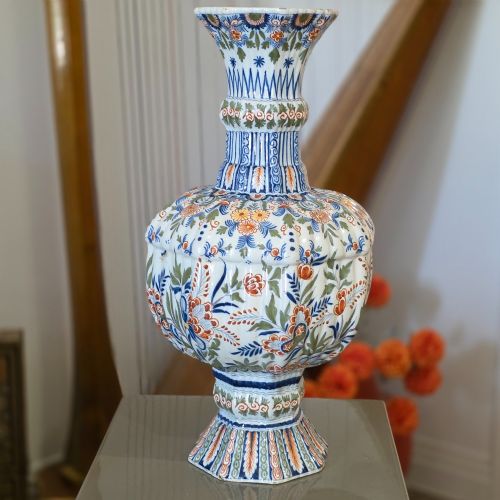
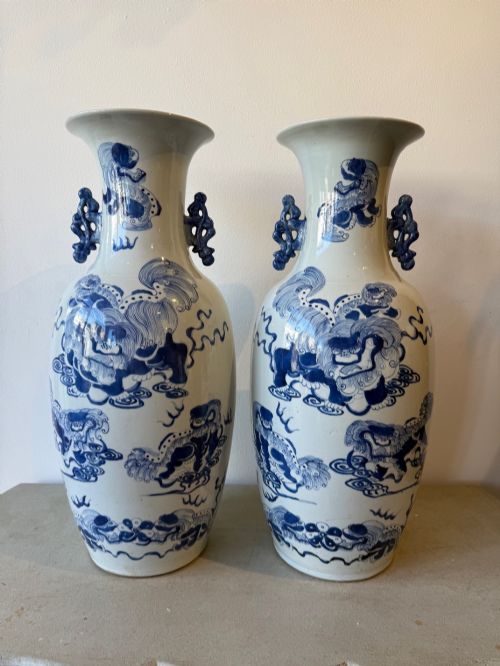
A large blue white vase brings together centuries of ceramic artistry across diverse global traditions. These substantial vessels take forms such as floor vases, garden urns, moon flasks, double-gourd vessels, and brush pots.
The pieces on this page span the seventeenth century through to the twentieth century, originating from Chinese kilns, Japanese workshops, Dutch potteries, and English factories. You will frequently meet Chinese porcelain examples alongside European delftware and Japanese ceramic wares.
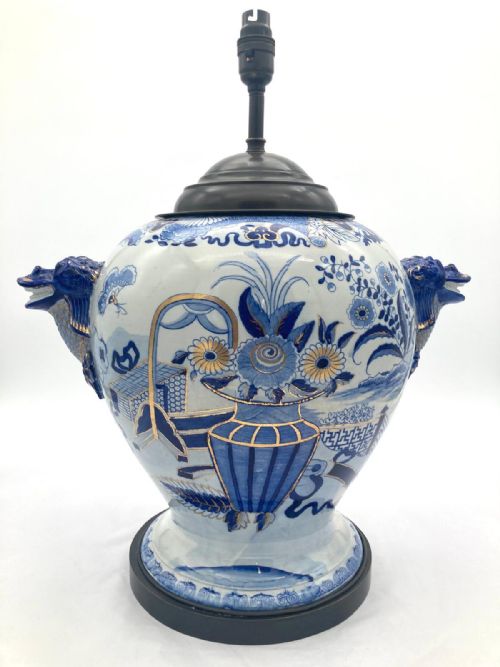
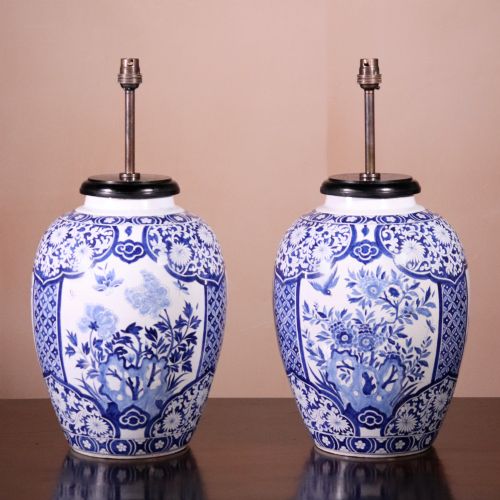
Many historical examples were later adapted into table lamps or fitted with metal mounts for domestic interior use. Others remain in their original form as monumental floor-standing display pieces.
How They Were Made
Potters utilised high-firing porcelain and earthenware bodies, coating them in white glazes before applying cobalt blue pigment by hand. Underglaze decoration required exceptional brushwork control, as the raw clay absorbed the cobalt instantly.
Certain Dutch and English pieces employ tin-glaze or ironstone techniques to achieve the characteristic white ground. Japanese workshops combined cobalt painting with lacquer panels or imari palettes.
Listings feature porcelain, earthenware, and glass materials across the seventeenth, eighteenth, nineteenth, and twentieth centuries.
What Varies in Quality
Quality rests upon the crispness of the cobalt painting and the depth of the glaze. Master decorators achieved subtle tonal gradations within the blue pigment, whereas lesser pieces display flat or muddy washes.
The purity of the porcelain body and the symmetry of large-scale potting define the upper tier of production. Kiln stability during the high-firing process determined whether a monumental vessel retained its structural balance.
Hicks and Meigh·Makuzu Kozan·J. Kent Fenton·Loetz
The Large Blue White Vase Glossary
- Delft
- Tin-glazed earthenware originating from the Netherlands, known for mimicking Chinese porcelain designs. This technique produced opaque white surfaces ideal for hand-painted cobalt decoration.
- Imari
- Japanese export porcelain decorated in underglaze blue, iron red, and gold. These colourful wares were produced in Arita for European markets.
- Underglaze
- A decoration method where pigment is applied to the raw ceramic body before glazing and firing. This seals the design beneath a protective glass layer.
- Moon Flask
- A flattened circular vessel with a short neck and two small handles. This distinct shape draws inspiration from ancient metalwork prototypes.
- Baluster
- A tall vase form with a rounded lower body that tapers towards a narrow neck. The profile resembles a traditional architectural baluster.
Large Blue White Vase: Frequently Asked Questions
How do I date an old ceramic vase?
Dating relies upon examining the potting style, the characteristics of the glaze, and any painted or impressed marks on the base. Stylistic cues often point to specific dynasties or European periods.
Comparison with known factory output helps narrow the window of production further. Specialists look at the interaction between the cobalt pigment and the underlying body.
Were these vessels used outdoors?
Most large pieces were intended for interior display in halls, parlours, and reception rooms. Garden urns and specific planters formed exceptions designed for sheltered outdoor placement.
Porcelain and earthenware bodies react differently to frost, meaning historical indoor pieces require protection from cold weather.
Why are some pieces converted to lamps?
Many large vessels were adapted during the twentieth century to suit modern domestic lighting needs. This conversion often involved drilling a discreet hole for wiring or securing brass fittings to the rim.
Such modifications reflect the changing interior fashions of previous decades while preserving the decorative presence of the original ceramic.
What defines Chinese export porcelain?
Chinese export porcelain encompasses wares made specifically for Western markets from the Ming dynasty onwards. These pieces often combined traditional Chinese forms with European decorative requirements.
The resulting aesthetic bridged Eastern techniques with Western interior tastes of the period.