

Large Pitcher
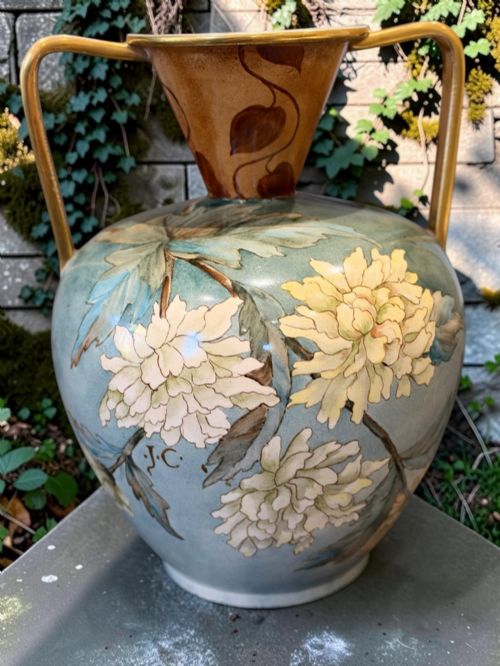
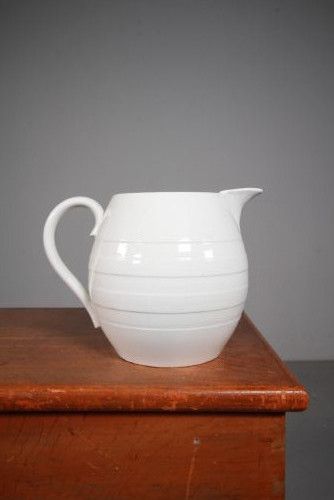
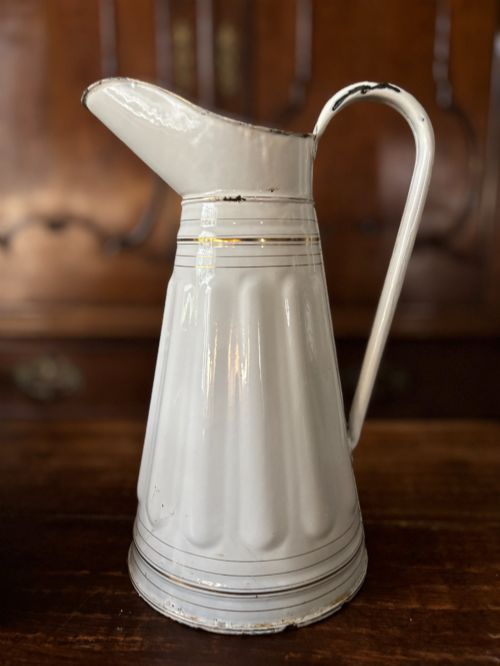
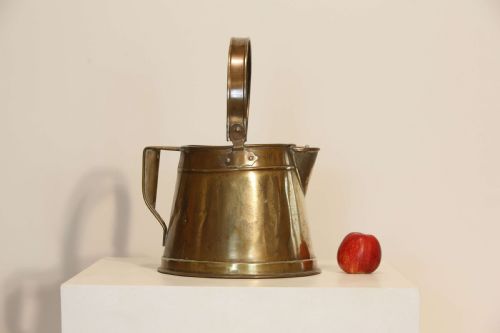
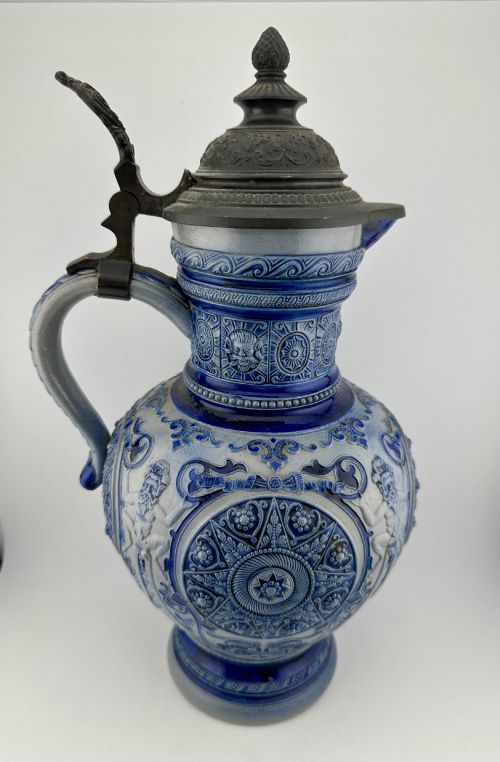
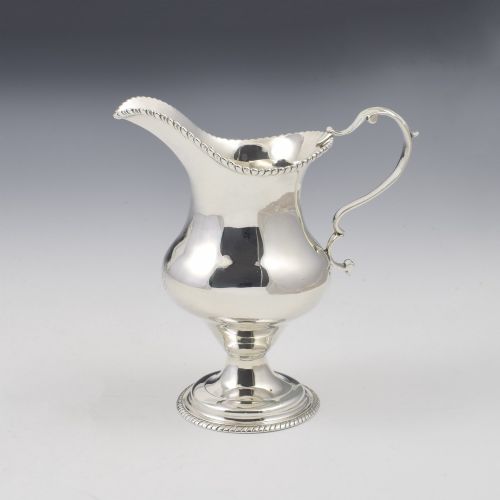
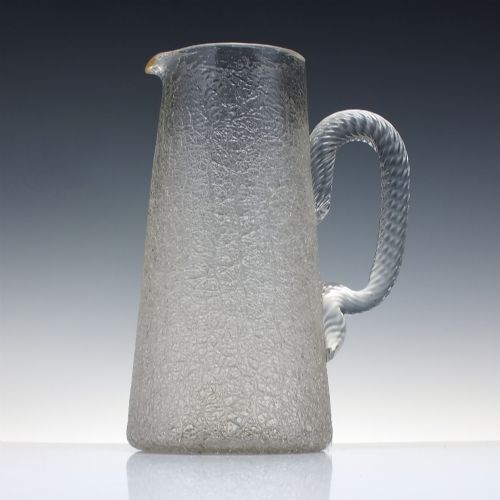
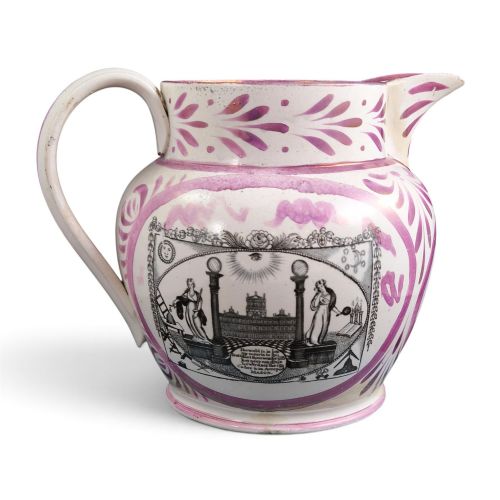
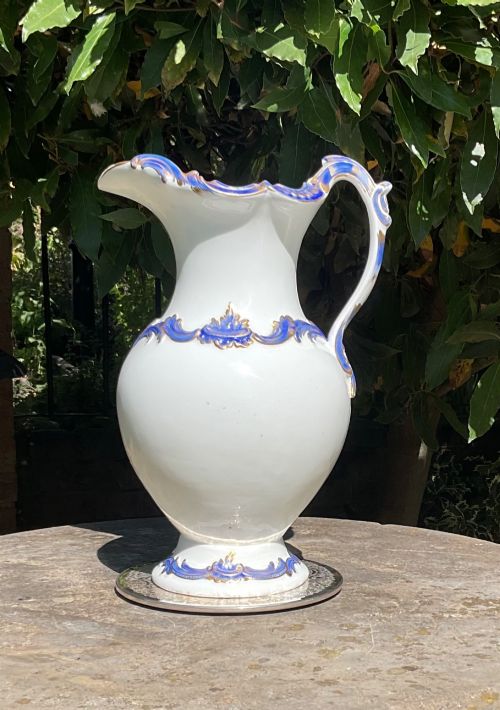
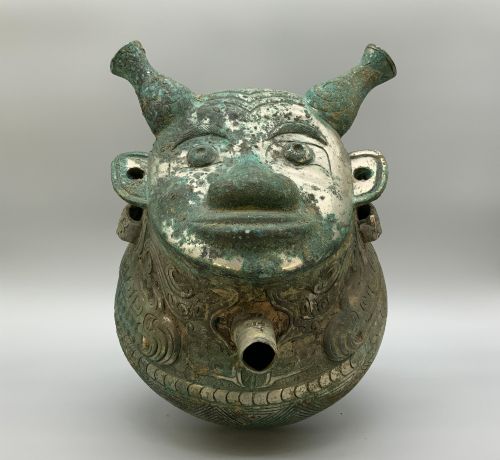
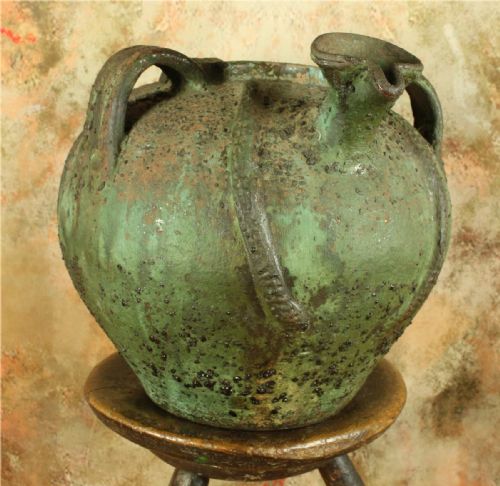
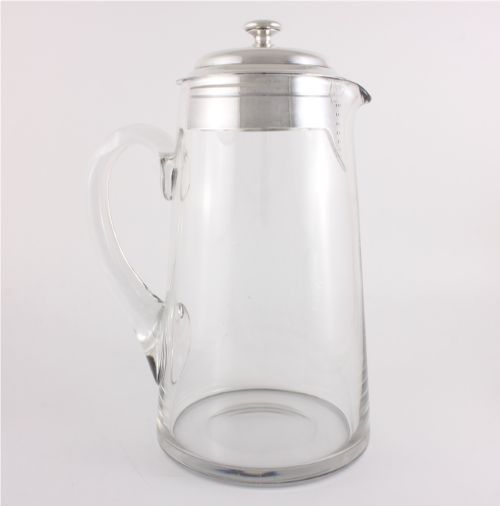
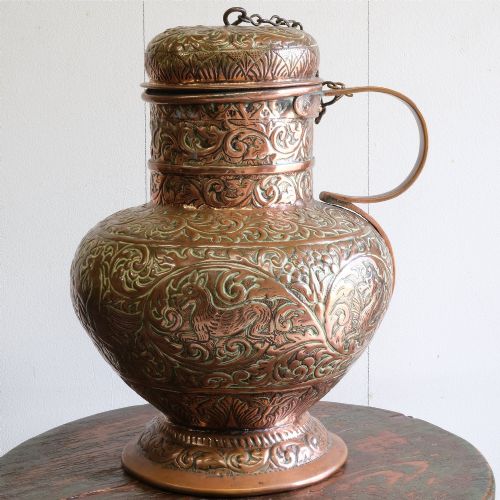
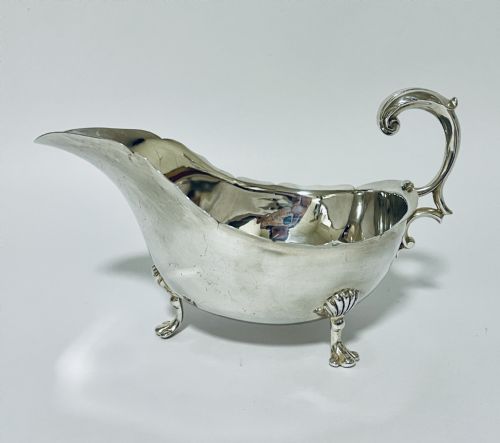
These large antique pitchers span earthenware, copper, silver and glass, offering a substantial vessel for water, wine or display.
Large Pitcher
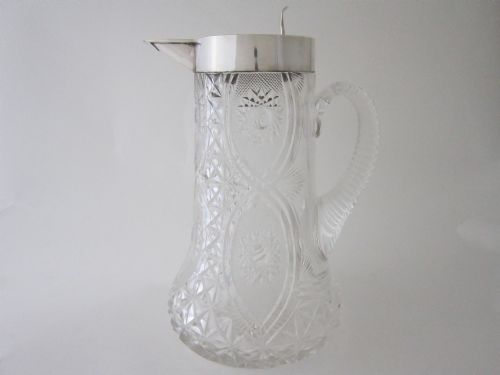
A large antique pitcher serves as a substantial vessel for water, wine, milk or decorative display. When you search for this phrase, you encounter forms ranging from heavy copper flagons and earthenware harvest jugs to delicate cut glass water pitchers.
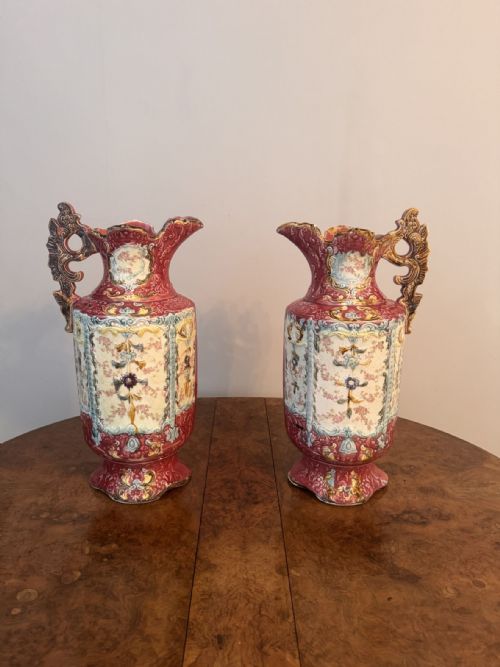
The pieces on this page lean heavily towards the nineteenth and eighteenth centuries, taking the shape of ceramics, metals and glassware from English, French and Dutch workshops. These range from utilitarian creamware to elaborate Victorian ewers and silver claret jugs.
How they were made
Makers shaped these large antique pitchers using traditional methods suited to each material, such as throwing earthenware and stoneware on a wheel, or cooperating oak staves with brass bands. Glass versions involve blowing and cutting, often with applied trail rims and engraved decoration.
Metal vessels combine hammering and soldering in copper, silver and silver plate, while ceramics frequently employ relief-moulding or transfer-printing. Glazing and enamel finishes protect the surfaces of earthenware and ironstone pieces.
Large Pitcher Retail Price Guide 2026
Typical asking prices for large pitcher among the pieces listed under this phrase on Sellingantiques today, from the lower quarter to the upper quarter. They describe what is for sale here now, not the wider market.
Materials across these listings span earthenware, copper, sterling silver, stoneware, enamel and glass.
What varies in quality
The distinction between ordinary and exceptional quality rests on the crispness of execution, whether in the depth of relief moulding on a ceramic body or the precision of hand-engraving on glass and silver. Superior metal vessels show clean joins and substantial gauge metal rather than thin, pliant sheets.
Design complexity and the reputation of the maker or pottery further separate standard utilitarian wares from ambitious exhibition pieces. Well-balanced handles, stable bases and intact glazes or gilding indicate a higher grade of manufacture.
Stalker & Mitchison·Doulton Lambeth·Ridgway & Sons·Charles Meigh·Elkington
The Large Pitcher Glossary
- Ewer
- A large jug with a wide spout and a handle, traditionally used for holding water. Ewers frequently appear in decorative ceramic and metal forms.
- Flagon
- A large vessel with a handle and often a lid, used for holding liquids such as wine or ale. They appear in copper and ceramic materials.
- Slipware
- Pottery decorated with liquid clay applied to the unbaked body. This technique creates contrasting surface patterns.
- Pink Lustre
- A ceramic finish incorporating a thin metallic film that produces an iridescent pink sheen. It appears on nineteenth-century earthenware jugs.
- Claret jug
- A specialised vessel designed for serving red wine, typically fashioned from cut glass mounted with silver or silver-plated handles and lids.
Large Pitcher: Frequently Asked Questions
What were large antique pitchers used for?
These vessels served practical purposes in domestic and institutional settings, holding water, milk, beer or wine for the table. Large earthenware harvest jugs provided ale for farm labourers, while silver and glass claret jugs graced formal dining rooms.
Over time, many of these utilitarian items transitioned into decorative objects or washstand accessories, displayed for their form and surface decoration rather than daily service.
How do I identify Victorian pitchers?
Victorian examples often display heavy relief-moulding, vibrant transfer-prints or rich pink lustre glazes. Makers frequently utilised durable ironstone, heavy copper or cut glass during this era.
Look for registration marks or specific pottery names stamped into the base, which help narrow down the production decade within the nineteenth century.
Are these pitchers safe for holding drinks?
While many glass, silver and glazed ceramic pitchers remain physically capable of holding liquids, historical pieces require careful handling. Crazed earthenware or worn silver linings may absorb liquids or leach materials over time.
It is generally advisable to treat antique ceramic and copper vessels as decorative display pieces rather than regular dining utensils.
How do I care for antique metal pitchers?
Copper and silver vessels require gentle cleaning to maintain their surfaces without stripping the historical patina. Avoid harsh abrasive cleaners that scratch the metal or remove silver plating.
Dust glass and ceramic versions with a soft cloth and wash only when necessary using mild, non-detergent soap and lukewarm water.