
Large Copper
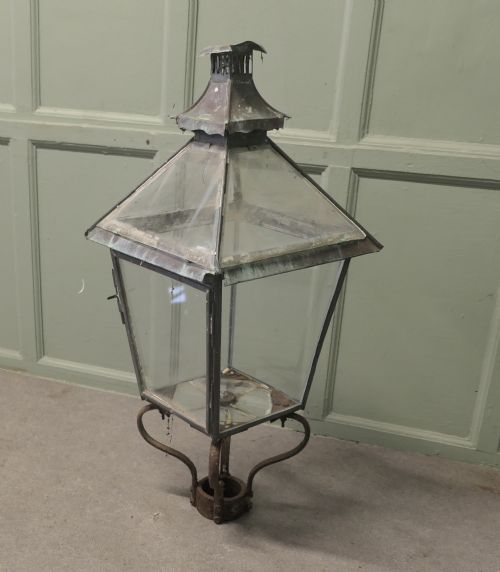
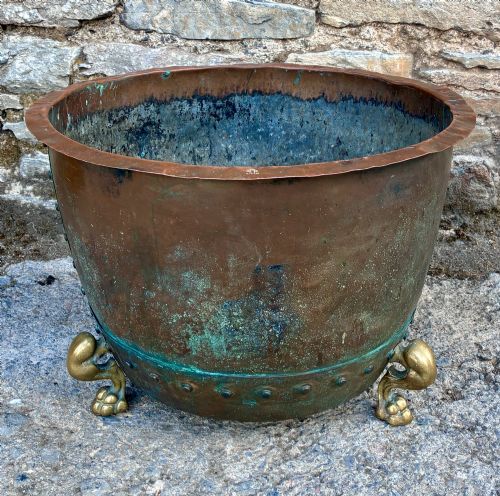
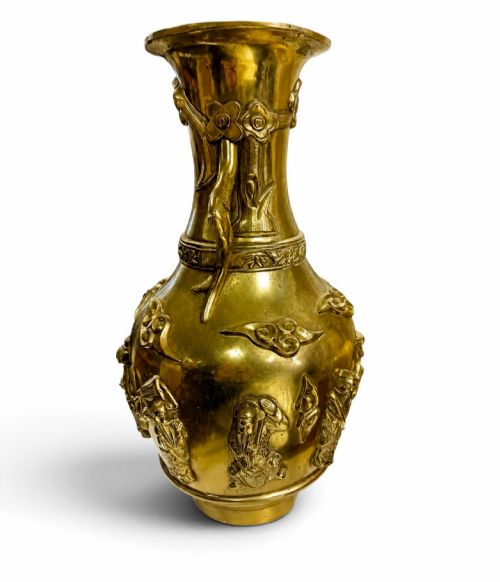
When you search for large antique copper, you uncover heavy domestic vessels, garden planters and architectural lanterns shaped by centuries of functional use.
Large Copper
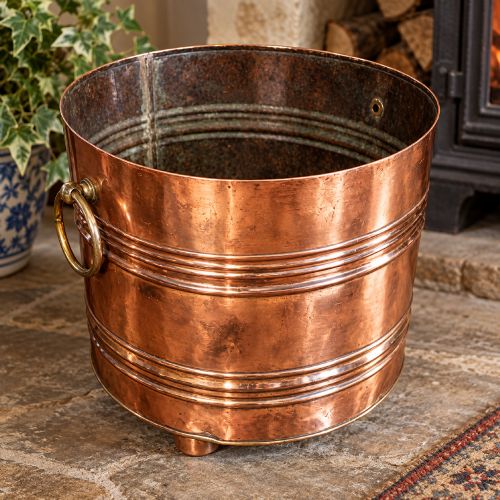
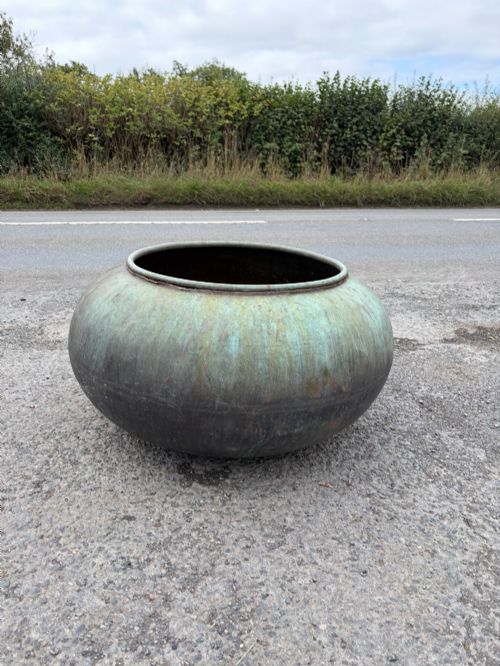
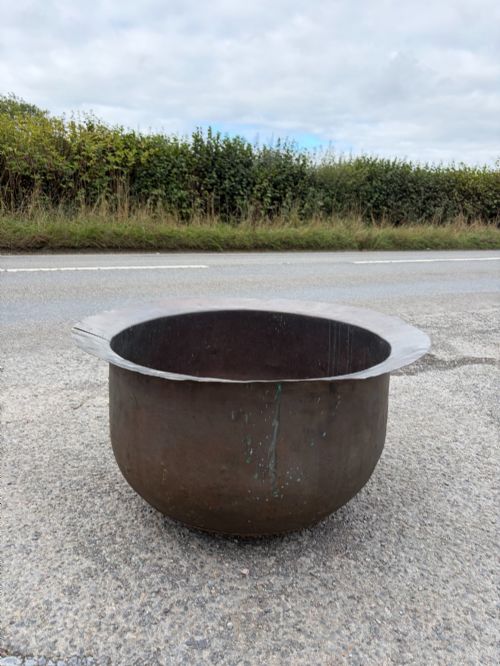
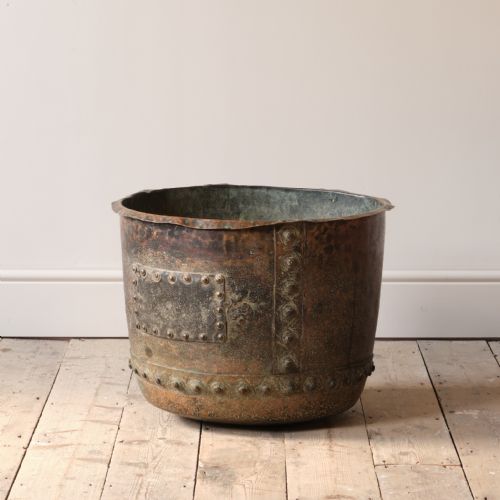
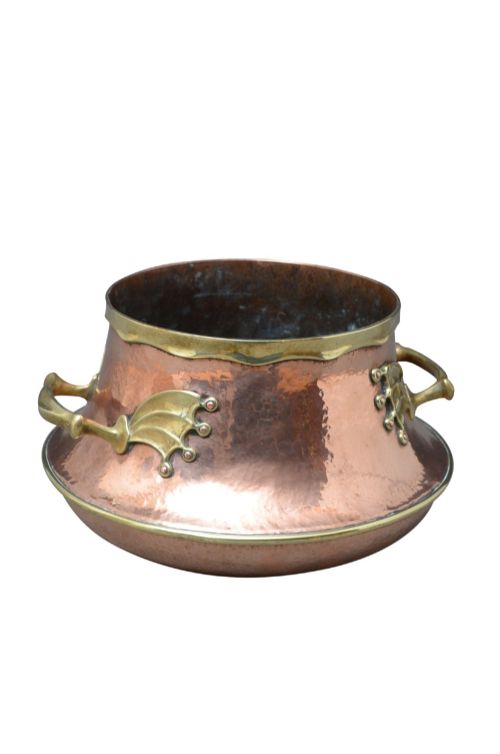
Searching for large antique copper brings heavy domestic vessels, garden planters and architectural lanterns shaped by centuries of functional utility into focus. Buyers most frequently encounter substantial nineteenth-century kitchenware, including preserving pans, coal buckets, log bins and wash tubs.
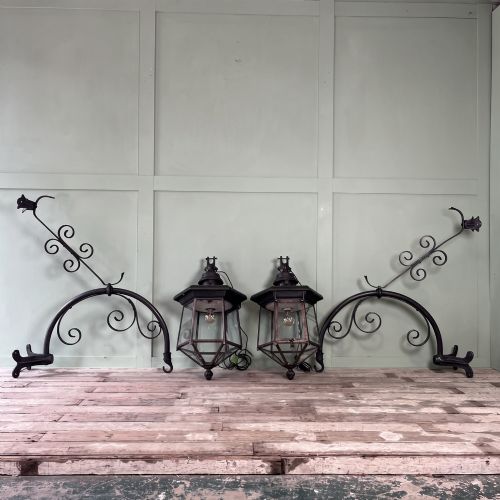
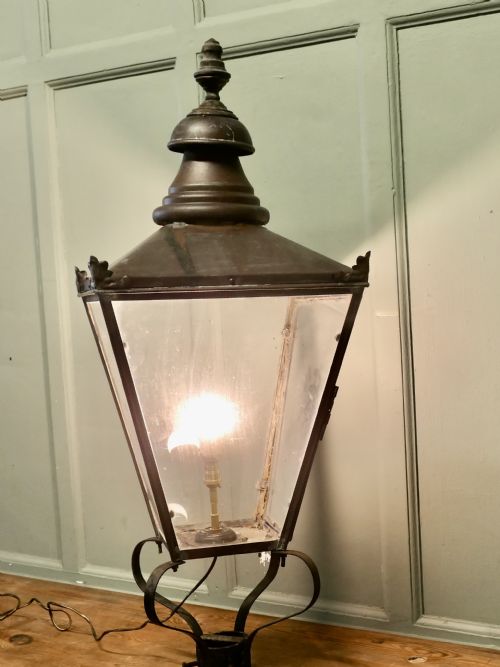
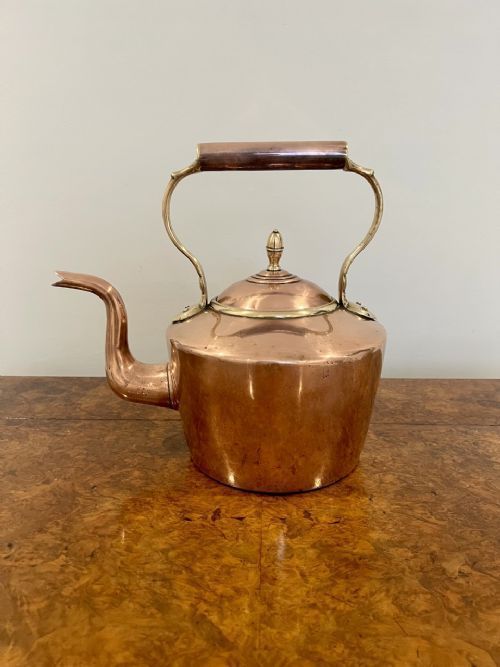
Domestic forms span Georgian saucepans and kettles alongside Victorian cauldrons, cheese vats and grain measures. Architectural items, such as street lanterns and trade signs, also appear alongside planters and decorative wall chargers.
Pieces frequently stem from Georgian and Victorian periods, often showing rustic farmhouse, Arts and Crafts or industrial origins. These utilitarian objects transitioned from working kitchens and country houses into decorative interior and exterior focal points.
How they were made
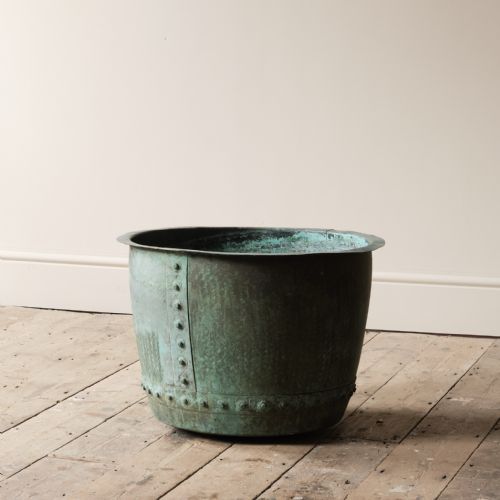
Smiths formed these heavy vessels from sheet metal, joining seams with hand-driven copper rivets or dovetailing edges together securely. Wrought iron handles, brass mounts and iron swing bails were attached to provide the structural strength needed for heavy loads.
Makers shaped the metal by hammering over stakes, leaving subtle facets or uniform planishing marks across the surfaces. Many pieces combine copper bodies with brass feet, trim or handles, showing contrasting warm metallic tones.
Materials span copper, brass, wrought iron, glass and enamel across domestic cookware and architectural lanterns.
What varies in quality
Quality rests in the thickness of the original gauge, the integrity of hand-riveted seams and the retention of honest, undisturbed surface patination. Superior examples display robust proportions, sturdy ironwork and crisp maker details rather than excessive modern polishing.
The sophistication of auxiliary elements, such as shaped brackets on lanterns or finely wrought iron handles on coal buckets, elevates a piece above standard utilitarian wares. Retaining original lids, internal fittings or authentic verdigris finishes further distinguishes finer survivals.
REVO Leicester·Bretby Pottery·Hayward and Towell·Hugh Wallis
The Large Copper Glossary
- Patina
- The natural surface film and mellow coloration developed through age, handling and environmental exposure over decades. This weathered skin is prized by collectors for its authentic historical character.
- Riveted
- A method of joining sheet metal where metal pins are inserted through overlapping edges and hammered flat. This technique provides immense structural strength on large transport and boiling vessels.
- Planishing
- The process of smoothing and shaping metal using a light hammer against a stake. It hardens the copper while leaving a distinctive pattern of small facets.
- Verdigris
- The green or blue-green patina formed on copper surfaces through natural oxidation over time. In maritime or garden environments, this chemical layer protects the underlying metal.
- Samovar
- A heated metal urn traditionally used to boil water for tea. Georgian and Victorian examples often feature elaborate brass spigots and internal heating chimneys.
Large Copper: Frequently Asked Questions
How do I clean large antique copper?
Wash the surface gently using warm soapy water and a soft cloth to remove accumulated dust and grime. Avoid harsh abrasive compounds that strip away historical patina.
Allow the metal to dry completely after washing. Many collectors prefer to leave the natural oxidation and verdigris untouched rather than restoring a bright, polished finish.
Are these copper pieces safe for cooking?
Most large antique copper items, such as preserving pans, coal buckets and wash tubs, were made for utilitarian storage or boiling rather than everyday food preparation. Many lack the modern tin linings required to prevent copper from reacting with acidic ingredients.
Inspect the interior carefully for remnants of lining before considering any culinary use. Generally, these heavy survivals serve best as decorative garden planters, log bins or focal display pieces.
How do I date a copper piece?
Examine the construction methods, such as the style of the rivets, the thickness of the metal sheet and the design of the handles. Hand-beaten seams and wrought iron fittings often point towards Georgian or early Victorian origins.
Compare the form against documented kitchenware types and look for stamped maker marks or workshop stamps. Gradual shifts from hand-hammered fabrication to machine-rolled sheet metal help narrow down the manufacturing era.
Can antique copper be used outdoors?
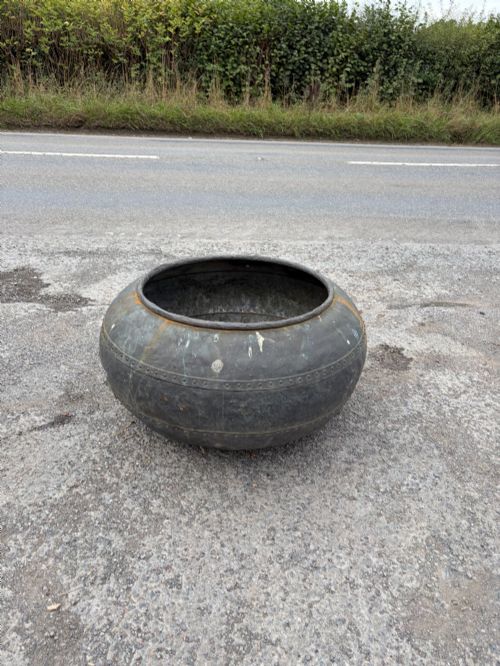
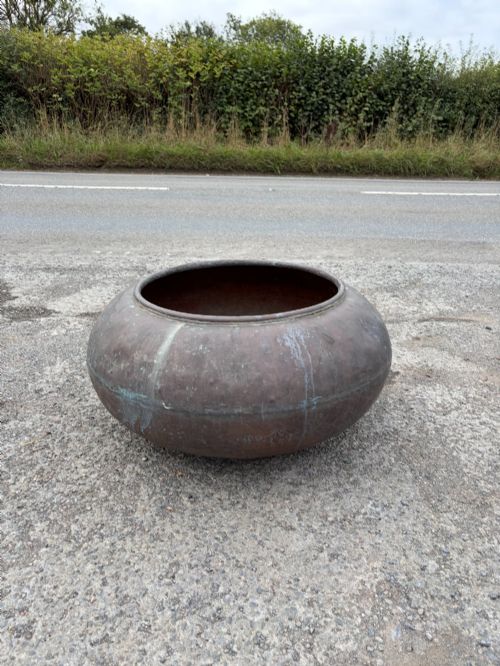
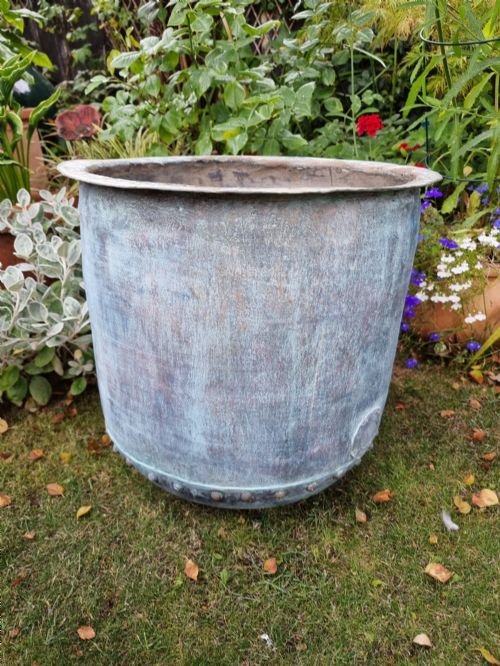
Copper resists corrosion well, making items like garden display pots, planters and street lanterns suitable for outdoor placement. Weather exposure encourages a stable protective verdigris finish over time.
Ensure that planters feature adequate drainage holes and protect delicate iron brackets from persistent standing moisture. Severe winter frost can occasionally stress water-filled vessels if left unprotected.