



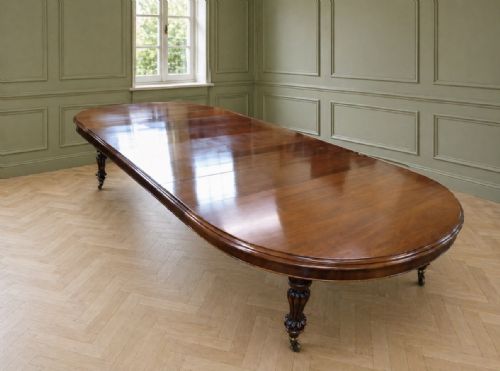


Large Board Table
A large antique board table provides scale and presence, bringing people together over centuries of timber and craftsmanship.
Large Board Table
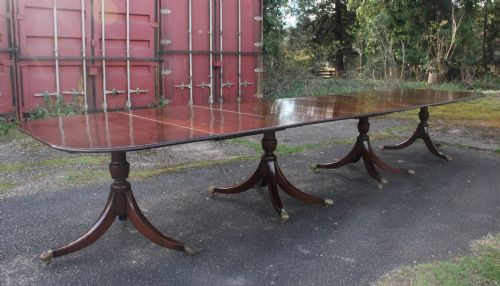
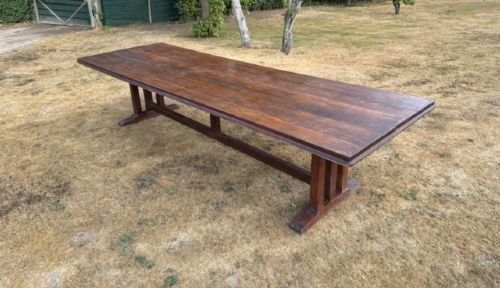
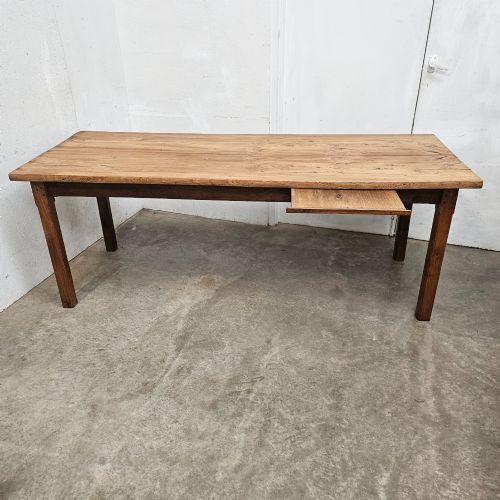
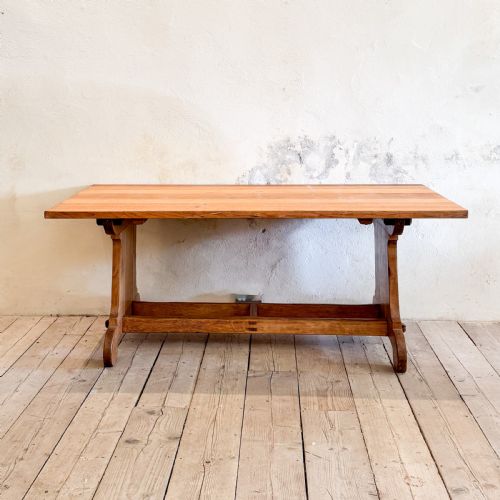
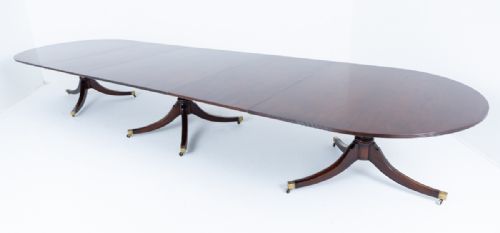
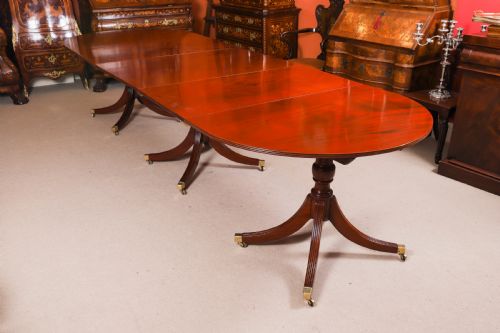
A large antique board table serves as a substantial focal point for dining rooms, libraries, and boardrooms, accommodating numerous seated guests. When searching for a large antique board table, buyers encounter imposing pieces spanning the Georgian, Regency, Edwardian, and nineteenth-century periods. These include multi-pillar extending tables in mahogany, robust oak refectory examples, and French farmhouse boards designed for communal use.
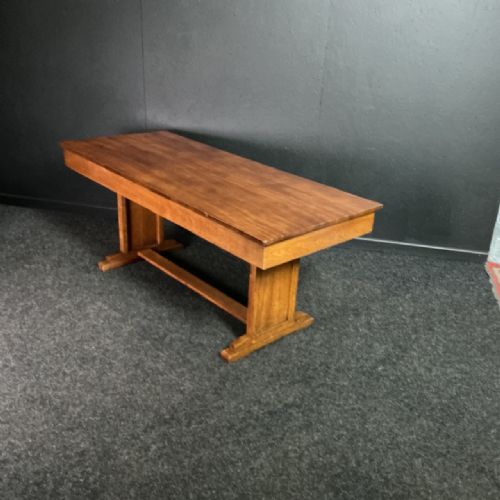
The selection ranges from George III and William IV triple-pillar mahogany dining tables seating sixteen or more guests to solid oak public school library tables and French pine drapers tables. Many pieces exhibit distinct styles such as Gothic Revival, Arts and Crafts, and French Provincial, reflecting their functional origins in institutional, domestic, or commercial settings.
Makers and craftsmen utilised dense hardwoods to construct surfaces capable of withstanding heavy daily use over generations. Buyers most frequently meet elongated mahogany pedestals and planked oak tops that retain deep patination and evidence of long service.
How they were made
Carpenters constructed these large tables primarily using solid and veneered timbers such as mahogany, oak, walnut, elm, pine, and fruitwood. Timber selection depended on the regional origin and the intended function, whether for a formal dining room or an institutional library.
Joiners employed traditional techniques like mortise and tenon joints, pillar and claw pedestals, and sturdy trestle supports to bear the immense weight of extended board tops. Extending mechanisms utilised brass clips and additional leaves to allow tables to expand or contract for gatherings of varying sizes.
One score cabinet listed here kept the score for billiard and pool games under the watchful eye of Thurston.
What varies in quality
The degree of refinement in timber selection and cabinetmaking distinguishes pieces across the range. Superior examples display carefully matched grain patterns in figured walnut or rich mahogany, alongside finely carved pedestals and well-executed brass mounts.
Structural integrity and the retention of original surface finishes dictate the standing of an individual table. Tables that maintain their original leaves, unwarped plank boards, and stable pedestals demonstrate superior longevity and historical preservation.
The Large Board Table Glossary
- Refectory table
- A long, narrow table traditionally used for communal dining in monasteries and schools. These pieces typically feature solid timber tops supported by sturdy legs and longitudinal stretchers.
- Triple pillar
- A table base configuration consisting of three separate pedestals, usually with brass castors and tripod legs, designed to support long extending dining surfaces.
- Drapers table
- A long utility table originally utilised in fabric shops for measuring and cutting cloth. They often feature narrow proportions, multiple board tops, and practical lower storage shelves.
- Dresser base
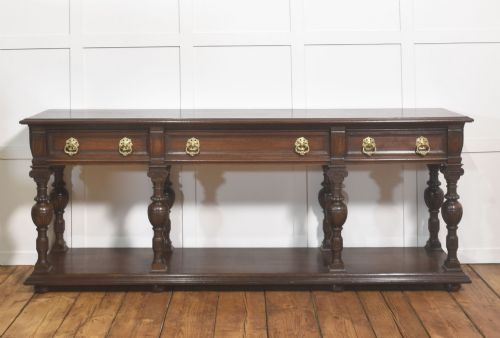
- A low wooden sideboard or cabinet fitted with drawers and cupboards, often paired with board tables in large dining spaces. These items provide functional storage alongside substantial work surfaces.
- Patination
- The natural sheen and surface alteration developed on timber over decades of handling, polishing, and exposure to light. Collectors value untouched patination as evidence of genuine age.
Large Board Table: Frequently Asked Questions
How many people do these tables seat?
Many of these pieces accommodate sixteen to twenty-six guests, depending on the inclusion of multiple extension leaves. Pillar configurations and refectory lengths determine the total seating capacity.
Buyers should measure their available room dimensions carefully, allowing adequate space around the perimeter for chairs and movement when the table is fully extended.
How do I care for a large timber top?
Routine maintenance involves dusting with a dry cloth and occasionally applying natural beeswax to nourish the wood grain. Avoid placing tables near direct heat sources or strong sunlight to prevent timber shrinkage and splitting.
Using heat-resistant mats and coasters protects the polished finish from moisture rings and thermal shock.
What is the difference between a dining table and a library table?
Library tables often feature leather inset writing surfaces or drawers integrated into the frieze for storing stationery and documents. Dining tables prioritize smooth timber boards or extending mechanisms for seating large groups of people.
Institutional pieces from schools and public buildings frequently display robust oak construction designed for rigorous daily study.