
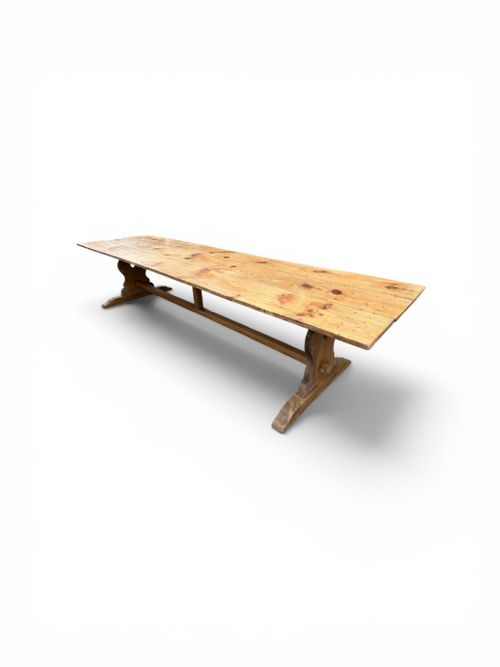

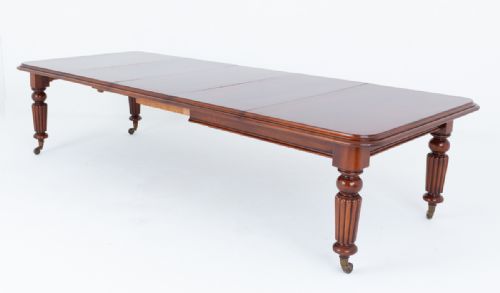

Large Timber Dining Table
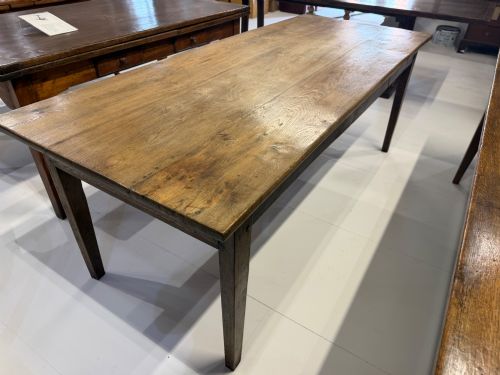
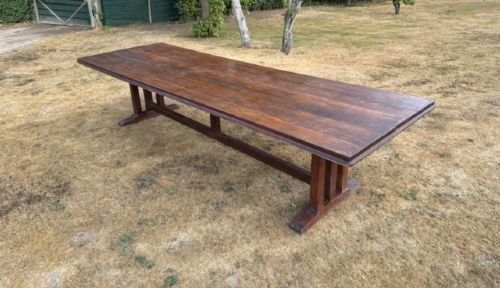
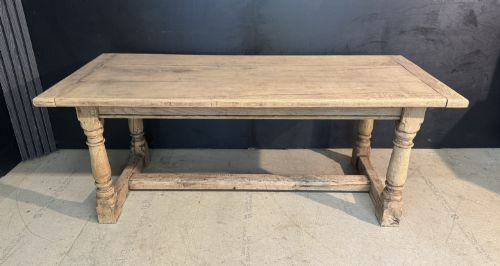
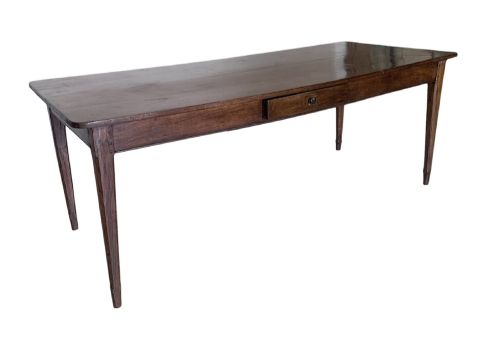
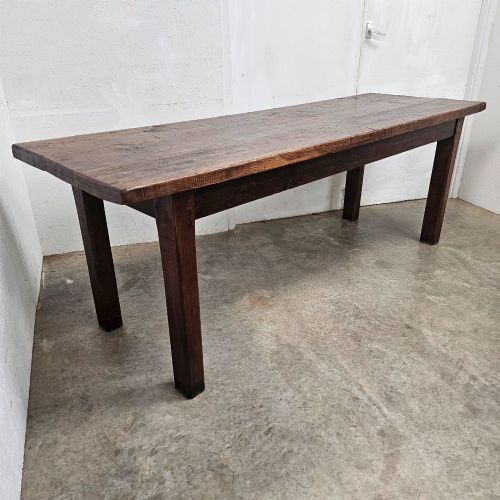
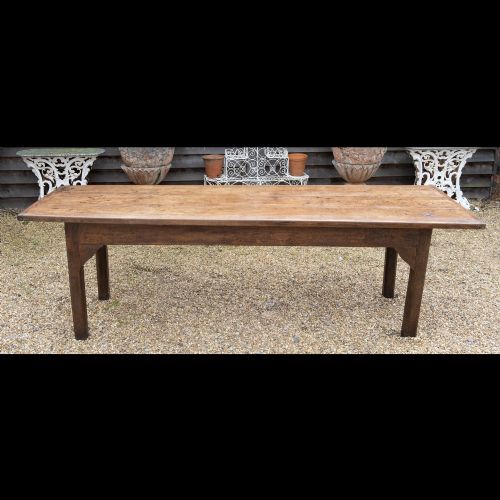
A large timber dining table anchors a room, offering generous space for gathering around solid oak, mahogany, pine or walnut.
Large Timber Dining Table
A large timber dining table serves as the primary gathering surface in domestic interiors, country houses and boardrooms alike. When searching for a large timber dining table, buyers encounter robust formats designed to seat many people comfortably.
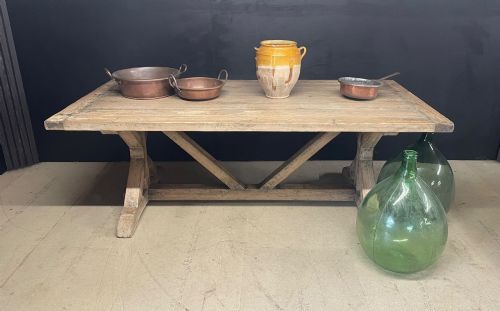
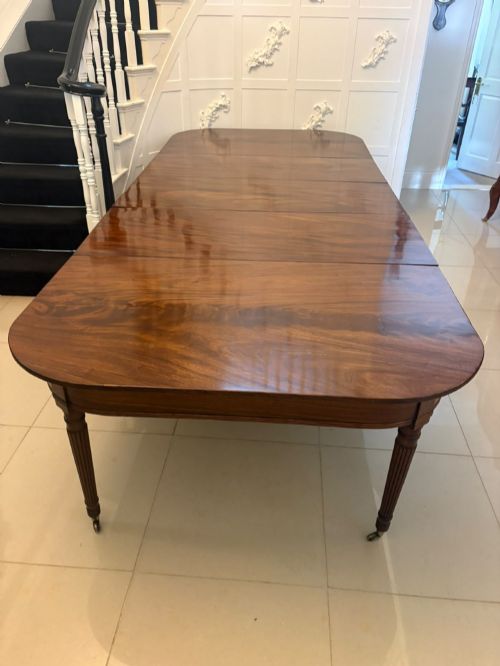
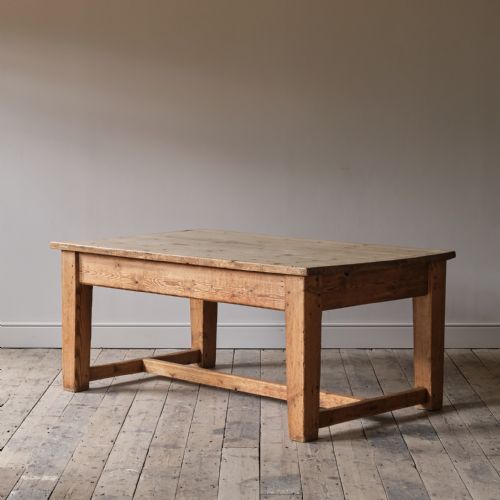
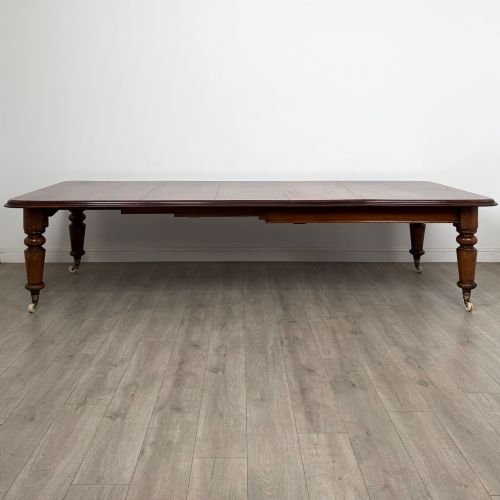
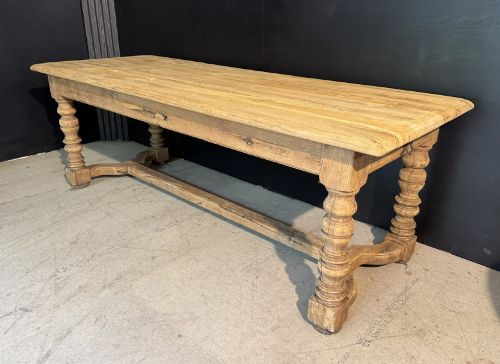
The selections span rustic farmhouse designs, formal Victorian extensions and refectory styles. Examples range from heavy pine kitchen tables to expansive mahogany pedestal and extending formats suitable for formal dining.
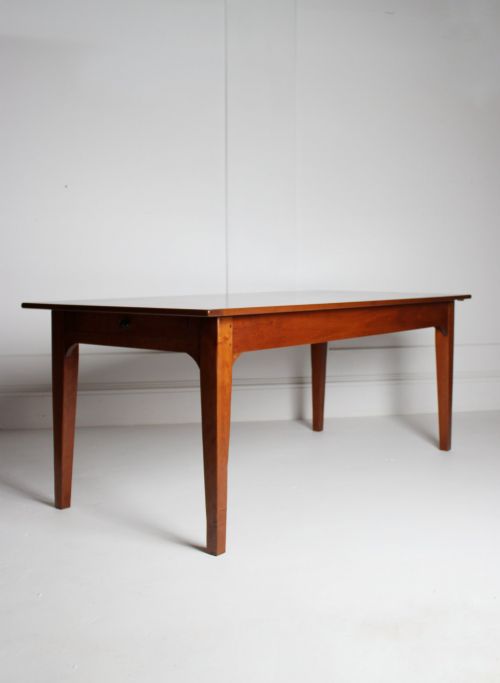
Origins stretch across English, French and Scandinavian traditions, utilising indigenous woods shaped by regional cabinetmakers and carpenters. Buyers most frequently meet nineteenth-century pine, oak and mahogany iterations built for heavy daily use.
How they were made
Construction relies heavily on dense hardwoods and sturdy softwoods such as oak, mahogany, pine, walnut, cherrywood and elm. Timber planks form thick, solid tops supported by robust legs, trestles, pedestal bases or square section supports.
Joining methods include traditional pegged mortise and tenon joints, dovetailing on drawers, and clever mechanical leaves for extending formats. Surfaces often display natural grain patterns, sometimes enhanced by bleaching, polishing or hand-scrubbing.
Listings feature timbers including oak, mahogany, pine, walnut, cherrywood, elm and fruitwood across the nineteenth and early twentieth centuries.
What varies in quality
Quality rests in the selection of the timber, the integrity of the structural frame, and the subtlety of the finish. Heavier timbers, thick original tops, and well-executed extension mechanisms separate superior examples from standard utility pieces.
Proportion and restraint in hardware or carving distinguish finer formal tables from simpler vernacular boards. The honesty of the construction and the depth of the timber's patina dictate the standing of each piece.
Gillows Lancaster
The Large Timber Dining Table Glossary
- Refectory table
- A long, narrow dining table historically used in monasteries and large halls. They typically feature heavy timber tops supported by sturdy legs linked by floor stretchers.
- Extending table
- A dining table designed with internal leaves or pull-out mechanisms to increase its seating capacity. These allow the surface area to expand significantly for large gatherings.
- Pedestal table
- A table supported by one or more central pillars rather than four corner legs. This design provides extra legroom and stability for diners seated around the perimeter.
- Trestle table
- A table consisting of two or more support frames connected by a horizontal beam. This form dates back to medieval times and allows maximum seating space along the sides.
Large Timber Dining Table: Frequently Asked Questions
How many people can a large timber dining table seat?
Seating capacity depends directly on the length of the tabletop and the inclusion of extension leaves. Many examples accommodate eight to twelve diners comfortably, while extra-long formats seat fourteen or more.
Buyers should measure both the room space and the chair clearance needed around the perimeter of the table to ensure easy movement.
How do I care for a historic timber tabletop?
Historic timber surfaces benefit from gentle cleaning with a damp cloth and occasional application of appropriate natural waxes. Avoiding excessive moisture and direct heat preserves the polished finish and natural grain.
Allowing the wood to breathe and maintaining stable room humidity prevents warping or splitting in older boards.
What is the difference between a farmhouse table and a refectory table?
Farmhouse tables generally emerge from domestic kitchen traditions, featuring thick pine, oak or fruitwood tops and sometimes utilitarian drawers. Refectory tables trace their origins to communal dining halls, possessing longer proportions and central stretchers.
Both styles emphasise solid timber construction but serve slightly different aesthetic traditions within country and formal interiors.
Can I use an antique extending table daily?
Period extending tables are engineered from sturdy hardwoods like mahogany and oak to withstand regular operation. Mechanism tracks and leaves function smoothly when handled with care.
Routine use is entirely appropriate provided the extension tracks are kept clean and weight is distributed evenly across the extended surface.